 Search


- The new channel connects four countries to shorten the transportation time between China and Iran, helping to upgrade logistics
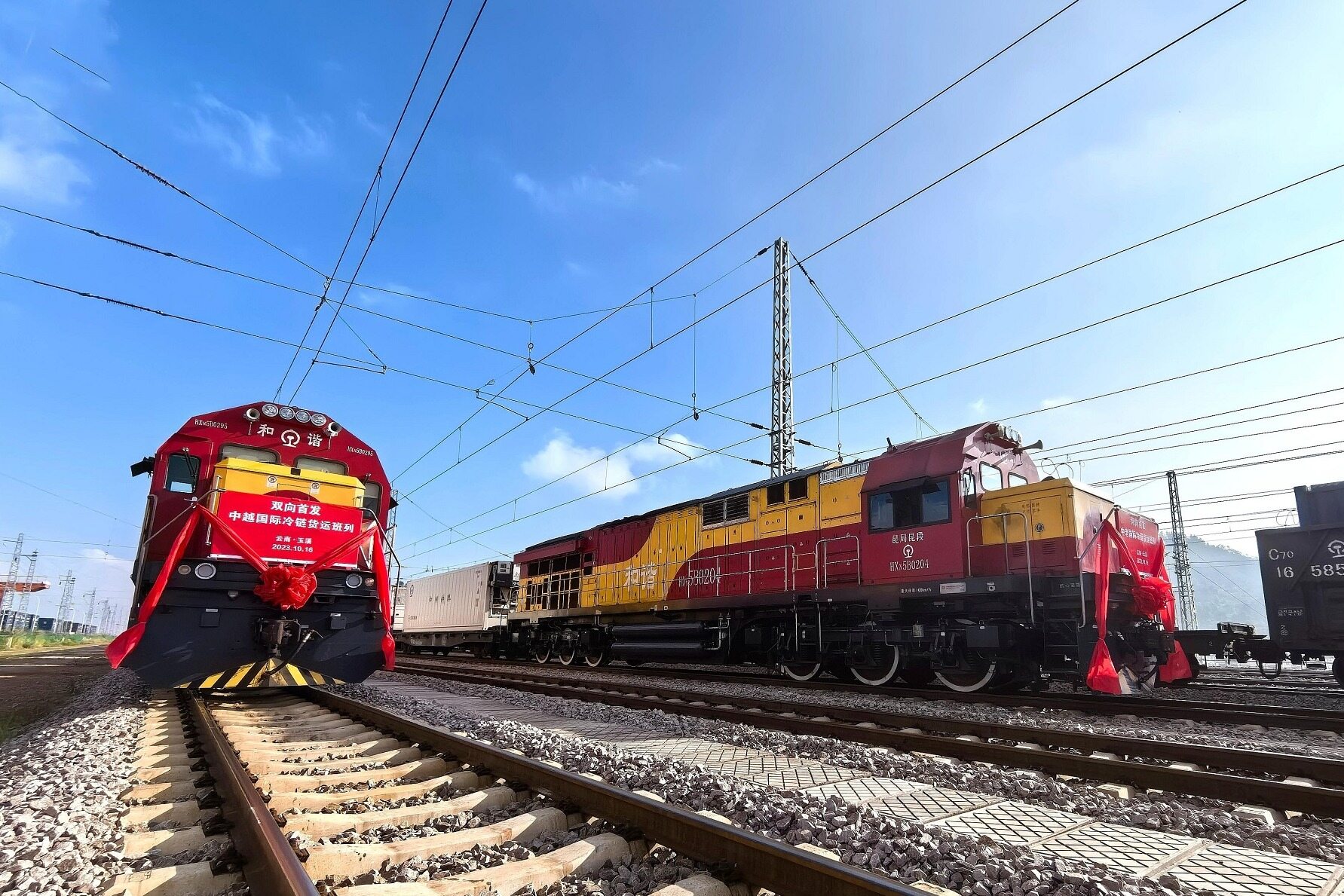
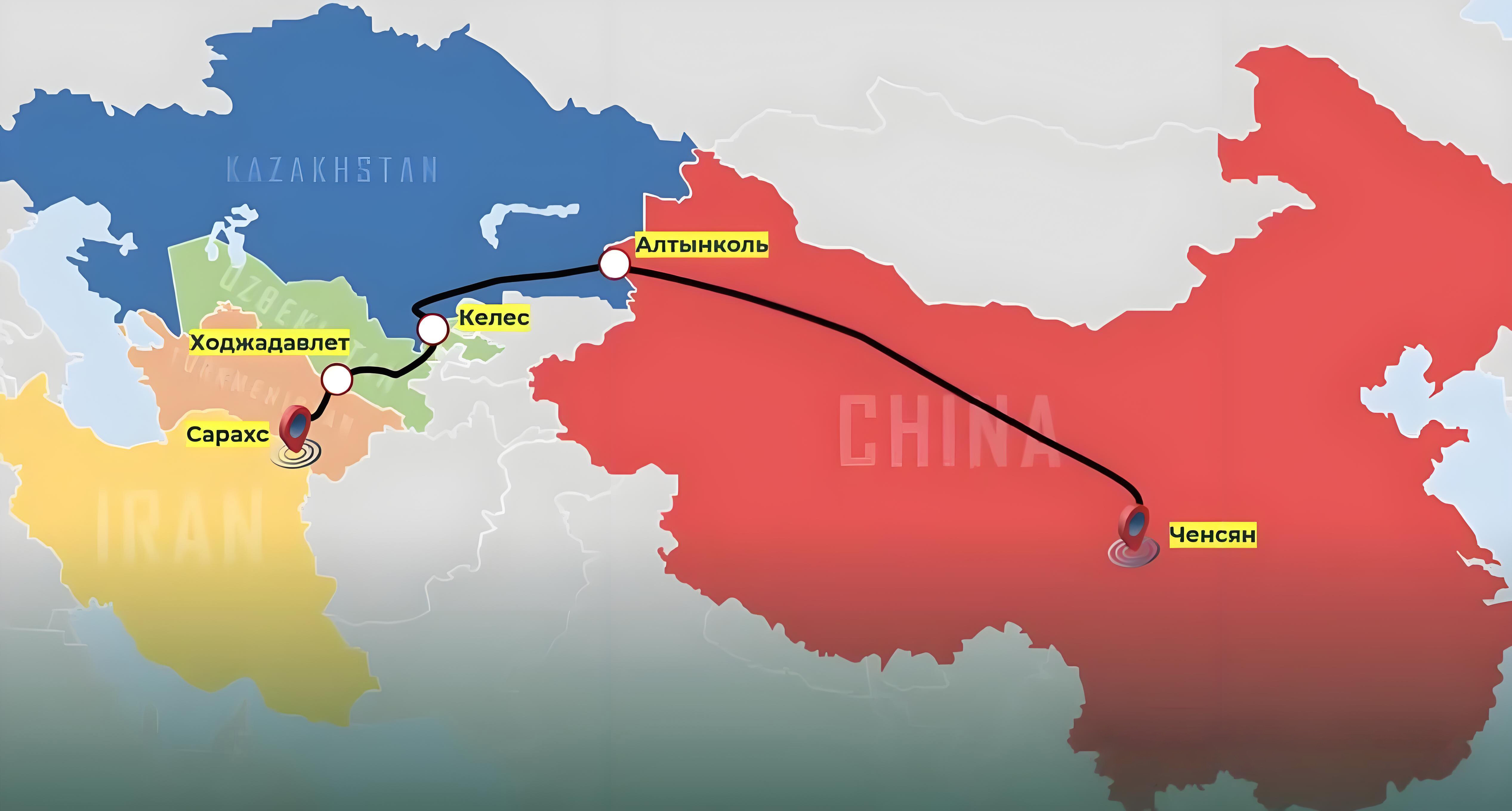
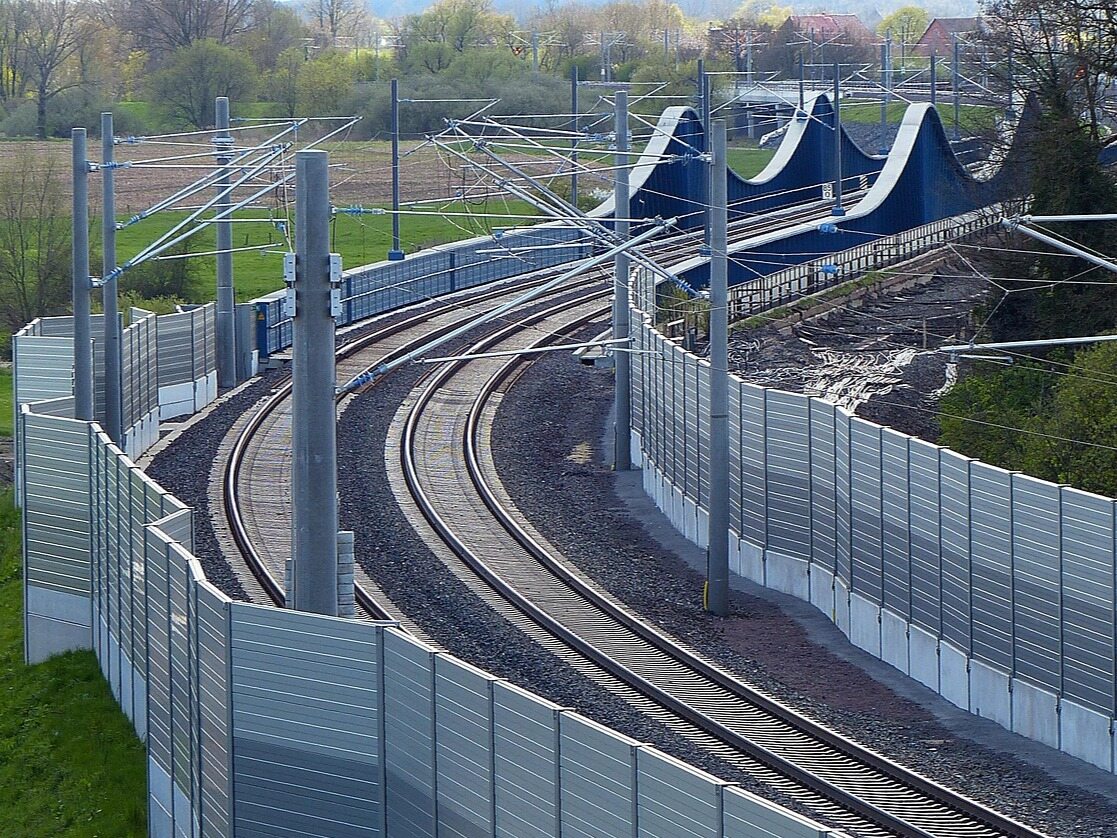
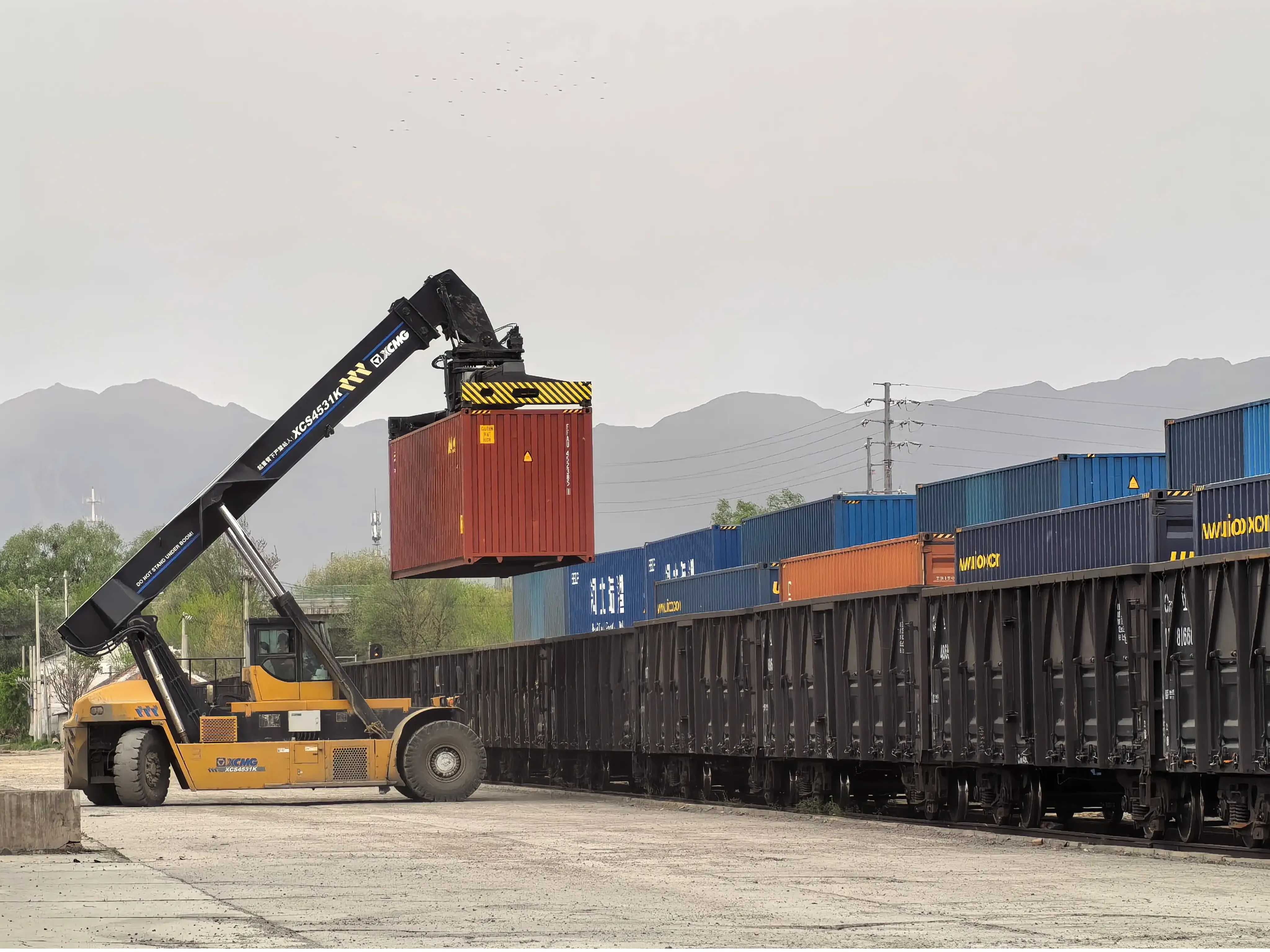
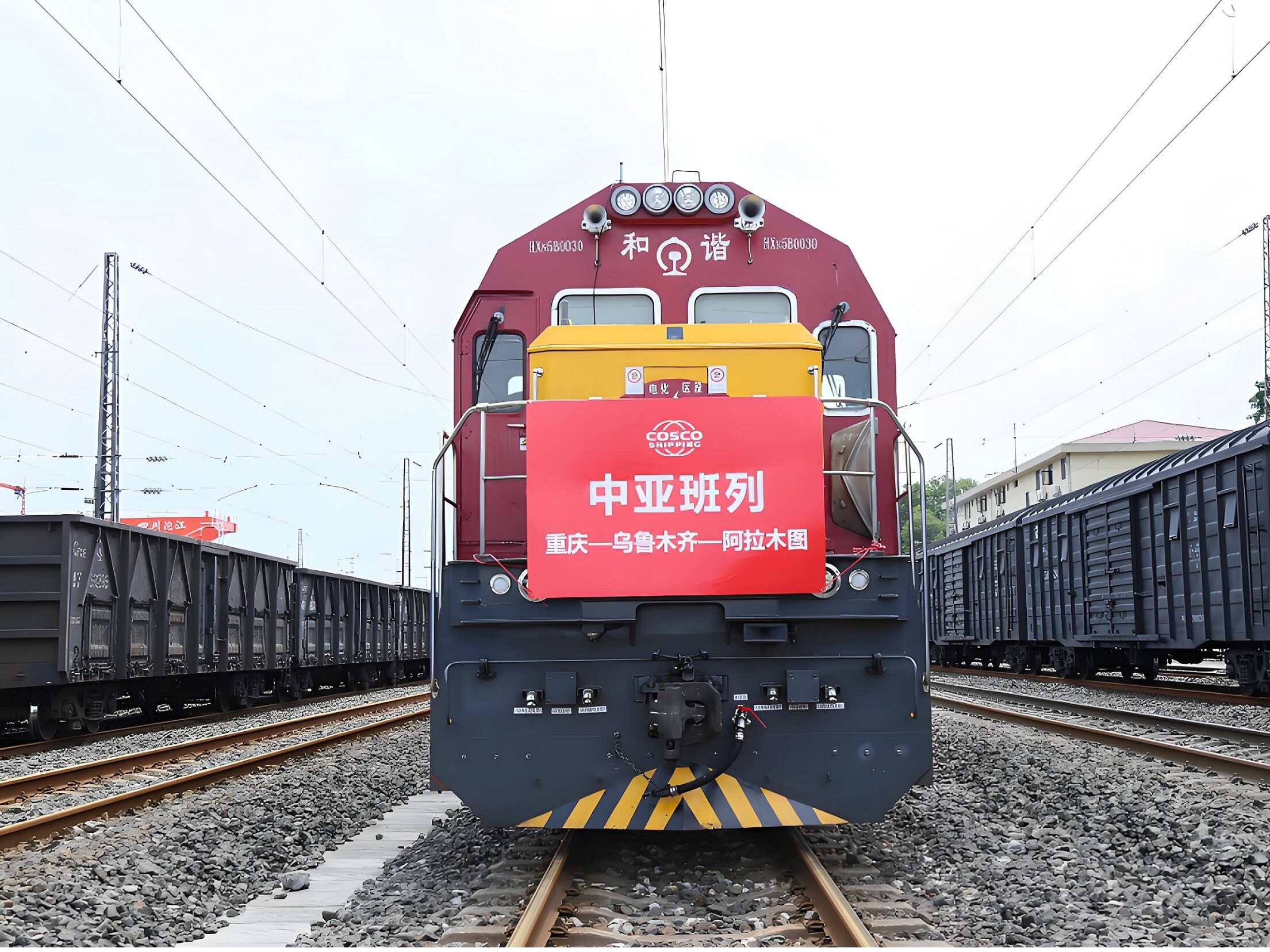
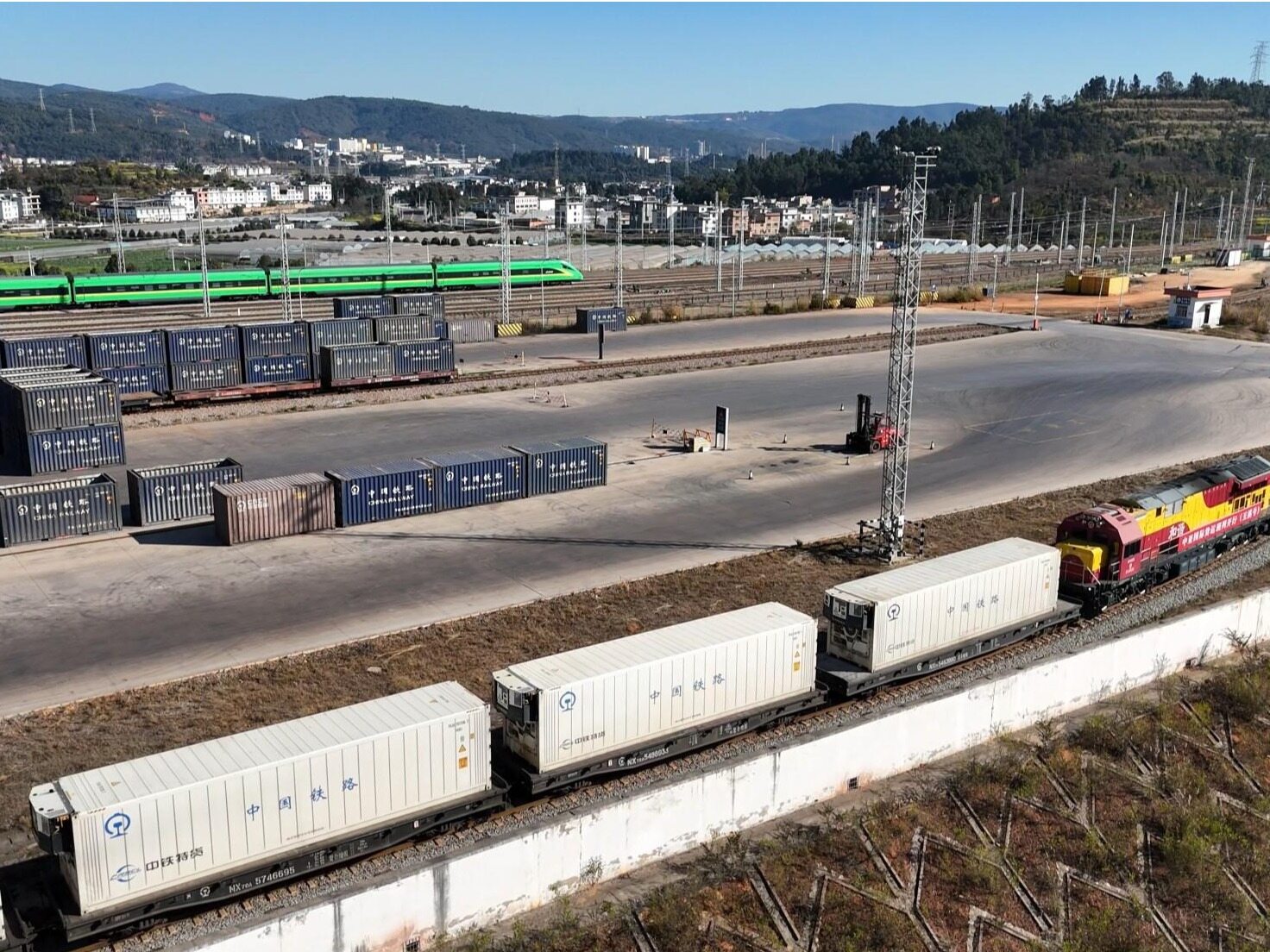
Recently, a cross-border freight train loaded with 55 containers officially departed from Altenkol Station in Kazakhstan, passed through Uzbekistan and Turkmenistan, and finally entered Iran through the Sarahez Port. This marks the completion of the first full load test of the China Central Asia Iran railway cross-border transportation corridor. The train has completed the cargo grouping at Chengdu Chengxiang Station, carrying passenger car parts, daily consumer goods, and multi category consolidated goods, covering a total distance of over 6000 kilometers and connecting the borders of four countries. It only takes 14 to 16 days to complete the entire transportation process. Unlike conventional cross-border trains in the past, this test is a targeted route verification at the industry level, laying a practical foundation for the subsequent normalization and opening of designated trains.
Uzbekistan's Hub Upgrade
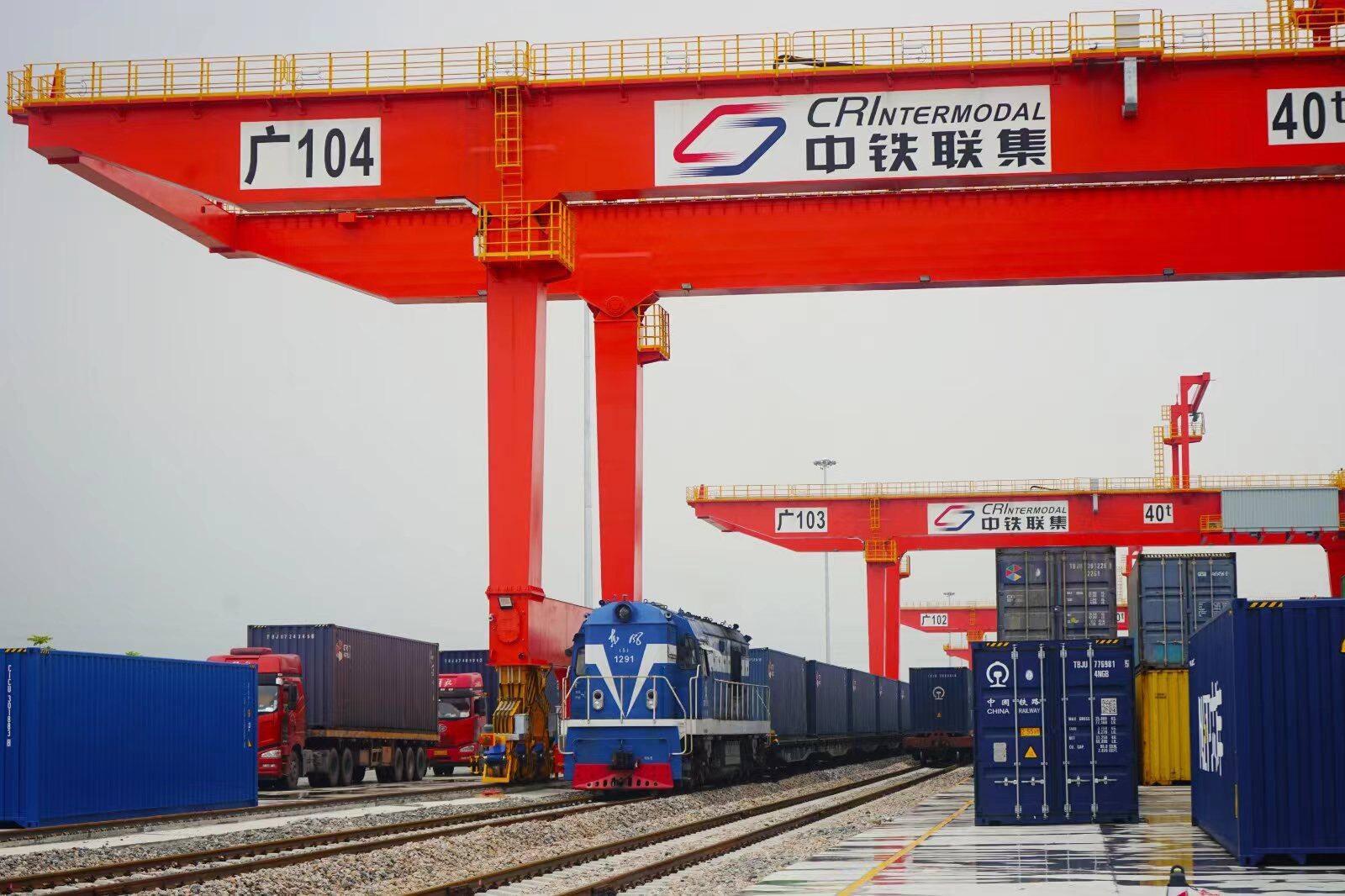
For a long time, Kazakhstan and Turkmenistan have been the core transit nodes in the China Iran cross-border logistics system, while Uzbekistan only undertakes regional north-south branch transportation and auxiliary transit functions for the China Europe freight train. The implementation of this new route has completely rewritten the logistics landscape in Central Asia. Uzbekistan Railway Container Company fully participates in route organization, cabin coordination, and cross-border coordination, officially entering the China Iran cross-border logistics industry chain. According to industry tariff information, a 0.60 tariff discount policy will be implemented for the entire year of 2026 in the Kles to Hojadaviet section of Ukraine, to activate new channel traffic with policy support. Relying on new routes, Uzbekistan has established a railway logistics network that connects the east and west, and links the north and south, connecting the Chinese market to the east and reaching Iran and the hinterland of West Asia to the west, achieving an upgrade from domestic freight transit to cross-border distribution across the entire region.
Multi path alternatives enhance supply chain resilience
After the addition of the Uzbekistan transit mainline, the China Iran cross-border railway has completely rid itself of the single dependence on the traditional Kazakhstan Turkey line, which can effectively alleviate the problems of insufficient single line transportation capacity in Turkmenistan, congestion at the northeast port of Iran during equipment replacement, and border inspection delays. It provides multiple alternative routes for foreign trade enterprises and greatly improves the stability and risk resistance of cross-border supply chains. As a terminal gateway, the Sarahez Port in Iran currently has an annual comprehensive throughput capacity of 5 million tons. According to Iran's seventh development plan, the annual throughput capacity will be increased to 10 million tons through measures such as expanding stations, adding arrival and departure lines, and upgrading loading and unloading equipment. Data shows that the frequency of freight transportation on the China Iran railway has increased nearly fivefold, from 7 trains per year in previous years to 3 trains per month now, and the demand for normalized freight transportation continues to rise. Keywords: Cross border trains, international, infrastructure
Comprehensive capability of market-oriented commodity verification
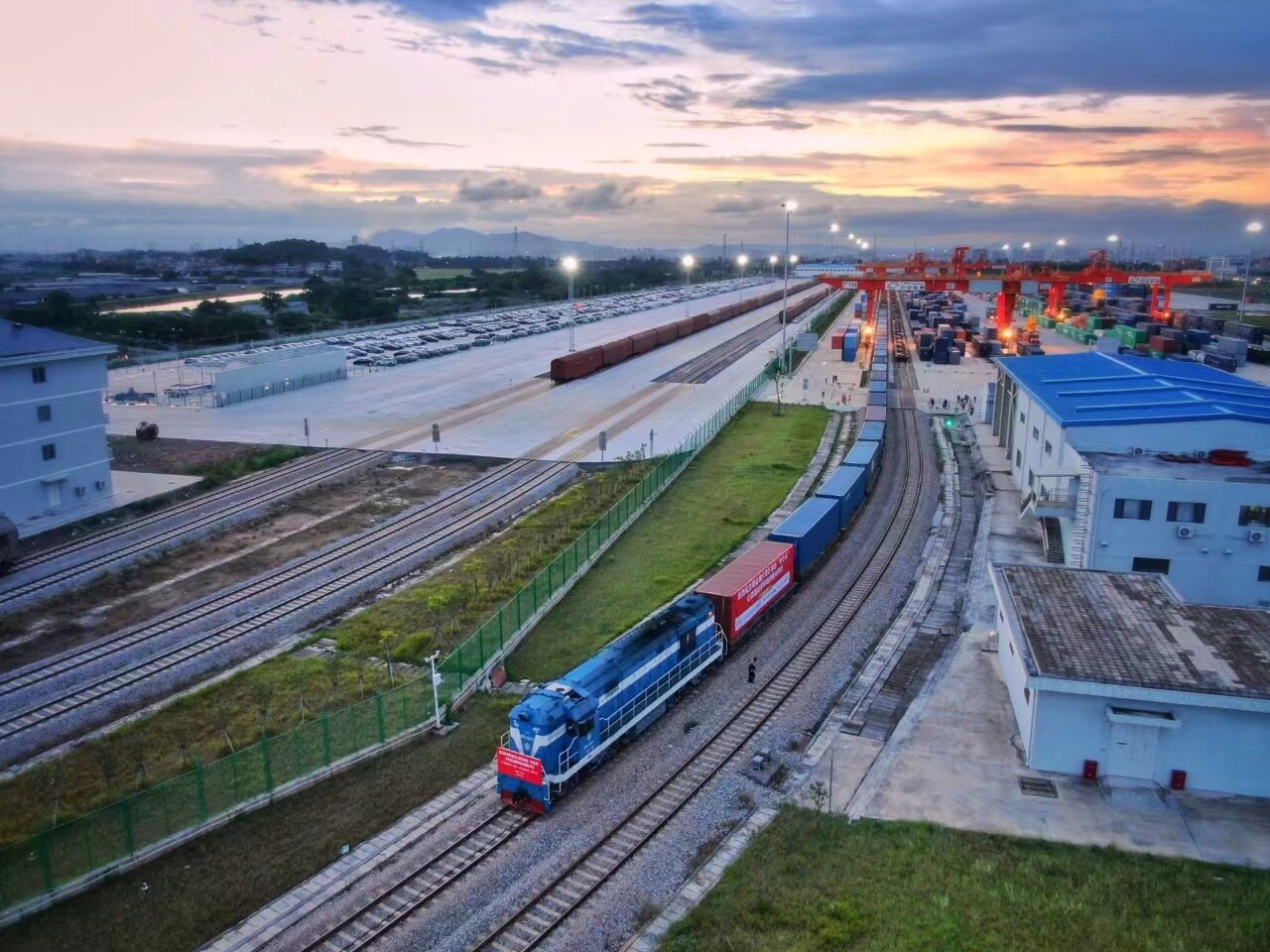
Different from the traditional cross-border railway transportation mode that focuses on bulk resources such as energy and minerals, this train is equipped with three types of market-oriented goods: passenger car parts, daily consumer goods, and multi category consolidated goods. Automotive parts have strict requirements for transportation efficiency, packaging standards, and customs clearance processes. Daily consumer goods rely on stable schedules to ensure market supply, while mixed and consolidated goods test the collaborative capabilities of multiple ports for transit, warehousing, and dismantling. A real load test simultaneously verified three core capabilities: the stable supply capacity of the Southwest China marshalling hub, the efficient connection capability of different track gauges and dispatch systems in the four Central Asian countries, and the customs clearance adaptation capability of Iran ports for high value-added civilian goods. This 6000km new Asia Europe land sea channel is a substantial achievement of the the Belt and Road connectivity between Central Asia and West Asia. Once fully normalized, it will fully activate the logistics potential of Central Asia and become the core artery for China to connect with the markets of Central Asia and West Asia.Editor/Gao Xue
Comment


 Praise
 Collect
 Comment

 Share
Share


Write something~