 Search


- Pearl Technology Supports Shearwater South American Offshore Exploration Project Launch Soon
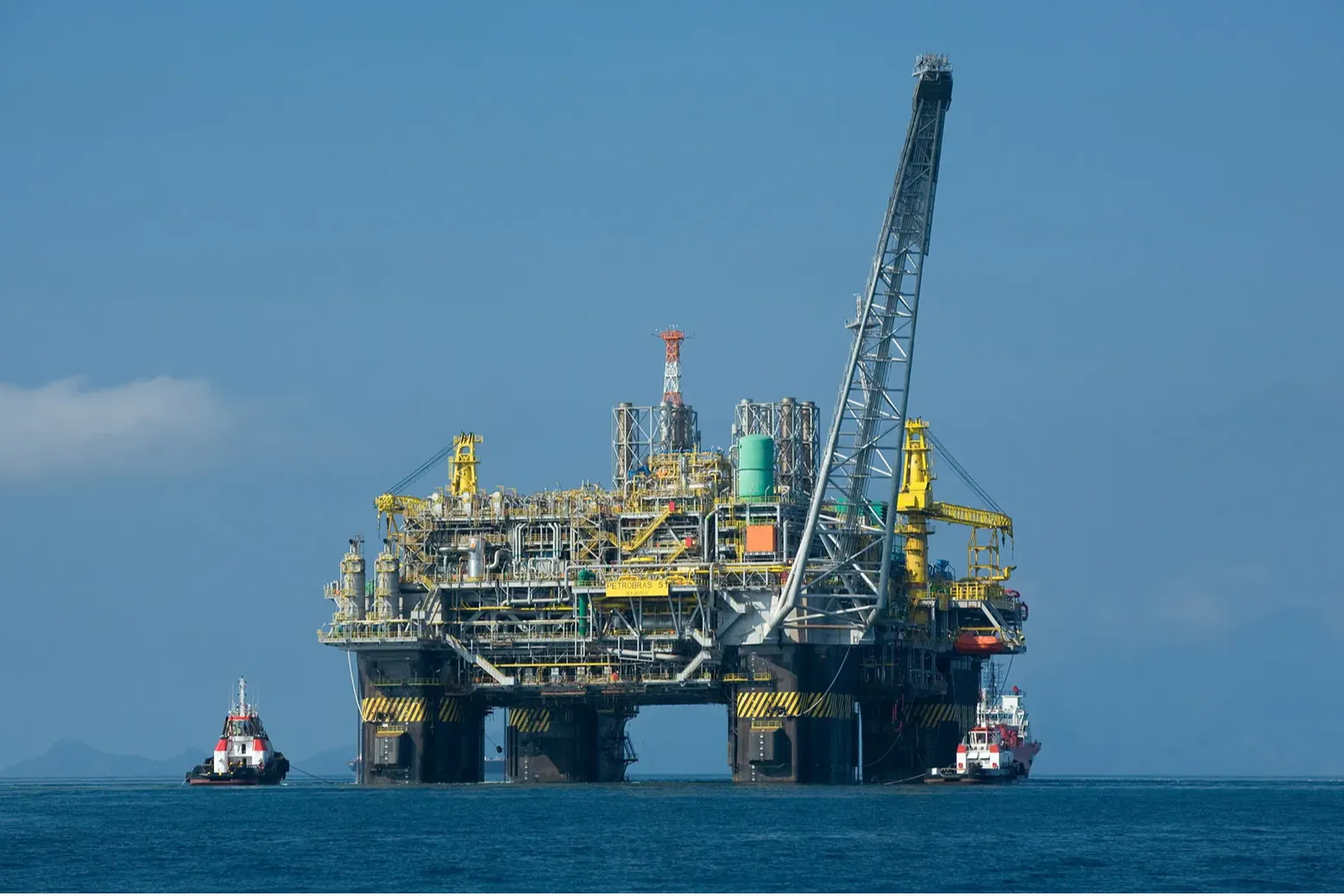
A three-year contract for seismic acquisition of underwater nodes has officially landed next to the exploration ship fleet in the South Atlantic. Norwegian marine seismic exploration service provider Shearwater Geoservices has won a large-scale oil and gas project in South America, and the global competition for deepwater oil and gas exploration technology is further intensifying as the new operating season approaches.
Fleet and technology are synchronized in place
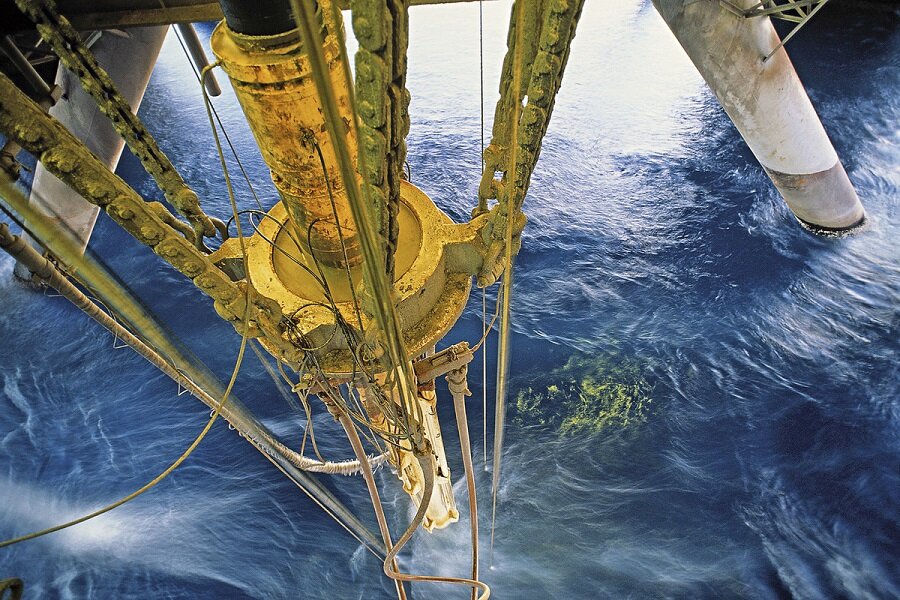
Shearwater will deploy the SW Tasman operation vessel, equipped with self-developed Pearl underwater node technology to complete the entire process of seismic data acquisition. SW Gallien will be responsible for supporting seismic source operations, and the two vessels will maintain continuous operation throughout 2027.
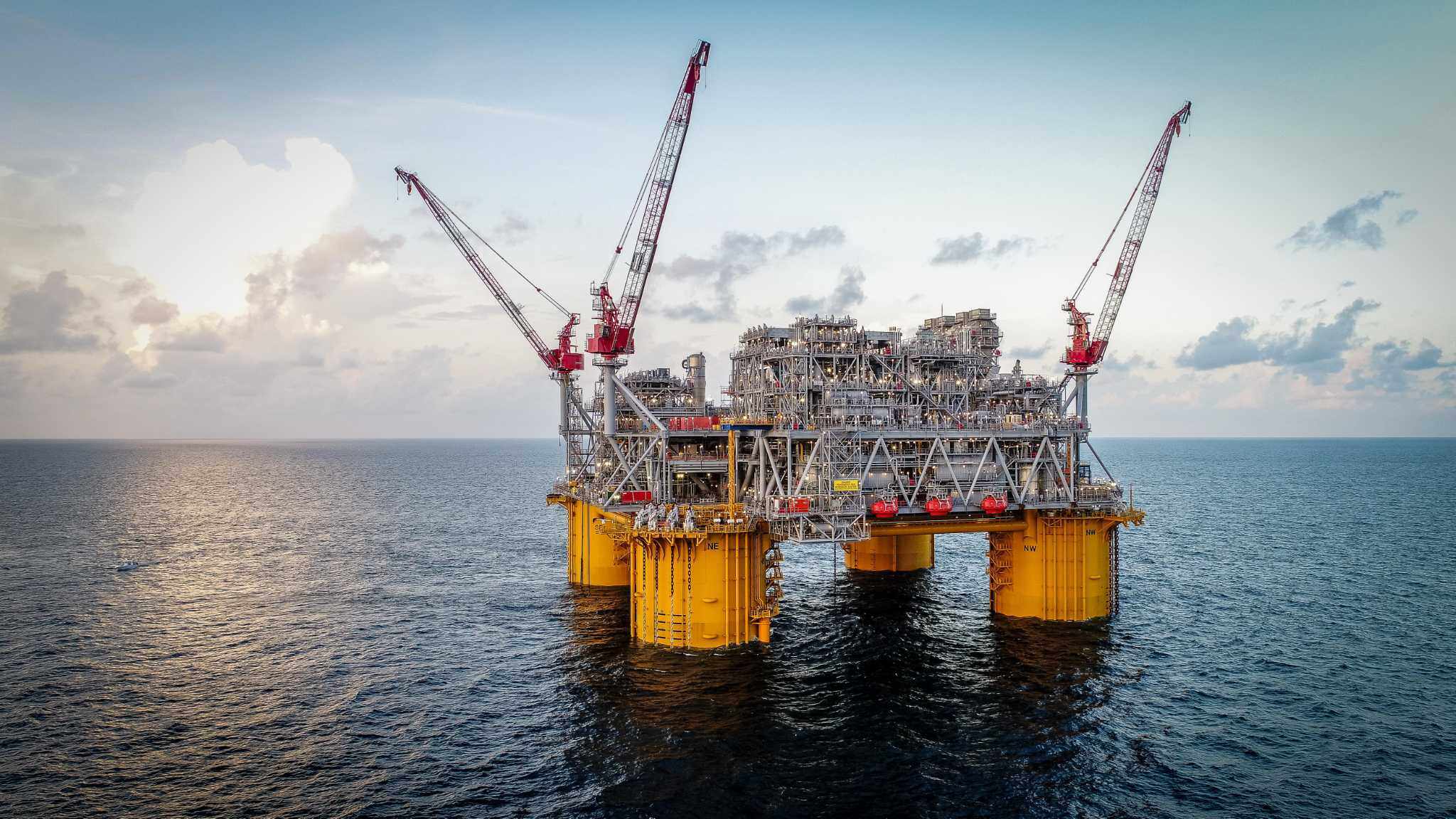
This three-year contract sets a fixed scope of work for the first and third years, while reserving a flexible project framework. Customers can add additional work orders during the contract period. The project is scheduled to officially launch in the fourth quarter of 2026, and the first batch of node deployment operations will be completed within November. The second phase of fixed operations is planned to start by the end of 2028, with an overall duration of about 10 months. At present, two operating ships have completed the final round of equipment upgrade and debugging. The underwater endurance of Pearl nodes has increased by 32% compared to the previous generation product, and the daily average node recovery efficiency of a single ship has increased by 27%, which can cover the full cycle operation requirements in complex sea conditions near South America.
Accelerate the layout of the South American exploration market
Prior to the announcement of this contract, Shearwater had just partnered with SLB to launch the Amap á 3D multi client seismic exploration project off the coast of Brazil, targeting the oil and gas data demand in low exploration areas along the equatorial edge. Keywords: oil and gas projects, offshore oil
The two consecutive South American projects have extended Shearwater's operational coverage in the eastern waters of South America, from the Amap á Sea in northeastern Brazil to the surrounding areas of the Santos Basin, resulting in an overall market share increase of 11 percentage points compared to the same period in 2025. As one of the most active frontier regions for deepwater oil and gas exploration in the world, South America is attracting global oil service companies to continue entering with the new generation of underwater node technology, and a new round of high-precision seismic data acquisition cycle has quietly begun.Editor/Cheng Liting
Comment




 Praise
 Collect
 Comment

 Share
Share


Write something~