 Search


- Replacing road transportation with pipelines to reduce logistics costs and strengthen Djibouti's position as an energy transit hub
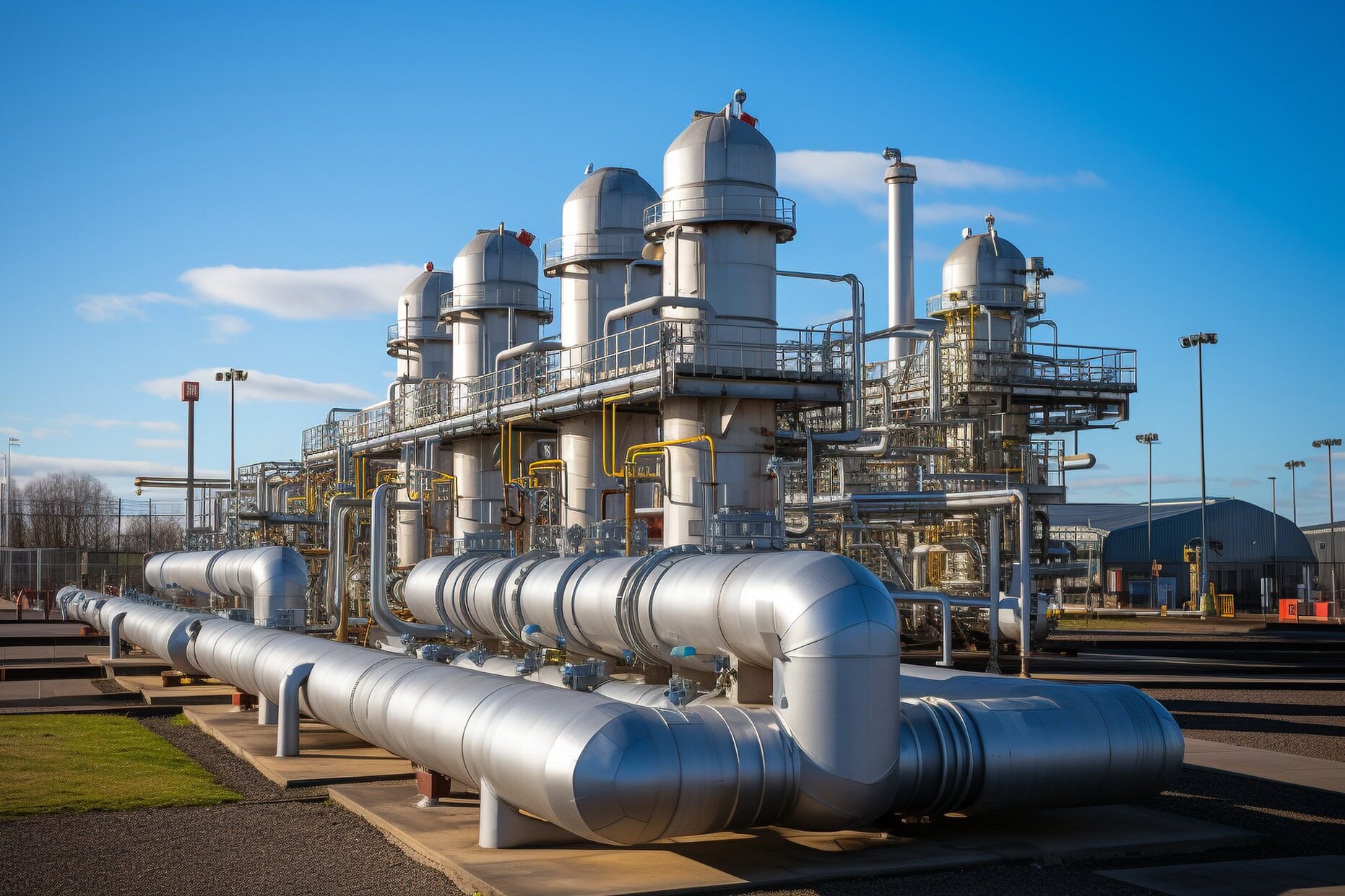
Recently, according to Ethiopian official media Fana, Ethiopian Investment Holding Corporation announced that Ethiopia and Djibouti will establish a joint venture with Dangote Group to jointly invest 660 million US dollars in the construction of refined oil pipelines and supporting storage facilities. This pipeline connects Damelchog in Djibouti and Deweil in Ethiopia, mainly used for transporting refined petroleum products. Aliko Dangote, President and CEO of Dangote Group, appeared on the Lagos Stock Exchange in Nigeria on September 14, 2026, to participate in the IPO related activities of Dangote Refinery. This cross-border oil pipeline project is also an important part of the group's East African energy layout. Ethiopia highly relies on Djibouti Port as its core sea route, and its refined oil products have long relied on port imports. After the new pipeline is put into operation, it will replace a large number of oil tanker truck road transportation modes, significantly reducing the land logistics cost of refined oil products.

Pipeline replaces road transportation
After the new pipeline is put into operation, it will replace a large number of oil tanker road transportation modes, significantly reduce the logistics costs of refined oil by land, reduce road transportation losses and traffic accidents, enhance the stability of energy supply in Ethiopia, and also strengthen Djibouti's position as an energy transit hub in East Africa. The project includes pipeline construction, oil storage tank area, pump station and other projects, and there are business opportunities for supporting materials, engineering machinery, and engineering services; The project is a tripartite joint venture, with sustainable tracking of bidding announcements. After the completion of the project, the demand for transportation of finished oil by road tanker trucks in Ethiopia will gradually shrink. Enterprises engaged in fuel land transportation and tanker truck trade need to anticipate market contraction risks in advance.
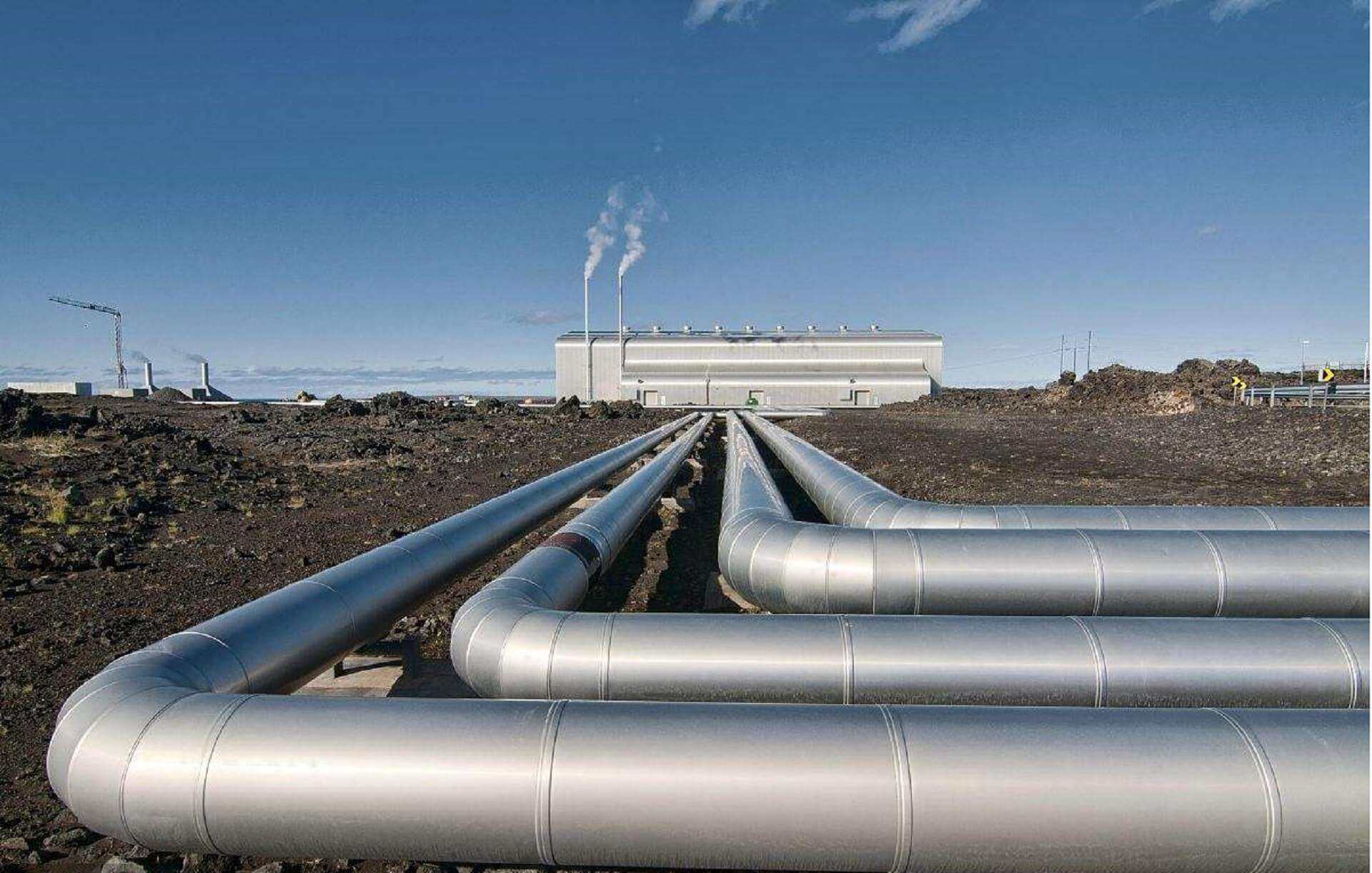
Strengthening Djibouti's hub position
Djibouti is the core seaport of Ethiopia, and this pipeline project will drive the upgrading of port oil storage facilities and enhance the value of the energy industry chain along the Red Sea coast of East Africa. From Damelchog to Weile, this cross-border pipeline not only connects the two countries, but also links the energy supply chain in the Horn of East Africa. With the continuous promotion of Dangote Group's energy layout in East Africa, Djibouti's position as a regional energy transit hub will be further consolidated, providing a more stable and efficient channel guarantee for the supply of refined oil products to Ethiopia and surrounding countries. Keywords: Infrastructure News Network, Oil and Gas Pipeline, International
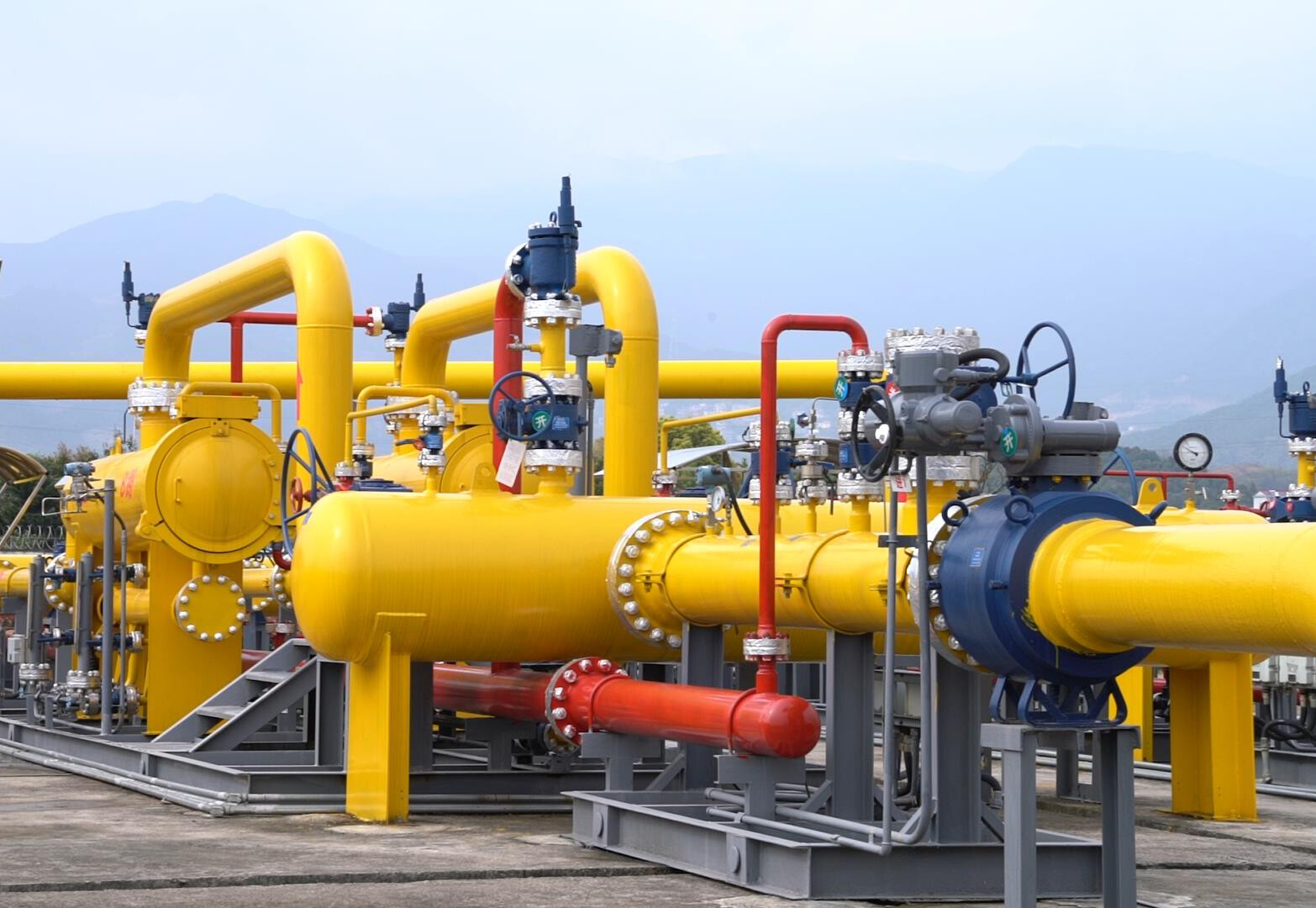
Cross border engineering risks and opportunities
Cross border projects involve land acquisition, environmental impact assessment, customs clearance, and energy regulatory approval in both countries. The construction period is long, and the implementation progress is easily affected by policies and geographical factors. For Chinese enterprises interested in participating, there are business opportunities for pipeline construction, oil storage tank areas, pump stations, and supporting materials, engineering machinery, and engineering services. The project is a tripartite joint venture model, and the release pace of the bidding announcement will determine the opening time of the procurement window. The value enhancement of the energy industry chain along the Red Sea coast of East Africa also brings new market space for port supporting, logistics warehousing, and engineering service enterprises.Editor/Gao Xue
Comment


 Praise
 Collect
 Comment

 Share
Share


Write something~