 Search



Construction Frontline
China and Saudi Arabia join hands to jointly build the Energy Silk Road
10-10
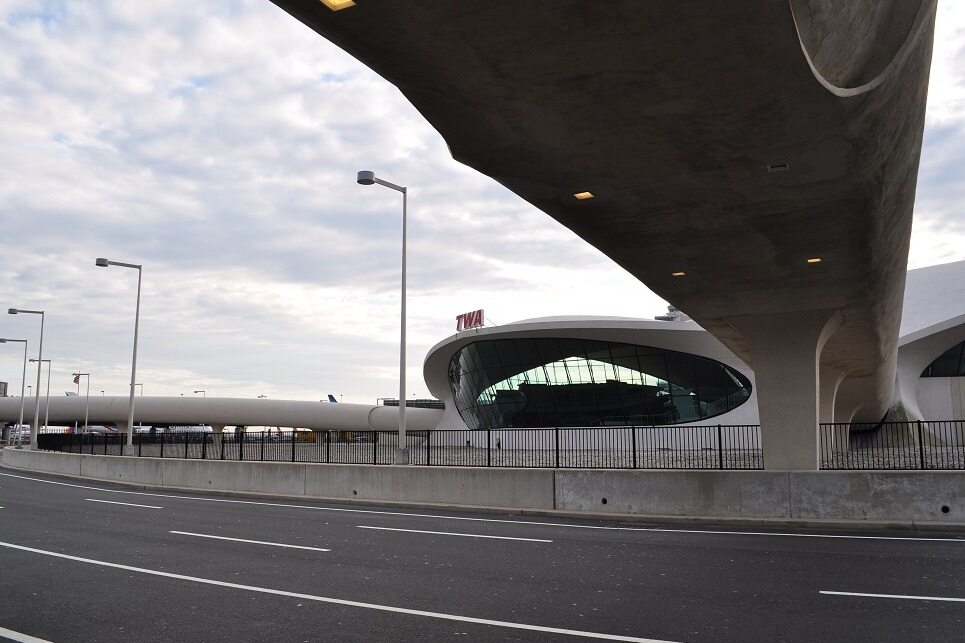
In the early morning of Lagos, the traffic between the terminals is still busy, and a brand new departure bridge is quietly connecting, separating the departure and arrival traffic clearly. On October 6, 2026, the main structure of the departure bridge for the renovation project of Lagos International Airport Terminal 1, which was undertaken by China Civil Engineering, was successfully completed. This airport, which has served for many years, has undergone its largest upgrade since its operation. After completion, the annual passenger support capacity is expected to jump from 7.5 million to 14.7 million, almost doubling.
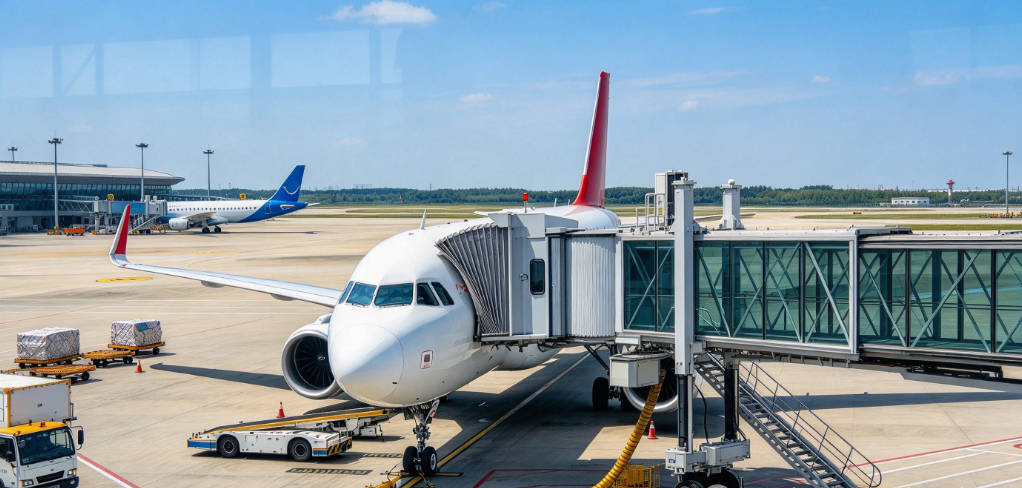
Bridge hub
The main body of the departure bridge is connected, which is a key link in upgrading the land-based transportation hub of the terminal building. The total construction area of the project is approximately 127000 square meters, and the upgrade covers the reinforcement of the main structure, mechanical and electrical systems, curtain walls, roof updates, and reconstruction of connecting roads. After the departure bridge is put into use, it will achieve effective diversion of departure and arrival traffic, strengthen the connection between T1 and T2 terminals, and reserve T3 interface. During the construction period, the project team coordinated the demolition of temporary bridges, existing roads, permanent bridges, and other processes, and carried out meticulous construction in different time periods to ensure the normal operation of the airport. Approximately 240 Chinese personnel and 2180 local Nigerian employees will be deployed on-site, and the external road and bridge sections are expected to be completed and delivered by the end of 2026. Keywords: Nigeria, Lagos airport renovation
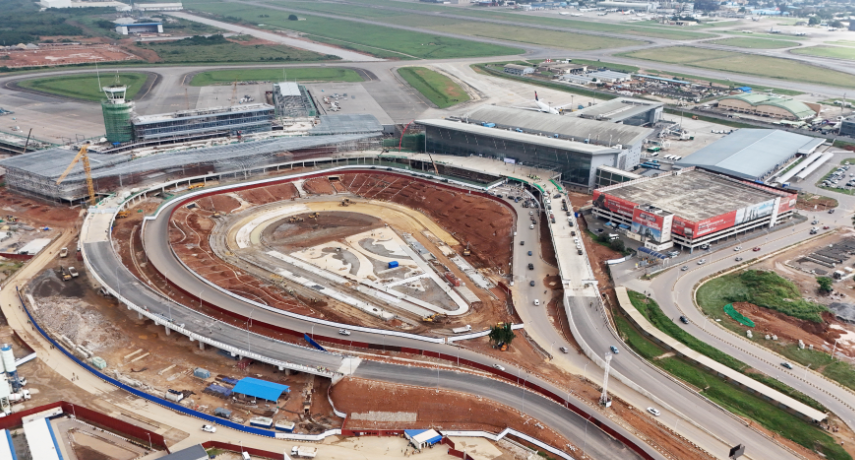
Air rail double track
China Civil Engineering's layout in Nigeria goes far beyond this airport. The new international terminal in Lagos was constructed by them, and the T1 renovation was awarded again; The first and second phases of the Lagos Light Rail Red Line are both approved by the central standard, and the entire line adopts Chinese technical standards. In 2026, we won the bid for the XEJET Terminal Complex project in Abuja and were instructed to restart the second runway of Abuja Airport, which had been on hold for nearly 20 years, at an estimated cost of nearly 400 billion naira. From railways to airports, from Lagos to Abuja, China and Turkey have formed a dual track and aviation layout in Nigeria's transportation infrastructure. The bidding for equipment such as curtain walls, HVAC systems, and baggage handling systems has been initiated in batches, and opportunities for future procurement will continue to be released.Editor/Min Jing
Comment

 Praise
 Collect
 Comment

 Share
Share


Write something~