 Search


- Providing stable, predictable, and round-trip logistics support for South China manufacturing to go global
- This is not only a new channel, but also directly connects the Greater Bay Area home appliance industry belt with the Central Asian market
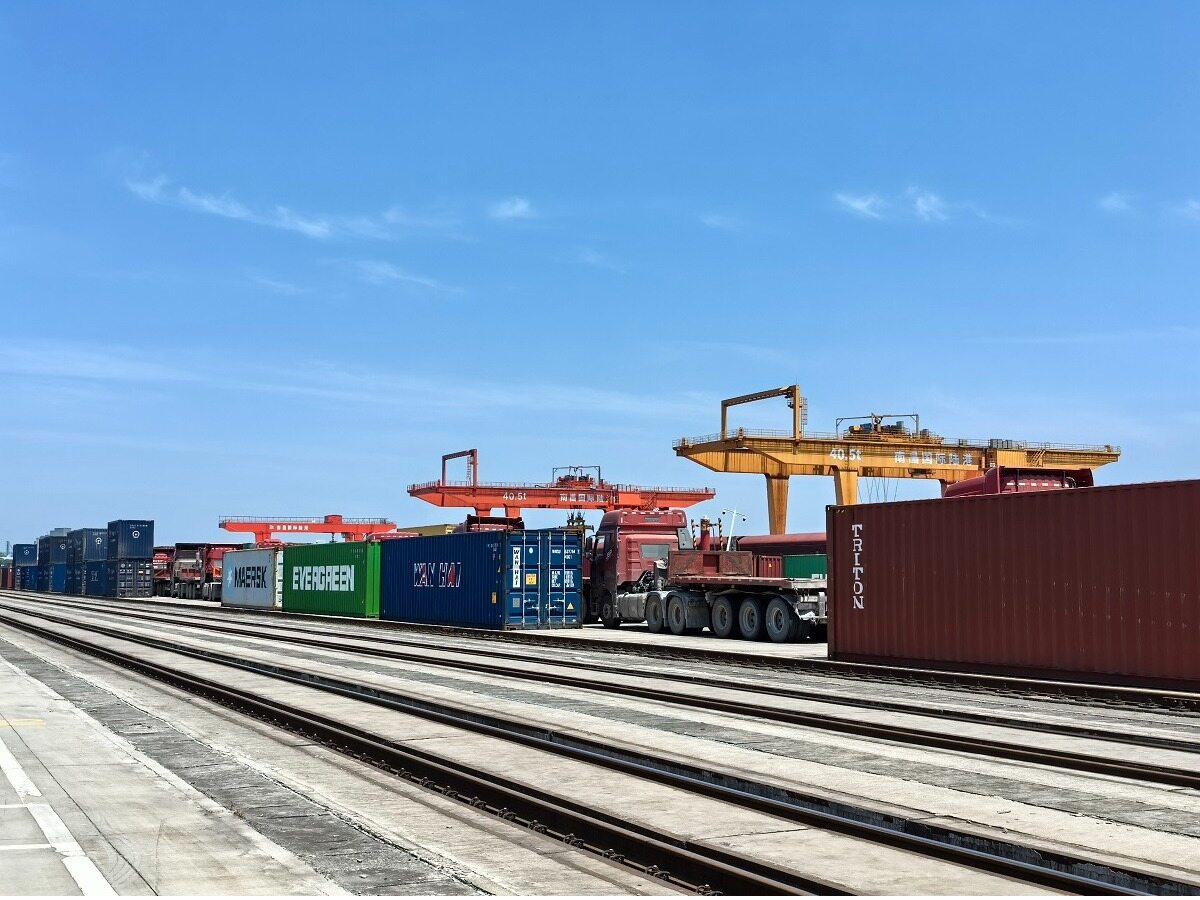
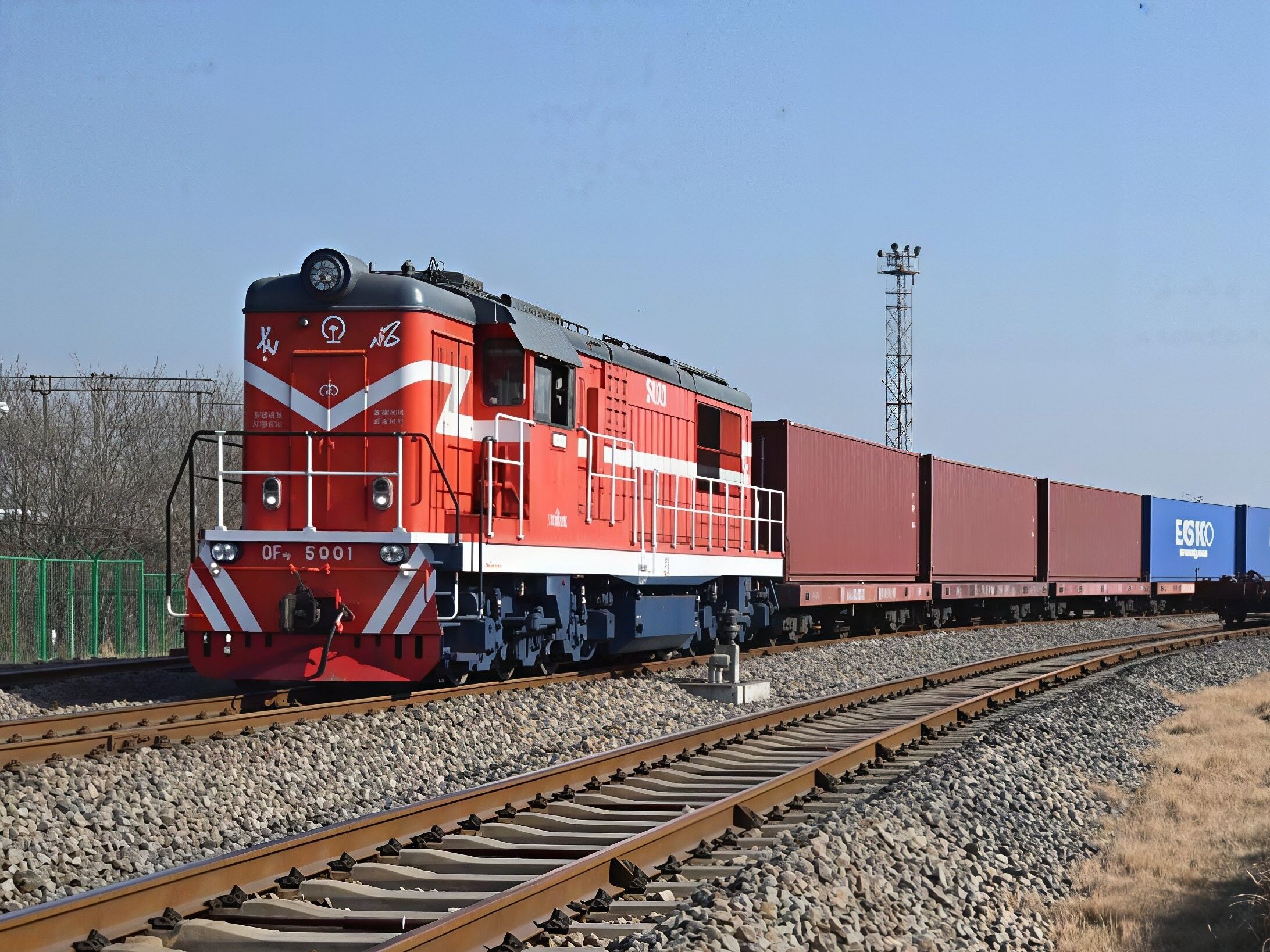
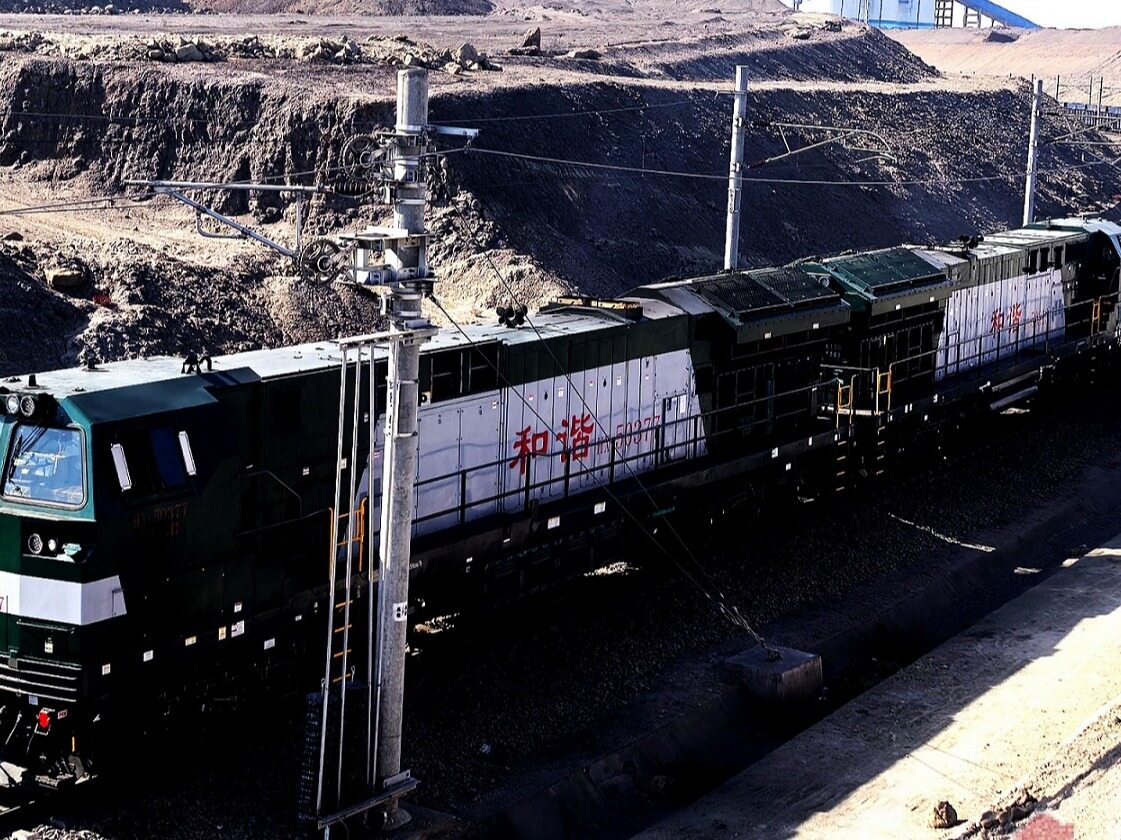
At Guangzhou International Port in the early morning, gantry cranes take off and containers queue up to enter. With a whistle, a Central Asian international special train loaded with Midea household appliances slowly pulled out of the platform. There are 50 containers on board, containing air conditioning, refrigerators, and other products manufactured in the Greater Bay Area. They will travel westward and are expected to arrive in Alamutubulunde, Kazakhstan in 18 days.
From workshop to platform
The owner of this batch of goods is a manufacturing enterprise located in the Pearl River Delta household appliance industry belt. South China has a strong foundation in home appliance manufacturing and is active in both domestic and international sales. However, selling home appliances to Central Asia is not easy: there are many types of goods, difficult assembly and organization, few train schedules, and poor cross-border links. If any link is stuck, the delivery time will be discounted.
To this end, the COSCO Shipping consolidation center, China Railway Union Guangzhou central station, and South China consolidation jointly organized shipment, formed a special team to tackle challenges, and carefully deployed around the links of cargo consolidation and storage, on-site loading and unloading, integrated customs clearance, and train scheduling, to break through business bottlenecks and ensure the fast and orderly shipment of large quantities of household appliances.
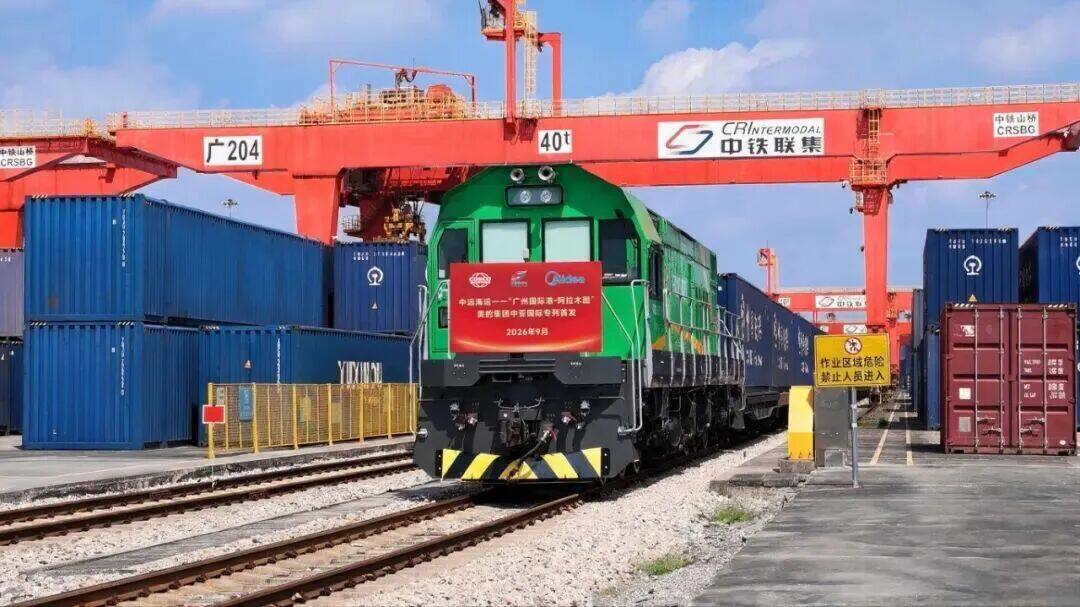
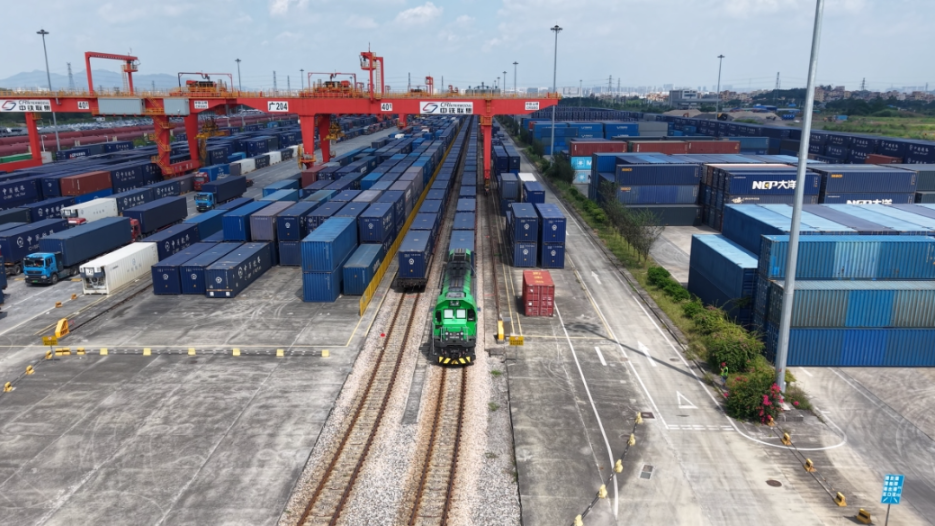
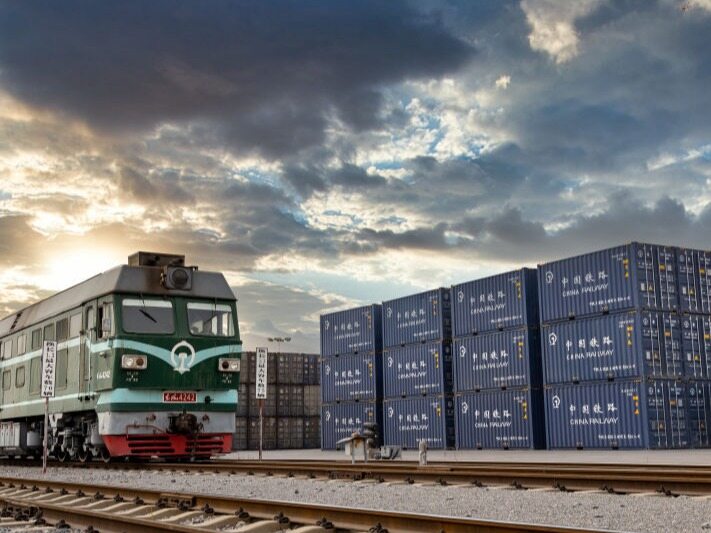
The special train relies on the Guangzhou International Port railway hub to gather goods from the Greater Bay Area, gather and load nearby, and reduce short distance transportation. As the largest railway container center station in southern China, Guangzhou International Port's trains have reached more than 20 countries and 40 cities in Europe and Asia, serving over 5000 foreign trade enterprises. The proportion of high value-added goods continues to increase, making it one of the main channels for manufacturing westward in the Bay Area.
Arrived in Central Asia in 18 days
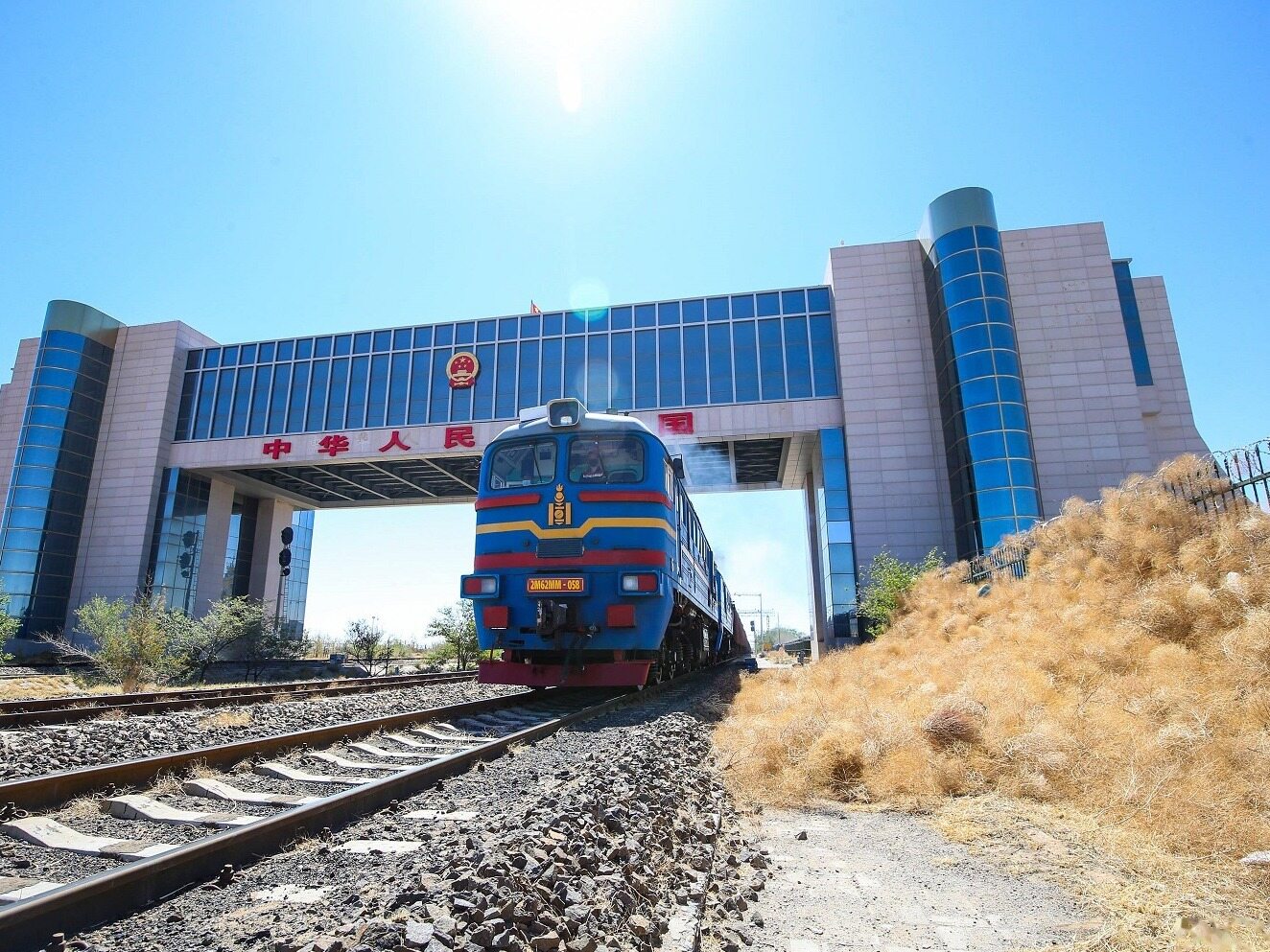
This special train runs directly by railway throughout the entire journey, with a stable transportation cycle of around 18 days, which can meet the needs of customers for large-scale shipments. Compared to the one month cycle of ocean sports, the delivery time is more controllable, and the enterprise's production scheduling, stocking, and delivery can all be accurately calculated.
In terms of service mode, the dedicated train provides one-stop closed-loop services for cargo collection, packing, customs clearance, cross-border transportation, and overseas delivery, with customers only needing to connect to one window. The final destination of the Burundai Station is located in the outskirts of Almaty, covering a total area of 650000 square meters. The monthly processing capacity of train services reaches 100 trains, providing comprehensive services such as warehousing, customs clearance, bonded transportation, and supply chain management. After the goods arrive at the station, they can be quickly distributed to various parts of Central Asia.
Double in and double out running
The special train also adopts a heavy in and heavy out mode, with outbound cargo and return cargo organized to activate the two-way supply of goods, reduce the cost of empty container transportation, and connect the two-way logistics chain of domestic cargo collection and overseas cargo return. This approach is becoming a consensus in the industry, with more than half of the return trains in many hubs, and the two-way equilibrium pattern continues to consolidate.
After the special train arrives in Almaty, COSCO Shipping will continue to deepen internal resource linkage, ensure the organization of return cargo sources and container source scheduling, improve the efficiency of container turnover and utilization, and build an efficient and stable logistics link between the domestic and Central Asian markets.
Next, COSCO Shipping will rely on the Western Land Sea New Corridor and the China Europe Central Asia freight train network to continuously tap into the overseas demand of local manufacturing enterprises, refine customized supply chain solutions, and provide high-quality cross-border logistics services to help more local enterprises in South China expand their overseas markets.Editor/Yang Meiling
Comment

 Praise
 Collect
 Comment

 Share
Share


Write something~