 Search


- Talgo's multi line layout for high-speed rail development and bidding in Europe advances simultaneously
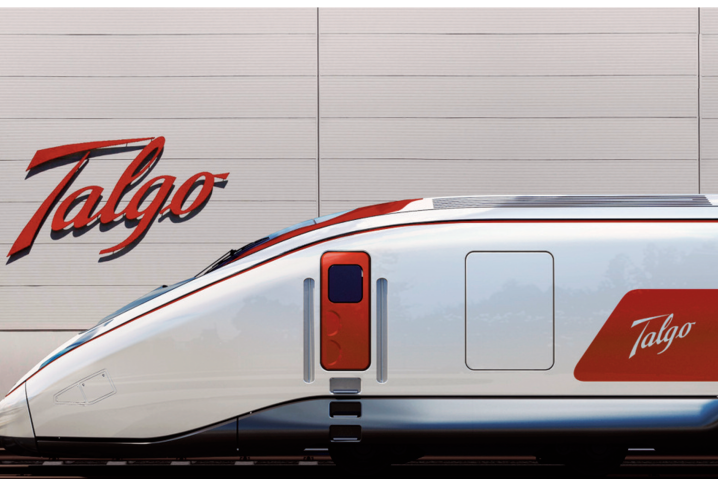
In the R&D workshop in Madrid, engineers are debating details around a new train with the code name BasqTrain 35 written on the blueprint. This Spanish car company is working hard to build a new generation of high-speed trains, while also worrying about the malfunctions of existing models. At the same time, it is keeping an eye on two large orders from Poland and Portugal, and its pace is so fast that it is overwhelming.
R&D and Shortcomings
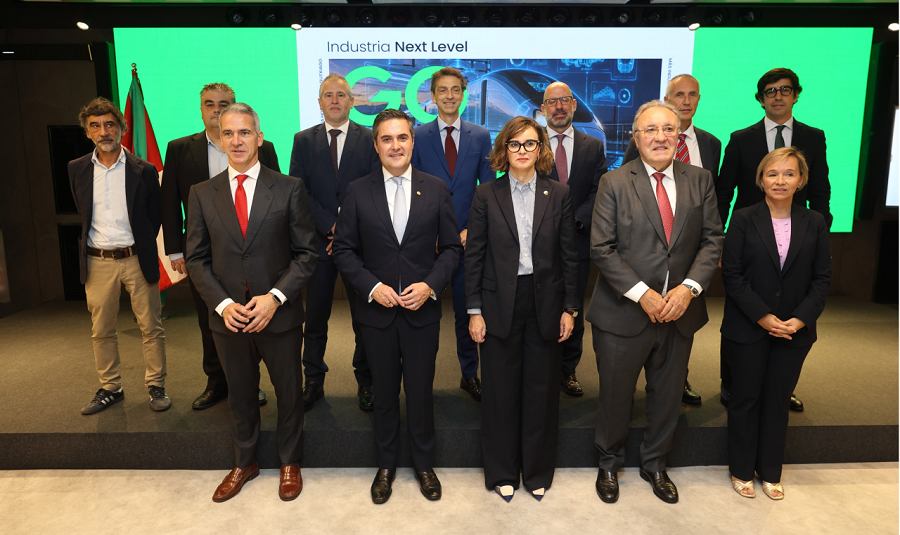
The railway authorization procedures vary among European countries, and vehicles require repeated certification, resulting in high costs. Talgo has taken the lead in launching the BasqTrain 35 project to develop cross-border universal high-speed trains. The project will last for three years with a total investment of 105 million euros, of which 78 million will be used for research and development. It is expected to create more than 140 high skilled jobs in the Basque Country. But its existing models are not worry free. The Talgo 230 has an average of one failure every 5200 kilometers in Denmark, far lower than the 25000 to 35000 kilometers of other high-speed trains; Avril has been shut down in Spain due to a series of bogie cracks. Keywords: Talgo, European high-speed rail
Polish Portuguese bidding
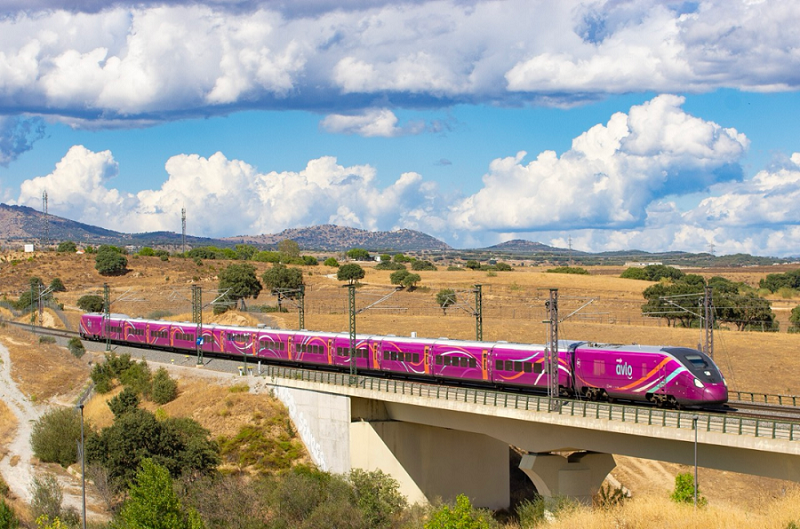
Talgo is still heavily betting on the European market, participating in the procurement of Poland's first high-speed train with a speed of 320 kilometers per hour. With a basic order of 20 trains, an additional 35 trains can be purchased, competing with Alstom, Siemens Mobility, and Hitachi Railways. In October of this year, the new generation Avril platform was launched, with a single train carrying more than 600 passengers and a maximum speed of 330 kilometers per hour. Portugal's first high-speed rail supporting train procurement basic order includes 12 additional trains, with a base price of 504 million euros. Talgo and Alstom have become the only two competitors through pre qualification, and Alstom is also its only competitor.Editor/Min Jing
Comment





 Praise
 Collect
 Comment

 Share
Share


Write something~