 Search


- China's sodium battery enters the European market with a new category, opening a new stage of going global
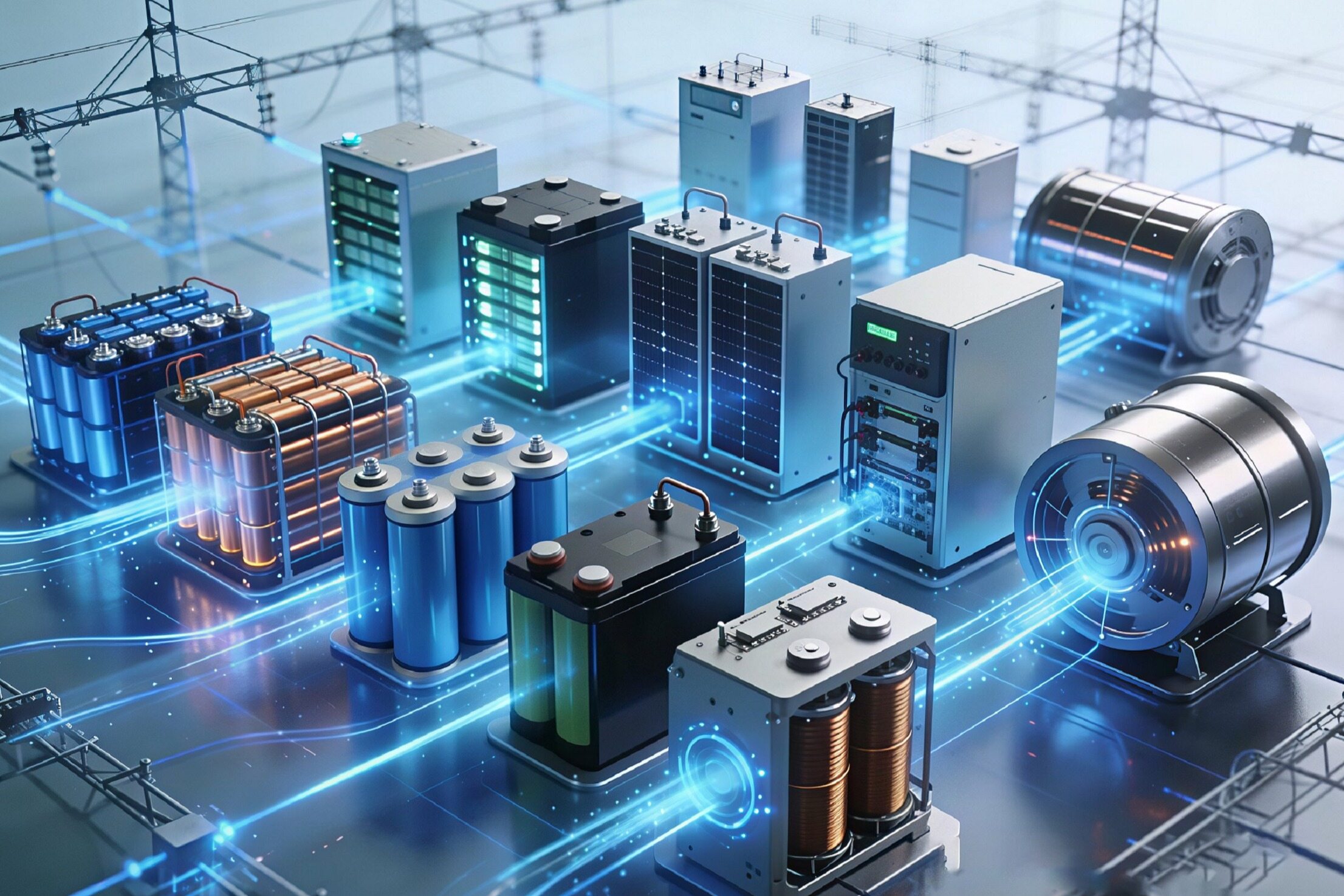
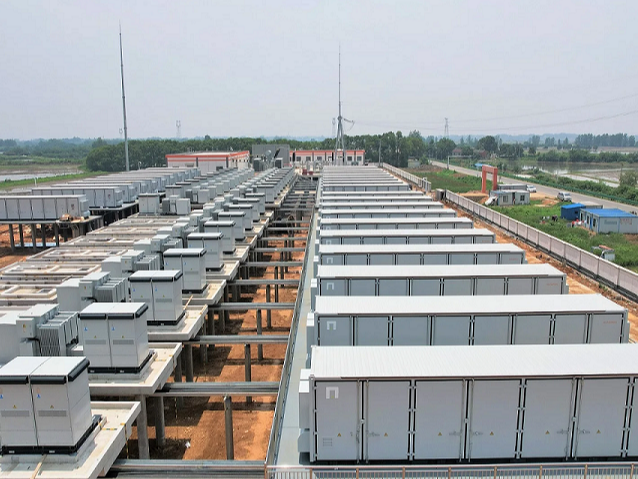
Recently, the CEO of German energy storage system integrator Intilion announced on LinkedIn that the company has signed an agreement with CATL to carry out energy storage project construction using sodium ion battery solutions in Germany, Austria, and Switzerland over the next five years, with a total scale of up to 3 gigawatt hours. CATL has already had two similar collaborations in Europe, with integrators Alfen and Eastern European company Solarpro, with a scale of 5 GWh and 2 GWh respectively. Chinese companies have entered the European energy storage market with the new category of sodium electricity, and the order scale has officially entered the gigawatt hour level.
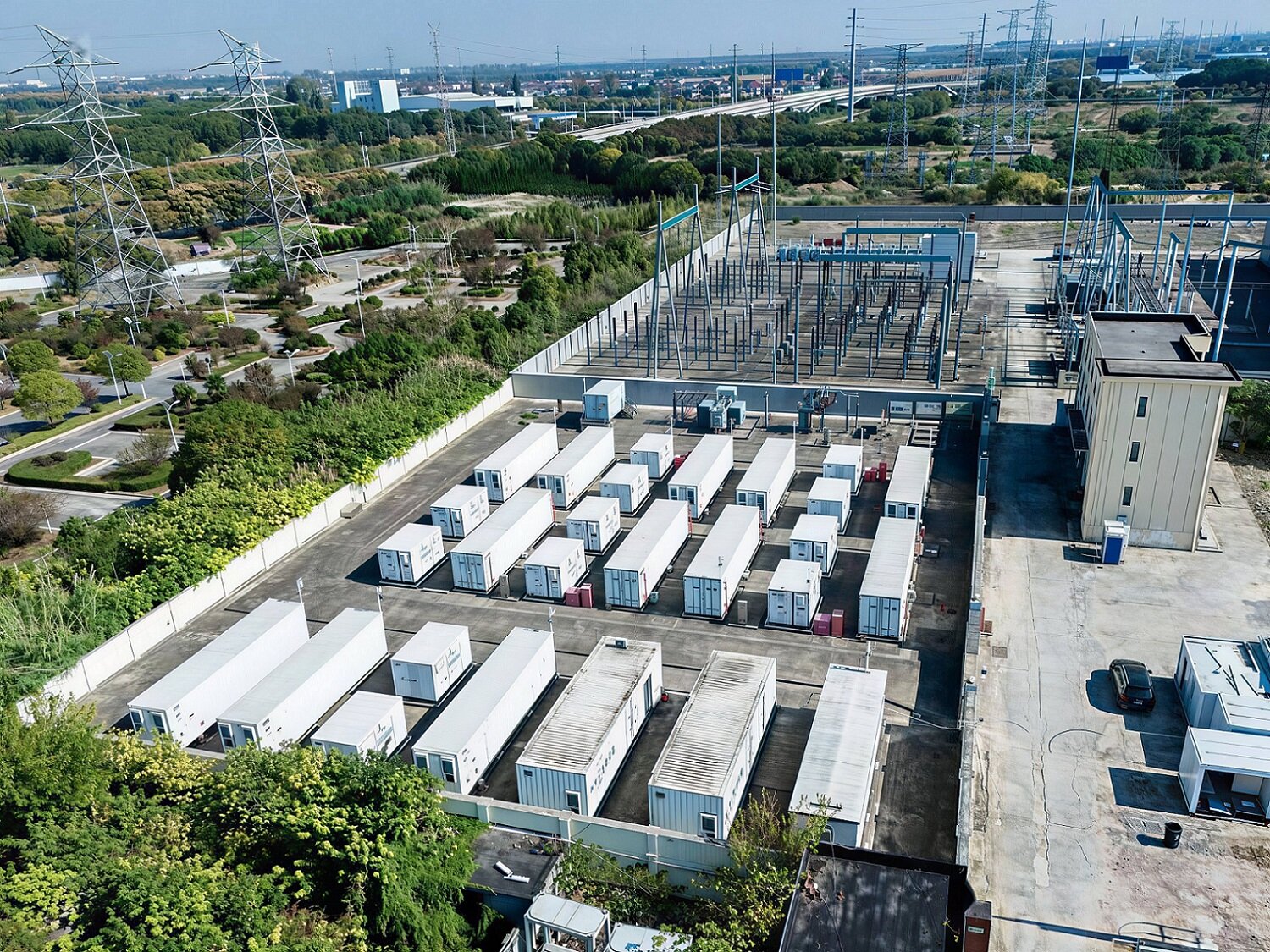
Sodium electricity delivery expands to Europe
Sodium ion batteries achieve charging and discharging through the migration of sodium ions between the positive and negative electrodes, and the raw materials do not rely on lithium or cobalt. CATL's sodium battery products have passed the pilot stage, with an energy density of 175 watt hours per kilogram and over 15000 cycles. The capacity retention rate under minus 40 degrees Celsius is higher than 90%, and it can operate in the range of minus 40 degrees Celsius to 60 degrees Celsius. The capacity of the energy storage dedicated model exceeds 300 ampere hours. The company will build a dedicated sodium electricity production line in June 2026 and deliver energy storage systems to domestic customers from September. The annual plan is to achieve gigawatt hour shipments, and the global market delivery is scheduled to start in June 2027. The production line can switch between lithium batteries and sodium batteries, and the shipment volume depends on market demand and the maturity of the industry chain.
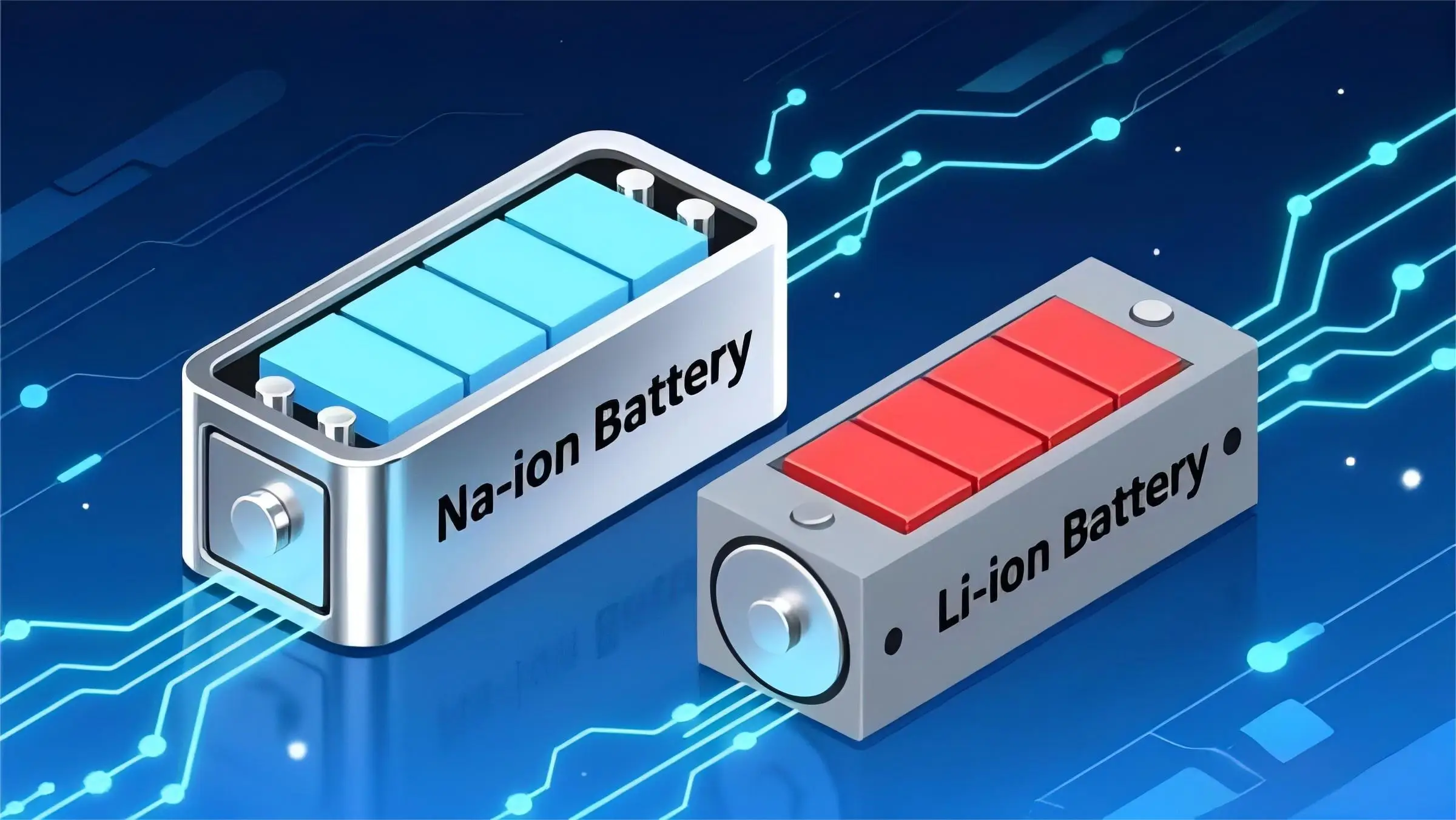
The cost gap continues to narrow
The cost difference between sodium batteries and lithium iron phosphate is narrowing. In the first half of 2026, the market average price of sodium batteries will be between 0.35 and 0.40 yuan per watt hour, while lithium iron phosphate will be between 0.38 and 0.42 yuan, with the price difference compressed to within 10%. The parity time point given by CATL is the end of 2026, while UBS's calculation puts the parity of battery cells in 2027 and the parity of battery packs in 2028. The cost curve of sodium electricity is inversely correlated with the price of lithium carbonate. Since the second half of 2025, the price of lithium carbonate has continued to rise, once returning to 200000 yuan per ton. The higher the lithium price, the stronger the downstream demand for sodium electricity alternative solutions. Huatai Securities' judgment is that when the price of lithium carbonate is higher than 81000 yuan per ton, the use of sodium electricity for energy storage is economically viable. Keywords: New Energy News Network, Energy Storage, International
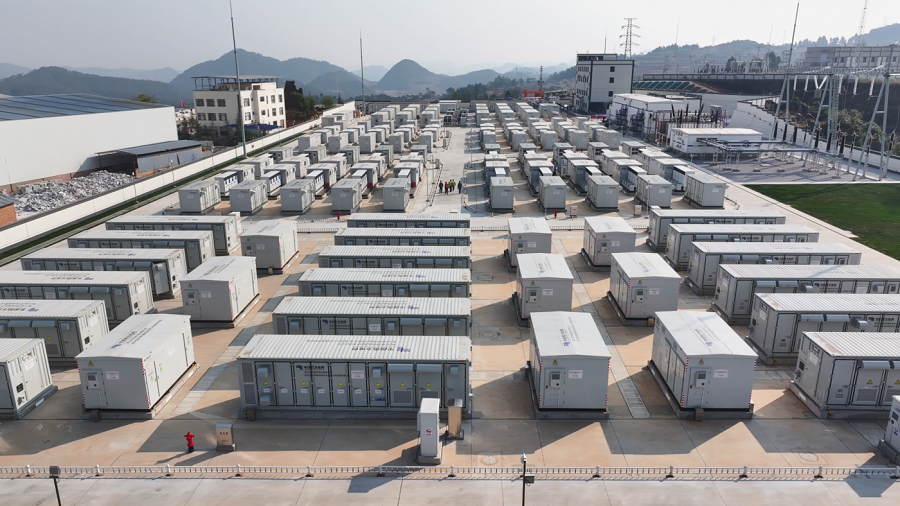
The threshold for Europe falls on carbon footprint
Rechargeable industrial batteries with a capacity exceeding 2 kWh need to pass the carbon footprint declaration before entering Europe. The EU battery regulations require this type of battery to complete a carbon footprint declaration, calculated separately by the manufacturing factory, and will be implemented from February 18, 2026. Starting from February 18, 2027, a digital battery passport must also be provided to record information such as carbon footprint, proportion of recycled materials, supply chain due diligence, and health status in the form of a QR code. The effective date of the due diligence obligation for the supply chain has been postponed to August 18, 2027. Domestic sodium electricity production capacity and orders account for the majority of the global market share. According to statistics from the Energy Storage Application Branch, there will be 36 new sodium electricity expansion projects in China from January to July 2026, with a total planned production capacity of 165.7 gigawatt hours and a total investment of over 60.5 billion yuan. China's sodium electricity production capacity, including those already in operation and planned to be over 400 gigawatt hours, is less than 12 gigawatt hours in total overseas. The incremental growth of sodium electricity is expanding the competitive dimension of domestic energy storage enterprises from quotation to certification, carbon data, and local services. The threshold for European orders has been moved forward to before products enter the market. Whoever builds a verifiable data chain first can occupy a position in the delivery of gigawatt hours.Editor/Gao Xue
Comment

 Praise
 Collect
 Comment

 Share
Share


Write something~