 Search


- Bank of America predicts that the liquid cooling penetration rate of newly built AI data centers worldwide will reach 70% by 2030
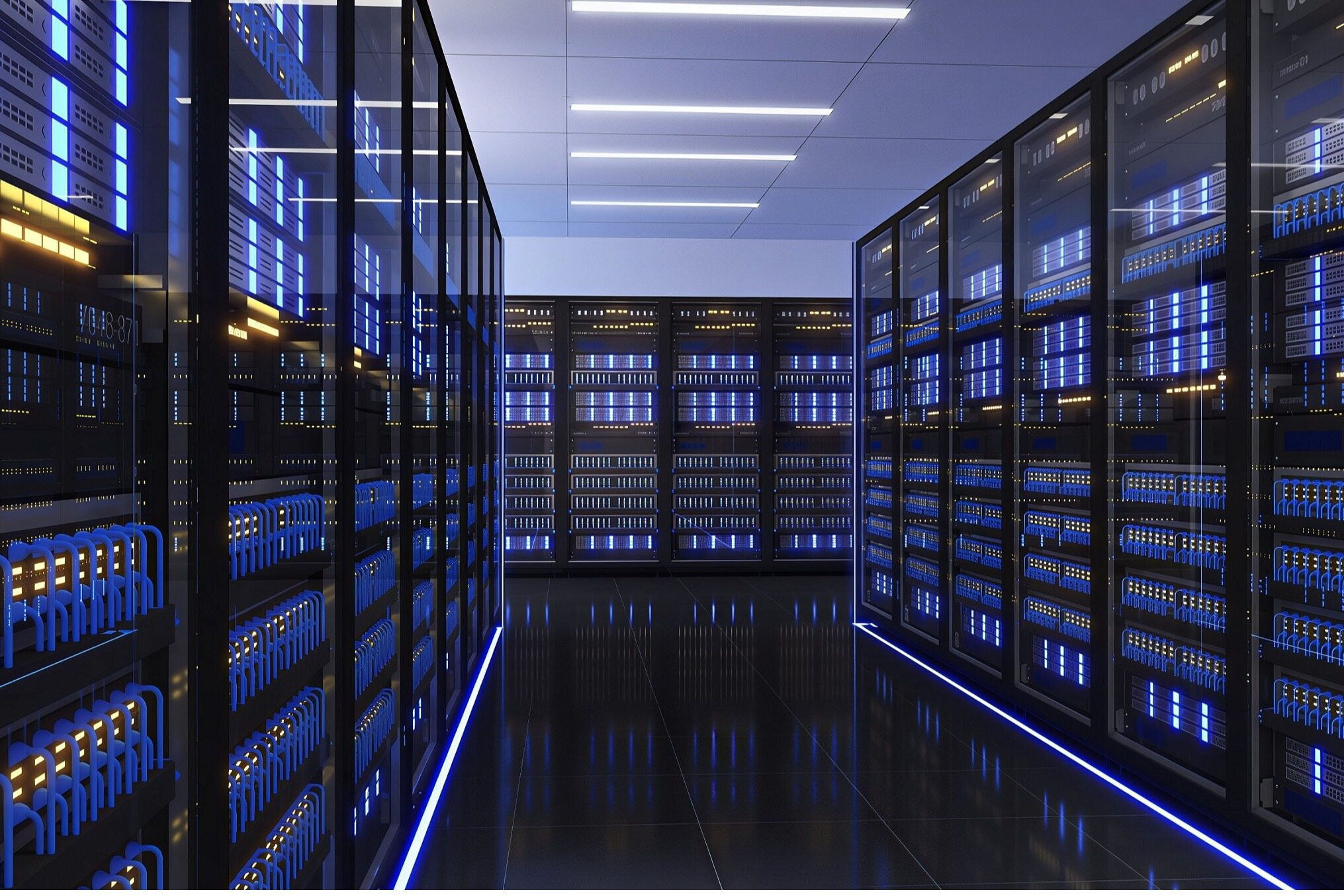
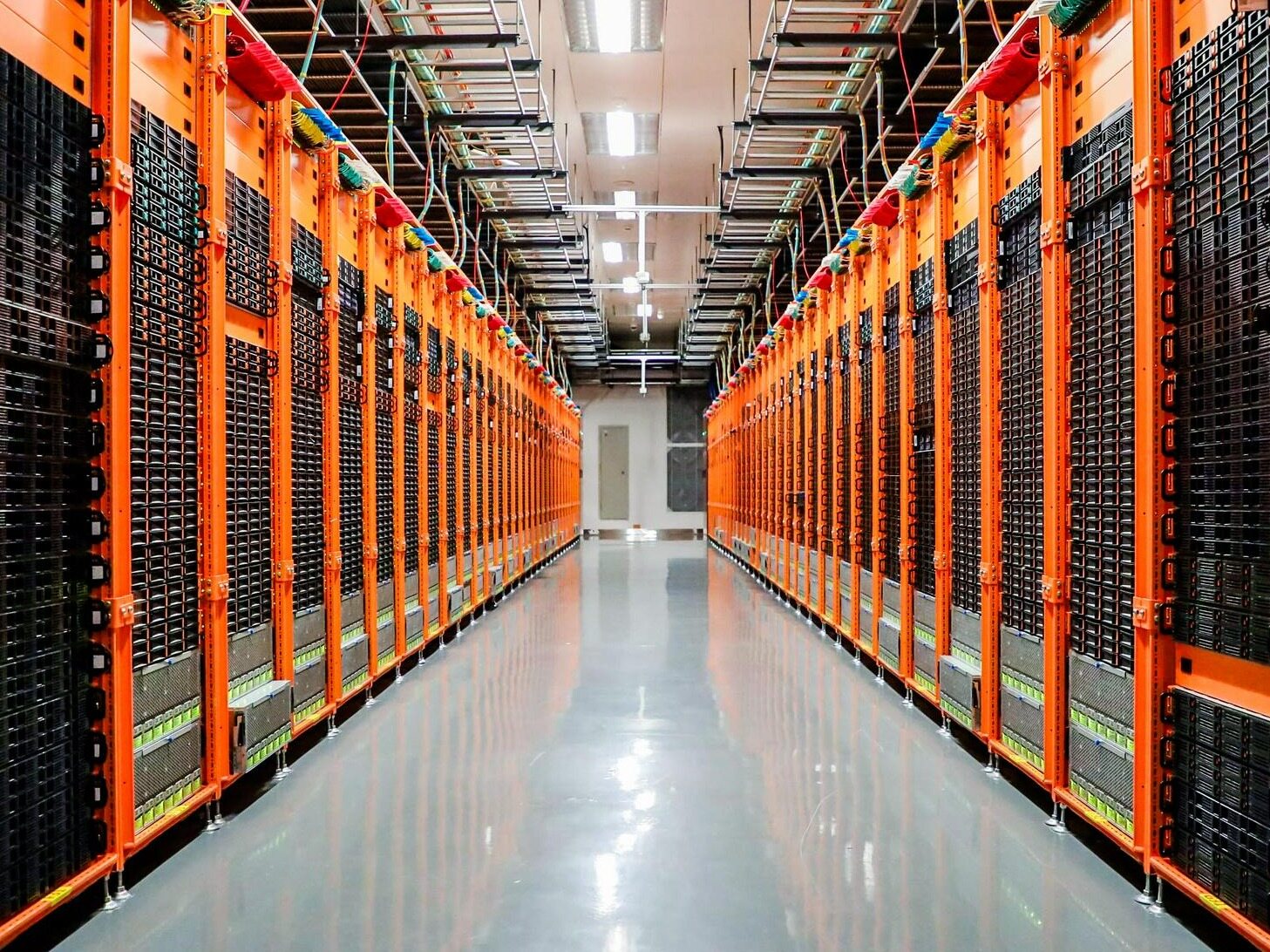
Recently, a cloud vendor in North America's server cabinet has been filled with chips, but it has been unable to power on for a long time - the grid connection queue has been 24 months, the delivery time of large transformers is often several years, and the on-site construction cost is high. The bottleneck of computing power expansion is shifting from chip shortage to power shortage and insufficient heat dissipation, which has also opened a window for China's power and heat dissipation equipment to go global.
Single cabinet power consumption surges to 1.5 megawatts
Bank of America predicts that according to Nvidia's technology roadmap, the power consumption of a single AI cabinet will exceed 1.5 megawatts by 2030, nearly 100 times that of traditional cabinets, and traditional air-cooled heat dissipation has reached its physical limit; McKinsey data shows that liquid cooling technology can reduce energy consumption by over 27%. Bank of America predicts that by 2030, the global penetration rate of liquid cooling in new AI data centers will climb from the current 30% to 70%. McKinsey also predicts that global data center investment will approach $7 trillion by 2030. The transmission of demand to the order side has already taken shape: Jinpan Technology's new orders for data centers in the first half of 2026 have surged by more than three times. Industry chain enterprises such as Envision and Delta are comprehensively occupying the top computing power ecosystem, and temperature control and substation equipment have become the most certain incremental categories in this round of computing infrastructure.
Solid state transformers are in high demand
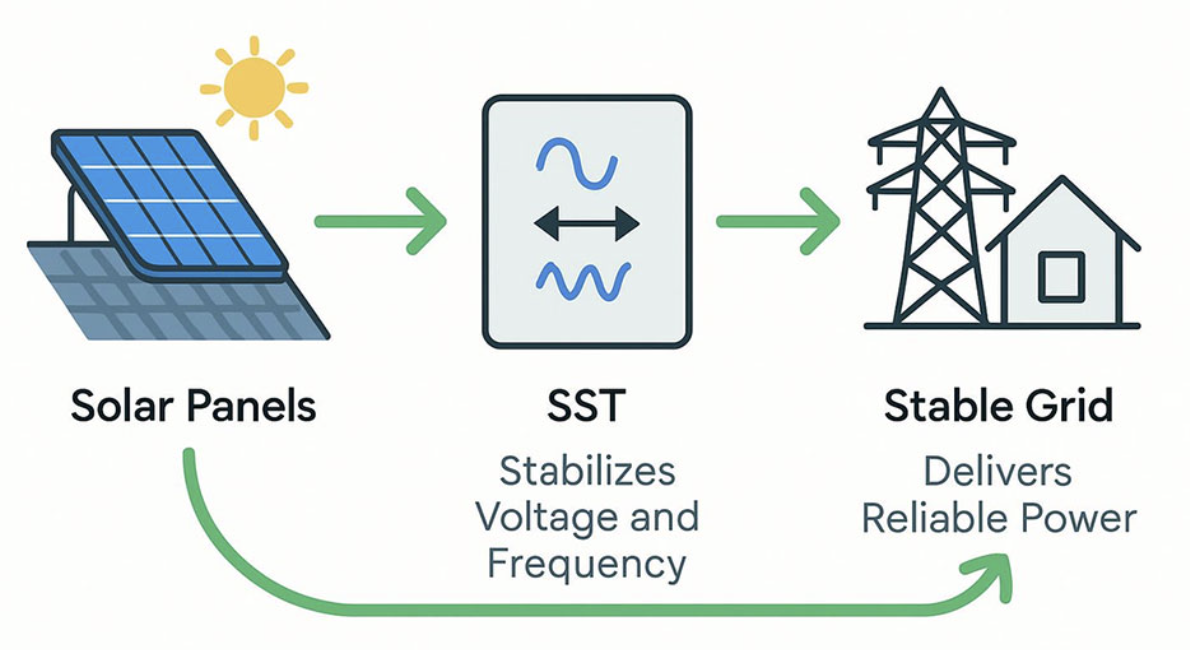
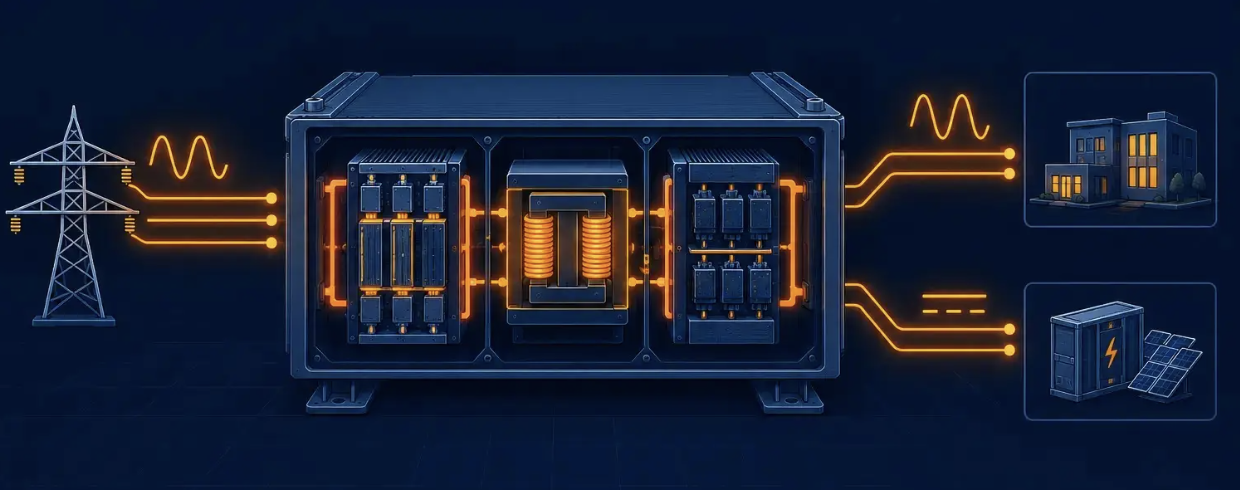
The aging of power grid equipment and insufficient production capacity in North America and Europe have resulted in waiting times for data centers to apply for grid connection of up to 24 months or even 8 years. Cloud giants have compressed the delivery of computing power to within 6 months, making the delivery cycle a key competitive advantage in winning framework orders. Solid state transformers can improve energy efficiency by 4%, with smaller size and more flexible scheduling. They are being sought after by large companies as the next generation energy gateway. UBS predicts that by 2030, their penetration rate in data centers will reach 40%, and Chinese companies are expected to occupy a core share with their technological and cost advantages. Keywords: High tech News Network, Computing Power, AI Infrastructure
Certified Carbon Footprint and Local Operations
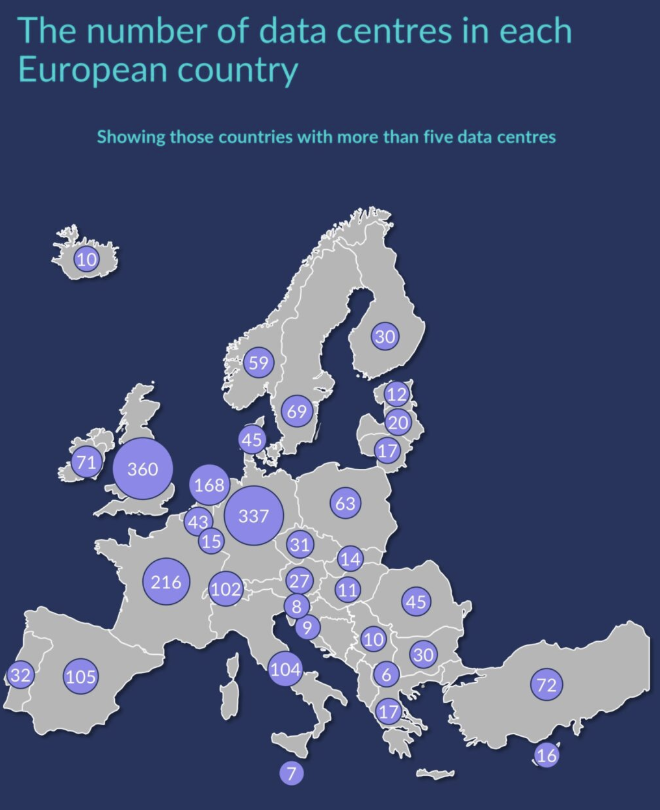
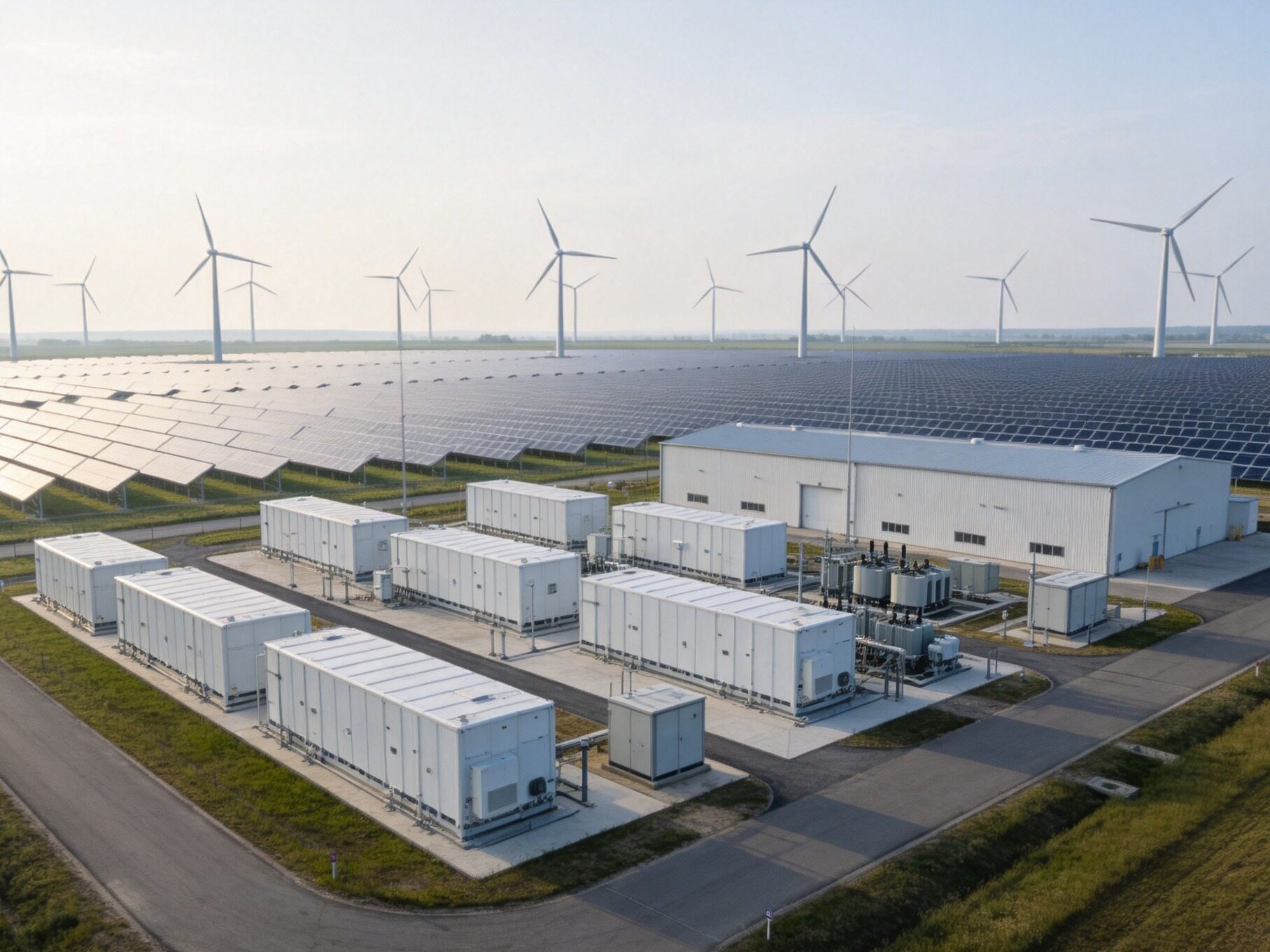
The selection of suppliers for overseas cloud giants is extremely strict, with high requirements for UL and IEEE certification in North America, CE and local network code compliance in Europe, and power equipment certification cycles often lasting 12 to 18 months; The EU Data Center Energy Efficiency Directive requires full lifecycle carbon footprint penetration, and the use of high carbon footprint materials or equipment lacking green power manufacturing certification can easily lose competitiveness in bidding. Data centers have zero tolerance for power outages and temperature control failures, and buyers place greater emphasis on whether suppliers have local installation, rapid response operation and maintenance, and quality assurance capabilities in Europe, North America, or the Middle East. For Chinese enterprises, highly prefabricating and integrating transformers, distribution cabinets, liquid cooled distribution units, and energy storage systems in domestic factories, exchanging delivery speed for premium; Establish a complete carbon footprint accounting system, with green manufacturing supporting pricing power; And integrating light storage, direct and flexible, power transformation and distribution, and liquid cooling into an integrated comprehensive energy solution is a key step towards becoming a global first tier supplier from a local leader.Editor/Gao Xue
Comment





 Praise
 Collect
 Comment

 Share
Share


Write something~