 Search


- Building an efficient and stable new maritime channel for the Yangtze River Delta and the Middle East
- Make Chinese manufacturing go global faster and more efficiently
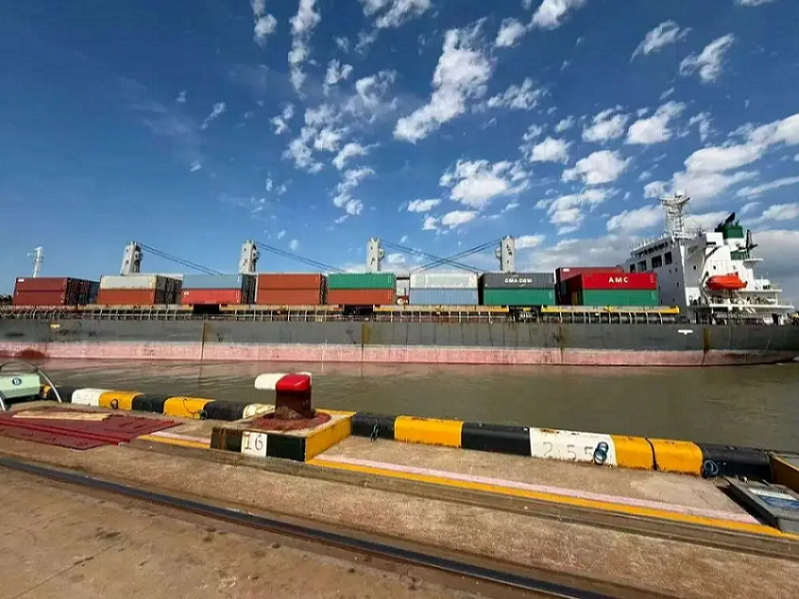
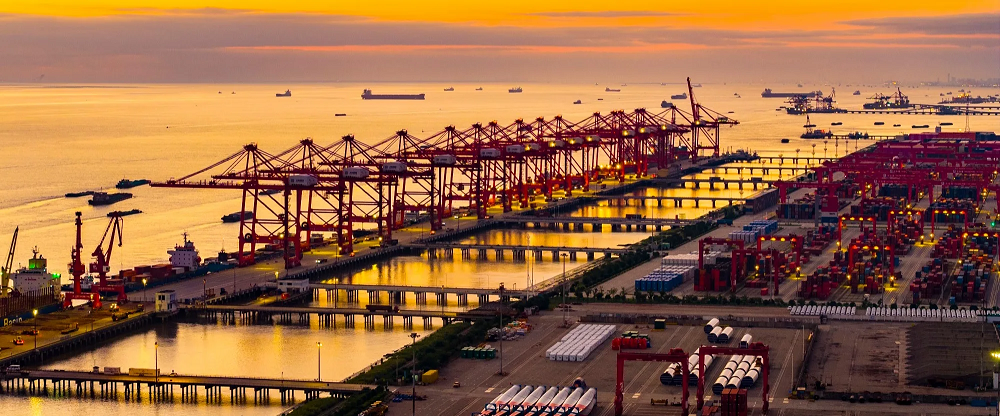
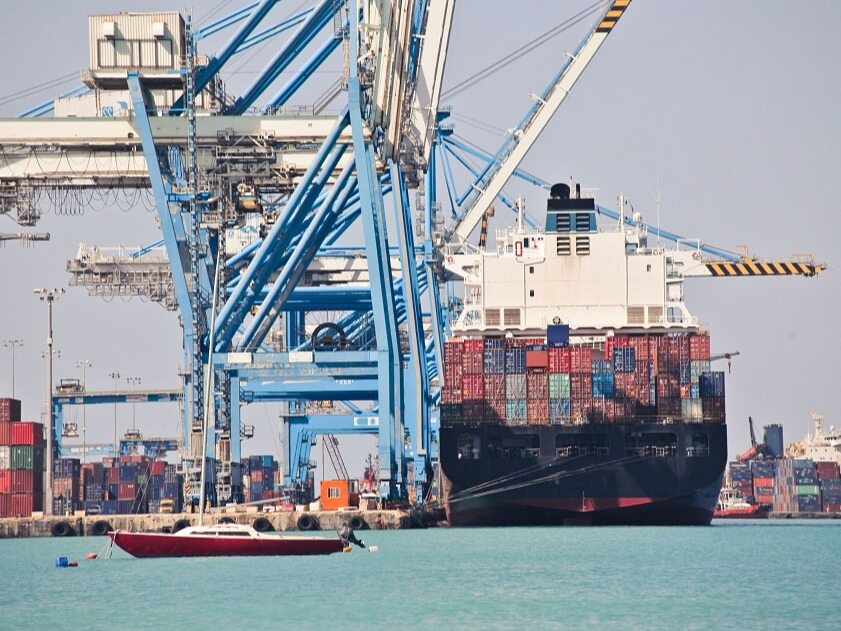
On the morning of October 9, 2026, the thin mist on the south bank of the Yangtze River estuary had not dissipated, and gantry cranes were already taking off and transporting trucks on the Zhenghe Xinggang dock in Taicang Port. Rows of containers are steadily lifted onto the ship, tied, secured, and rechecked, with each process being compact and orderly. With a long whistle, the DSM Rose slowly departed, carrying nearly a thousand containers of export goods heading towards Jeddah Port on the Red Sea coast of Saudi Arabia. This whistle announces the smooth opening of the Taicang Port to Middle East container express route.
One trip saves two to three weeks
For foreign trade enterprises in the Yangtze River Delta, the key to this route is direct. In the past, when goods went to the Middle East, they often needed to be transferred to another ship at an overseas port, which involved multiple links, long processing times, and many uncertain factors. Nowadays, the DSM Rose ship travels directly across the ocean from Taicang Port to Jeddah Port in one go, with a sailing time of about 25 days. Overall, it saves two to three weeks compared to the traditional route, eliminating the hassle of cross port transfer. The shipping schedule is more certain, and the comprehensive logistics cost is reduced accordingly.
This route is operated by Hangzhong International Group, which is deeply involved in Middle Eastern shipping and cross-border supply chain. The group has established a local logistics subsidiary in Saudi Arabia, which can provide integrated services such as sea freight, destination port warehousing, and land distribution. It has also signed a long-term strategic cooperation agreement with Jeddah Port, locking in a fixed window period for ships to berth and unload directly upon arrival at the port. According to market demand, two to three sailings will be arranged every month, and the schedule will gradually stabilize.
The Red Sea Passage at the doorstep
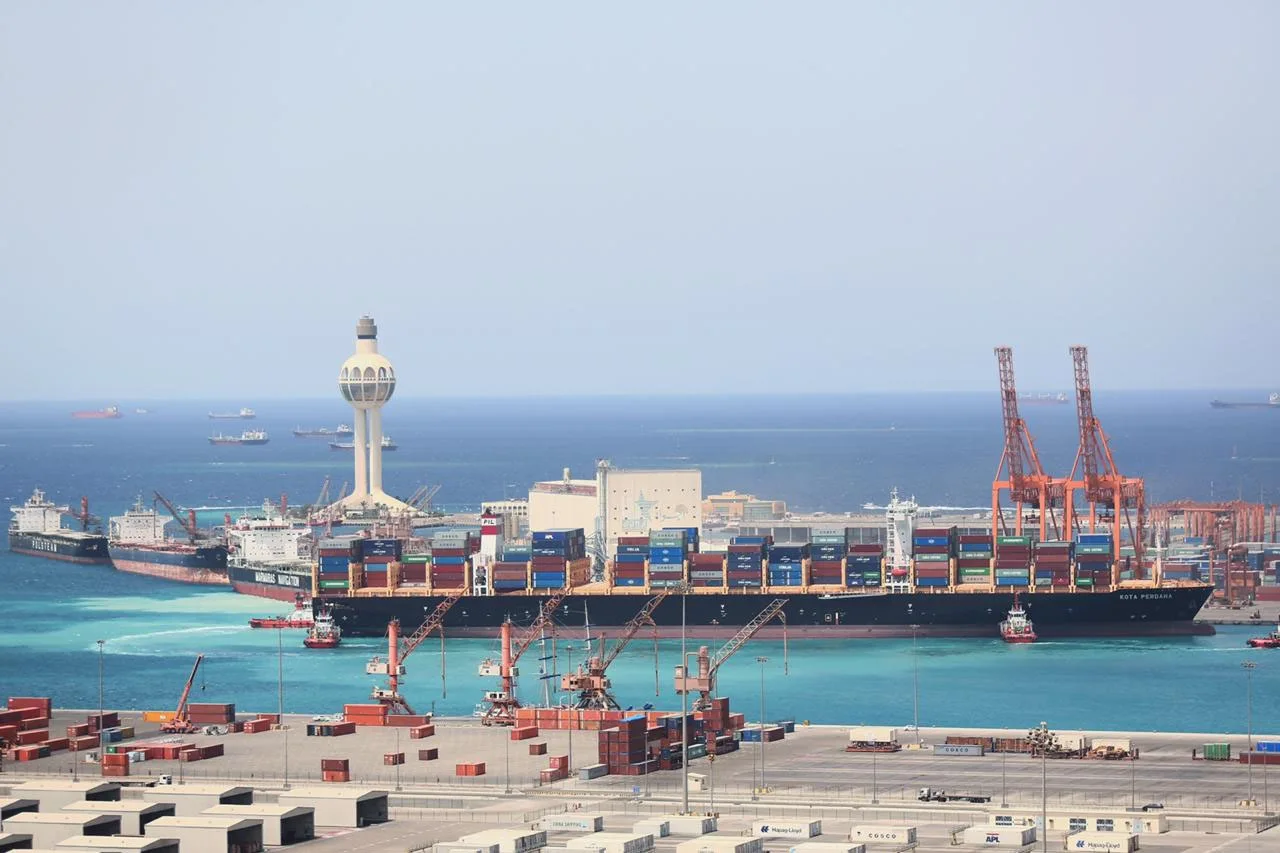
Jeddah Port is the largest deep-water hub port along the Red Sea coast of Saudi Arabia, and also the core carrier of the joint construction of the the Belt and Road Initiative and the Saudi 2030 vision, radiating across Saudi Arabia and nearly 30 countries and regions in the Middle East. After the opening of direct express flights, advantageous industries such as engineering machinery and equipment, steel structural components, industrial electrical, photovoltaic products, white goods, and light industrial products in the Yangtze River Delta region have a direct route from their doorstep; Saudi Arabia's energy, chemical products, and specialty commodities are imported into the Yangtze River Delta, and the logistics chain is also smoother.
As the largest port for foreign trade in the Yangtze River, Taicang Port has continuously woven a network of five routes in recent years, including direct foreign trade, ocean transshipment, coastal coverage, Yangtze River consolidation, and inland river feeding. The direct foreign trade routes have expanded from traditional regions such as Japan, South Korea, Southeast Asia, and the Russian Far East to international emerging markets such as the Middle East, Mediterranean, Eastern Europe, North Africa, and South America. At present, the route network of Taicang Port covers more than 120 ports in Northeast Asia, Southeast Asia, the Middle East, the Mediterranean, Eastern Europe, North Africa, South America, etc. The transportation of goods radiates to more than 160 countries and regions around the world. The diversified pattern of river sea intermodal transit hub ports, intermediate and domestic container trunk ports, and ocean container feeding ports has basically formed.
Maritime escort zero waiting time
The new route runs fast without the support behind it. To assist in the development of shipping routes, Taicang Maritime Bureau actively leverages its professional advantages, proactively grasps the overview, dynamic information, and operational needs of direct vessels in advance, prioritizes berthing and disembarking, guides ports and vessels in loading and securing container cargo, and ensures the safety of cargo transportation.
In response to the strong timeliness of fast shipping schedules, the maritime department has opened up a green service channel for administrative approval, implemented vacancy handling, and minimized the time limit for completing ship entry and exit port approval procedures to ensure zero waiting time for ship entry and exit port approvals, saving time and costs for shipping companies. During the process of ship departure, we carefully organize traffic maintenance, closely track meteorological and hydrological information, and comprehensively use various information technology methods such as smart maritime platforms to track ship dynamics, effectively ensuring the safe entry and exit of ships from the port.
From the tail of the Yangtze River to the coast of the Red Sea, this new route brings the industrial belt of the Yangtze River Delta closer to the Middle East market. Next, Taicang Maritime Bureau will continue to leverage the location, policies, and service advantages of Taicang's core port to assist Taicang Port in continuously optimizing and improving its international shipping network, and contribute maritime strength to the construction of Jiangsu's water transportation industry.Editor/Yang Meiling
Comment




 Praise
 Collect
 Comment

 Share
Share


Write something~