 Search


- Ethiopia's natural gas expansion moves from framework cooperation to construction and processing landing
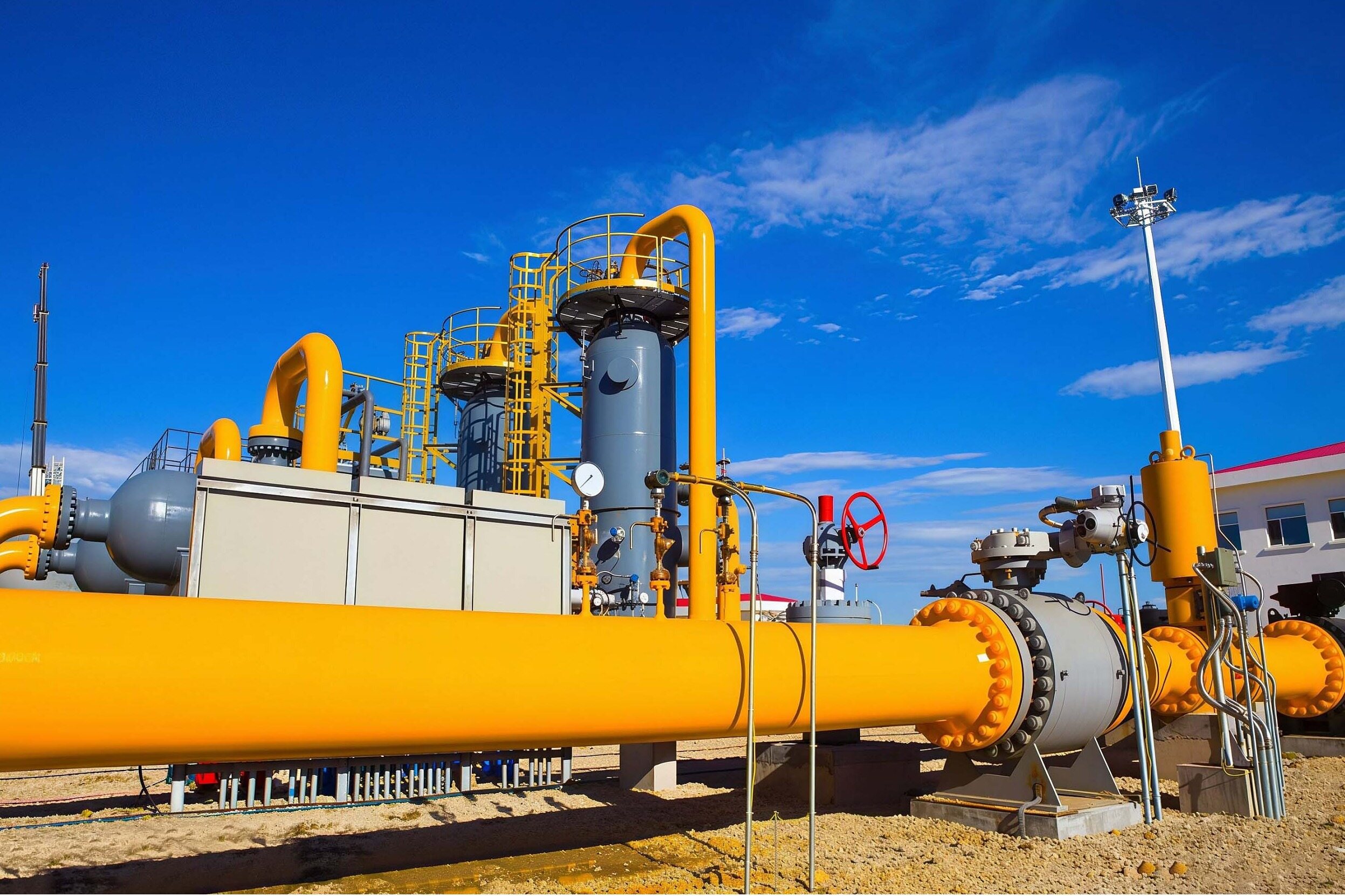
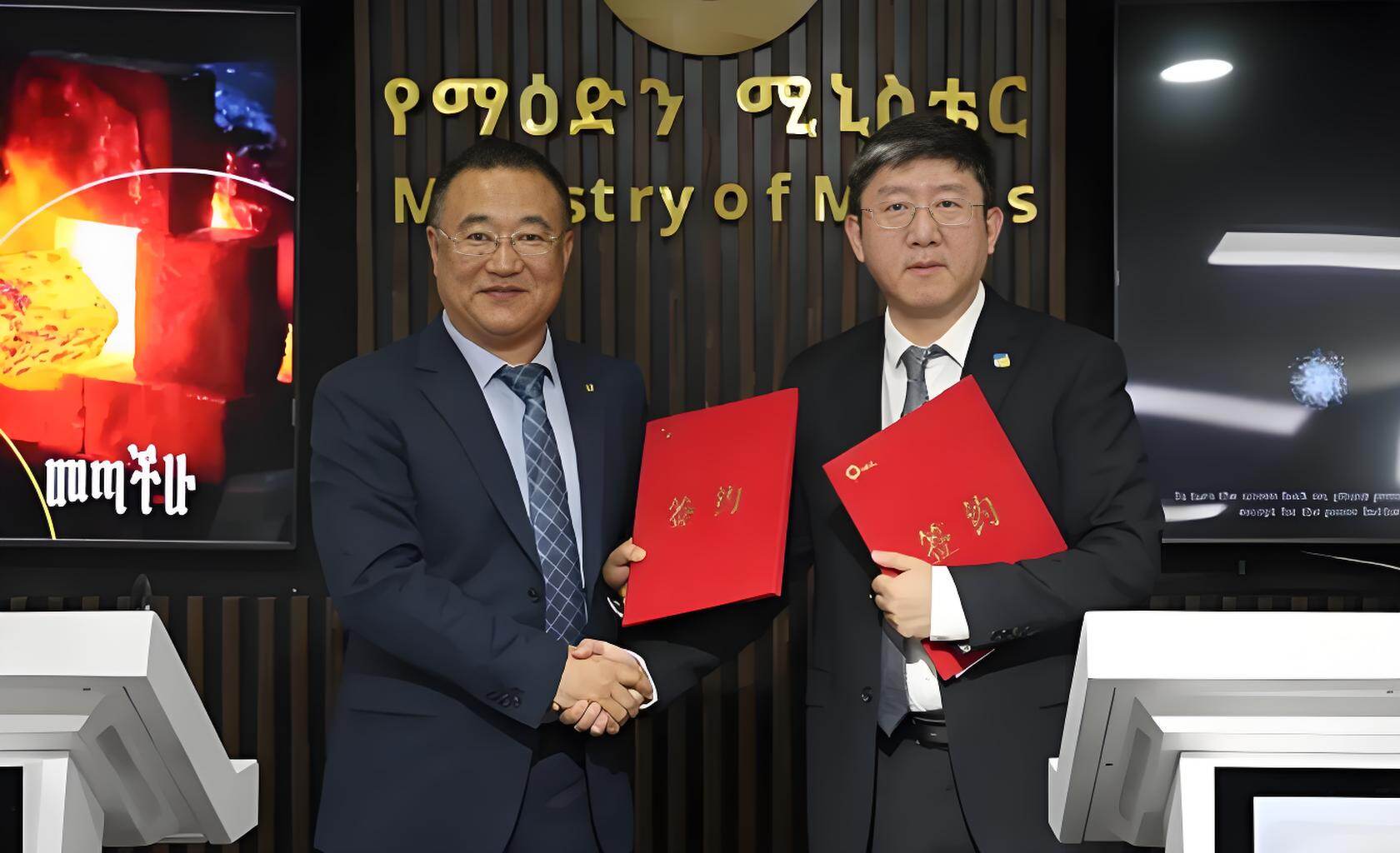
On October 16, 2026, under the witness of the Ethiopian Ministry of Mines, GCL Energy Investment Co., Ltd. Ethiopia Branch and Jurong Group Holdings Co., Ltd. signed a contract for liquefied natural gas contracting construction and commissioned processing. From the strategic framework agreement in May to the completion of construction and processing in October, Ethiopia's natural gas expansion has taken a substantial step forward.
From Framework to Construction Processing
Both parties are Chinese companies. GCL has been engaged in natural gas development and liquefaction in Ethiopia, while Jurong's business covers natural gas liquefaction, storage, transportation, and sales. It has production bases in Xinjiang and other places. On May 18, 2026, both parties signed a strategic cooperation framework agreement, which will advance the cooperation to the contracted construction and commissioned processing stages. The Minister of Mines of Ethiopia hopes that both parties can launch the first phase module of the second phase as soon as possible. From the name of the contract, it appears that there is still a processing phase after completion. However, the announcement did not provide detailed information on who will bear the cost, who will operate it, who will be responsible for the gas and products, and how the processing fee will be calculated. The module contract amount, production capacity scale, completion time, and funding arrangements are yet to be disclosed in the future.
The first phase has been put into operation, laying the foundation
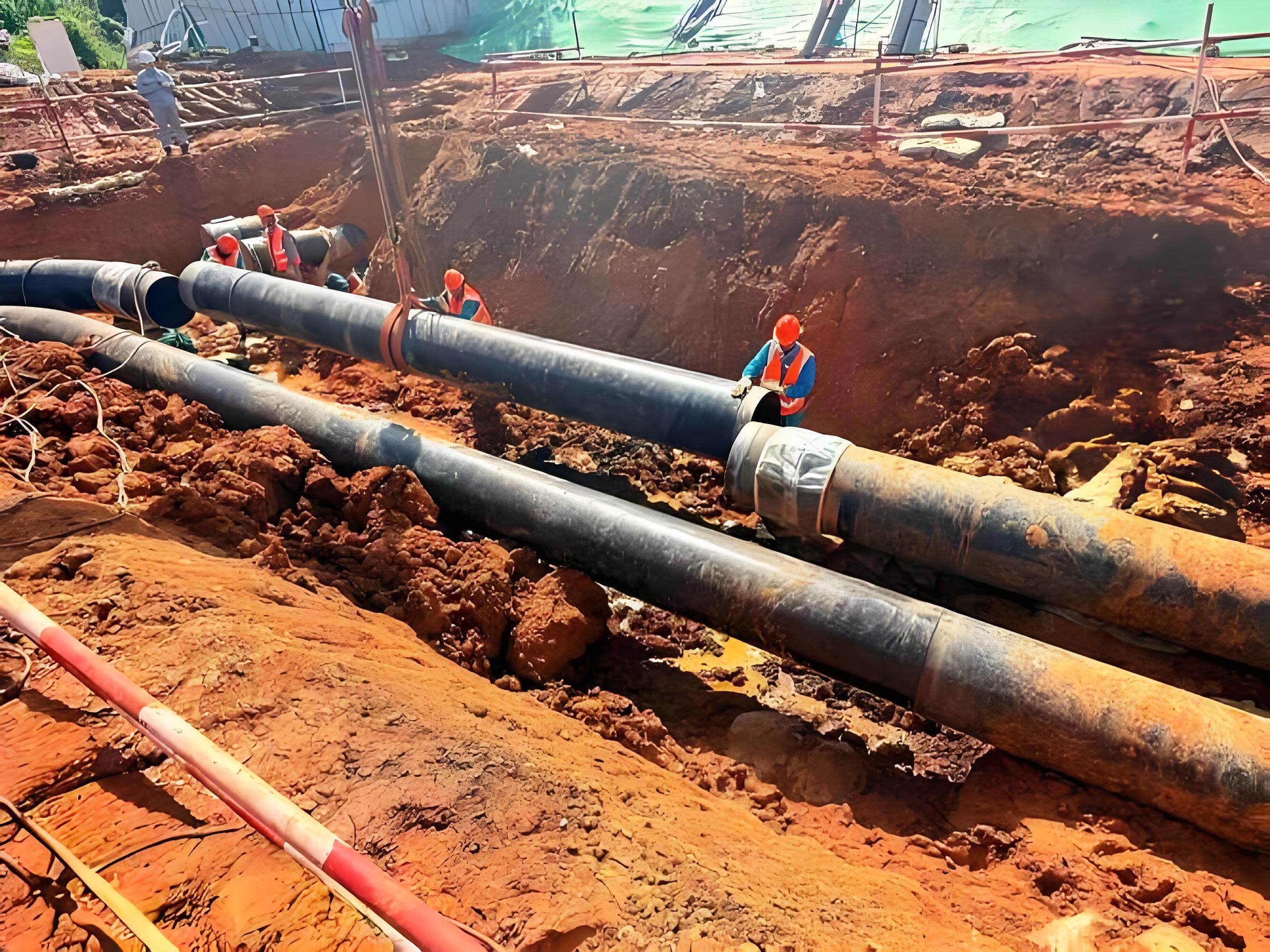
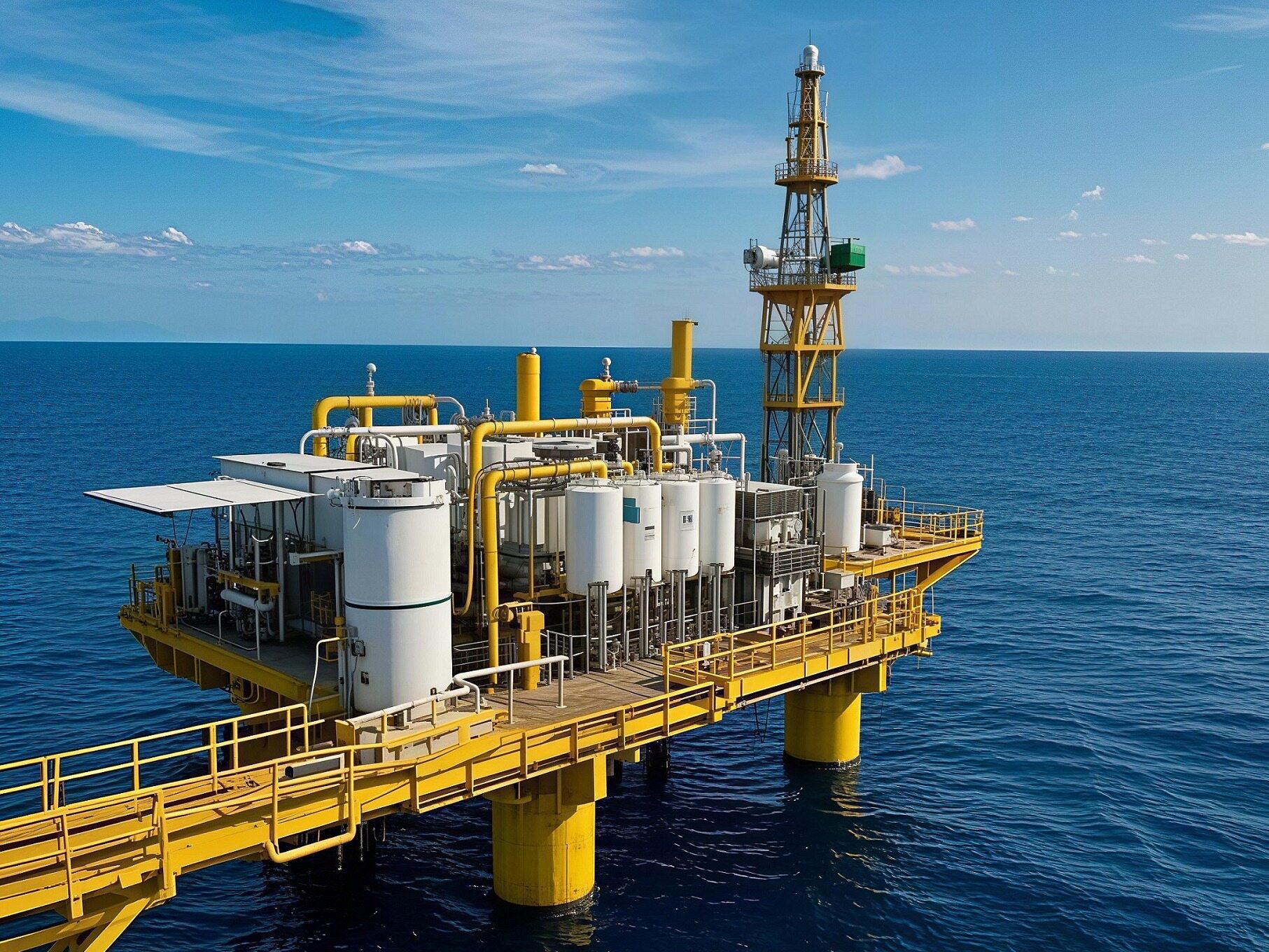
The GCL Phase I liquefied natural gas project is located in Karubu, Ogaden Basin, Somalia, eastern Ethiopia. It started construction in July 2024 and will be put into operation on October 2, 2025. The project is designed to process 200000 cubic meters of natural gas per day and produce 50000 tons of liquefied natural gas annually. The former refers to the amount of gas that the device can process per day, while the latter refers to the amount of liquid that can be produced in a year. The actual operating output and sales volume depend on the operating situation. The foundation of the second phase and other projects will be laid on the day of the first phase's production in 2025. In the development history of the Jurong official website, it is also mentioned that the Jurong Energy Ethiopia project will start construction in July 2026. How these statements correspond to the modules in the October contract has not been clearly explained in the public materials. At present, it can be confirmed that the construction and commissioned processing contracts have been signed, and the overall construction and delivery time of Phase II still needs to be disclosed later. Keywords: Infrastructure News Network, Construction by Chinese Enterprises, Natural Gas Infrastructure, International
Integration of industrial chain reception
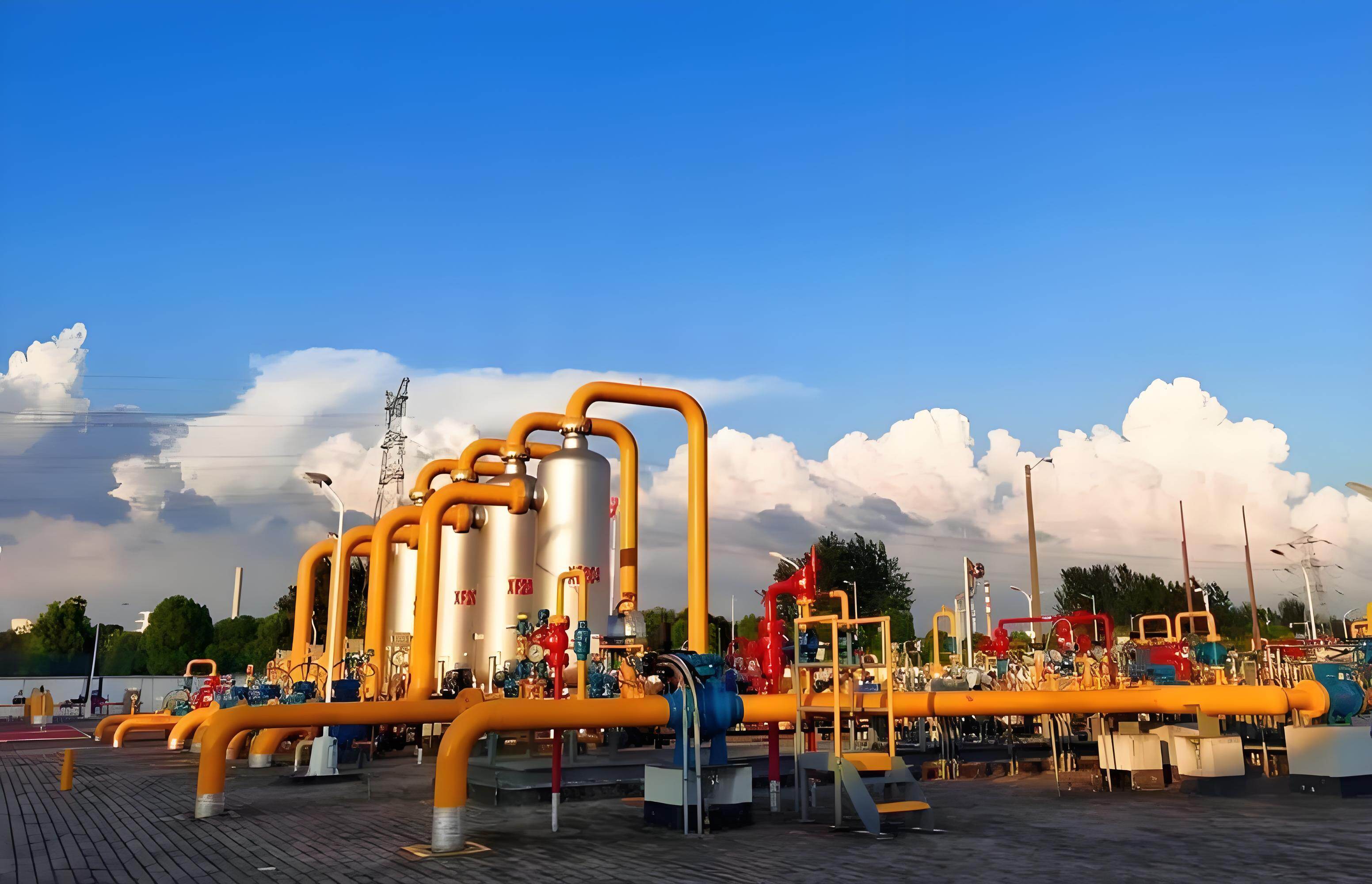
To establish a business in natural gas, the installation, transportation, and user gas receiving capabilities need to be matched with each other. In June 2026, China Daily reported that the first modified bus of the Ethiopian bus oil to gas project led by GCL Africa Industry Group successfully completed a road test on May 12, indicating that the transportation gas path has been attempted, and vehicle modification, gas station construction, and gas supply need to be promoted simultaneously. The liquefaction plant needs to release gas according to the plan before the tanker can be scheduled; The user end needs to have storage or gasification capabilities. If the factory plans to switch to natural gas, the cost calculation needs to include the price of gas delivered to the factory, the investment in receiving facilities, and the stability of gas supply. The tasks that Chinese enterprises engaged in liquefaction equipment and engineering can receive depend on the subsequent module technology scope and procurement arrangements; The allocation and turnover of transportation vehicles depend on the distribution of customers and the pace of gas supply; The factories that use gas in Ethiopia are most concerned about the supply time, delivery location, and settlement conditions. The construction and processing contract has been signed. Next, we will look at module delivery and natural gas delivery to users. Only by connecting each link can the expansion investment generate returns.Editor/Gao Xue
Comment


 Praise
 Collect
 Comment

 Share


Write something~