 Search


- The China North Korea New Yalu River Bridge will officially open on October 15, 2026
- The two countries held a joint opening ceremony on the same day
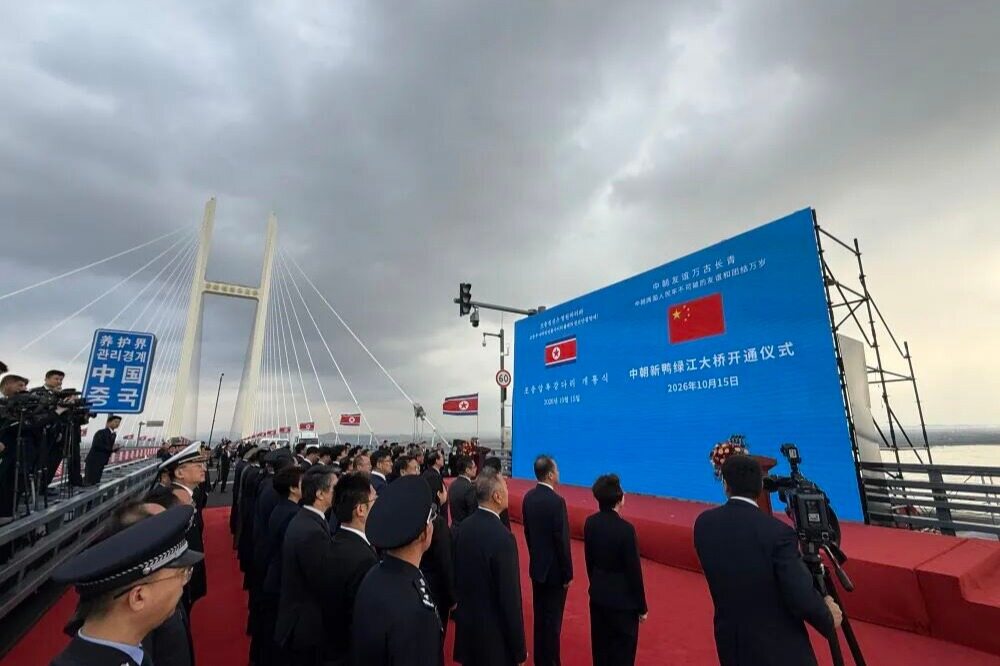
Foreign Ministry spokesperson Mao Ning stated at a regular press conference on the 14th that China and North Korea are friendly neighbors connected by mountains and rivers, and the New Yalu River Bridge is an important facility for interconnection between the two countries. After its opening, it will further promote economic and trade exchanges and personnel exchanges between the two countries, and enhance the well-being of the two peoples.
One bridge, two eras.
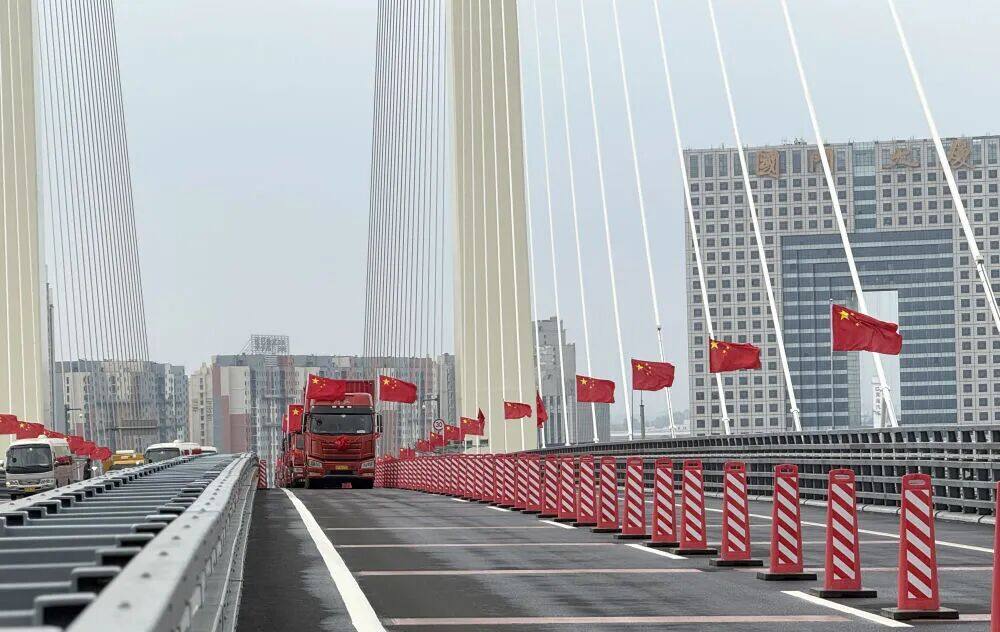
The New Yalu River Bridge (officially known as the Sino Korean Yalu River Boundary Highway Bridge) spans the Yalu River, starting from Dandong, Liaoning in the west and ending at Sinuiju, Pyongan Province, North Korea in the east, located about 10-12 kilometers downstream of the old Sino Korean Friendship Bridge. The main bridge of the bridge is about 3.03 kilometers long, 28.5 meters wide, and 636 meters long. It is a double tower double cable plane steel box girder cable-stayed bridge and a two-way four lane first-class highway standard. It is the largest single span cable-stayed bridge in northern China, and also the largest boundary river bridge in China. The total investment of the project is about 2.2 billion yuan, fully funded by the Chinese side for construction.
Why did it take 12 years from completion to opening?
The concept of the bridge was first proposed in 2007, and the foundation was laid and construction began on December 31, 2010. The main bridge was completed in 2013, and the bridge body and approach bridge on the Chinese side were all completed in 2014. However, due to the long-term failure of the connecting roads, customs and joint inspection facilities on the North Korean side to land, this bridge has been in a state of "bridge access blocked" for a long time, and was once referred to as the "bridge leading nowhere" by the outside world. Due to factors such as international sanctions and tightened border controls caused by the pandemic, the opening time has been pushed back and forth.
Transit occurred in the past two years: in March of this year, China North Korea international passenger trains resumed operation after a six-year hiatus; In April, Chinese Foreign Minister Wang Yi visited Pyongyang; In June, the Chinese head of state visited North Korea, and bilateral relations continued to warm up. The supporting construction of ports on the North Korean side has significantly accelerated, and the trial operation of trucks on the bridge was completed in September.
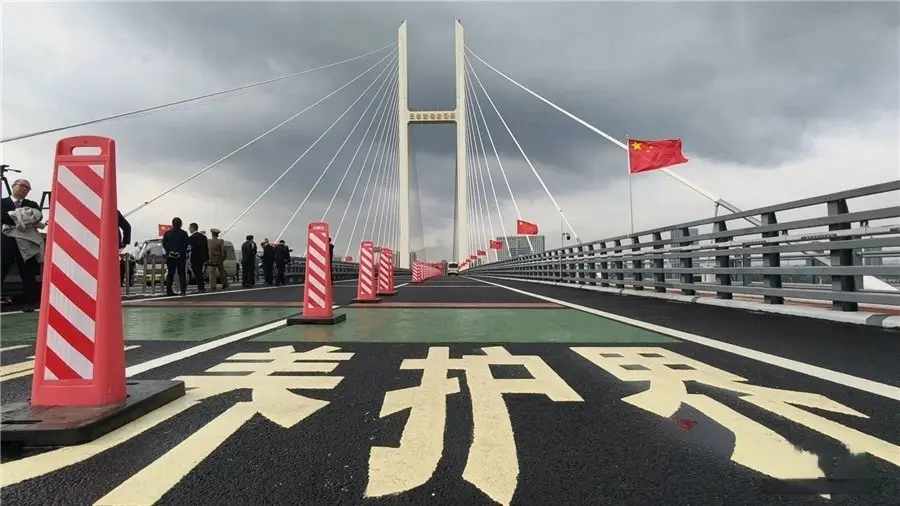
A car needs to be able to run in order to be truly efficient
The China North Korea Friendship Bridge, which was built in 1937 and put into use in 1943, was previously the main force responsible for land freight transportation between China and North Korea. This dual-use old bridge has a one-way single lane with a bridge deck weight limit of only 20 tons, making it difficult for large container trucks to pass through. Long queues of trucks at ports during peak freight seasons are common. The new bridge is designed as a dedicated highway passage, which can accommodate heavy trucks and directly divert the pressure from the old bridge, improve customs clearance efficiency, and reduce cross-border transportation costs.
According to customs data, the trade volume between China and North Korea will reach 2.736 billion US dollars in 2025, which has recovered to 98.1% of the pre pandemic level in 2019; Approximately 1.51 billion US dollars in the first half of 2026, a year-on-year increase of 19.6%. Dandong undertakes the vast majority of trade with North Korea. After the opening of the new bridge, supporting industries such as port logistics, warehousing, customs clearance, and border trade processing are expected to gain new development space.
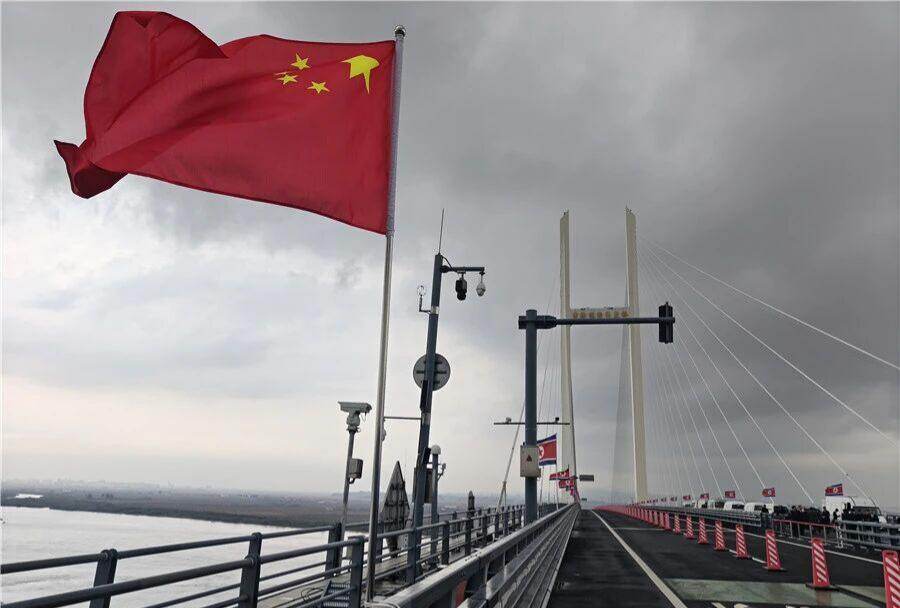
In response to a Reuters reporter's question that the bridge is only used for freight transportation, the Chinese side did not confirm it and only reiterated the bridge's role in promoting economic and trade exchanges and personnel exchanges. Analysts point out that personnel exchanges, cross-border tourism, and self driving across the river still need to be implemented according to the immigration and border inspection policies of both countries. The actual effectiveness depends on the customs clearance rules, the efficiency of North Korean road connections, and the international sanctions environment. The scale of trade will not skyrocket overnight. The specific rules for subsequent customs clearance and passage shall be subject to the release of relevant departments of both countries.Editor/Yang Meiling
Comment

 Praise
 Collect
 Comment

 Share
Share


Write something~