 Search


- After the pipeline is put into operation, fuel transportation is reduced to 24 hours, lowering logistics costs in East Africa
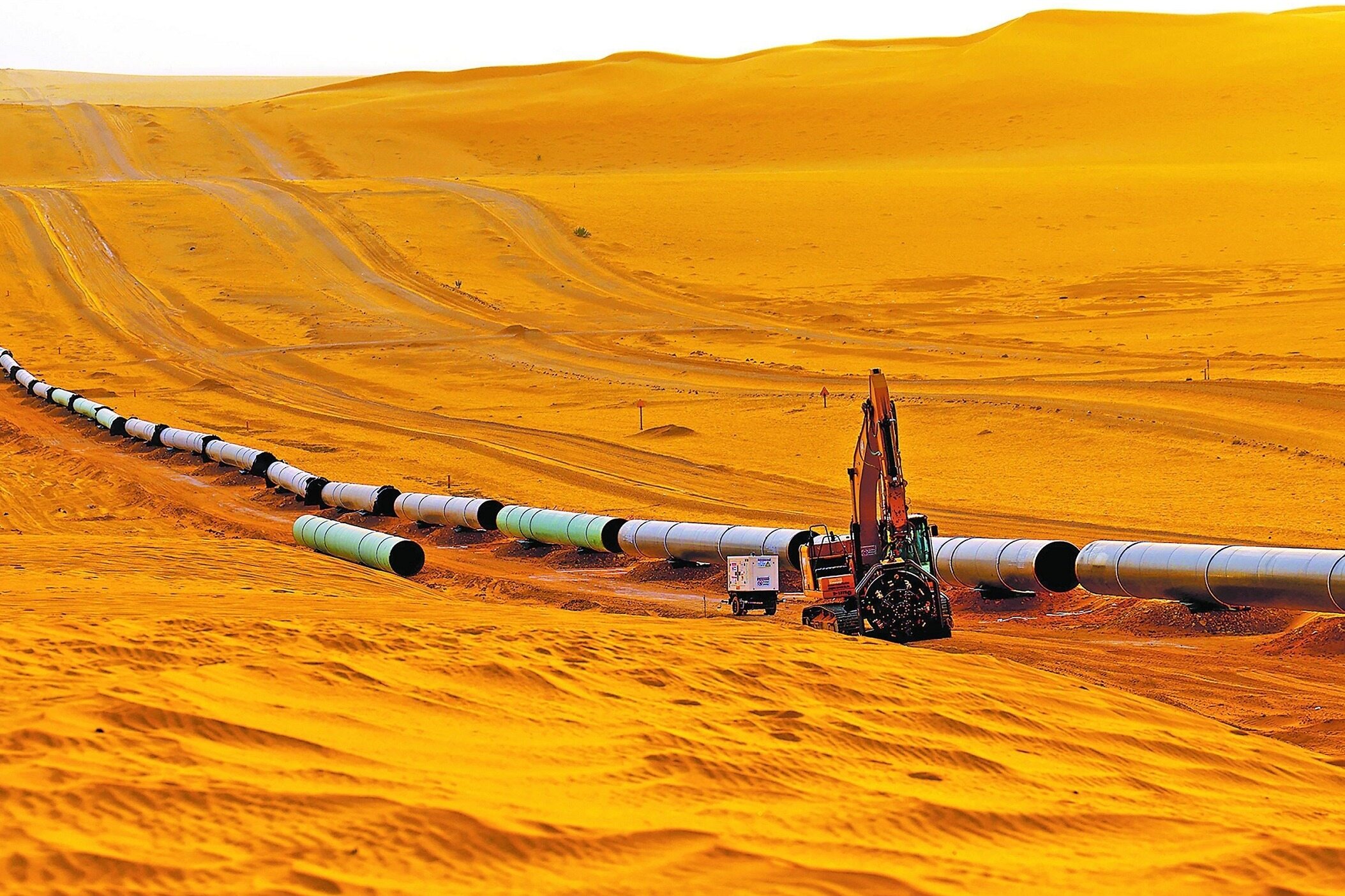
Recently, the fuel supply of Ethiopia, a landlocked country in East Africa, has reached a critical turning point. For a long time, this country without a coastline has relied solely on tanker trucks for long-distance transportation of refined oil products from Djibouti Port via road, with a single cycle of up to 5 days, resulting in high costs and squeezing out the freight capacity of the Addis Ababa Djibouti road. Now, the cross-border refined oil pipeline project from Dameljog to Devile has officially started, with a total investment of 660 million US dollars and a total length of 120 kilometers. It is expected to be completed and put into operation in 18 months. An energy corridor connecting the Djibouti coast and the Ethiopian border is filling a crucial puzzle for industrialization in East Africa.

$660 million pipeline launch
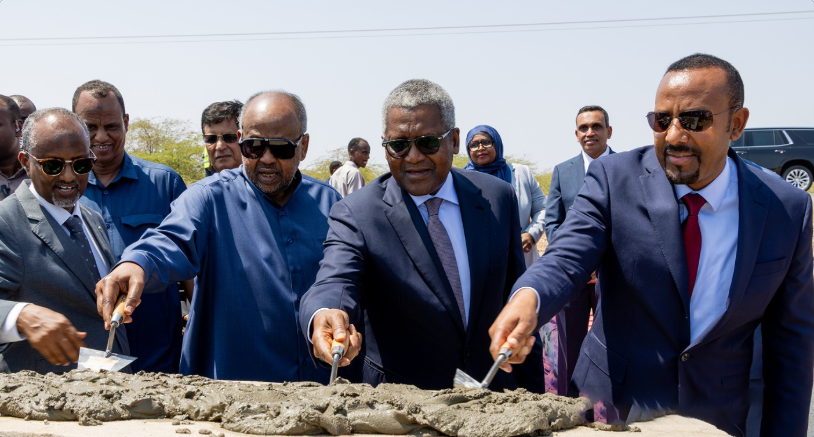
The total investment of the project is 660 million US dollars, and the pipeline is 120 kilometers long. One end is connected to the Damelchog large storage tank area on the Djibouti coast, and the other end is connected to the Deweile oil depot on the Ethiopian border. It is also equipped with a large capacity finished oil storage facility. It is expected to be completed and put into operation in 18 months. The project is led by Dangote Group, and high-level officials from Ethiopia and Djibouti jointly attended the groundbreaking ceremony. This pipeline is not only the energy lifeline of Ethiopia, but also a landmark infrastructure project for regional connectivity in East Africa. For a long time, fuel supply has been a major weakness on Ethiopia's industrialization path. The road transportation mode of oil not only has high transportation costs, but also the fleet of oil tankers will occupy the freight capacity of the Addis Ababa Djibouti Highway. Once road maintenance, congestion and other situations occur, domestic fuel supply is prone to fluctuations, indirectly raising the energy costs of industrial production and residents' travel, and restricting the stable production of industrial parks and manufacturing enterprises. The launch of the pipeline project is a systematic response to this structural bottleneck.
Reduce transportation time to 24 hours
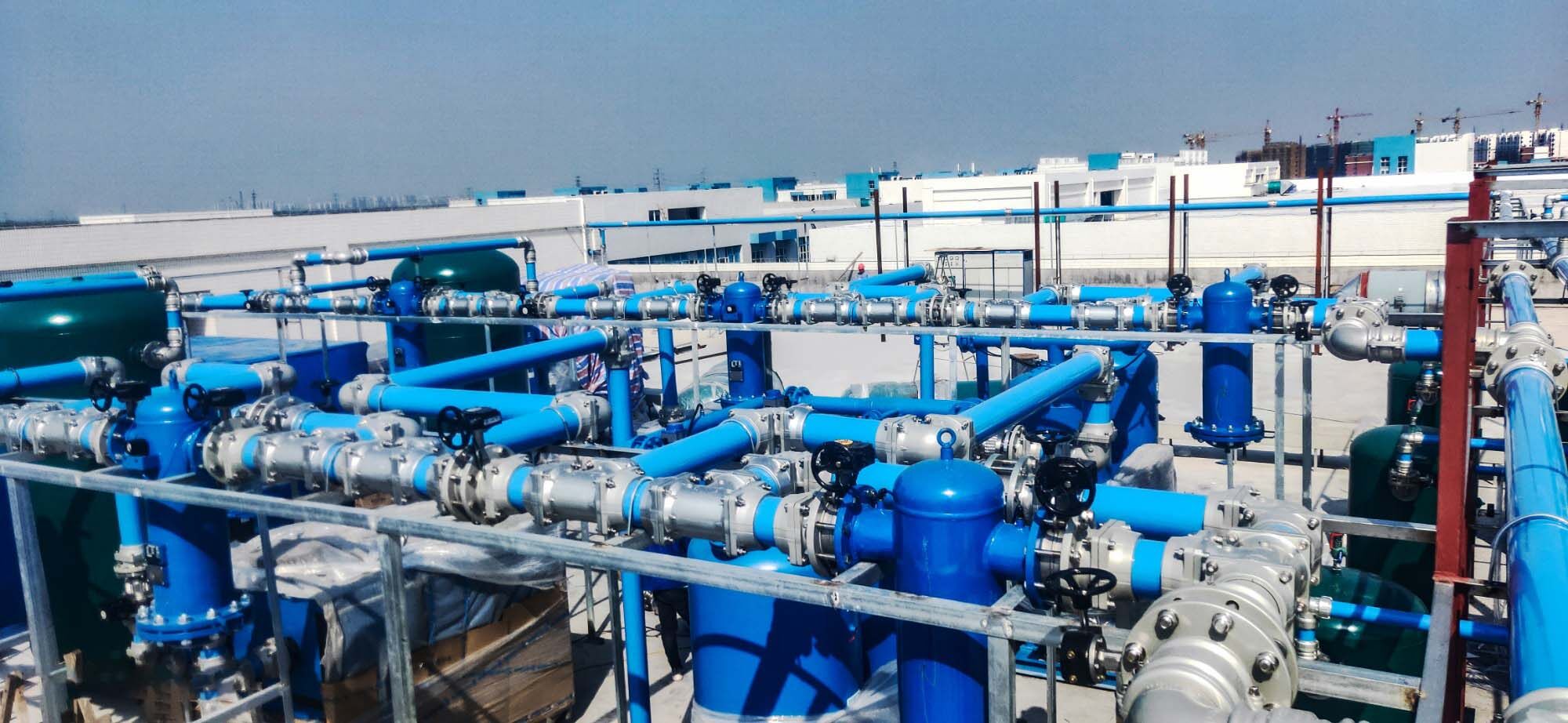
After the pipeline is put into operation, finished oil products such as gasoline, diesel, and aviation kerosene can be transported from Djibouti to the Ethiopian border in just 24 hours. Compared with the 5-day cycle of road transportation, the transportation time is significantly reduced, and the unit fuel logistics cost is significantly reduced. At the same time, the road transportation capacity is released, allowing the Yaji Highway to be used more for transporting goods such as containers, industrial equipment, and agricultural products. Stable and low-cost fuel supply will directly guarantee industrial production, power generation, and logistics transportation in Ethiopia, laying a solid energy foundation for industrial parks in various regions to undertake manufacturing orders. For manufacturing companies that rely on fuel power generation and logistics transportation, pipeline fuel supply means predictable energy costs and more stable supply, which helps companies develop long-term production plans and expand capacity investments. For ordinary residents, reduced fluctuations in fuel prices will indirectly lower their travel and living costs. Keywords: infrastructure news and information, cross-border infrastructure, oil pipelines, logistics
Accelerate regional connectivity in East Africa
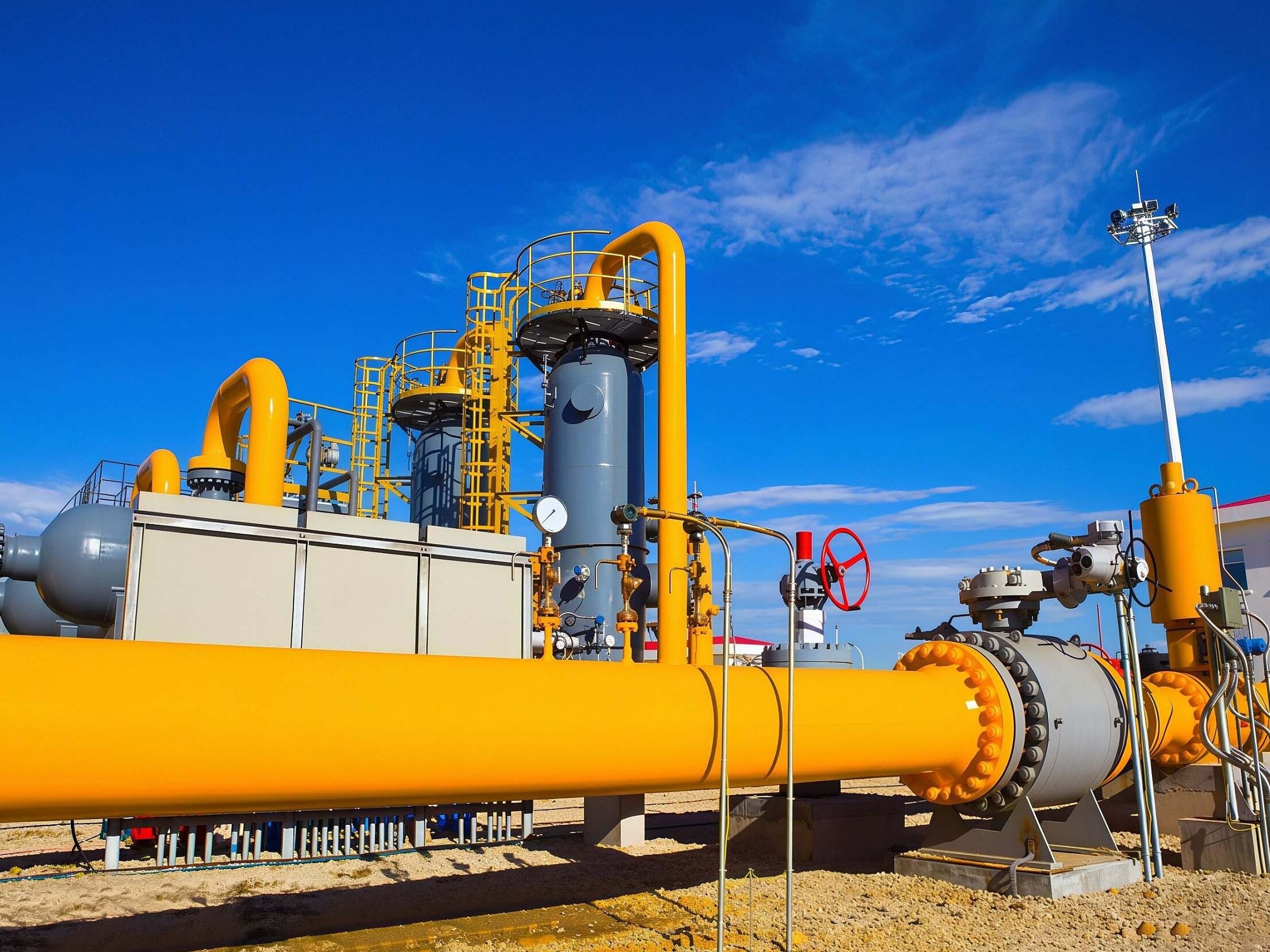
Looking back at the development trajectory of East Africa, the Addis Ababa Djibouti Railway has opened up a container freight channel. Nowadays, cross-border oil pipelines have filled the gap in energy transportation, and transportation and energy infrastructure complement each other, continuously reducing the trade and logistics costs of the entire region. Under the AfCFTA framework, stable and low-cost energy supply will further enhance the competitiveness of Ethiopia's manufacturing industry, attract light industry and agricultural product deep processing enterprises to settle down, and drive employment and export earnings. The underlying logic of regional development is always to first connect energy and then develop industries. This cross-border oil pipeline is filling the key puzzle of industrialization in the interior of East Africa. From the Addis Ababa Djibouti Railway to cross-border oil pipelines, the East African region is gradually building a three-dimensional logistics system that integrates railways, highways, and pipelines, laying a solid hardware foundation for regional economic integration. With the continuous improvement of energy and transportation infrastructure, Ethiopia is expected to break through the geographical disadvantage of being a landlocked country and become an important node for manufacturing and trade in East Africa.Editor/Gao Xue
Comment



 Praise
 Collect
 Comment

 Share


Write something~