 Search


- China's photovoltaic and hydropower cooperation reduces Pakistan's energy consumption costs
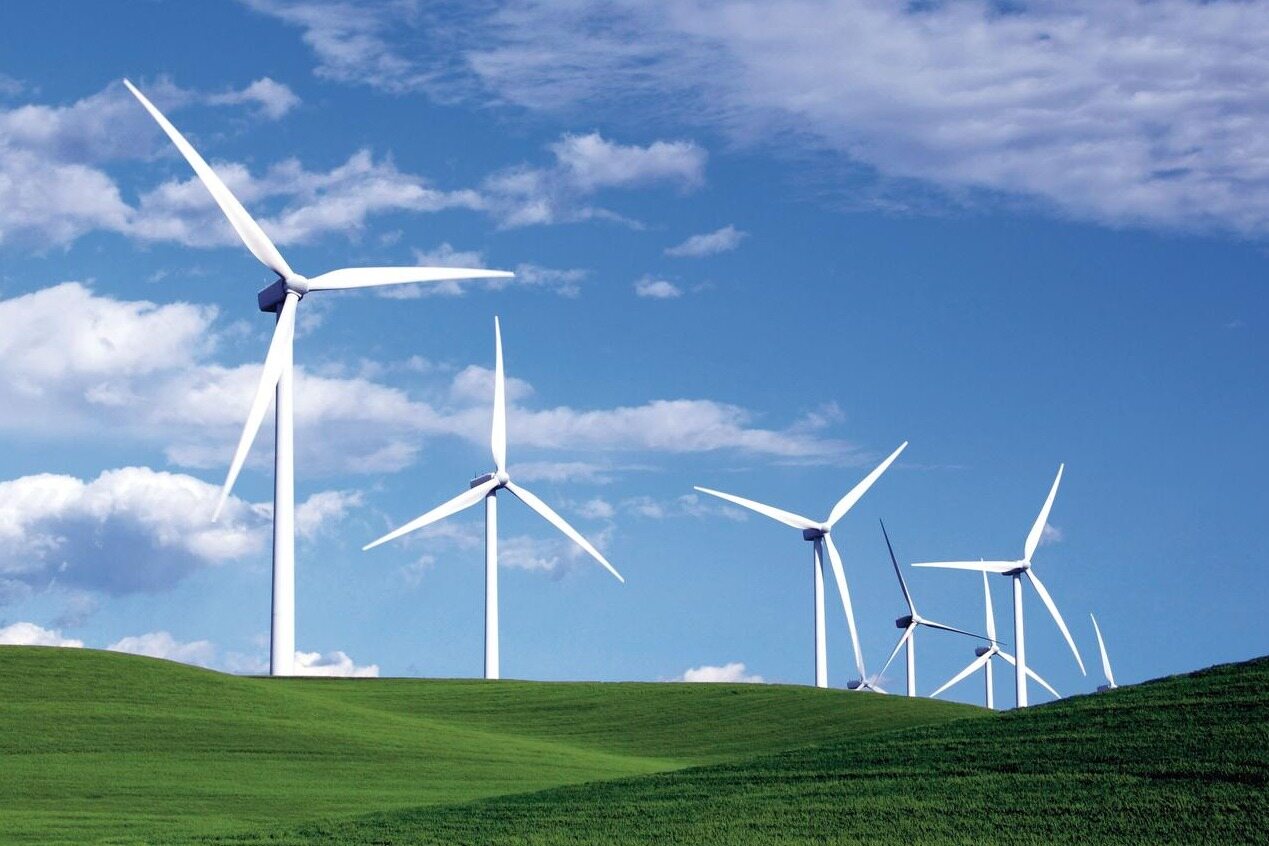
From photovoltaic power plants in Southeast Asia to hydropower projects in South Asia, and to off grid photovoltaic systems in remote rural areas of Africa, China's green energy cooperation is entering developing countries in various forms, increasing clean power supply and creating opportunities for local employment and technical training. Since China announced in 2021 that it would no longer build overseas coal power projects, green and low-carbon energy has become an important direction for China to carry out energy cooperation with high-quality countries along the the Belt and Road.
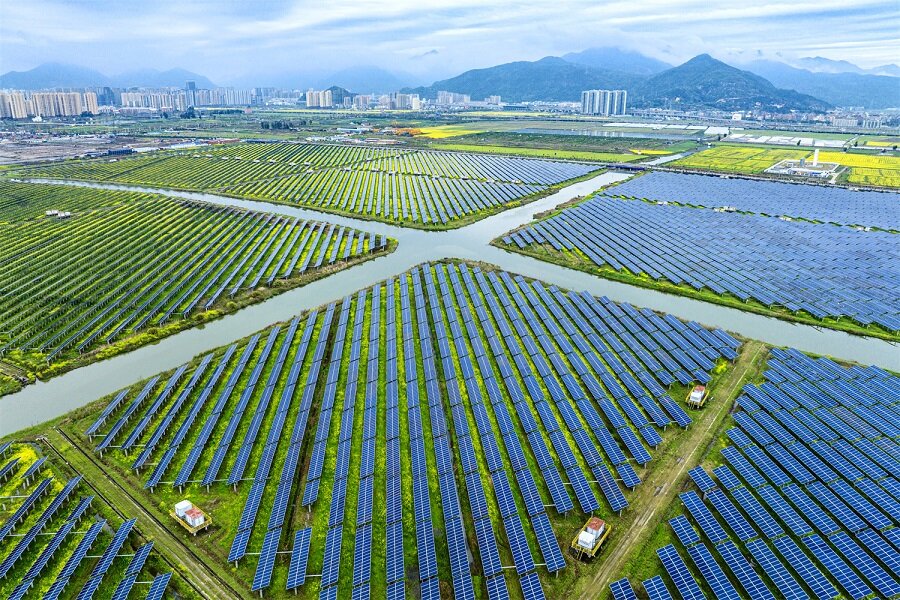
Photovoltaic cooperation promotes low-carbon development
In West Java Province, Indonesia, the Karawang 100 MW photovoltaic project undertaken by China Power Construction Hubei Engineering Company was officially put into operation in 2024, which can reduce carbon dioxide emissions by 19800 tons per year and save about 8800 tons of standard coal. In response to the lack of experience and professional technicians in the construction of large-scale new energy infrastructure in Indonesia, the Chinese team has carried out regular skills training during the construction period, training more than 300 local technical workers and helping to establish an independent photovoltaic construction team in the area. In Vietnam, China Power Construction Jiangxi Institute undertook the construction of the 330 MW Fumei Photovoltaic Power Station in Gia Lai Province. In response to the complex working conditions of the coastal saline alkali sandy land where the project is located, the Chinese builders optimized equipment selection and improved support structures, successfully overcoming difficulties such as high temperature and humidity, salt spray corrosion, and frequent typhoons. The project has an average annual power generation of 520 million kilowatt hours, which can reduce carbon dioxide emissions by about 400000 tons per year. During the peak construction period, it provides more than 2000 local employment opportunities for Vietnam.
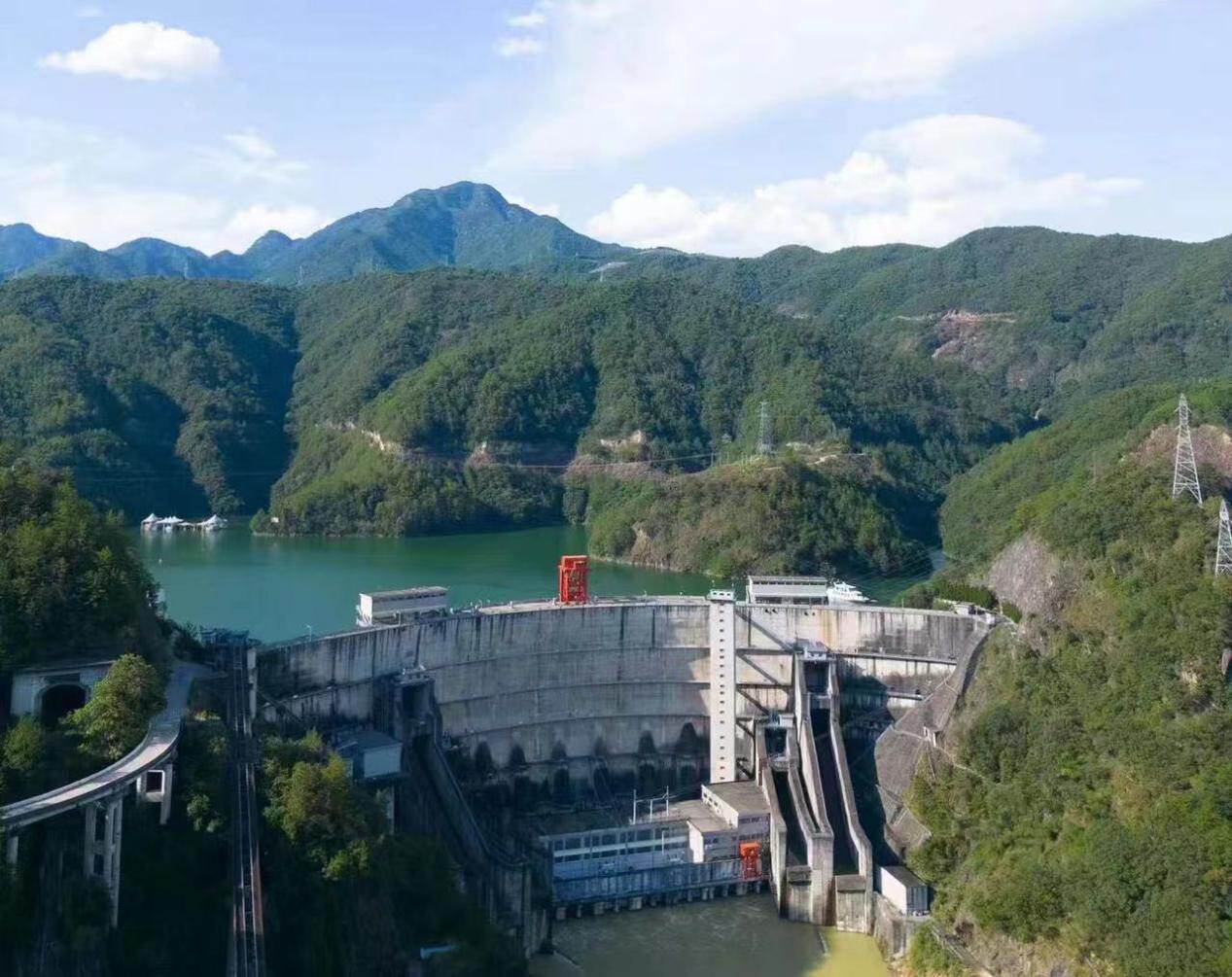
Clean energy reduces costs
In the South Asian country of Pakistan, Chinese photovoltaic products and technologies are driving the transformation and upgrading of the local energy structure. Pakistan has long relied on thermal power, facing many challenges such as power shortages, high electricity prices, and unstable power supply. With the large-scale implementation of photovoltaic equipment, technology, and complete solutions in China, Pakistan's new energy industry has developed rapidly, and the installed capacity of photovoltaics has grown significantly year after year, with millions of households using clean photovoltaic electricity. Chinese enterprises have innovated inclusive service models based on local market characteristics, launched flexible installment payment methods, significantly reduced the threshold for ordinary people to use new energy, and effectively reduced household electricity costs. The Mohmand hydropower station under construction in Pakistan is expected to generate approximately 2.86 billion kilowatt hours of electricity annually. The clean hydropower produced will be connected to the national power grid of Pakistan, providing stable renewable energy support for the country's energy supply. The project has currently provided over 5000 job opportunities for the local area. Keywords: strategic news and information, wind power, photovoltaics, hydropower
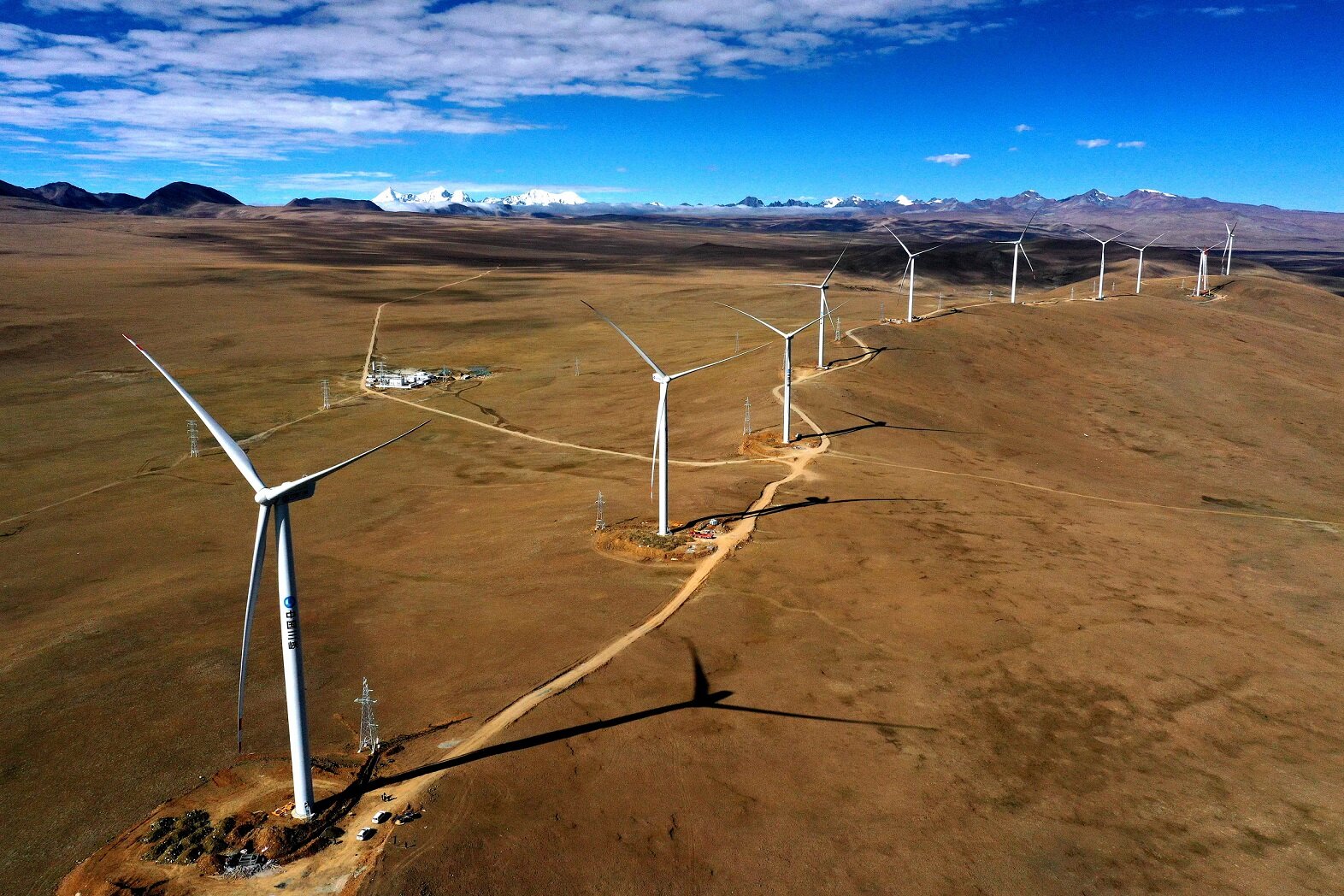
Off grid photovoltaics are popularized in rural areas
In the vast African continent, most areas have dispersed populations and complex terrains, resulting in high installation costs and difficult coverage of traditional large power grids, leading to long-term power shortages in many rural and pastoral areas. In response to this practical dilemma, China has promoted lightweight, easy to install, and independently operable off grid photovoltaic energy storage systems, which can achieve stable and continuous power supply without relying on the main power grid, successfully bridging the last mile of energy popularization. In grassland pastoral areas, remote villages, and refugee camps in Kenya, Chinese photovoltaic equipment has completely changed the local production and living conditions. Photovoltaic energy storage systems replace costly and polluting diesel generators, ensuring stable electricity supply for daily production, festive events, and small and micro businesses; Solar lighting enables rural schools to achieve night time teaching, greatly improving local educational conditions; Photovoltaic irrigation pumps are widely used in agricultural production, effectively reducing planting costs and helping to increase crop yields by about 30%. Clean, stable, and affordable green electricity not only illuminates rural areas in Africa, but also empowers the comprehensive development of education, agriculture, and small and micro economies.Editor/Gao Xue
Comment


 Praise
 Collect
 Comment

 Share


Write something~