 Search


- Transforming the advantages of the Bazhou Corridor into industrial and open advantages
- Promote the transformation of cooperation between Hebei and Xinjiang from one-way support to two-way joint construction, benefiting the livelihoods of both regions
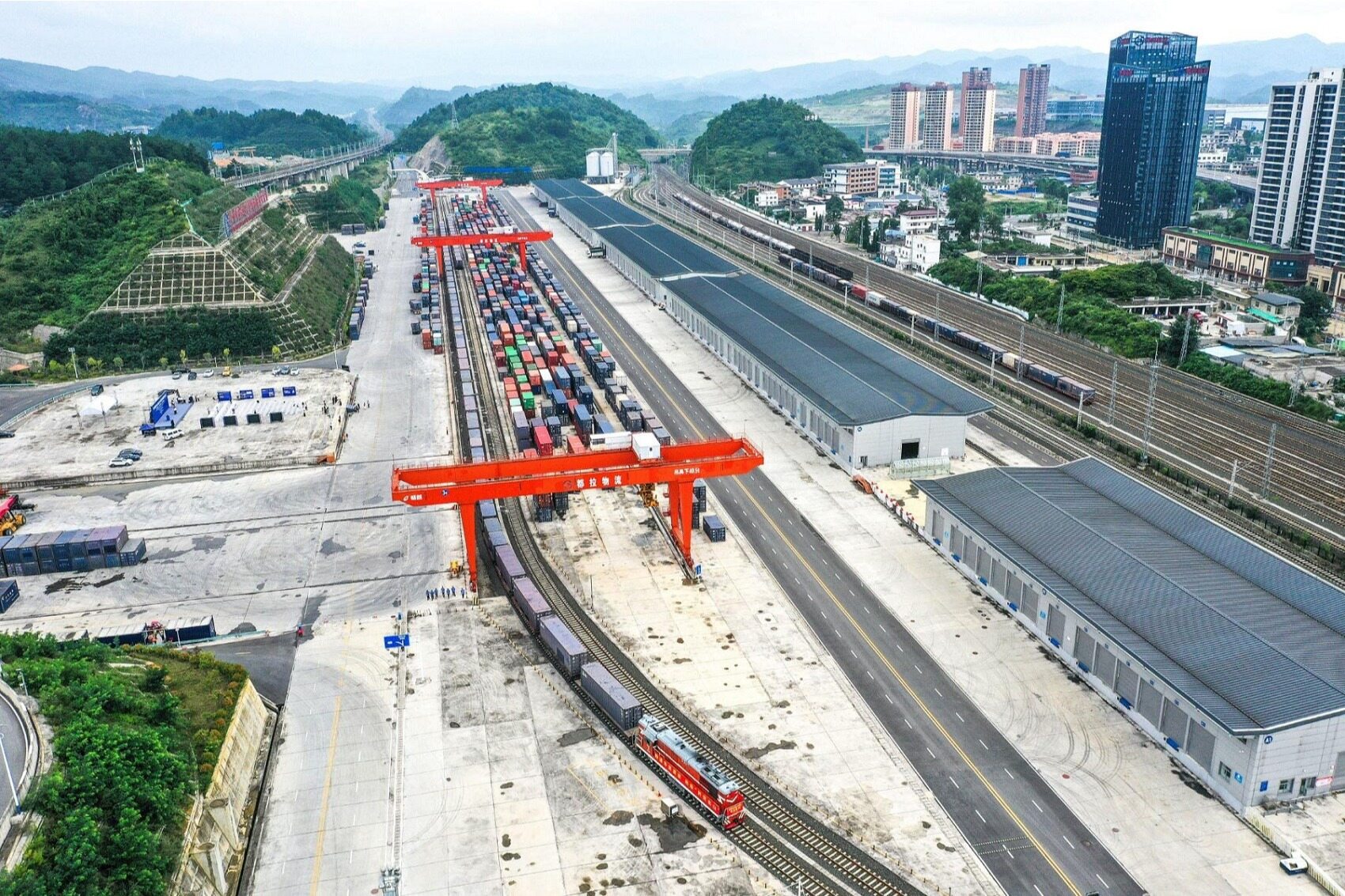
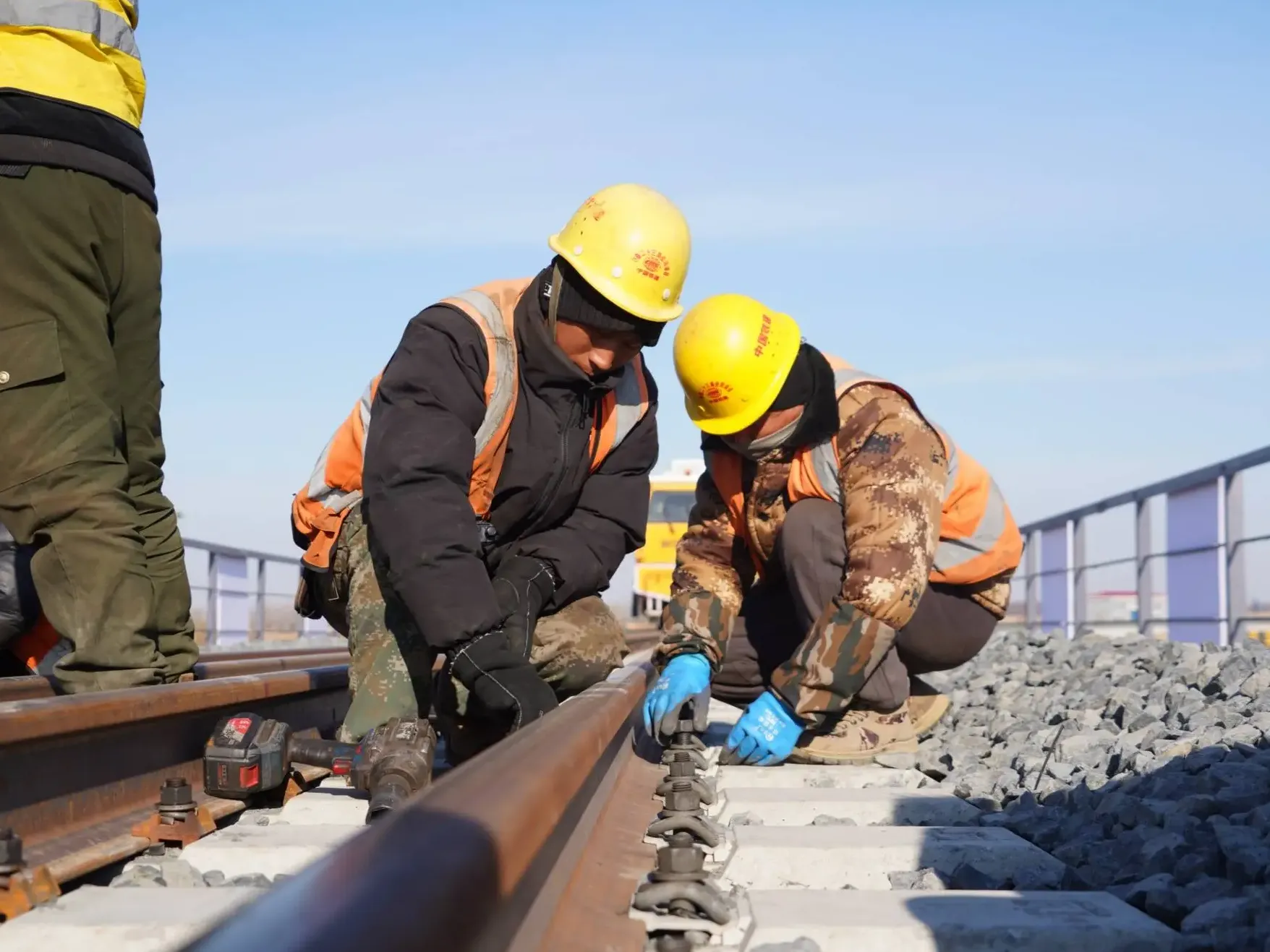
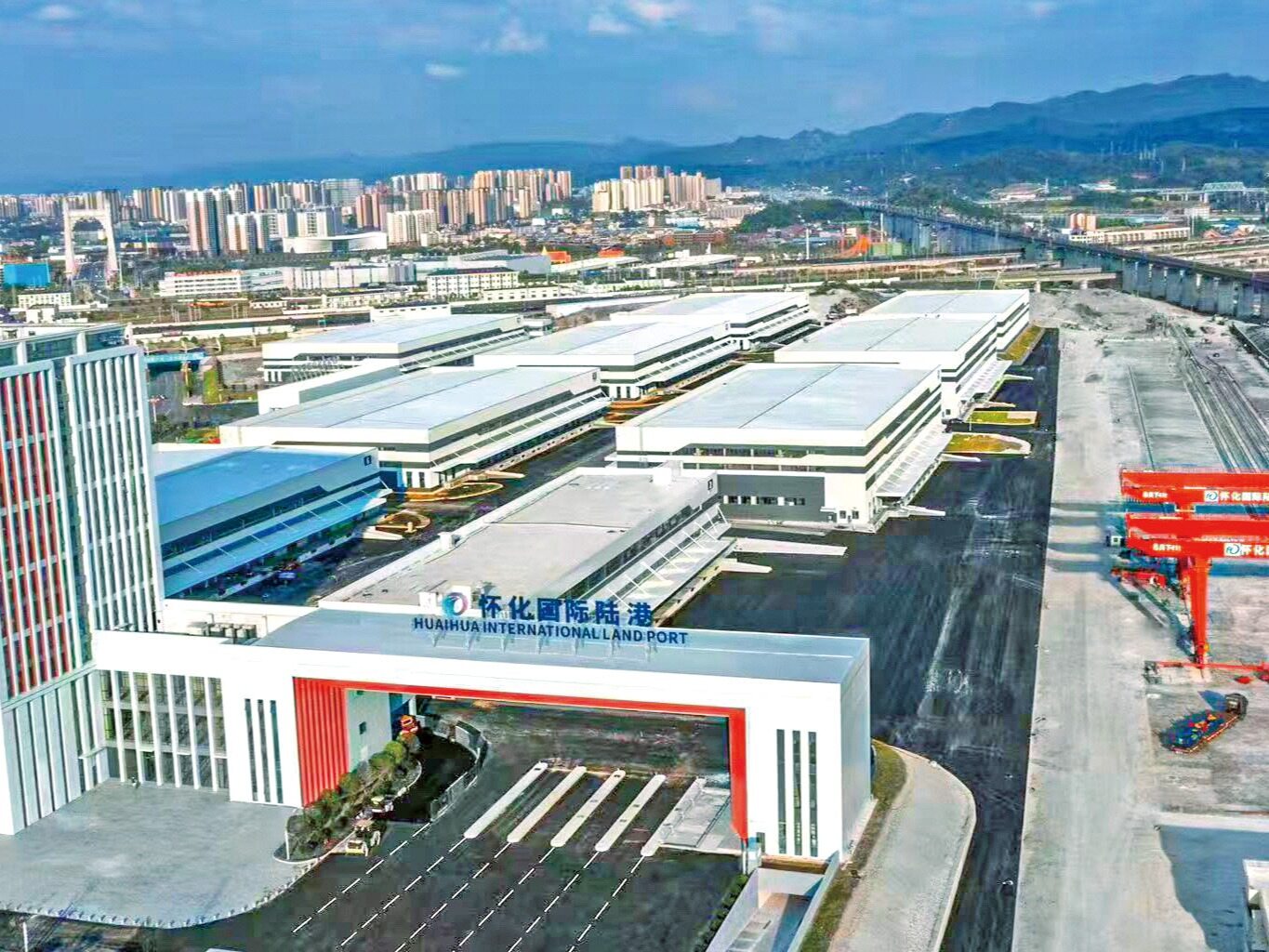
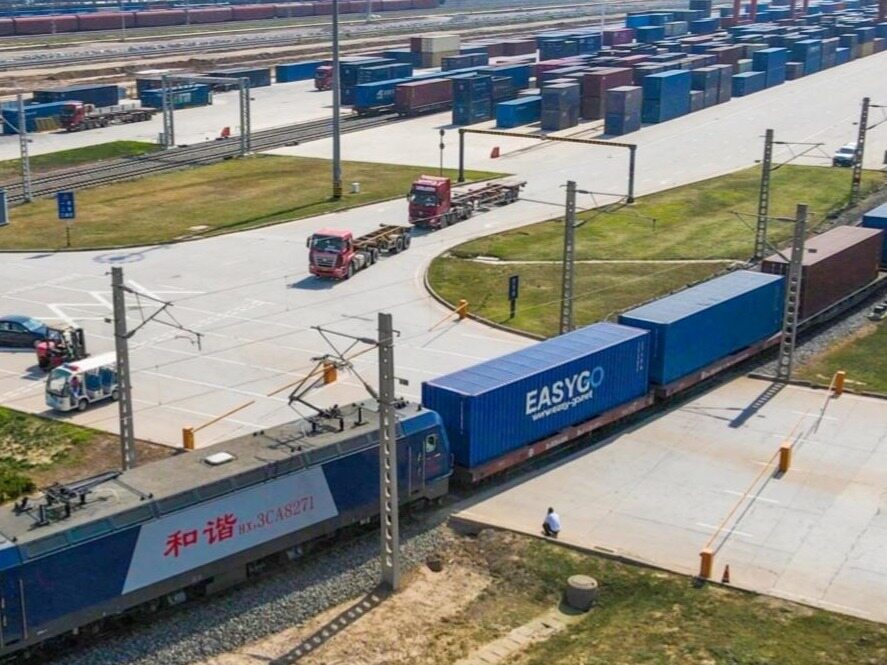
On the morning of October 15, 2026, a whistle pierced the tranquility of Liangcun Station in Shijiazhuang. The train, loaded with car parts, tires, and rubber products, slowly started and headed towards the Korla East Station in Xinjiang, 4000 kilometers away. This is the first train of the Beijing Railway Yanzhao Express Aid Xinjiang, running at a speed of 80 kilometers per hour for about 100 hours, efficiently delivering production materials from Hebei to southern Xinjiang. Ten days later, even bigger news came: from October 23rd to 25th, the Xinjiang Chamber of Commerce in Hebei Province followed the research team of the Hebei Provincial Federation of Industry and Commerce to conduct research in Bayingolin Mongolian Autonomous Prefecture. They signed joint construction agreements with the People's Government of Bazhou and the Federation of Industry and Commerce of Xinjiang Uygur Autonomous Region to build a land port logistics hub base and establish a normalized cooperation platform between the Federation of Industry and Commerce of Hebei and Xinjiang. According to the implementation path of channels, hubs, clusters, radiation, and chain connectivity, both parties will focus on promoting five tasks.
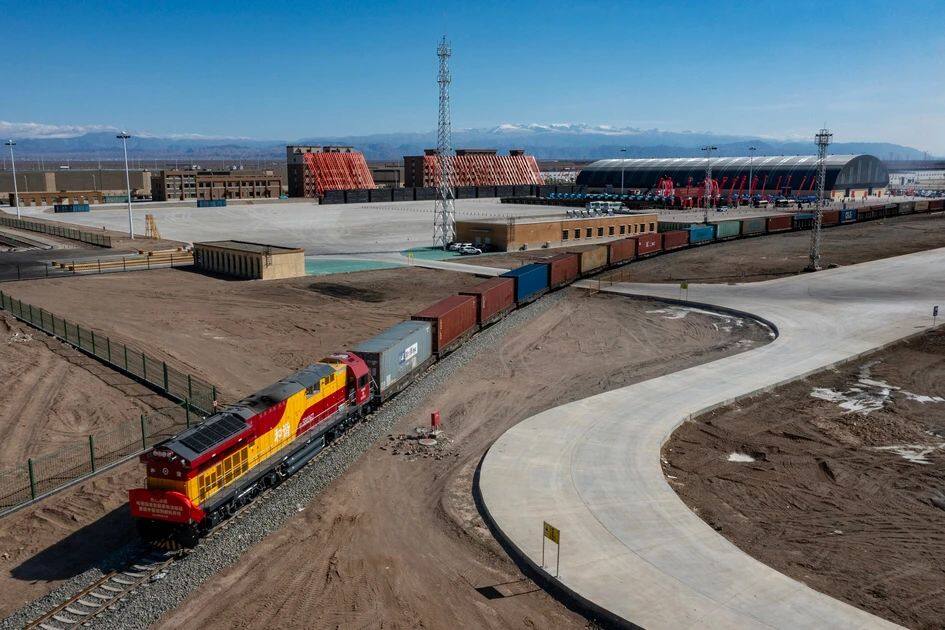
Train running acceleration
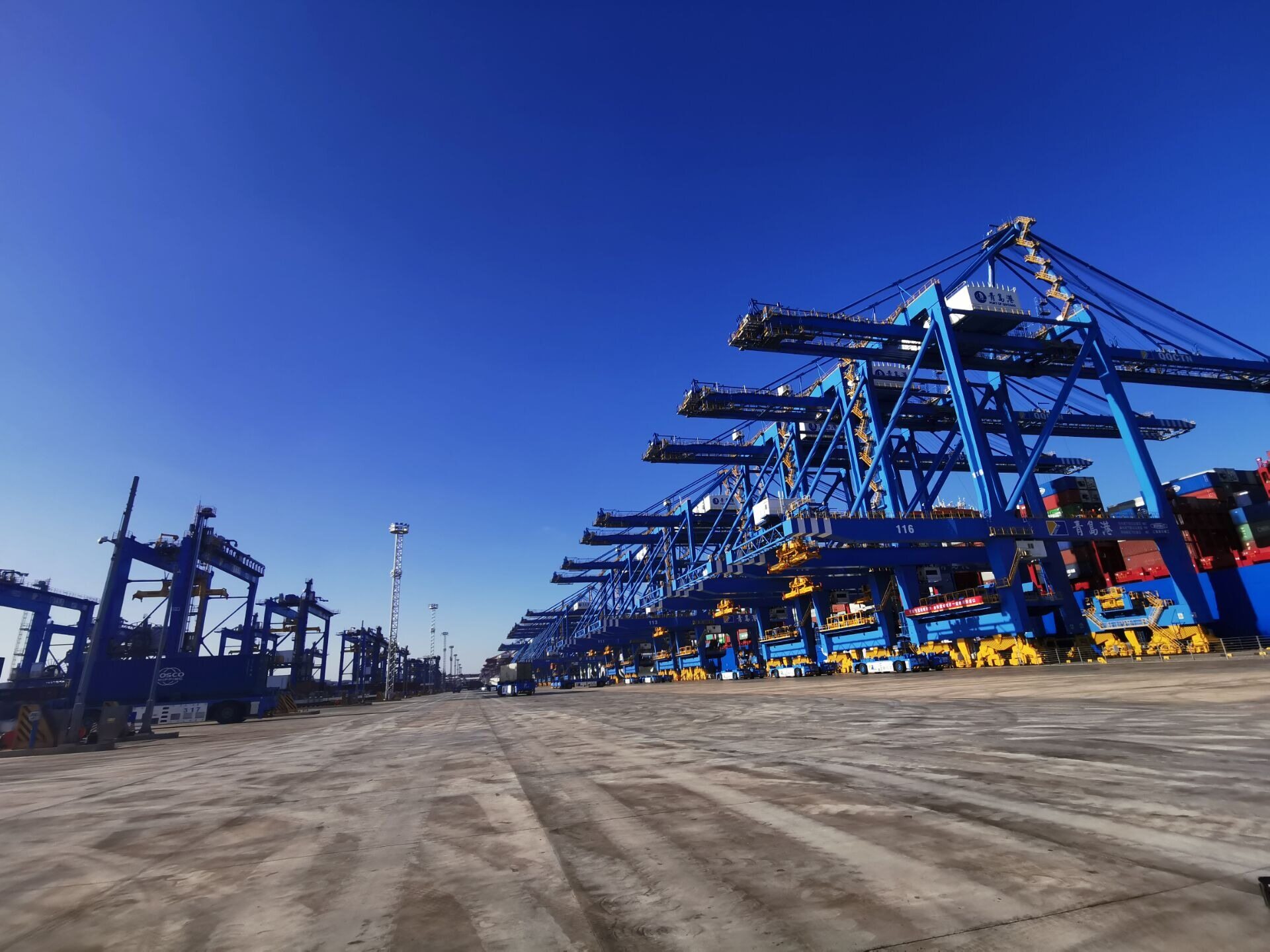
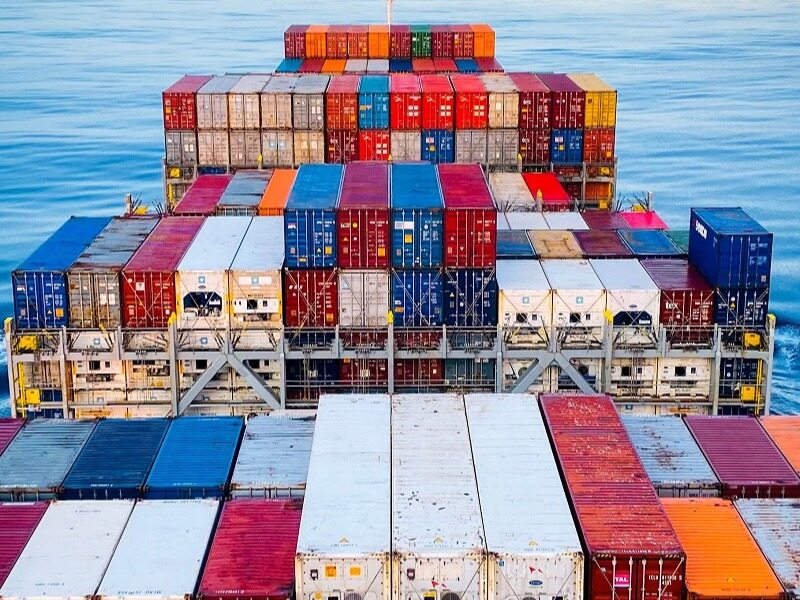
Optimizing backbone logistics channels ranks first among the five tasks. The current Hebei Xinjiang freight train has achieved normalized and market-oriented operation, with stable operation of the freight train from Liangcun to Korla East, establishing a dual pivot operation pattern of Shijiazhuang and Korla. Shijiazhuang Liangcun Station links with the Bohai Rim Port to gather inland goods, while Korla builds a distribution center in southern Xinjiang to integrate the flow of goods from southern Xinjiang and facilitate the two-way circulation chain of industrial products from the mainland entering Xinjiang and the eastward transportation of Xinjiang's characteristic products. As of now, the Hebei Xinjiang freight train has shipped a total of 82 trains and 8658 standard containers, driving a cargo value of over 3 billion yuan. For enterprises, direct channels have reduced transit links, significantly shortened transportation cycles, and reduced overall logistics costs, further enhancing the competitiveness of products in the domestic market.
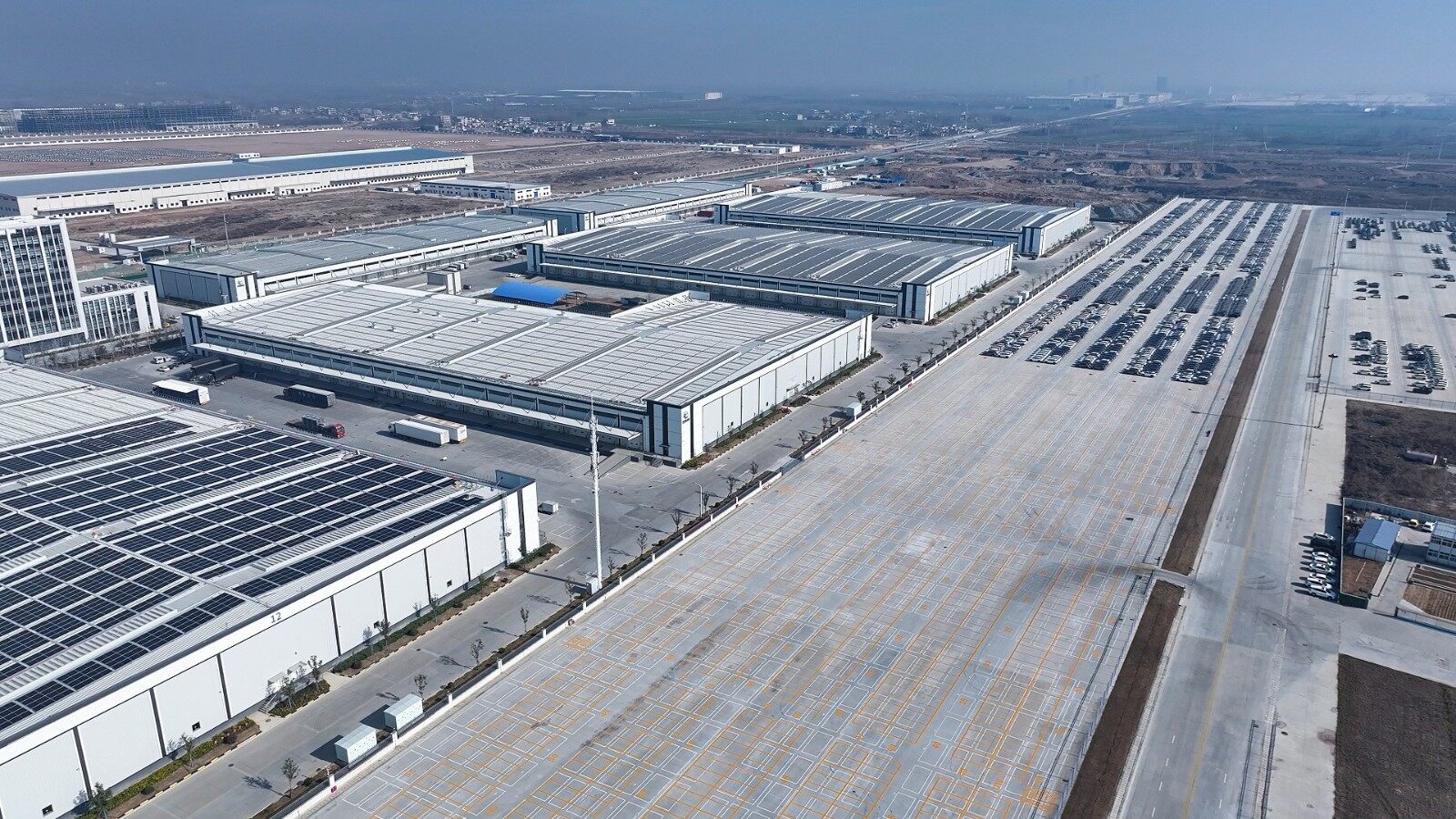
Hub enhances distribution level
Strengthening the hub distribution level is the second step. Both parties will implement the renovation and expansion of the Korla Container Center Station and plan to build a bonded logistics center. Korla is one of the 46 national logistics hub cities of land port type in China. It was selected for the national logistics hub construction list in November 2022, with a planned area of 3.89 square kilometers and a total investment of 2.919 billion yuan. The layout is one core, four zones, and two parks. In February of this year, the construction of the Land Port Hub Highway Port Logistics Park with a total investment of 280 million yuan began, and it is planned to be completed and put into use by the end of May 2027; The integrated project of cold chain storage and highway distribution, with a total investment of 120.85 million yuan and an area of 263.47 acres, is accelerating its progress. After completion, the total storage area will reach 120000 square meters. Data shows that the annual freight throughput of Korla in 2025 will reach 46.322087 million tons, a year-on-year increase of 4.23%; In the first half of 2026, it was 21784935 tons, a year-on-year increase of 2.86%, and the agglomeration effect of the core hub in southern Xinjiang continued to strengthen.
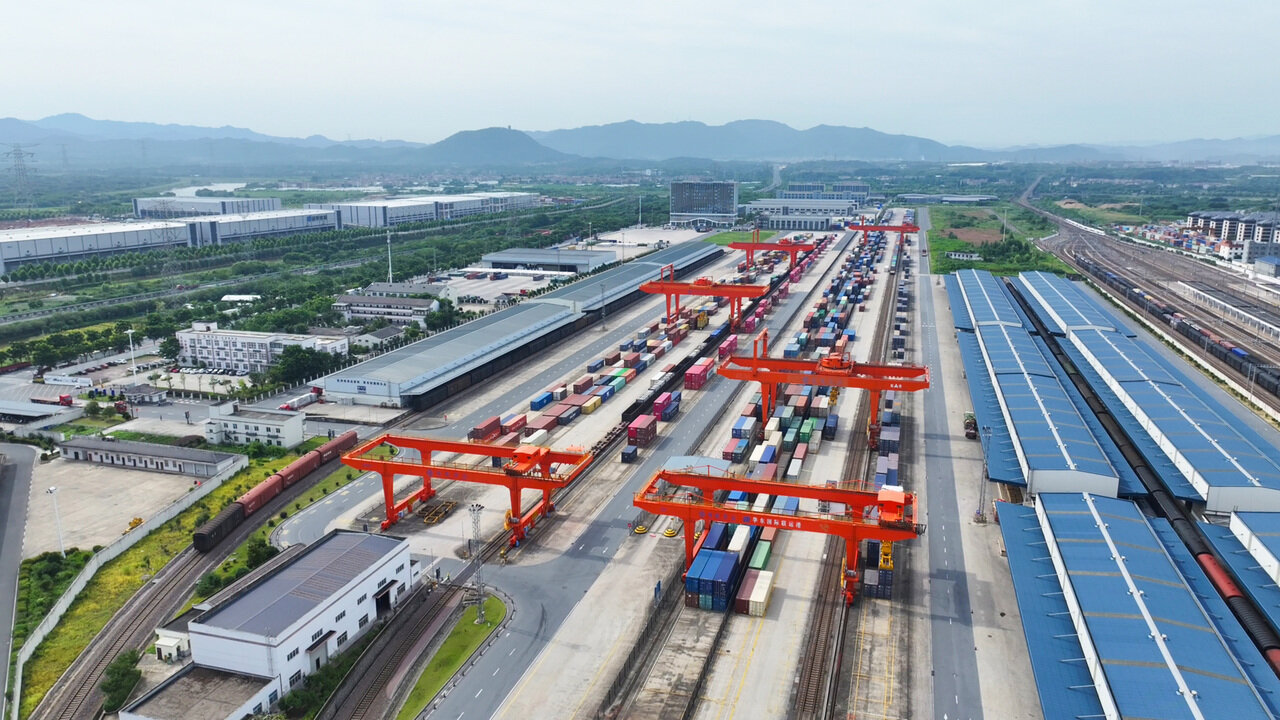
Industry opens up westward space
After the smooth passage, the industry follows. Both sides will cultivate a port industry linkage industrial cluster, create a dual demonstration zone for industrial cooperation in Hebei and Xinjiang, and build an integrated development model of railway ports, industrial zones, and bonded warehouses; Promote the integration of military and civilian areas, the joint construction of economic development zones, and the undertaking of industries, promote the local export of agricultural products, guide logistics industry resources to sink into counties, and drive employment and income growth for the masses. Looking outward, the China Kyrgyzstan Uzbekistan Railway starts from Kashgar, Xinjiang, passes through Kyrgyzstan to Andijan, Uzbekistan, with a total length of about 523 kilometers. The entire line will start construction in July 2025, with a construction period of 6 years. After completion, it can shorten the transportation distance by about 900 kilometers and save 7 to 8 days of transportation time. Relying on this new channel and port resources, the two regions can deeply cultivate the markets of Central Asia, West Asia, and South Asia, and foster outward oriented industries such as cross-border e-commerce and bonded processing.keywords:Dry port logistics news
Next, the chamber of commerce will continue to leverage the platform's carrier efficiency to promote the integration of Hebei's advantageous production capacity in wire mesh, fasteners, bearings, light industry textiles, and other industries with Bazhou's resources, ports, and labor factors. It will also promote innovative cooperation models that combine Hebei's research and development with Xinjiang's manufacturing and headquarters in Hebei, and organize member enterprises to visit Bazhou for investment and development. Hebei equipment manufacturing and light industry products are transported westward, while Xinjiang tomatoes, peppers, cotton, two red and one white, and mineral products are sold to the Beijing Tianjin Hebei and national markets, effectively reducing logistics costs for enterprises. From a train to a hub, and then to an industry, the cooperation between Hebei and Xinjiang is moving from one-way support to two-way co construction.Editor/Yang Meiling
Comment

 Praise
 Collect
 Comment

 Share


Write something~