 Search


- China Russia freight rises against the trend, adding confidence to the Eurasian supply chain
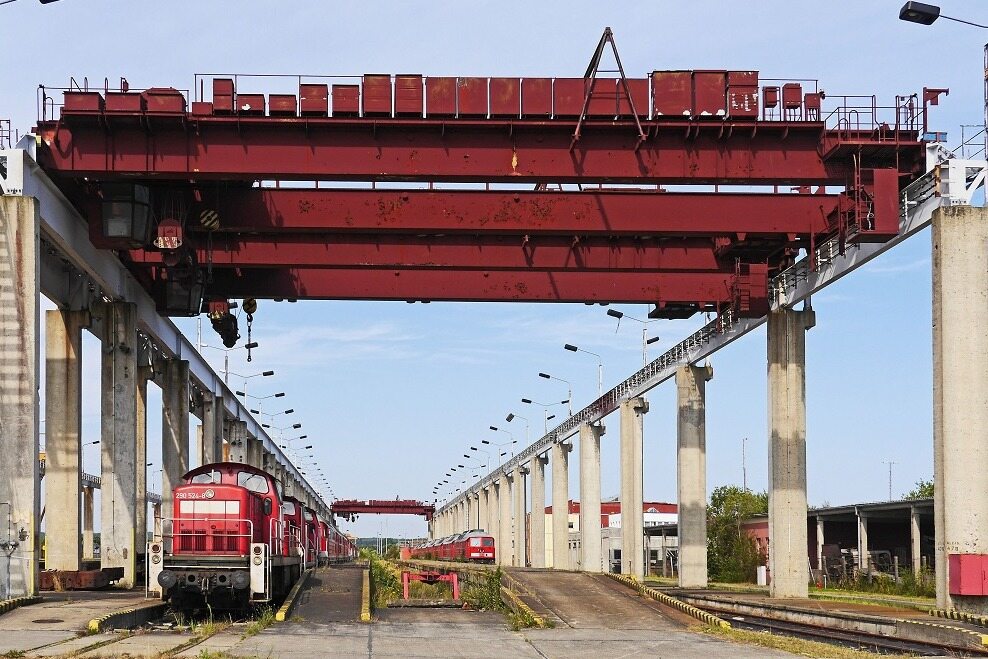
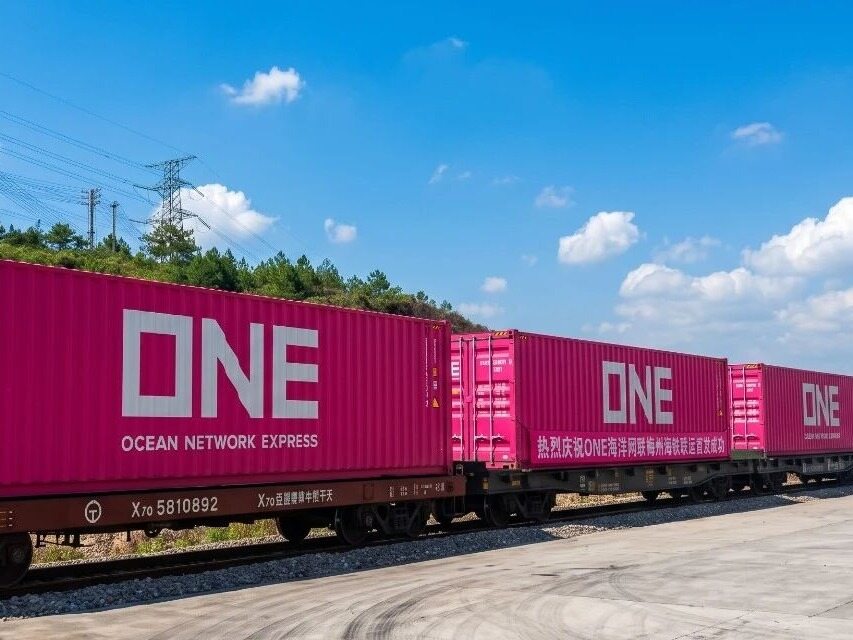
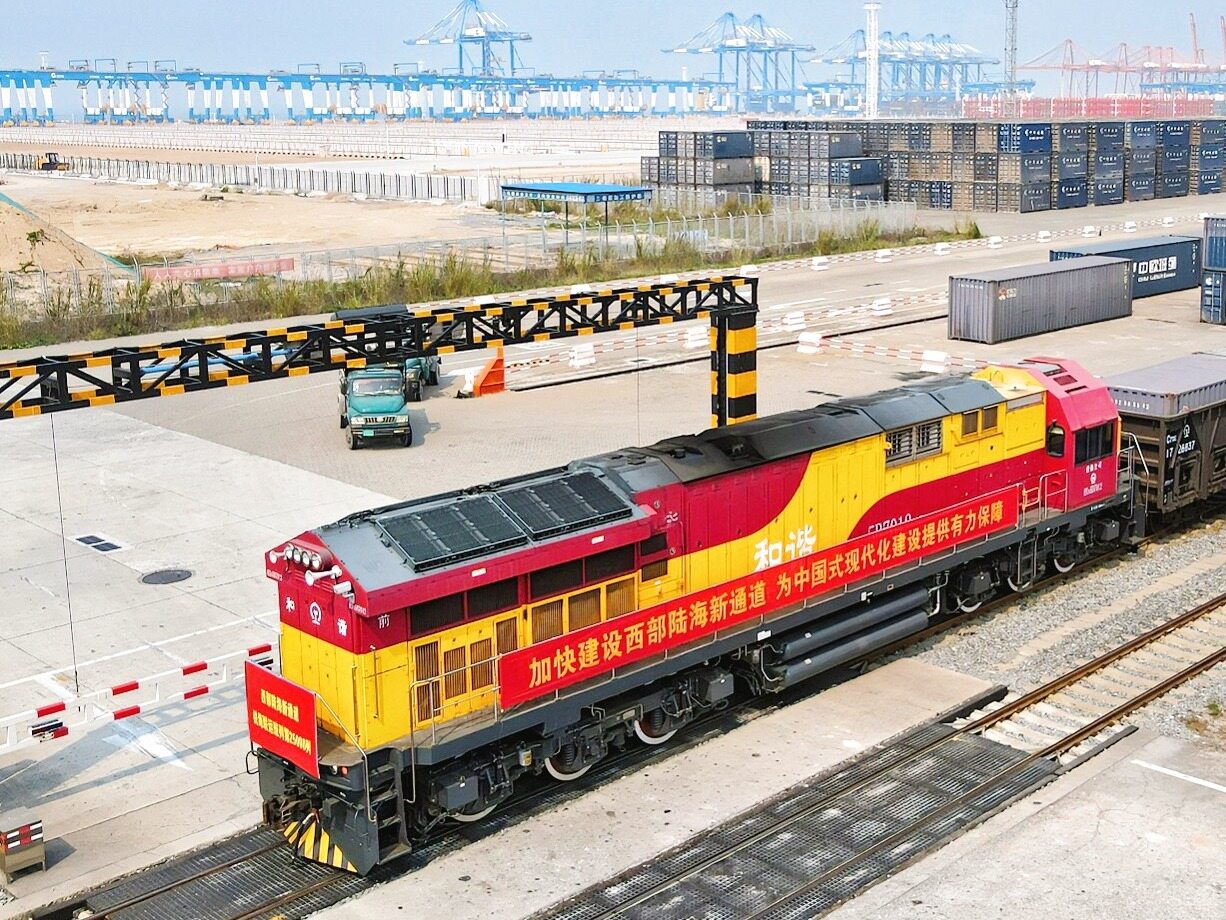
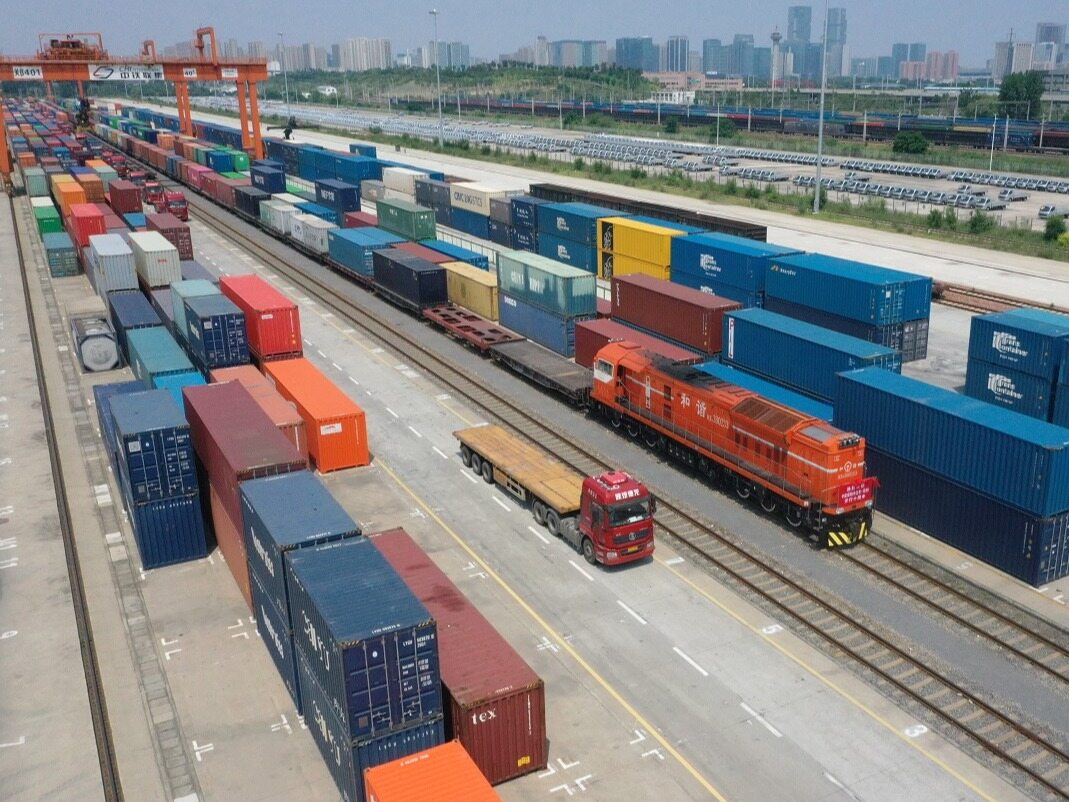
In the conference hall of Verona, a train schedule was repeatedly mentioned. A long queue of steel rails loaded with containers is weaving day and night between the snowstorms and frozen soil in Siberia, connecting the workshops of Chinese factories with the shelves of European markets. In the past two years of global sea freight detours and fluctuating freight rates, the value of land bridges has been re evaluated.

Numbers speak
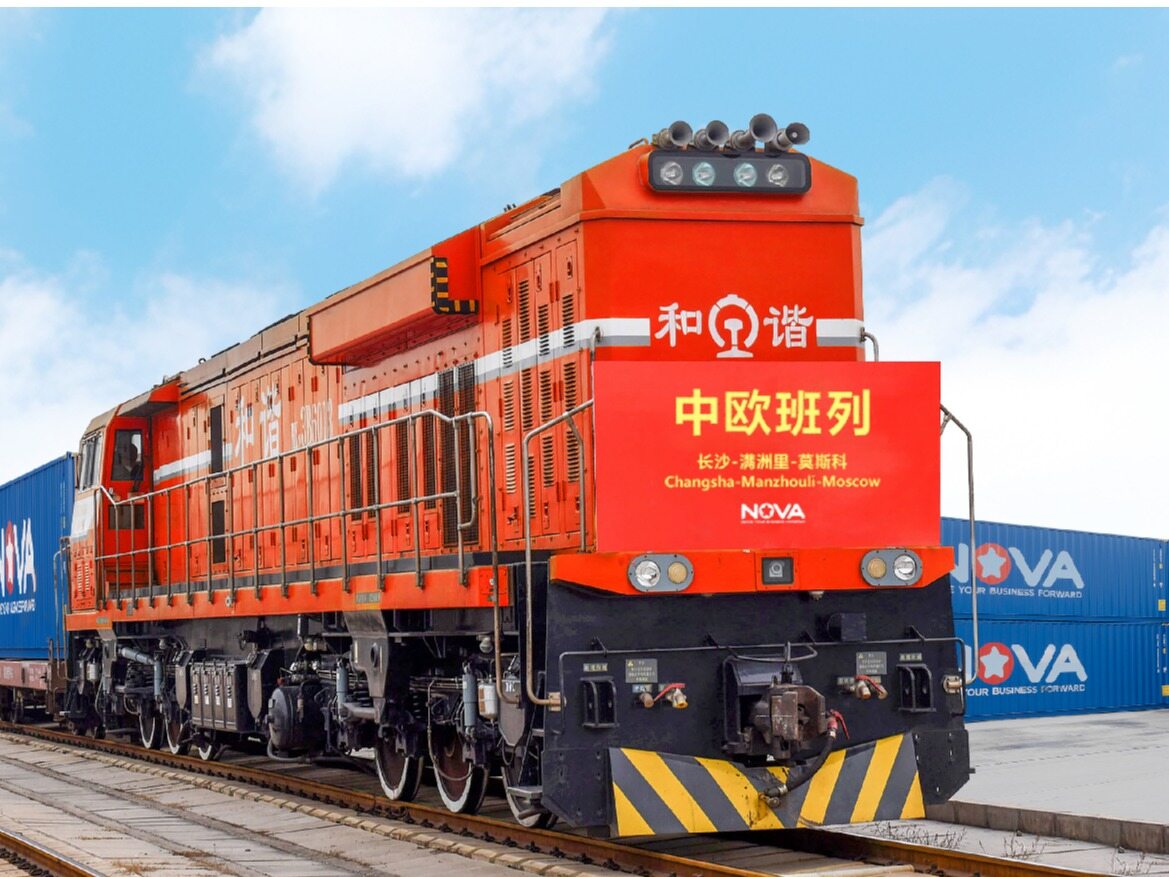
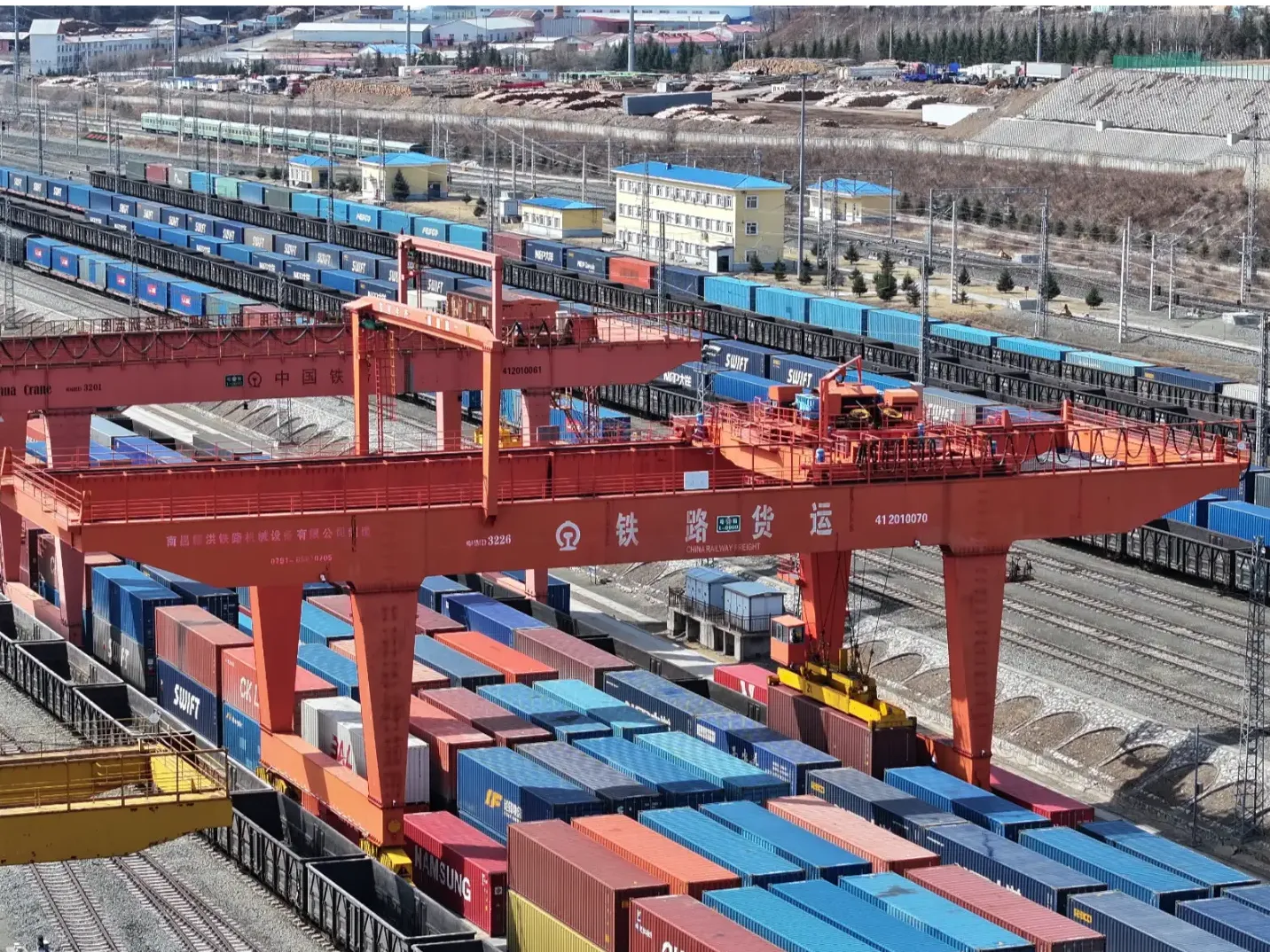
Vadim Mikhailov, the First Deputy General Manager of Russian Railways, stated at the Verona Eurasian Economic Forum that Russia's total freight volume to China reached a historical high of 187 million tons last year, with a growth rate of 6%. The freight volume between the two countries will continue to maintain a good growth trend in 2026. In years of ups and downs in bulk trade, this 6% grew against the wind direction. According to him, the train operation schedule for 2026-2027 includes more than 3000 container trains, half of which are in the direction of China, equivalent to several trains running in opposite directions on average every day. The container express train only takes two weeks to travel through China and Russia, with a speed twice that of conventional transport trains. It is this certainty that shippers can afford. For manufacturing enterprises, one point less inventory pressure means one point less capital flow, which is also the reason why the schedule becomes increasingly full. Keywords: China Russia railway freight, Eurasian supply chain

Reconstruction on steel rails
The senior executive of Russian Railways emphasized that the railway freight volume between China and Europe via Russia in 2026 will increase by 20% compared to last year, and the transportation connection has not been interrupted, but is being reconstructed based on the inherent stability of railways. The so-called reconstruction refers to changing the route and structure, while keeping the wheel rotation and cargo transportation unchanged. Previously, Irina Magnusshevskaya, Deputy General Manager of Russian Railways, told reporters at the end of April that in 2026, Russian Railways plans to continue increasing its railway freight volume to China, with a planned growth rate of 1.7%, reaching at least 190 million tons. From 187 million tons to 190 million tons, the number doesn't seem large, but it falls on the timetable of the Trans Siberian Railway, with one train after another of real carriages. No matter how strong the wind and snow, business on the steel rails will continue to move forward as usual.Editor/Min Jing
Comment


 Praise
 Collect
 Comment

 Share


Write something~