 Search


- Beijing builds green hydrogen trading center, aiming for a billion dollar industry in the Beijing Tianjin Hebei region
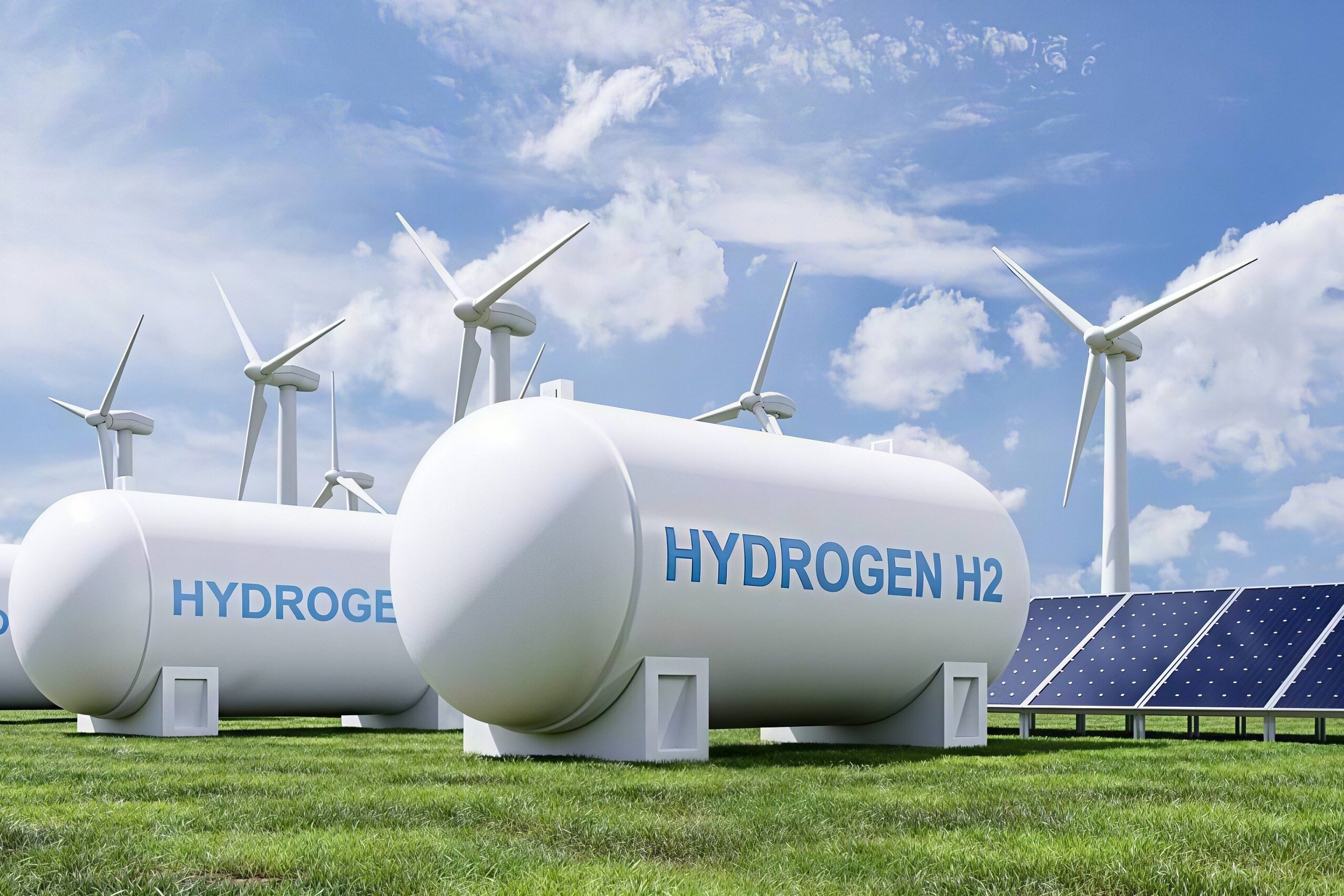
On October 30, 2026, Beijing released the implementation plan for the development of the hydrogen energy industry. When the wind and solar power in the northwest Gobi Desert is abandoned due to consumption bottlenecks, and the diesel backup power in the eastern data center is facing constraints due to carbon emissions, hydrogen energy is being pushed to the forefront as a converter connecting green power production and zero carbon consumption. This plan in Beijing breaks away from the single transportation subsidy concept and embeds hydrogen energy into the storage hub of the new energy system.
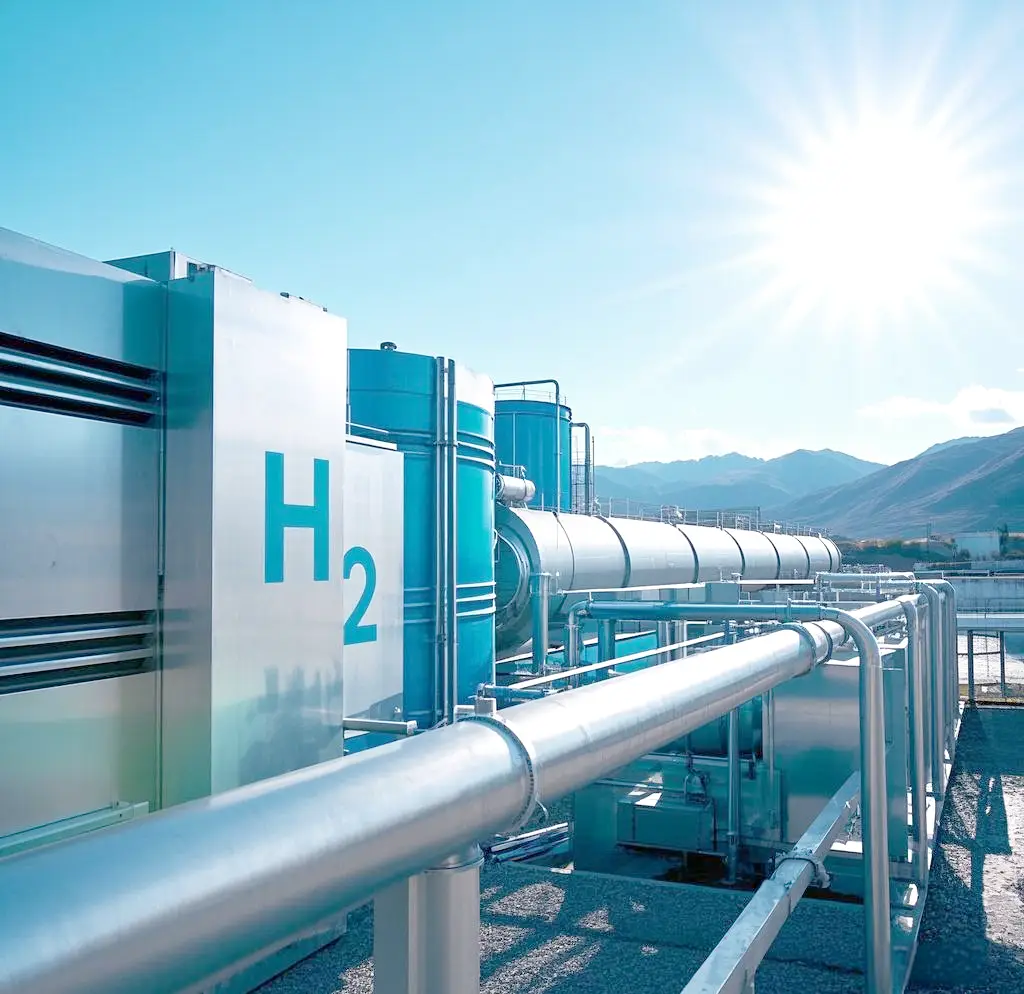
Ten thousand hydrogen vehicles and hydrogen refueling network
The plan specifies that by 2030, the cumulative promotion of fuel cell vehicles will exceed 10000, and over 40 hydrogen refueling stations will be built. The value of transportation scenarios lies in creating stable basic hydrogen demand, driving continuous iteration of upstream production, storage, and refueling infrastructure, and diluting the entire chain cost. Synchronously expanding light scenarios such as hydrogen forklifts and two wheelers, relying on the layout of hydrogen electric coupling green microgrids in the three demonstration zones of Daxing, Fangshan, and Changping, promoting the landing of hydrogen fuel cells and hydrogen gas turbines in data centers and pilot projects for cogeneration, and making hydrogen energy a flexible regulation resource for regional microgrids.
Reduce costs by 30% and tackle key materials
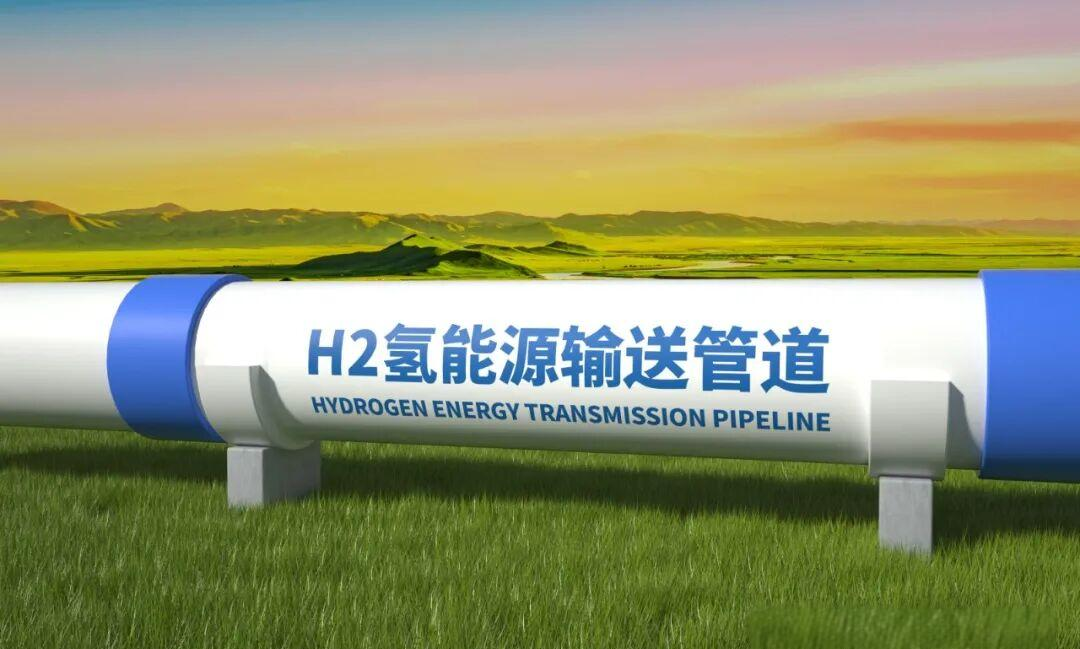
Cost is the core constraint for the scaling up of hydrogen energy. The plan proposes to strengthen the entire industry chain of fuel cell vehicles, support vehicle and system leaders, and promote collaborative research and development of key materials such as membrane electrodes, catalysts, carbon paper, and bottle valves. The mass production project of hydrogen electric integrated chassis has been launched, with a production capacity of tens of thousands of fuel cell vehicles, supporting power systems, stacks, membrane electrodes, and key materials, promoting a comprehensive cost reduction of over 30% for the entire vehicle and core components. Upgrade the national level hydrogen energy innovation center and build a pilot platform around cutting-edge directions such as liquid hydrogen equipment, high-temperature membrane fuel cells, new electrolytic hydrogen production, and hydrogen internal combustion engines. Keywords: strategic news and information, new energy, green hydrogen
Cracking pricing for green hydrogen trading
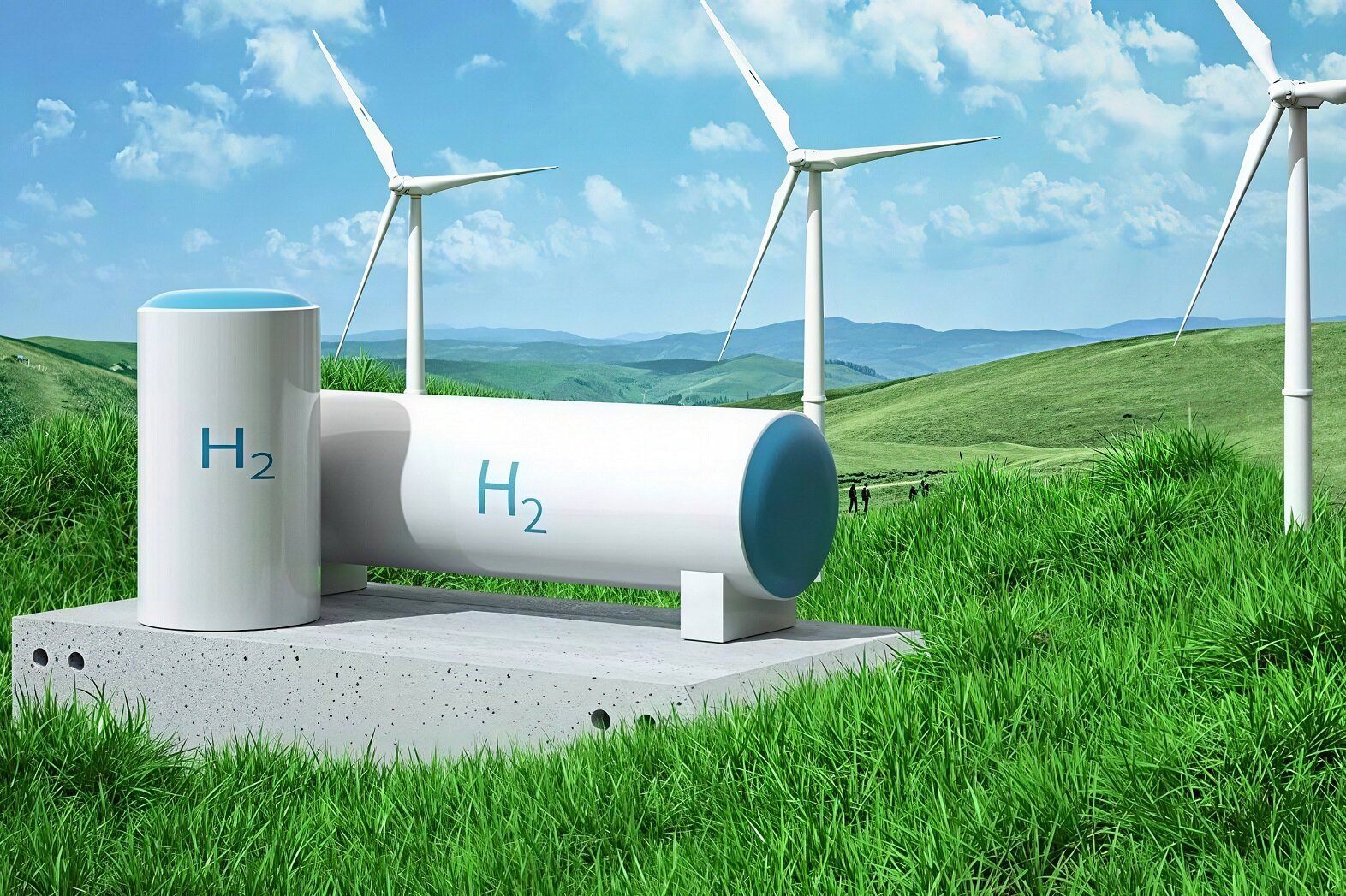
The most strategic aspect of the entire article is the construction of a green hydrogen trading center. The plan is based on the intersection of the Three North Green Hydrogen Supply Belt and the Coastal Consumption Demand Belt, relying on the advantages of innovation, finance, industry, and infrastructure in the Beijing Tianjin Hebei region, to create a hydrogen energy trading market that is collaborative, open, and transparent in terms of hydrocarbons. In the past, green hydrogen was mostly a peer-to-peer agreement, lacking standardized trading targets and fair prices, and financial institutions dared not invest in it for the long term. After the landing of the trading center, hydrogen energy can become a standardized tradable asset like green electricity and carbon quotas, forming a dual channel of power grid transmission and hydrogen energy transmission, sharing the pressure of ultra-high voltage, and expanding the boundary of new energy consumption. The plan also proposes to promote mutual recognition and interoperability of standards in the Beijing Tianjin Hebei region, laying a solid institutional foundation for the region's billion dollar hydrogen energy industry cluster.Editor/Gao Xue
Comment




 Praise
 Collect
 Comment

 Share


Write something~