 Search


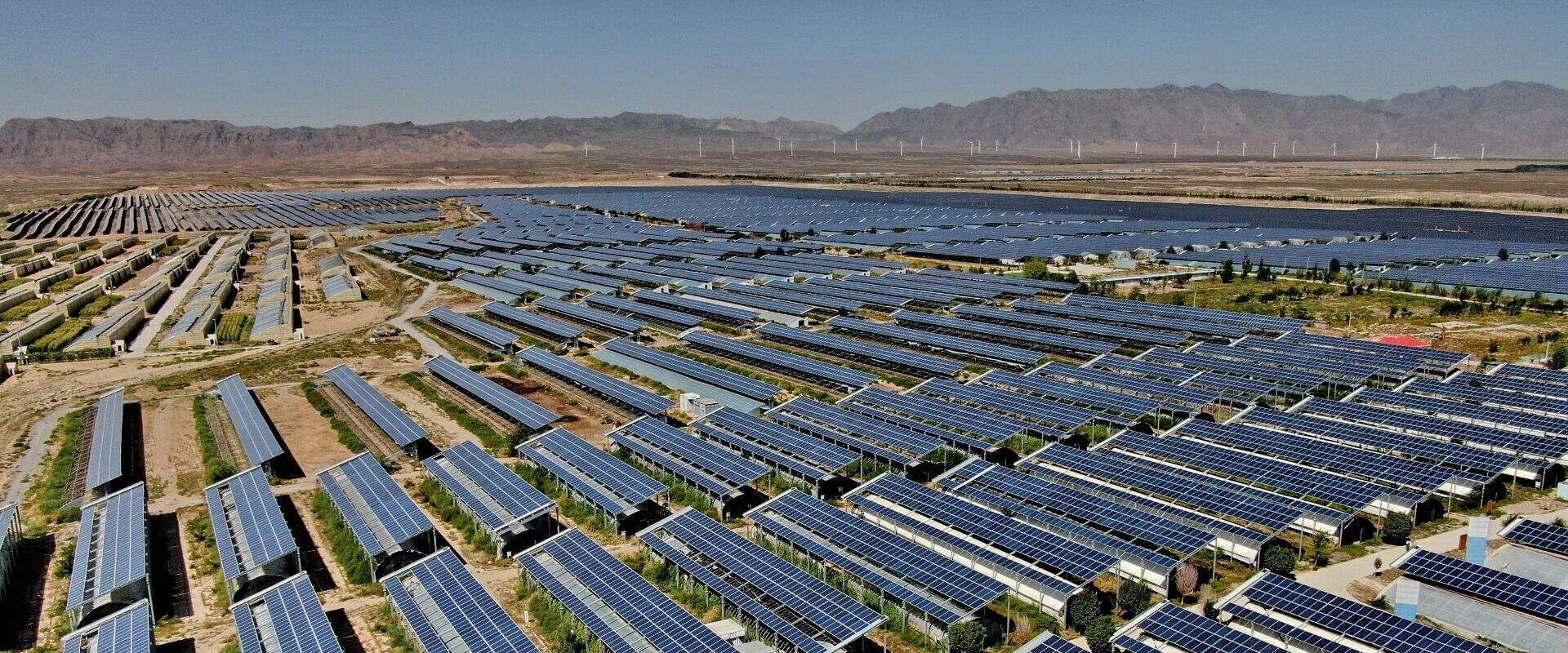
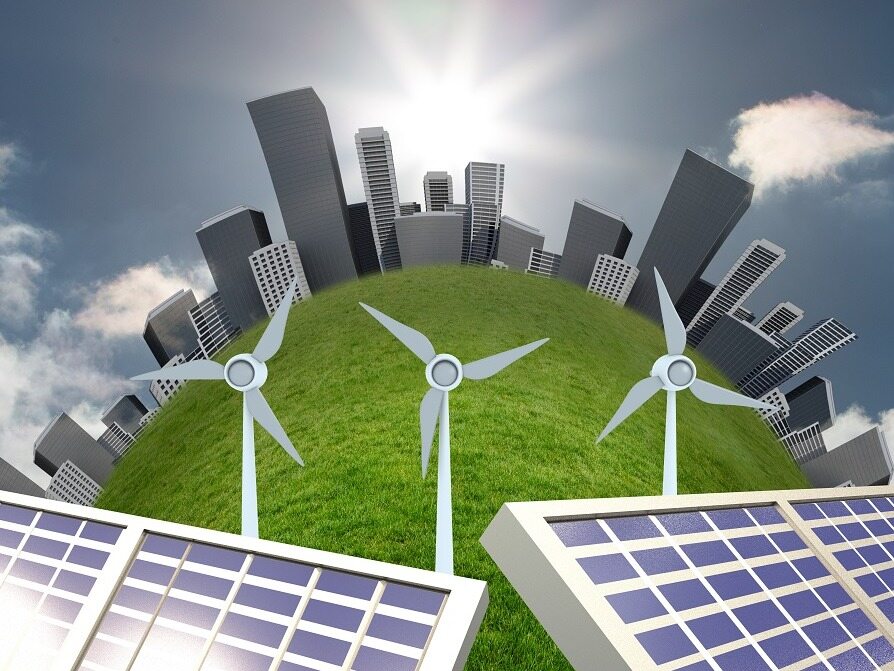
- 80 sets of off grid photovoltaics will deliver clean electricity to rural schools, clinics, and water supply points in Kenya
- Let public services not wait for the power grid, adding a benefit to China Kenya South South cooperation for the people
As it gets dark, the drums on the Maasai Mara grassland are still ringing. A few years ago, I had to rent a diesel generator for my wedding, but when the oil ran out and the lights went out, I had to leave the venue; After the off grid photovoltaic system in China is connected, children can dance to the fullest and have more time to read at night. This kind of daily routine is expected to extend to more remote rural areas such as Kilifi County and Tana River County.
Without waiting for the power grid
Kenya does not lack sunshine, as the equator crosses, but what is lacking is the power grid that delivers electricity to scattered villages. Villages are scattered in grasslands and semi nomadic areas, and the cost of extending the route increases for every kilometer. The more remote it is, the more likely it is to be left outside the network.

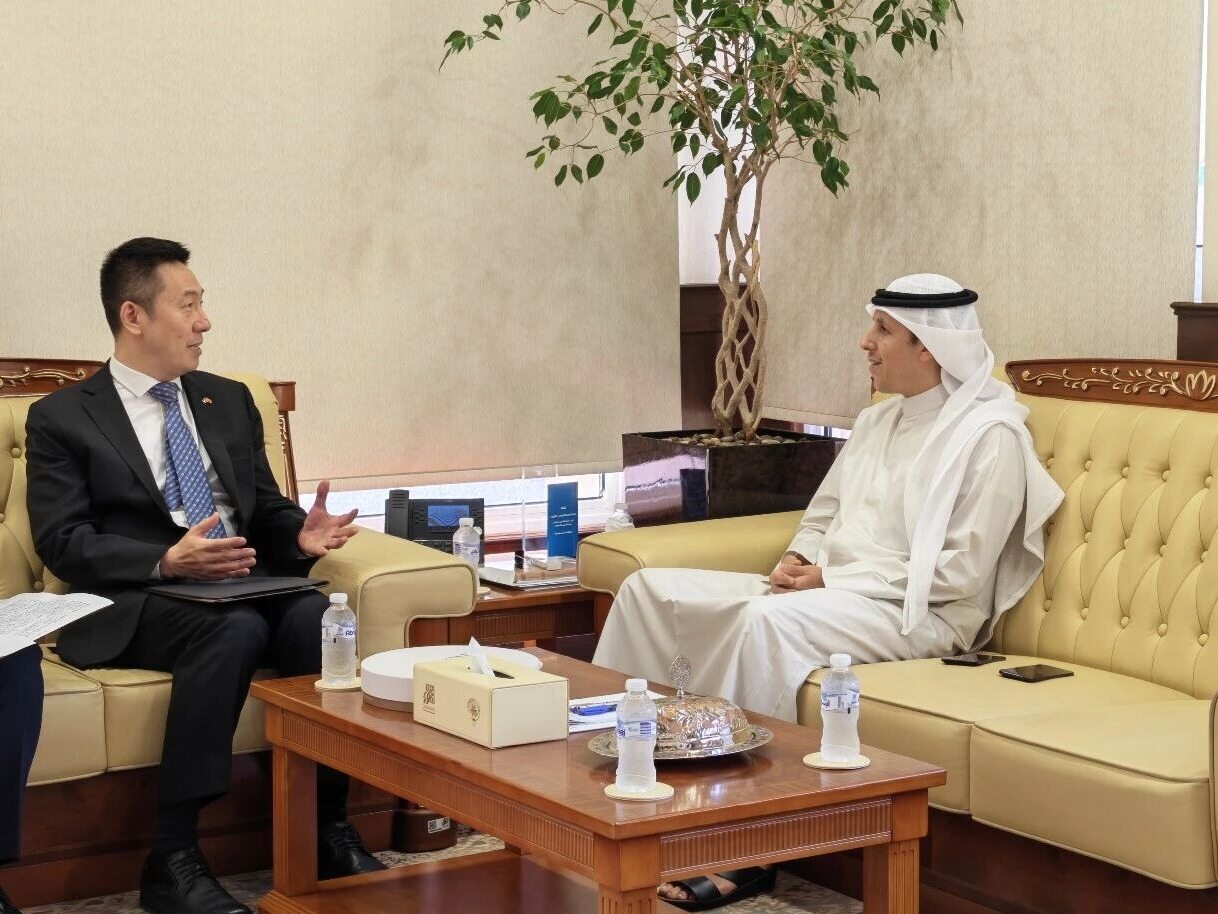
China and Kenya recently signed a memorandum of understanding: China will provide equipment to deploy 80 sets of off grid solar photovoltaic systems in remote villages such as Kilifi County and Tanahe County, to supplement electricity for schools, clinics, and community water supply systems. According to the Chinese embassy, the document belongs to the African Belt and Road Initiative for China Kenya South South Cooperation to address climate change. The Kenyan Ministry of Energy and Petroleum participated in the signing, and the UNICEF office in Kenya witnessed it. The specific investment amount has not been disclosed.
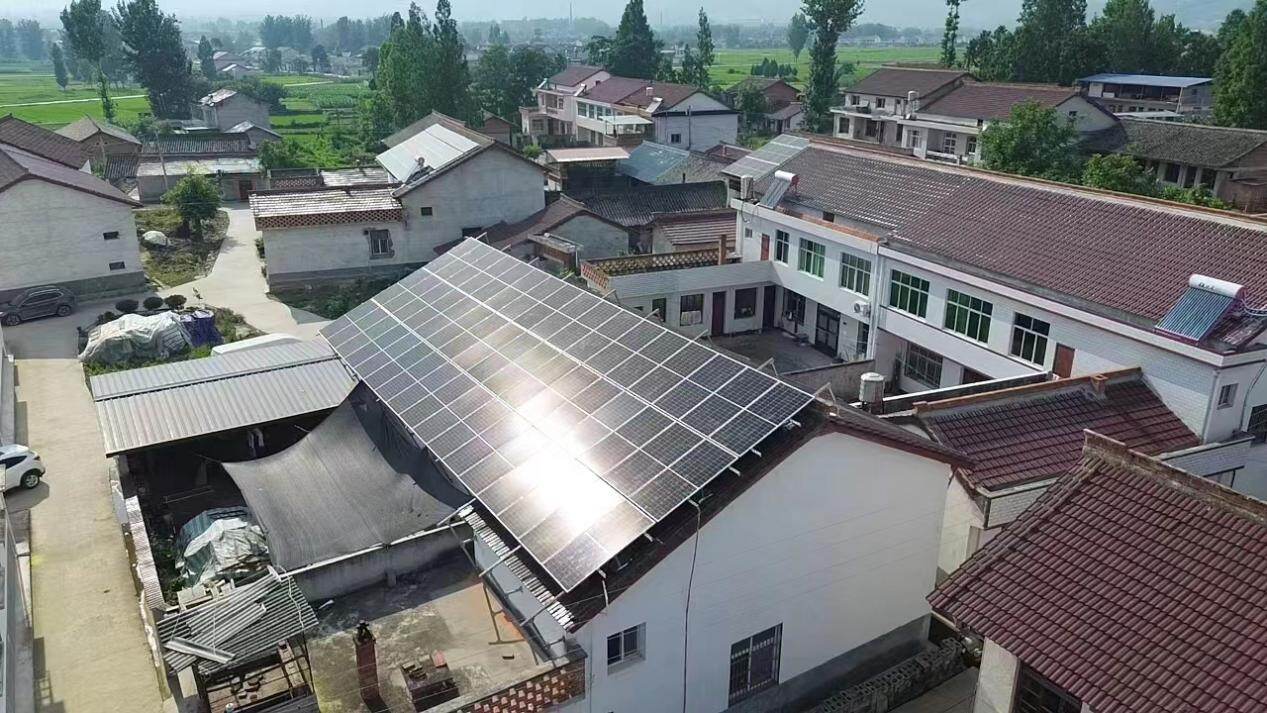
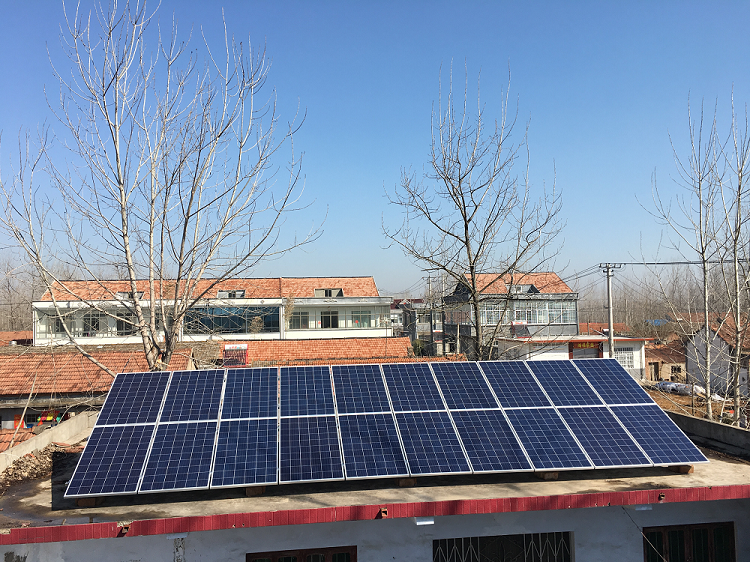
Small systems do not rely on large power grids, they can generate electricity with sunlight, deploy on demand, and do not have to wait for power lines to be repaired at the doorstep. From the Garissa photovoltaic power station to the practice of African photovoltaics in other countries, the extension of China Africa energy cooperation to small and beautiful is ultimately about making it accessible and affordable for schools, clinics, and communities.
Looking at the fields from the sky
During the same period, Tetatavita County used satellite remote sensing for agricultural monitoring and food security in semi-arid areas. Unstable rainfall and recurrent drought conditions make it difficult to see where water is scarce and which crops are deteriorating in a timely manner by relying solely on people running through fields.
Watching the fields from the sky fills the information gap: satellite imagery can track growth, estimate yields, identify pests and diseases, and also predict drought conditions in advance. The Central African Satellite Remote Sensing Cloud Service Platform has been deployed in multiple African countries, providing images for farmland protection and disaster prevention and reduction; Research institutions have also used radar and optical data to draw land cover maps and identify water storage depressions in agricultural and pastoral areas for the county. The Central African team has also used remote sensing to assist in disaster relief assessments. Turning data into locally applicable judgments is more crucial than obtaining images. The project also did not disclose the investment amount.
Same direction but different items
There is a tacit understanding between two things on the same map: one is to supplement energy access, and the other is to strengthen agricultural disaster prevention and production increase, both located in remote rural areas, but tacit understanding is not binding. The two belong to energy and agriculture respectively, and are livelihood issues promoted at the same time, which should not be regarded as part of the same project; The aforementioned remote sensing accumulation is only a broader background.
In terms of public information, both collaborations are in the stage of agreement signing and early planning, and the progress of implementation, coverage, and specific beneficiaries are yet to be disclosed. Rather than reading it as a big gift package, it's better to see it as two parallel lines: one delivering electricity to the public service end, and the other delivering data to the field decision-making front-end. The next step is to focus on the public progress of the Kenyan Ministry of Energy and Petroleum and relevant county governments.Editor/Yang Meiling
Comment



 Praise
 Collect
 Comment

 Share


Write something~