 Search


- Trading extremely low engineering costs for a leap in cross-border efficiency
- This also confirms that the logistics center of gravity in Russia is accelerating towards the east
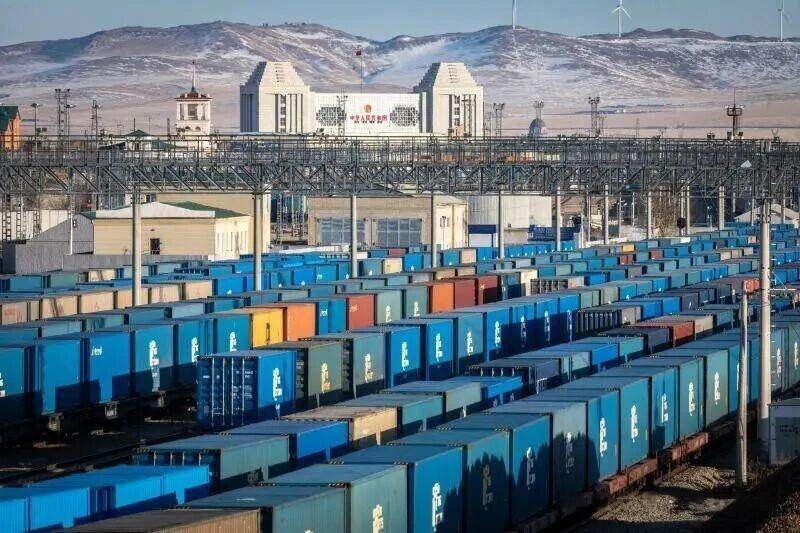
As soon as dawn broke, several rounds of sirens had already sounded at the Manzhouli Station dressing area. The gantry crane lifted the container from the 1520mm wide gauge train and translated it onto the 1435mm standard gauge train. The difference between the two steel rails is only 85 millimeters, and the length of a finger requires every batch of goods to stop here. This century old port, built in 1901, undertakes over 60% of the railway transportation for Sino Russian trade. Now, change is falling on this threshold.

85mm transit barrier
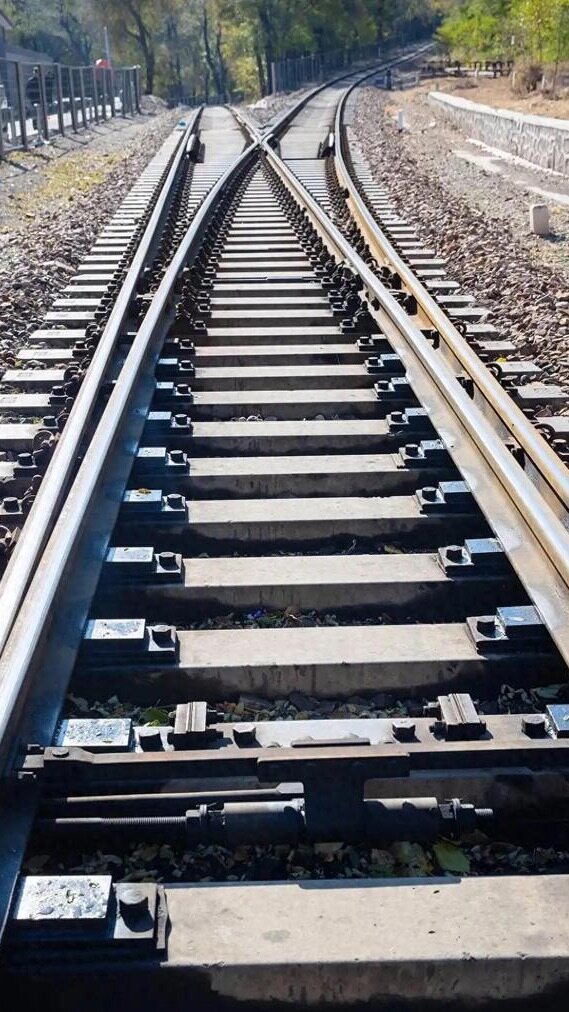
The Chinese railway network uses 1435mm standard gauge, while Russia uses 1520mm wide gauge. After the goods pass through the Baikal Manzhouli Port, they have always been connected through cargo exchange, vehicle bogie or wheelset replacement. Intelligent lifting presses single column replacement into hourly level, and fast operation does not mean unobstructed channels. In the past, in Manzhouli, the waiting time for container changes was as short as 7 to 14 days, and during peak hours, the backlog of containers could reach thousands. The queue will be transmitted along the steel rails to the mainland factories and Russian shippers, and the bottleneck is not in the crane, but in the two sets of track gauges that must be handed over here.
A second tier landing
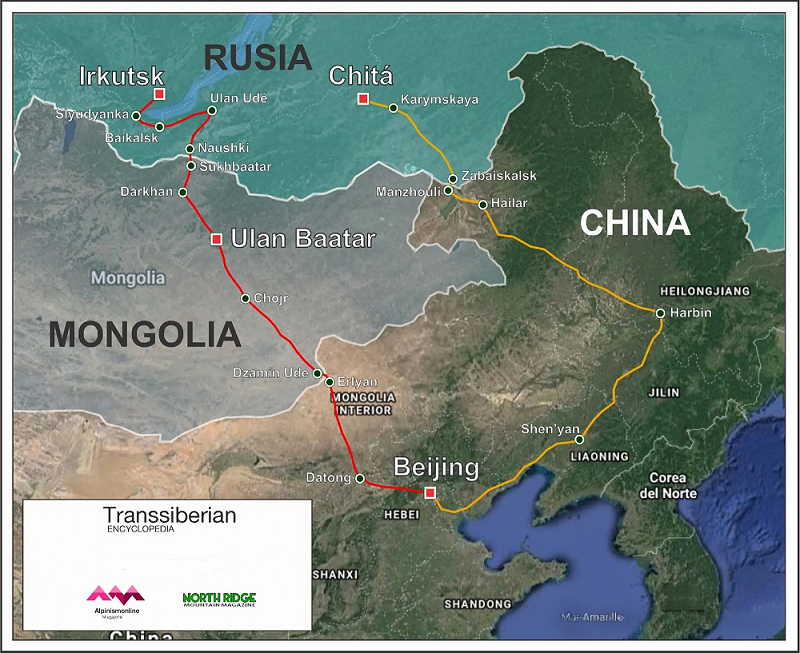
The starting point is May 20th. During Putin's visit to China, the two sides officially signed a government agreement on the joint construction of the Manzhouli Houbaikal cross-border railway with a gauge of 1435mm. On October 15th, the agreement was approved by the Russian State Duma (lower house of parliament), on October 28th by the Russian Federation Council (upper house of parliament), and on November 2nd, Putin signed a decree approving the agreement. The documents have been published on the official Russian legal information portal website. At this point, the project has completed the domestic approval process in Russia and entered the implementation preparation stage. The route is about 9.5 kilometers long, with the goal of expanding the transportation capacity of the China Russia railway port; The responsible units for railway construction in China and Russia shall bear the survey, design, and construction costs within their respective territories. The Russian Ministry of Transport estimates that by 2030, the project is expected to increase the freight capacity of the post Baikal railway port by 11 million tons, and the train exchange capacity will reach nearly 50 pairs per day.
Standards follow the flow of goods
The second line adopts 1435mm standard gauge in cross-border sections, instead of each country using its own gauge. This is not Russia changing its own road network: the Russian section only covers the rear Baikal port yard, and the gauge foundation of the mainline in the hinterland of both countries has not been changed. The Chinese side also has reciprocal arrangements, with two sets of 1435mm and 1520mm steel rails laid on the deck of the Tongjiang China Russia Railway Bridge, and trains from both countries traveling on their own tracks. Not seeking to smooth out differences, only opening interfaces facing each other at both ends of the border, exchanging the minimum project for the maximum flow increment, prioritizing cross-border transportation efficiency.keywords:Engineering infrastructure
The thrust comes from the direction of the cargo flow. The traditional trade and transportation pattern of Russia towards Europe has changed, and trade with China has become an important growth direction for railway freight transportation. There is an urgent need to expand eastward, and China has been its largest trading partner for many years. After the second line of standard track is put into use, eligible goods do not need to be reloaded at the port and can transit directly. When China becomes one of its most important trade directions, border railway standards naturally become closer to China's railway network. A short line of less than ten kilometers measures the displacement of the trade center of gravity.Editor/Yang Meiling
Comment





 Praise
 Collect
 Comment

 Share


Write something~