 Search


- Continuing the operation and maintenance of the Addis Ababa Djibouti Railway through spare parts, machinery, and practical training
- Assist Ethiopia in managing its major artery to the sea and bring the all-weather partnership between China and Ethiopia onto the rails
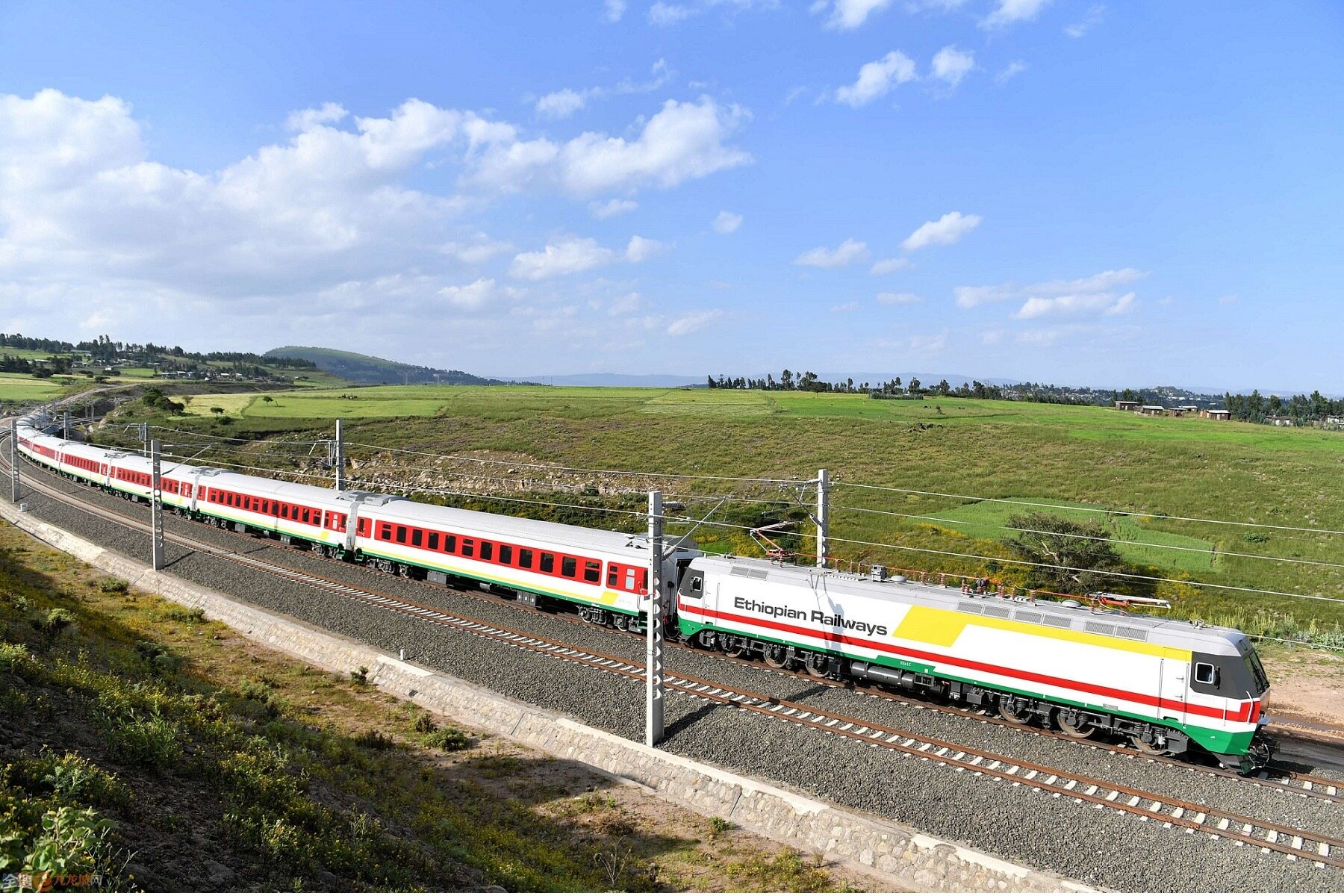
In the early morning at Rabu Station in Addis Ababa, an electric locomotive headed towards Djibouti Port, carrying coffee and grains, with newly inspected road maintenance workers under the train. It is the sea route for the landlocked country Ethiopia; The train runs on time, relying not only on steel rails, but also on spare parts, machinery, and people who can perform maintenance. This confidence is now written into the agreement: the Government of the Federal Democratic Republic of Ethiopia and the Government of the People's Republic of China have officially signed the "Agreement on China's Assistance to the Addis Ababa Djibouti Railway Supporting Project", implementing a total of 15 million US dollars in free aid for key material assistance, equipment upgrades, and technical capacity building, ensuring the sustainable and efficient operation of the channel. The signing ceremony was held in Addis Ababa, after both sides completed comprehensive technical consultations; The State Minister of Finance of Ethiopia, His Excellency Tijiste Fisseha, and the Ambassador Counsellor of the Chinese Embassy in Ethiopia, His Excellency Liu Xiaoguang, signed the contract on behalf of the two countries.

The weight of a railway
The Addis Ababa Djibouti Railway starts from Addis Ababa in Asia in the west and ends at Djibouti Port in the east, with a total length of about 752.7 kilometers. It is the first standard gauge cross-border electrified railway in East Africa. After commercial operation on January 1, 2018, the transportation cost of goods from the port to the capital was reduced from about a week to less than a day, and the transportation cost decreased by at least 30%. The landlocked country became a landlocked country. After five years of operation, a total of 7.43 million tons of goods were shipped and nearly 530000 passengers were transported, with an average annual growth rate of over 35% in transportation revenue. During the construction and operation period, 55000 job opportunities were created for both countries. After the handover in May 2024, the six-year operation and maintenance of the Chinese side will come to an end, and the non Chinese team will fully take over; In December 2025, the owner signed a technical consulting service contract with China Civil Engineering Ethiopia Company for the period of 2025-2030.

What's in the aid package
The agreement specifies in writing the aid program supported by Chinese foreign aid funds, aimed at enhancing the reliability of the operation of the Addis Ababa Djibouti standard gauge railway and strengthening the maintenance and guarantee capabilities of the line infrastructure. The list is posted with daily pain points: mechanical and electrical core spare parts, specialized track components, station supporting facilities to ensure the operation of electric locomotives, and to stabilize the mainline traffic; Equip small mechanical equipment for daily track inspection and maintenance. When fuel is tight and highways are blocked, electrified railways can still deliver edible oil and fertilizers; The availability of spare parts and equipment solidifies this risk resistance capability.

Leave the technology locally
In addition to supplies, Chinese technical experts will go to Ethiopia to provide practical guidance and training for railway professionals, to assist in local talent development. Over the course of six years of operation and maintenance, the Chinese side has trained and certified more than 2800 local employees for both countries, while the Luban Workshop continues to educate railway personnel. In addition to the agreement, both parties also mentioned the ongoing cooperation in multiple fields, including agricultural technology assistance, vocational and technical education and training, green development projects, and technical survey work for subsequent major engineering projects. keywords:Engineering infrastructure
This agreement demonstrates the enduring development partnership between Ethiopia and China. Both delegations reiterated their commitment to maintaining close communication and coordination to ensure the smooth implementation of supporting aid projects. Spare parts storage, equipment loading, and training sessions will make this sea route more stable.Editor/Yang Meiling
Comment




 Praise
 Collect
 Comment

 Share


Write something~