 Search


- Central Asian civil aviation cooperation accelerates, opening up cross-border aviation channels

As the Air Silk Road gradually transforms from a paper agreement into a dense route, the once unreachable Central Asian hinterland is becoming a new market within the reach of Guangdong enterprises. New air routes are rewriting the temporal and spatial distance of economic and trade exchanges between China and Central Asia.
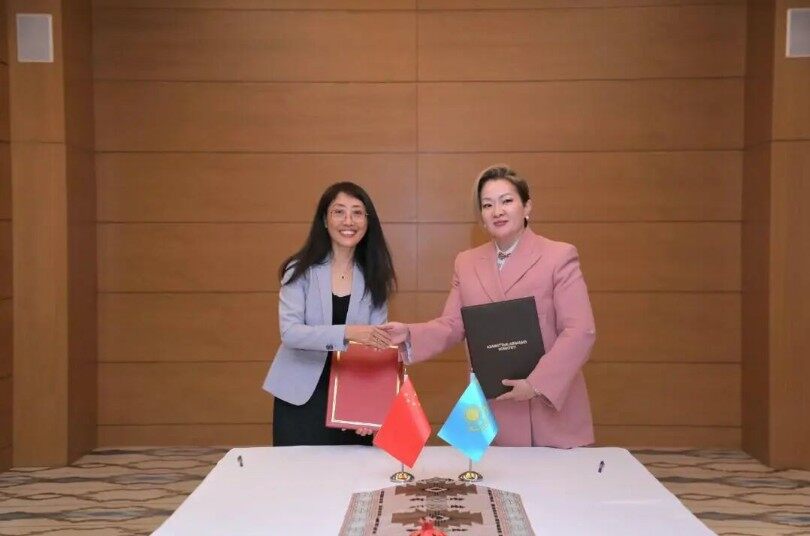
The C5+1 China Central Asia Civil Aviation Working Group Meeting will be held in Tashkent from November 3 to 5, 2026. Although the name of the conference may sound awkward, it closely aligns with the actual needs of enterprises going global. The civil aviation authorities and airlines of China, Kazakhstan, Kyrgyzstan, Tajikistan, Turkmenistan, and Uzbekistan attended the conference, with the core goal of promoting the implementation of the cooperation agreement on jointly building the Air Silk Road on January 24, 2024, and transforming written agreements into stable air routes. For Guangdong enterprises deeply cultivating the Central Asian market, the signal is very clear: the continuous expansion of air transportation capacity to Central Asia, more efficient and affordable travel and logistics, is a visible opportunity for going global.
Implementation of the conference promotion
C5+1 is a normalized cooperation mechanism initiated by China, which is undertaken by the six countries in rotation. The first edition will be held in China in 2024, the second edition will land in Kazakhstan in 2025, and the third edition will be held in Tashkent, Uzbekistan. The first two sessions focused on building a cooperation framework, while this session focuses on practical implementation. The conference will discuss issues such as joint aviation projects, market opening, unified rules, and expanding flight coverage. Bilateral negotiations will be conducted simultaneously to promote the opening of new routes and the encryption of existing flights, and cooperation will shift from non-existent to intensive interconnectivity.
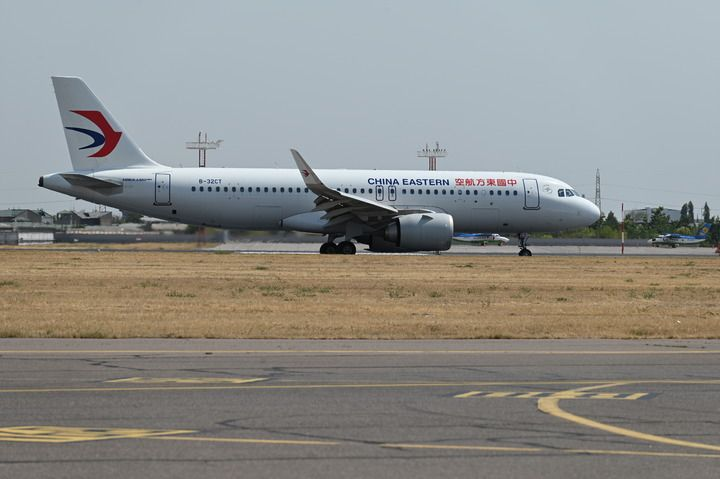
Guangdong enterprises welcome good news
China has signed air transport agreements with all five Central Asian countries, opening up third and fourth air rights to Uzbekistan and Turkmenistan. In the future, China will deepen the opening of air rights with Kazakhstan and Kyrgyzstan, laying a institutional foundation for increasing flights. As a core hub, Xi'an has achieved rapid growth in international passenger and freight volume by connecting major cities in five Central Asian countries. Guangdong enterprises traveling to Central Asia can rely on the Xi'an air land intermodal transportation network to reduce costs and improve efficiency. The Air Silk Road has become the backbone of China's international aviation market, effectively shortening the transportation time for business travel and cross-border goods. Keywords: Air Silk Road, air routes, Central Asia
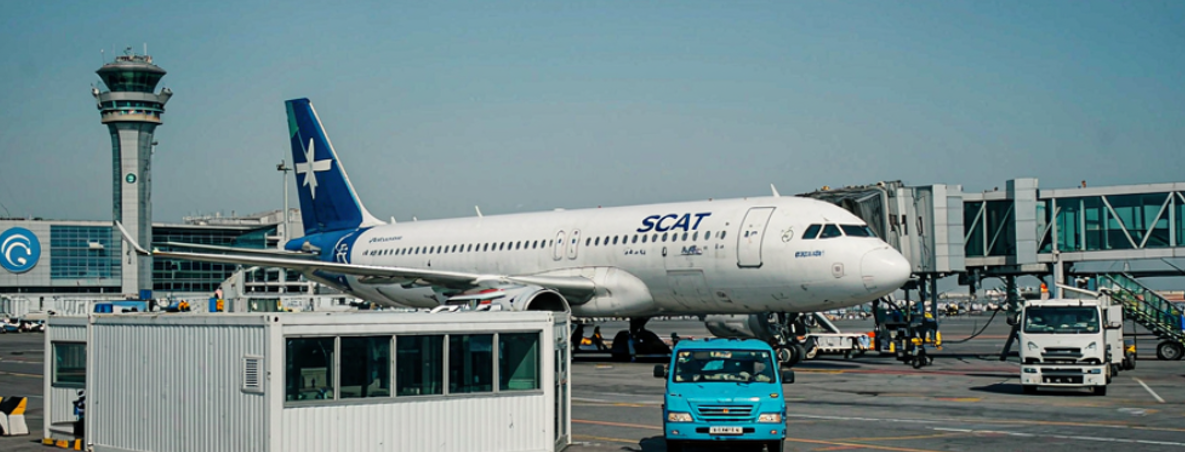
Seize three types of opportunities
Guangdong enterprises can seize three opportunities: using encrypted air routes to increase the frequency of business visits and market expansion to Central Asia; Fresh food, electronic, and cross-border e-commerce merchants make good use of the Central Asia freight dedicated line to ensure the transportation of high efficiency goods; Equipment export enterprises take into account the aviation infrastructure market, with new construction and renovation projects at multiple airports in Central Asia, which contain procurement needs for air traffic control, security checks, and ground service equipment.Editor/Gong Ziwei
Comment







 Praise
 Collect
 Comment

 Share


Write something~