 Search


- The point-to-point circular coal transportation route from Zhundong, Xinjiang to Sanmenxia, Henan has officially opened for export

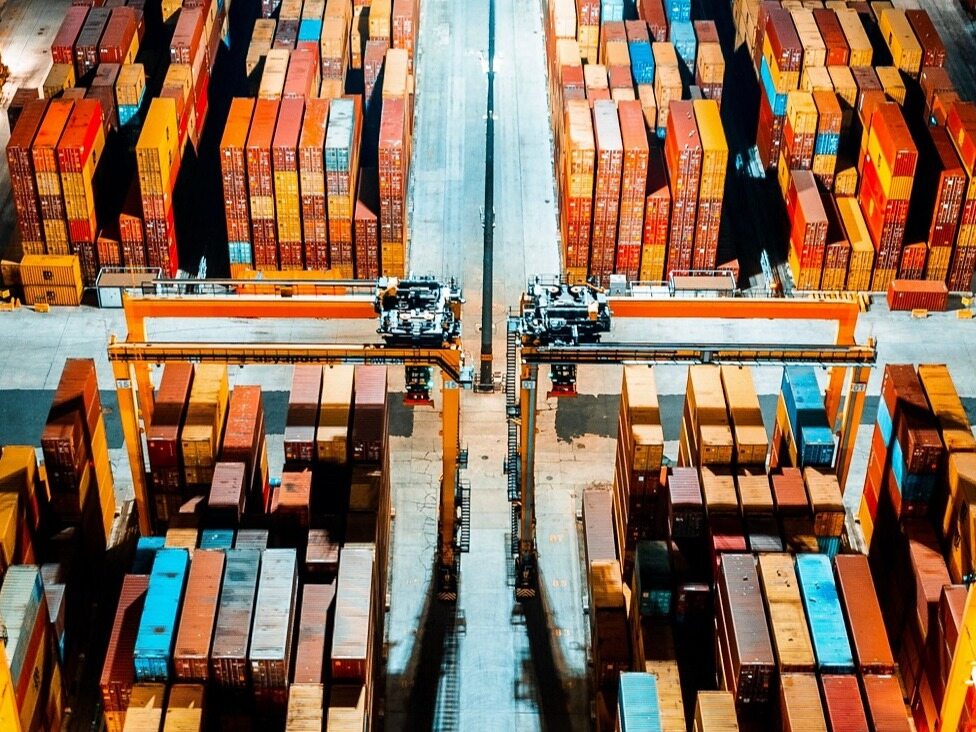
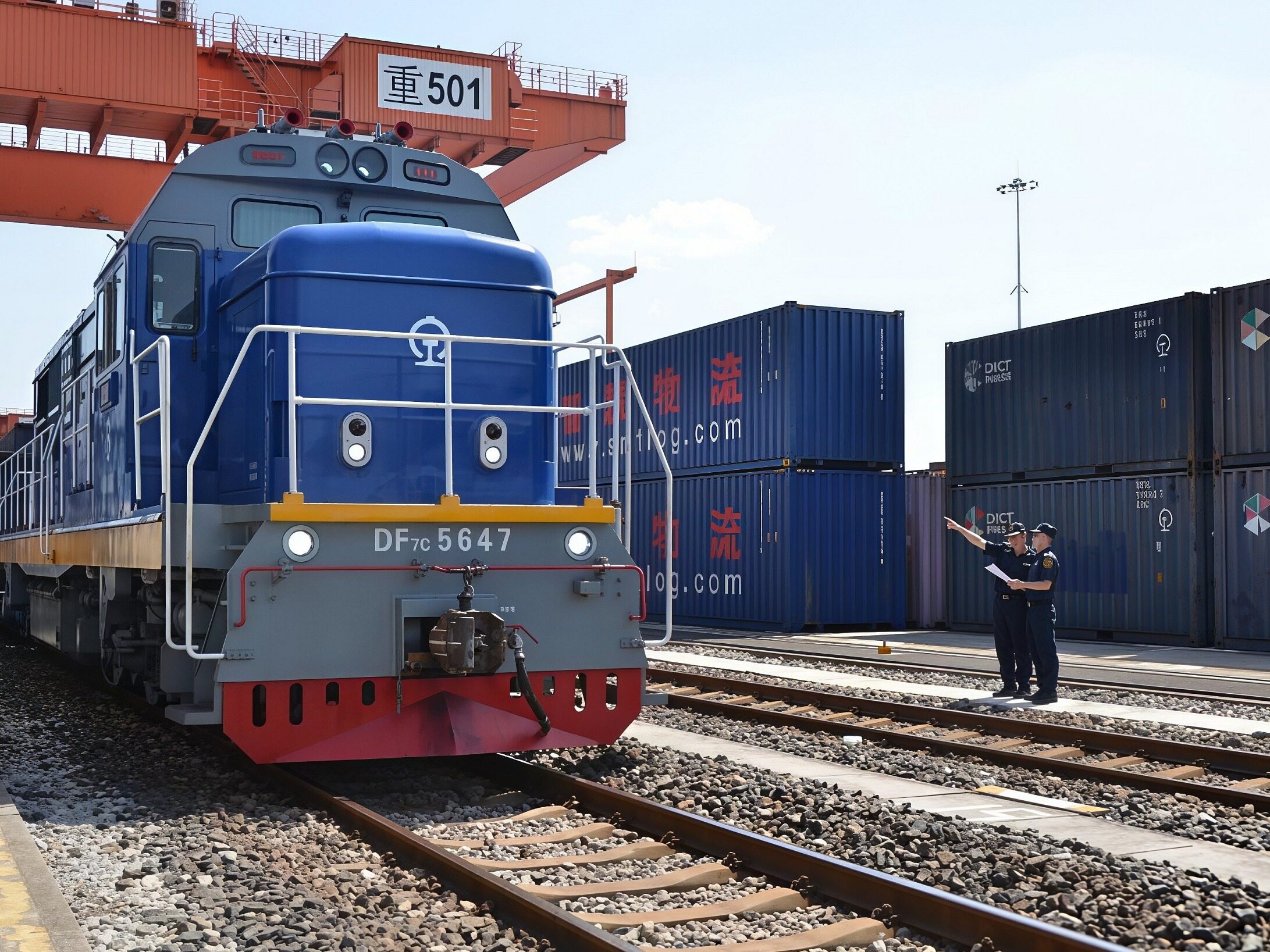
The return of empty containers in bulk freight has always been a long-standing problem for railway transportation. On one hand, after the transportation of alumina into Xinjiang is completed, the empty containers return to the original route. On the other hand, there is an urgent need for sufficient container sources for the transportation of coal from Xinjiang, resulting in a waste of transportation resources. Uyghur Bureau and Zhengzhou Bureau jointly conducted research on the supply structure of the two places, adjusted the shipping plan, and opened up a new channel from Zhundong to Sanmenxia. A special train loaded with more than 3000 tons of coal drove out of the platform, marking the landing of Xinjiang's first point-to-point circular outbound transportation line and adding a new channel for the stable supply of coal and aluminum industry supply chains.
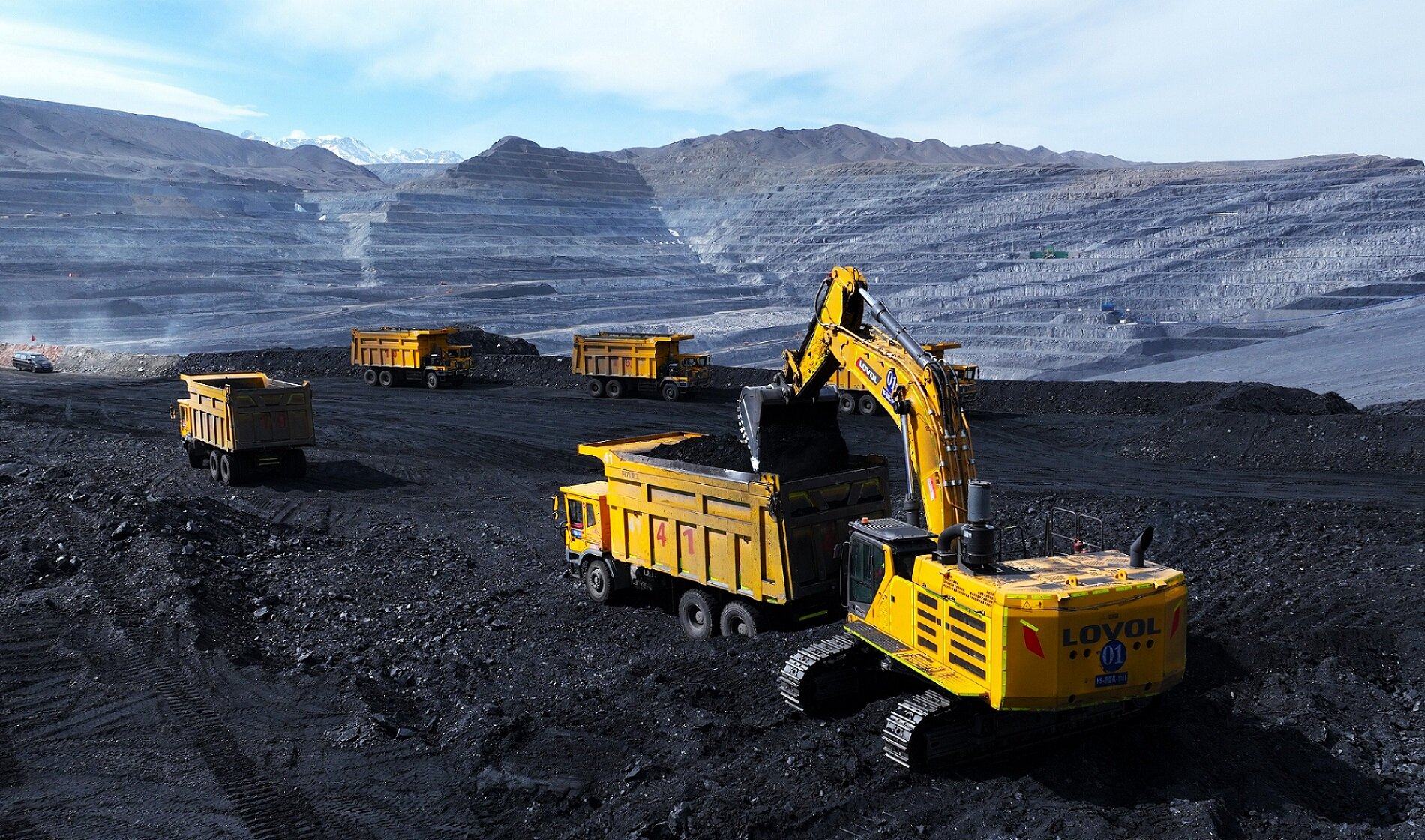
Pain points of source mismatch
The total predicted coal resources in Xinjiang are 2.19 trillion tons, accounting for 40.6% of the country's total. Zhundong is a billion ton coal base and also a gathering place for the silicon aluminum new material industry. Most of the local alumina raw materials are imported from Henan, and aluminum powder is sensitive to moisture. In the past, it relied on general container transportation and returned empty after unloading the goods. The demand for coal transportation from Xinjiang continues to rise, leading to a shortage of available containers and a mismatch between supply and demand at both ends, which hinders the efficiency of bulk cargo transportation. The logistics bottleneck for industrial development urgently needs to be cleared.
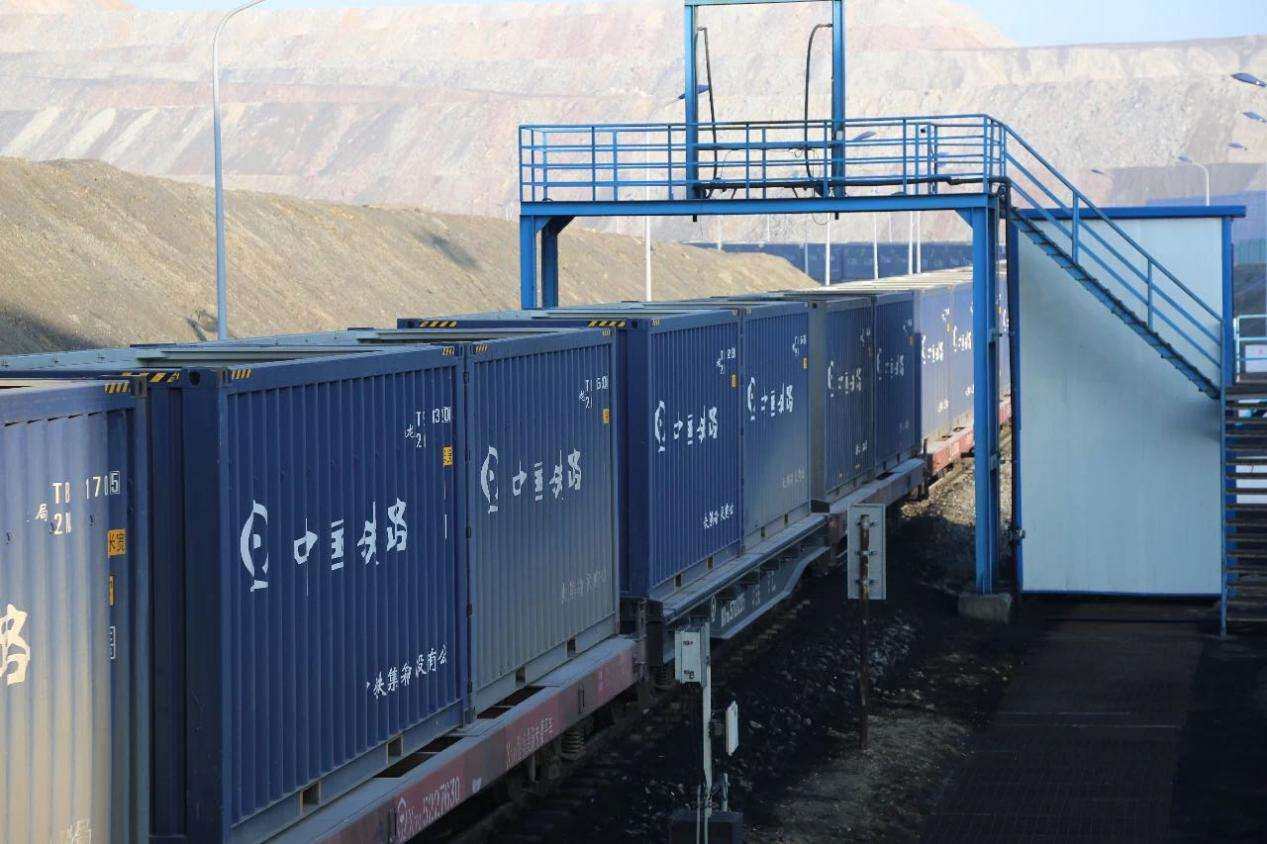
Innovative transportation mode
Urumqi and Zhengzhou deepen cross bureau collaboration, implement the work arrangements of China Railway Group, understand the transportation needs of upstream and downstream enterprises, and launch a plan to attract heavy traffic into Xinjiang. Using waterproof bags to package aluminum oxide, the same set of open top boxes can transport both aluminum oxide into Xinjiang and coal out of Xinjiang, achieving the goal of recycling. After the alumina is unloaded in Zhundong, the container is directly loaded with coal and transported nearby, eliminating the need for vehicle assembly, activating idle container sources, and compressing overall logistics expenses.News keywords: Xinjiang coal export, railway logistics, circular transportation
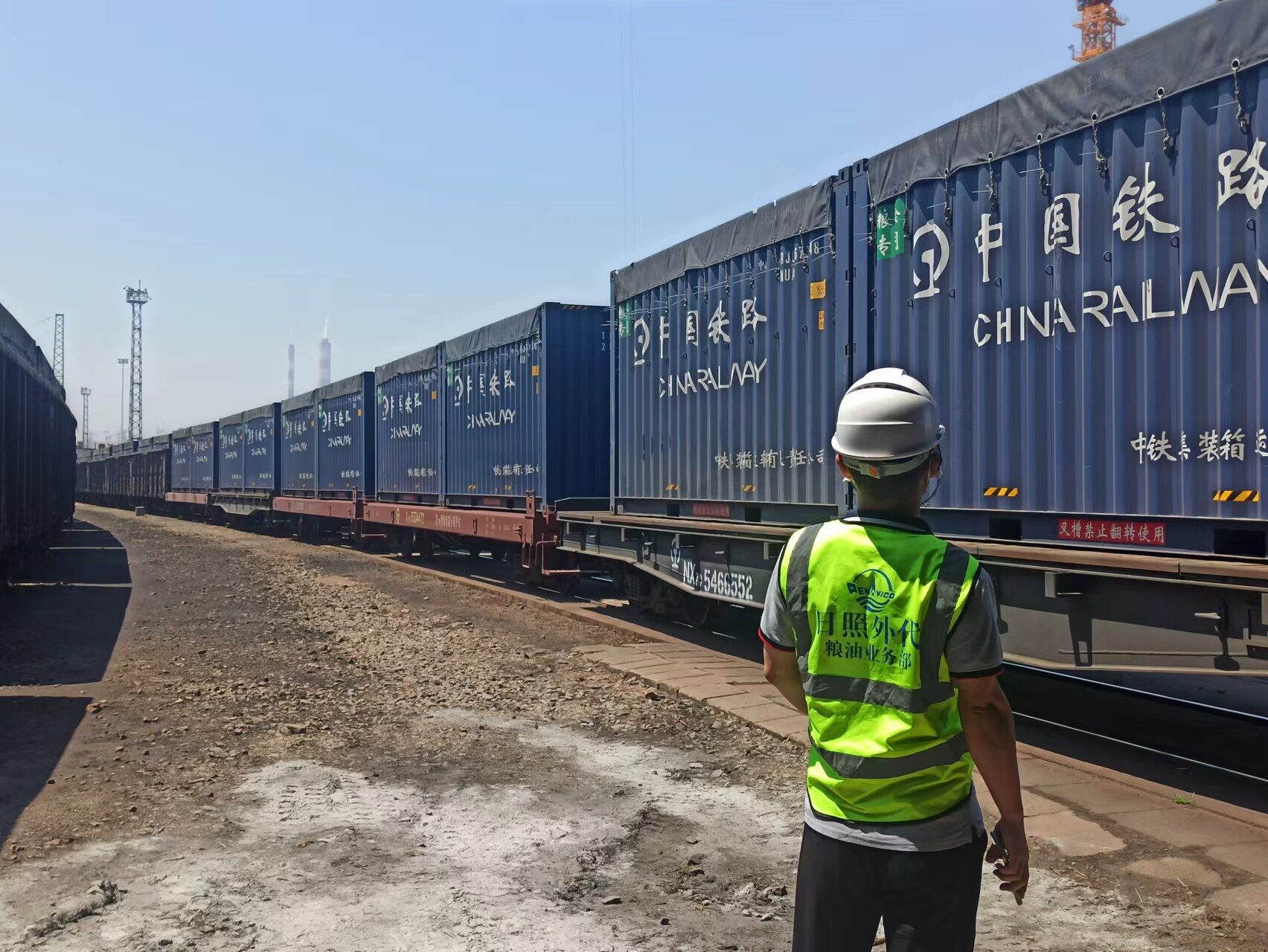
Continuous increase in transportation capacity
This year, Xinjiang Railway has continued to strengthen its coal transportation and distribution system, established a tripartite coordination mechanism for coal mines, railways, and power plants, and linked multiple railway bureaus to introduce imported goods into Xinjiang. At present, the transportation volume of alumina imported into Xinjiang is 8.176 million tons, and 140000 empty containers are recycled. From January to September, the outward transportation of coal from Xinjiang reached 78.047 million tons, a year-on-year increase of 11%. The port throughput reached 28.353 million tons, a year-on-year increase of 8.1%. The China Eurasia freight train operated 14084 trains, a year-on-year increase of 5.3%. On October 10th, the freight volume exceeded 200 million tons, 12 days earlier than last year, and multiple indicators broke records.Editor/Li Xiaohua
Comment

 Praise
 Collect
 Comment

 Share


Write something~