 Search


- Shipping giants extend logistics chain, adding key nodes to end-to-end network in East Africa
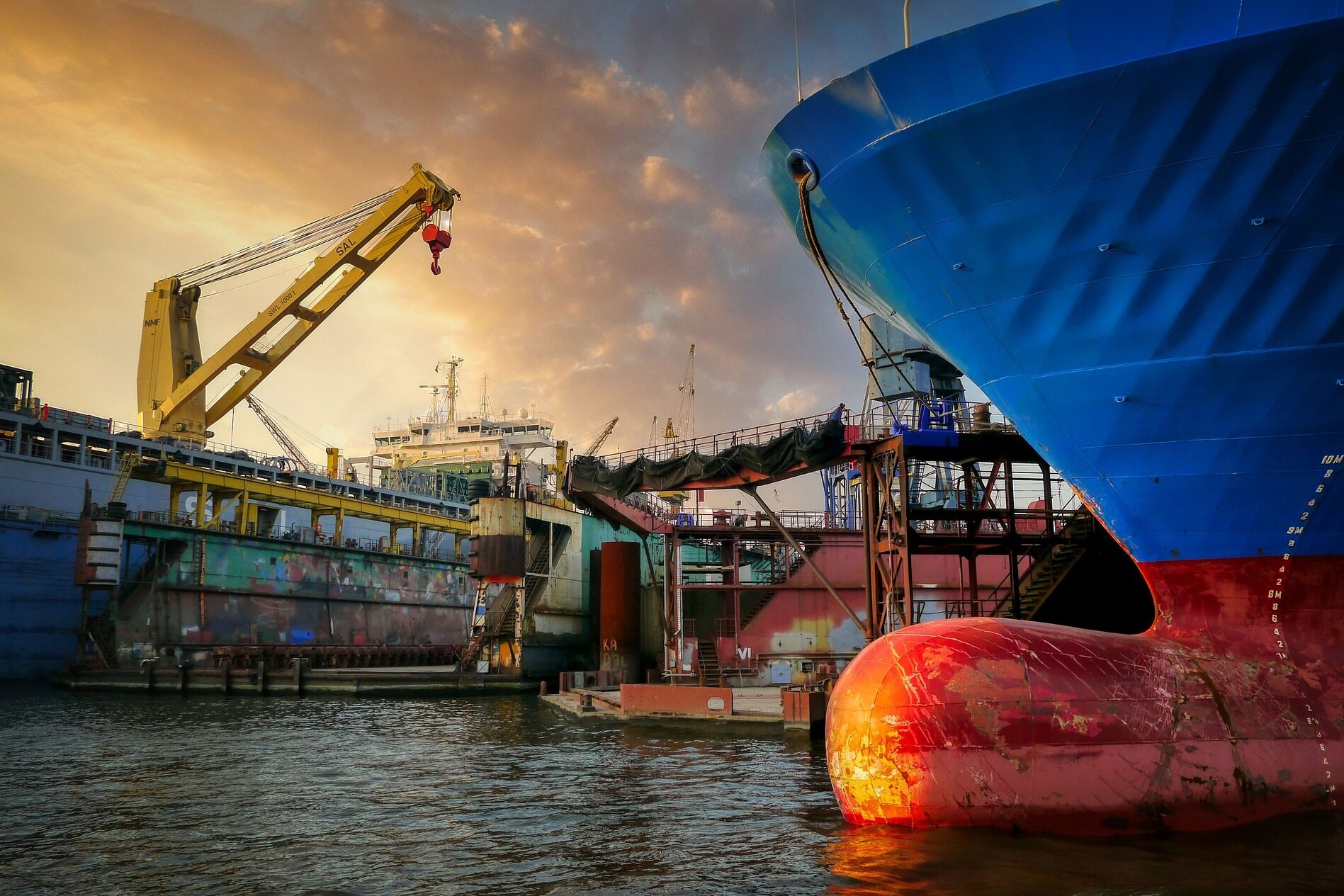
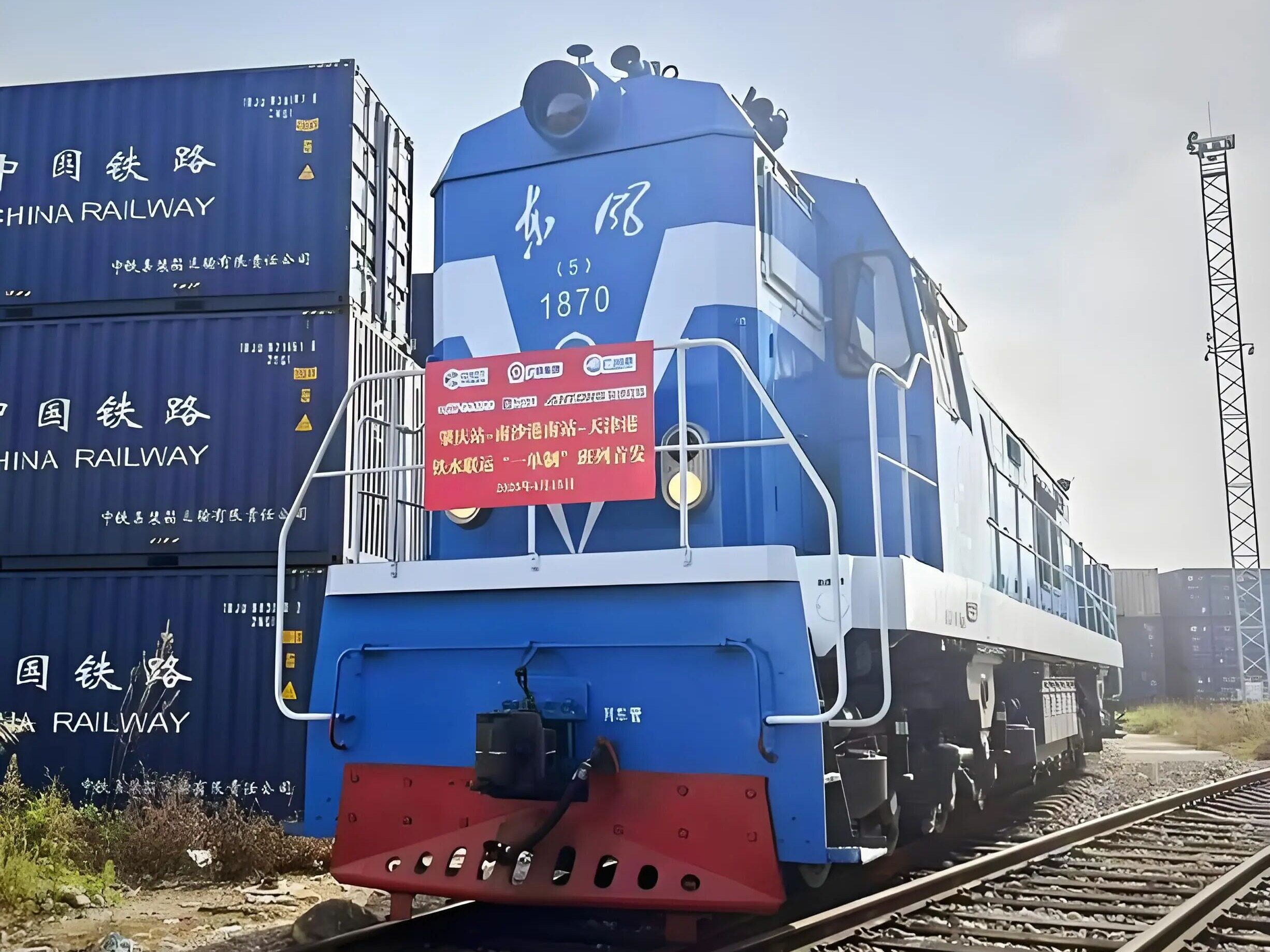
On October 28, 2026, Dafei Shipping officially opened the direct sea rail intermodal transportation channel from Mombasa Port to the Enbakasi inland container yard in Nairobi, greatly improving the logistics connection efficiency between the East African gateway port and the inland core market.
Once a week, a direct train arrives and operates
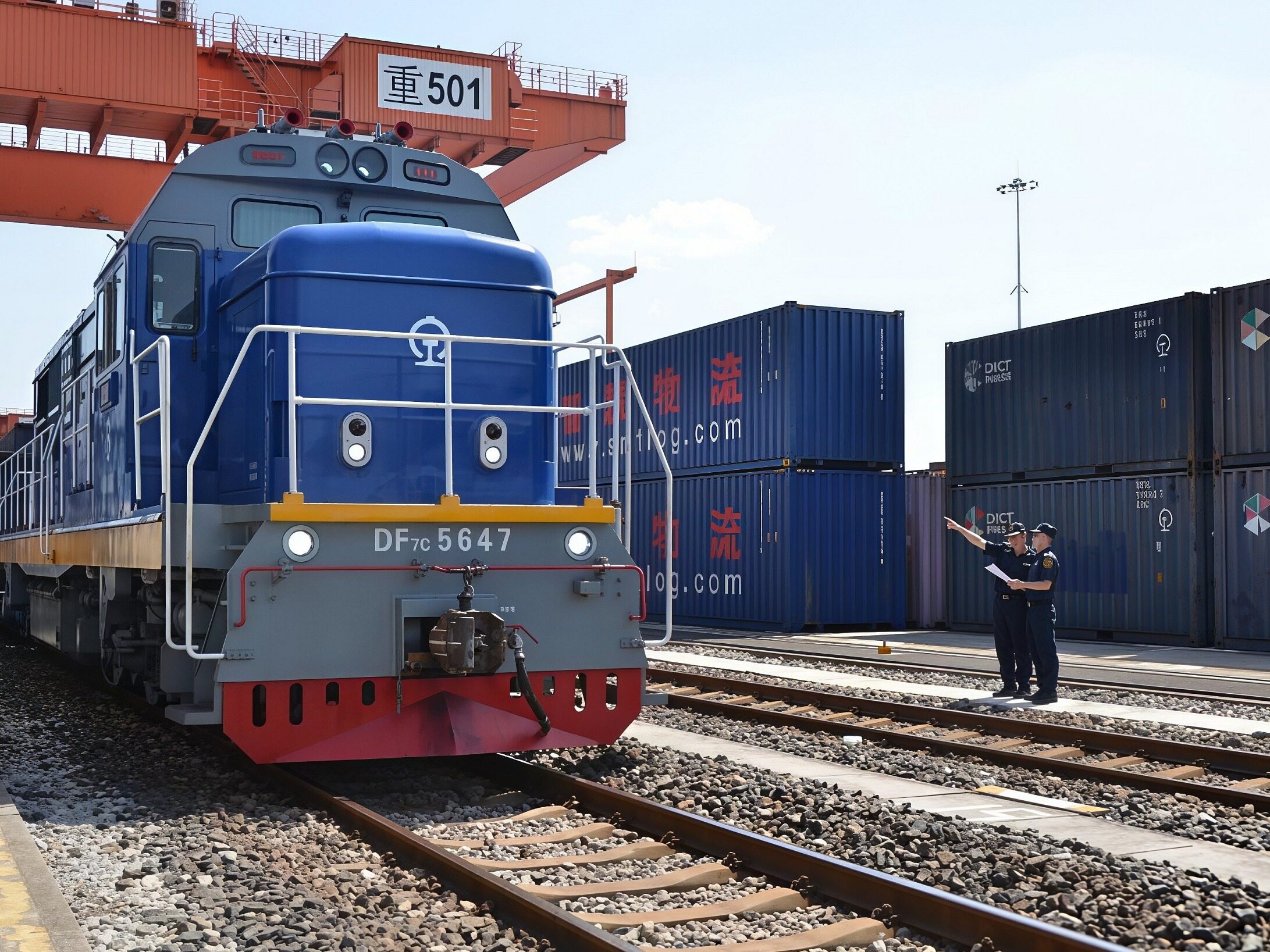
This new railway channel is composed of 54 carriages with a maximum capacity of 108 TEUs per trip. Initially, one import special train will be sent out every week without the need for intermediate disassembly and assembly. The containers will be directly transported from the Mombasa port terminal to the Nairobi inland station. The project is jointly promoted by Dafei Shipping, Kenya Ports Authority, and Kenya Railways. All containers are transported in a closed-loop manner throughout the entire process, significantly reducing the risk of cargo damage caused by intermediate loading and unloading.
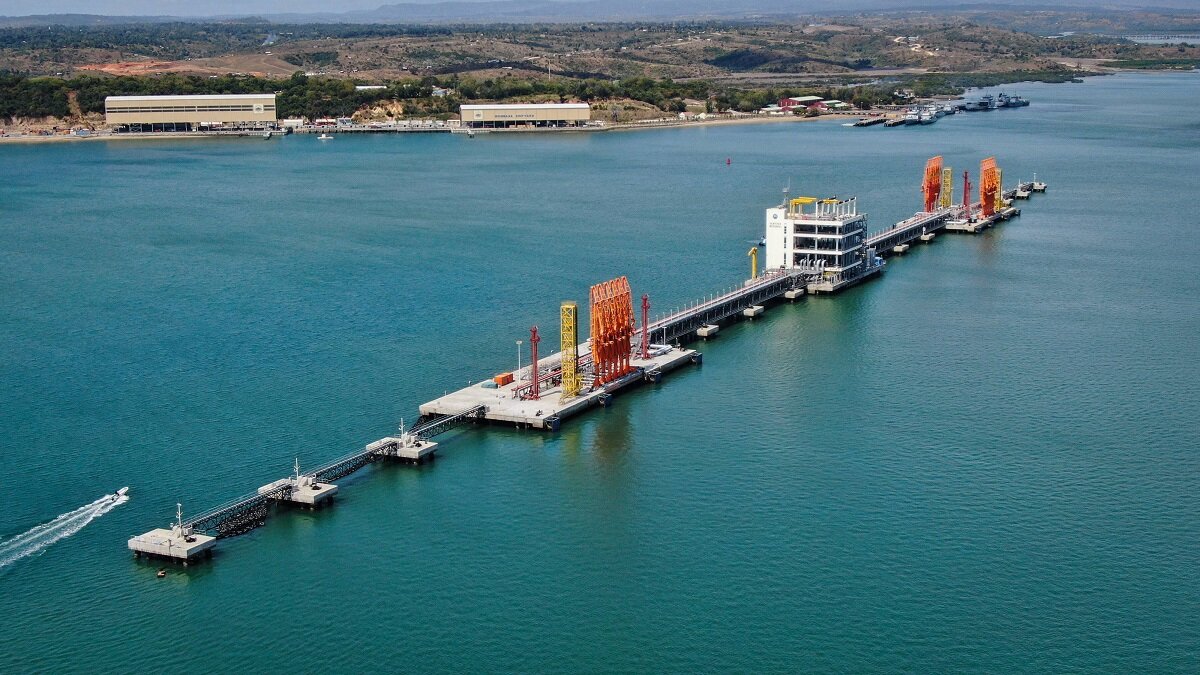
In the first three quarters of 2026, the cumulative container throughput of Mombasa Port reached 1.47 million TEUs, a year-on-year increase of 7.2%. The pressure of road collection and distribution behind the port has been high for a long time, and the average congestion waiting time for imported goods from the port area to Nairobi exceeds 48 hours. After this special train is put into use, it can clear over a hundred containers at once, directly diverting the pressure of road transportation in the port area and significantly reducing the inland transportation time of goods.
Shipping giant extends end-to-end logistics network
Dafei Shipping will dynamically evaluate the feasibility of increasing the frequency of weekly departures based on actual cargo volume operation data, and simultaneously study the opening of two-way transportation services from Nairobi to Mombasa, covering the demand for two-way import and export cargo flow. Previously, Dafei Shipping had continuously optimized its layout of long-distance shipping routes in the East African region, and with the implementation of this railway channel, its maritime and inland multimodal transport network in East Africa has basically taken shape.
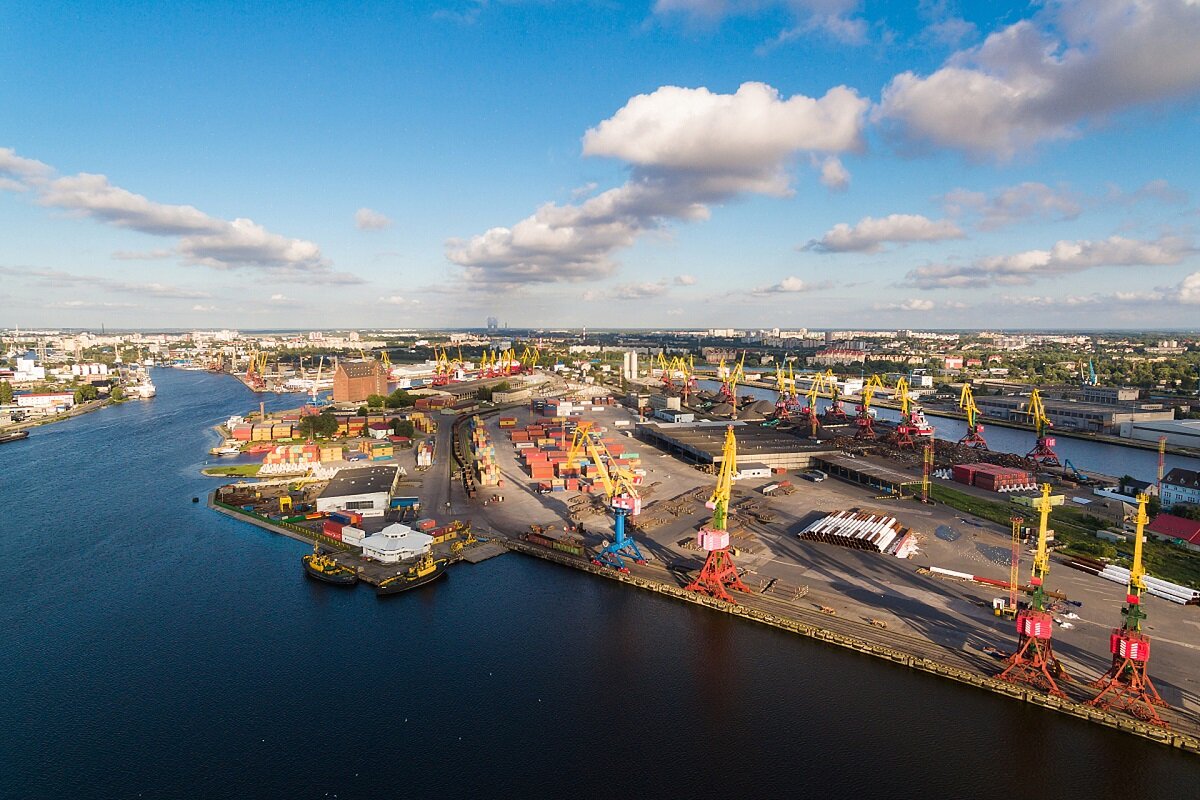
The current cross-border trade scale in East Africa continues to expand, and the demand for stable transportation channels for import and export goods from inland countries is rapidly increasing. The trend of international shipping companies transforming from a single ocean transportation service provider to a full chain end-to-end logistics solution provider continues to accelerate, and this railway channel will also become a core infrastructure node for CMA CGM to consolidate its market share in East Africa.Editor/Cheng Liting
Comment

 Praise
 Collect
 Comment

 Share


Write something~