 Search


- The project will open up a Mediterranean export channel and drive the pipeline engineering market
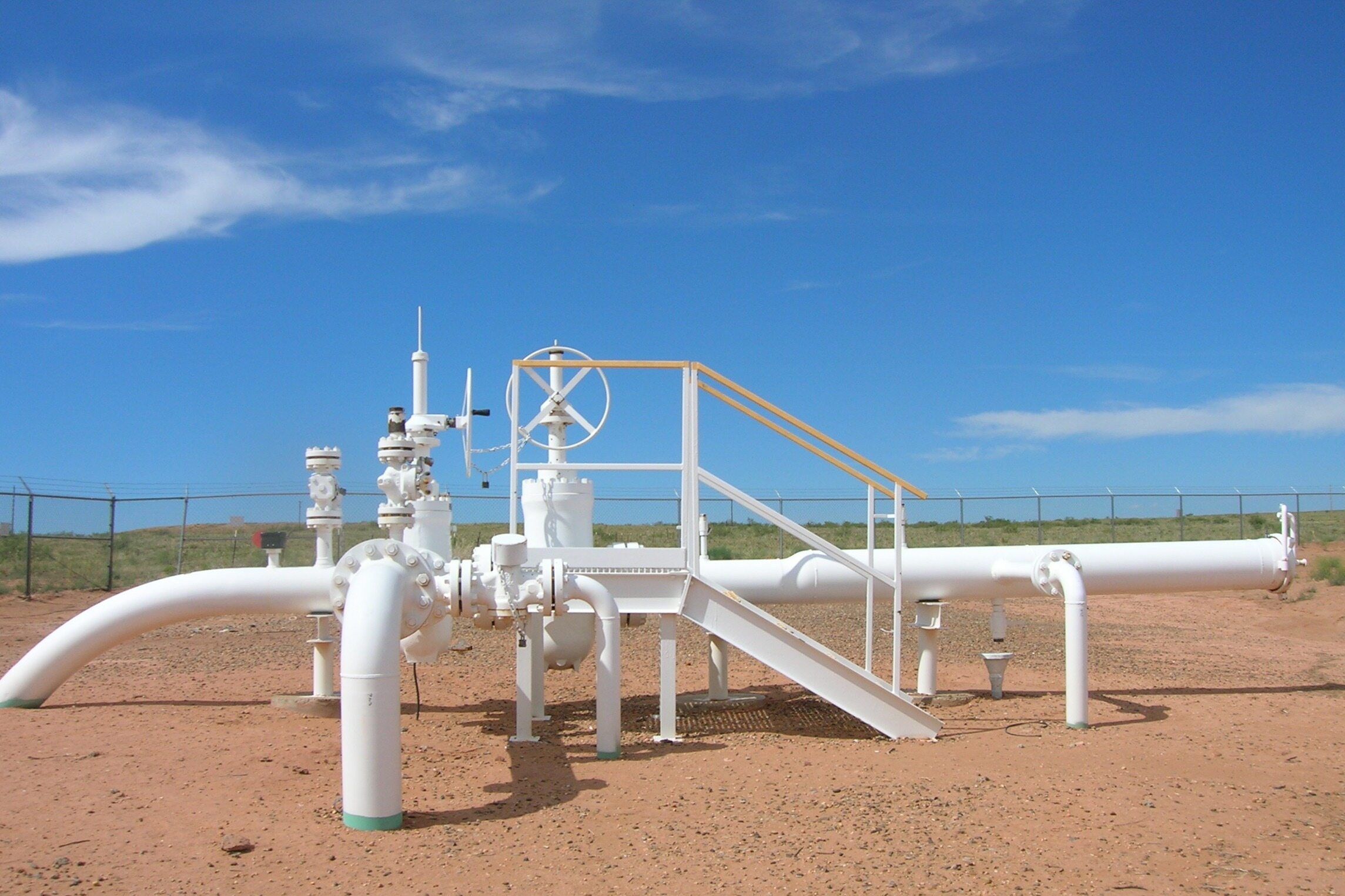
On November 6, 2026, Middle Eastern media MEED revealed that Iraq and Syria are accelerating the construction of a cross-border strategic oil pipeline with a total investment of approximately $5 billion. This pipeline starts from Basra in southern Iraq, travels north through Najaf and Haditha, and finally extends to Banias Port in Syria, with the goal of signing a major development contract by the end of 2026. For Iraq, which has long relied on southern sea exports, this passage means a land export route that bypasses the Strait of Hormuz and leads directly to the Mediterranean Sea. It is also a substantial attempt by Iraq to diversify its export channels over the years.
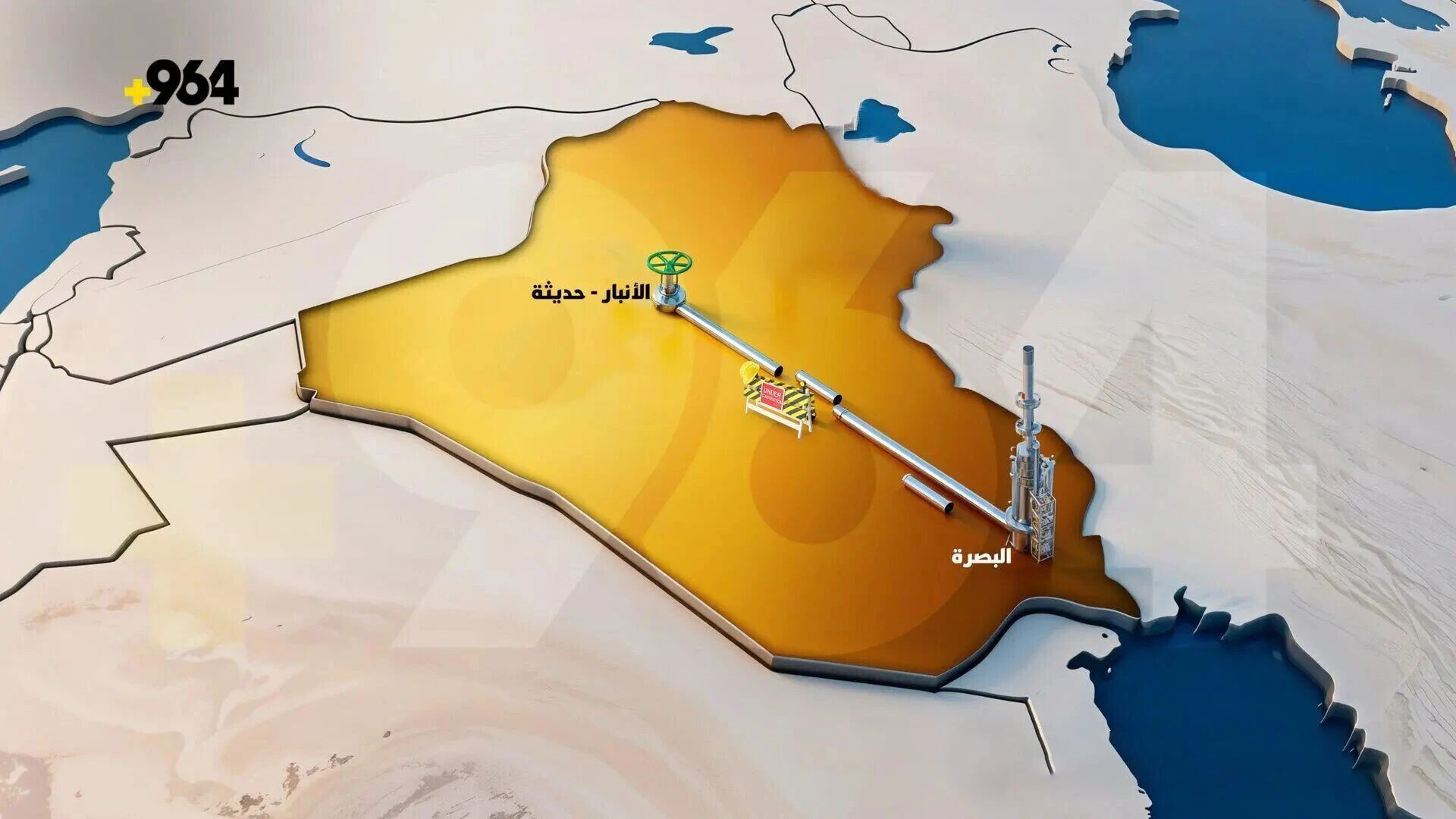
Cross border layout of billions of pipelines
The overall investment estimate for the project is about 5 billion US dollars, and it is planned to be divided into four pipeline sections: Basra to Najaf, Najaf to Haditha, Haditha to Fishhapur, and Haditha to Banias Port in Syria. Iraq has previously arranged approximately $1.5 billion in funding for the Basra to Haditha route, demonstrating that the project is not just on paper. After the pipeline is built, Iraqi crude oil can be transported directly to the east coast of the Mediterranean by land, no longer relying entirely on the southern sea route. For Iraq, diversifying export routes is not only related to economic benefits, but also to the bottom line of energy security when regional shipping risks rise. The Syrian side can use this pipeline to revitalize existing pipe galleries and port facilities in the country, obtain transit revenue, and reactivate the crude oil export function of Banias Port.
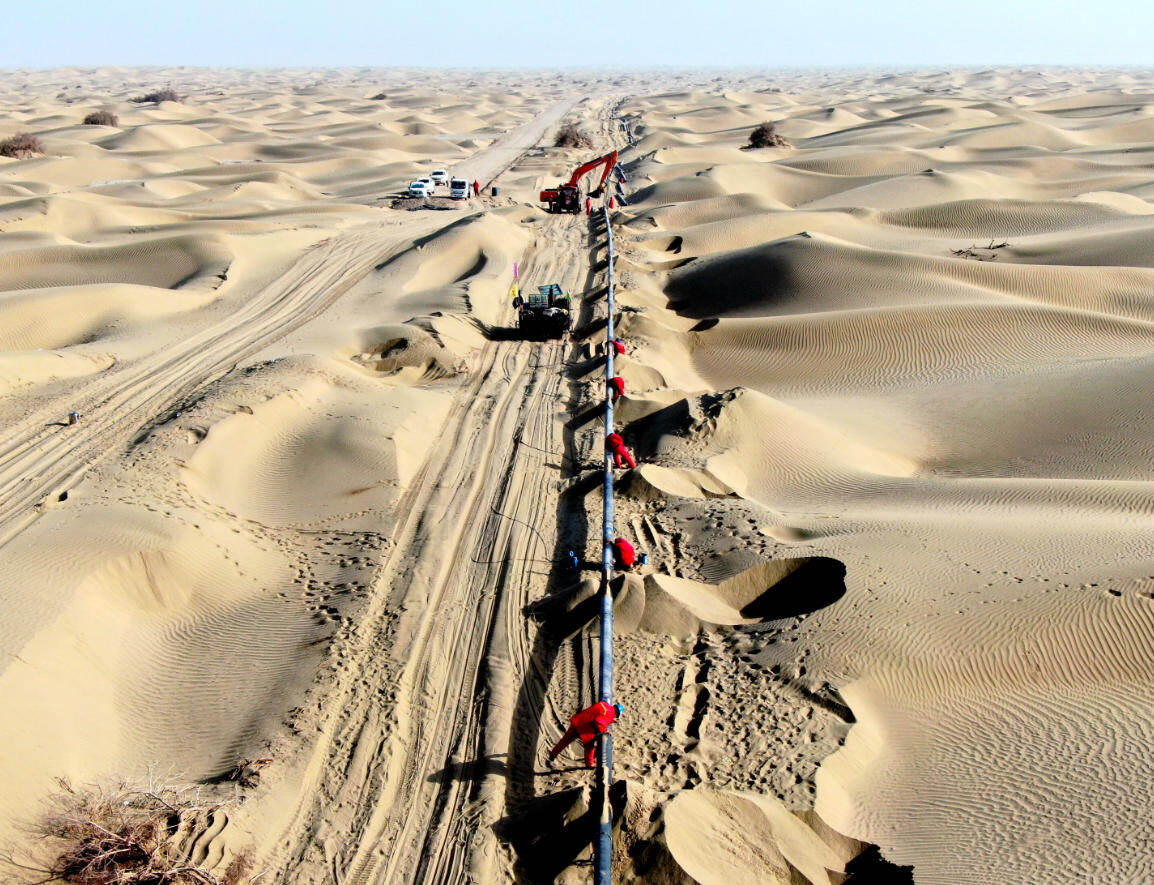
International Federation Intervention
The international consortium led by Qatar UCC is participating in the project promotion, with members including Chevron of the United States, investment firm TI Capital, and Total Energy of France. This combination covers multiple aspects such as engineering general contracting, oil and gas development, capital operation, and energy trade, reflecting the dual demand for funds and technology in the project. KBR, an American engineering company, has been awarded a consulting service contract for the Basra to Haditha pipeline, responsible for feasibility studies, technical consulting, and route engineering work. The relevant government departments, state-owned oil enterprises, and international consortium are negotiating the project development terms, and the final investment amount, technical specifications, and construction plan are yet to be confirmed through formal agreement. The project spans across Iraq and Syria, involving multiple links such as border connection, security assessment, land acquisition, and regulatory approval, with a high level of negotiation complexity. Keywords: Middle East News Network, Cross border Oil Pipeline, Iraq, Syria
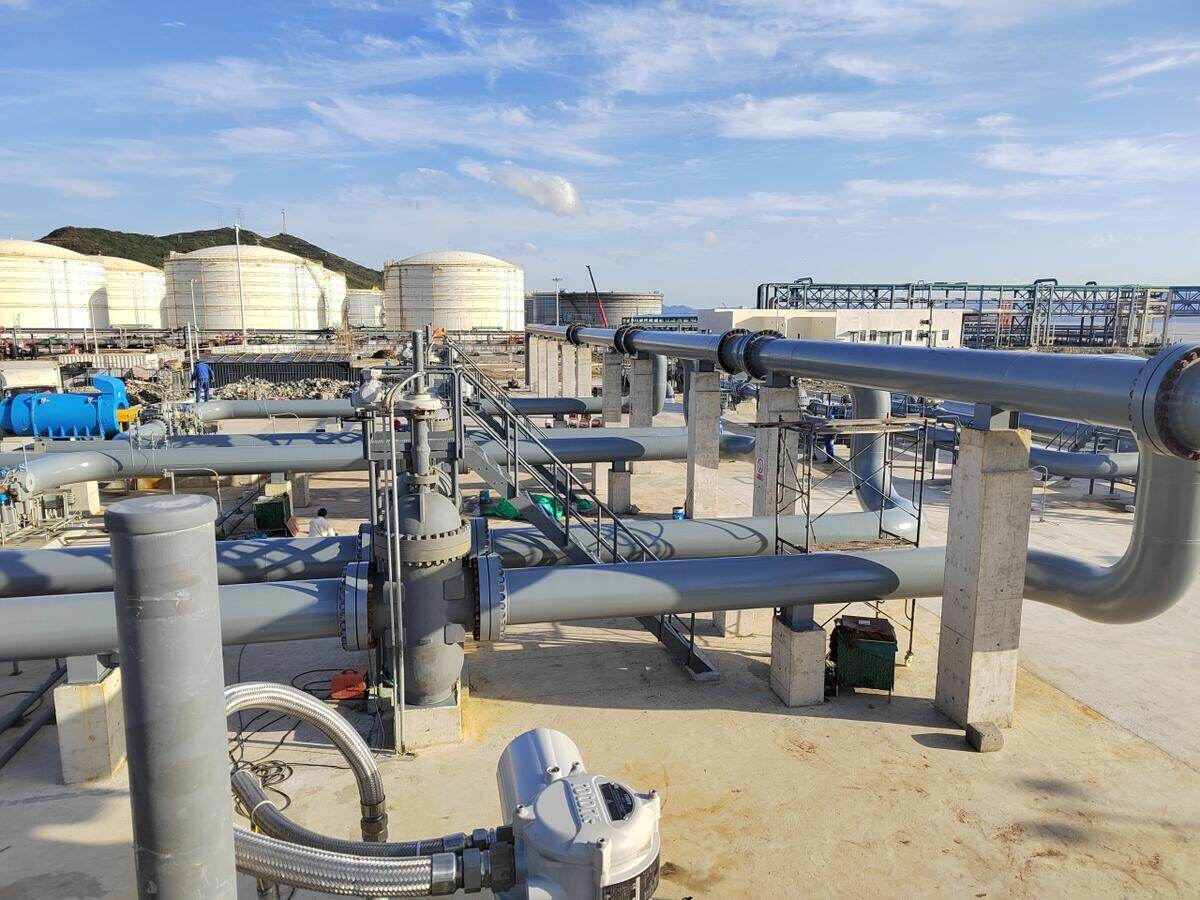
Pipeline engineering requirements to be initiated
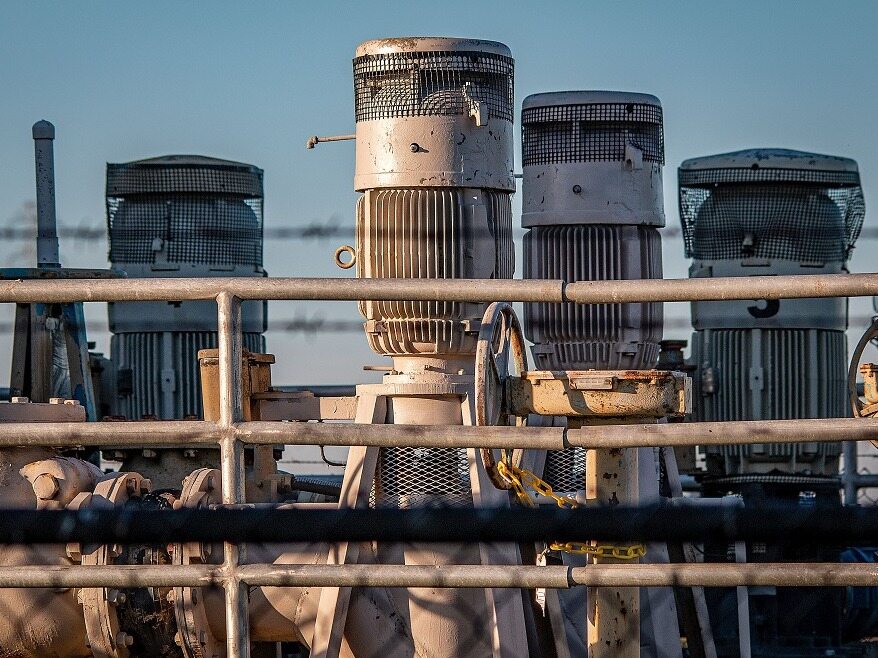
The project is still in the contract negotiation and preliminary research stage, but the demand in the engineering market is foreseeable. Large diameter steel pipes are the largest category in terms of volume, and long-distance cross-border pipelines have high requirements for pipe strength, anti-corrosion performance, and interface sealing; Pump stations and valves determine transportation efficiency and operational safety; The relationship between anti-corrosion materials and construction is related to the service life of pipelines in desert and mountainous environments. These links will gradually release procurement and subcontracting opportunities as the project progresses. For engineering companies with the ability to construct long-distance pipelines, this cross-border pipeline is a large-scale project worth tracking in the Middle East oil and gas infrastructure field, and its progress will also provide a window for observing the reconstruction of Iraq's post-war energy infrastructure.Editor/Gao Xue
Comment


 Praise
 Collect
 Comment

 Share


Write something~