 Search


- Saudi Arabia uses national funds to advance power grid first and then attract capital
- To unravel the deadlock between electricity and computation for AI computing power
- Also leave the earliest entry point for Chinese power equipment enterprises
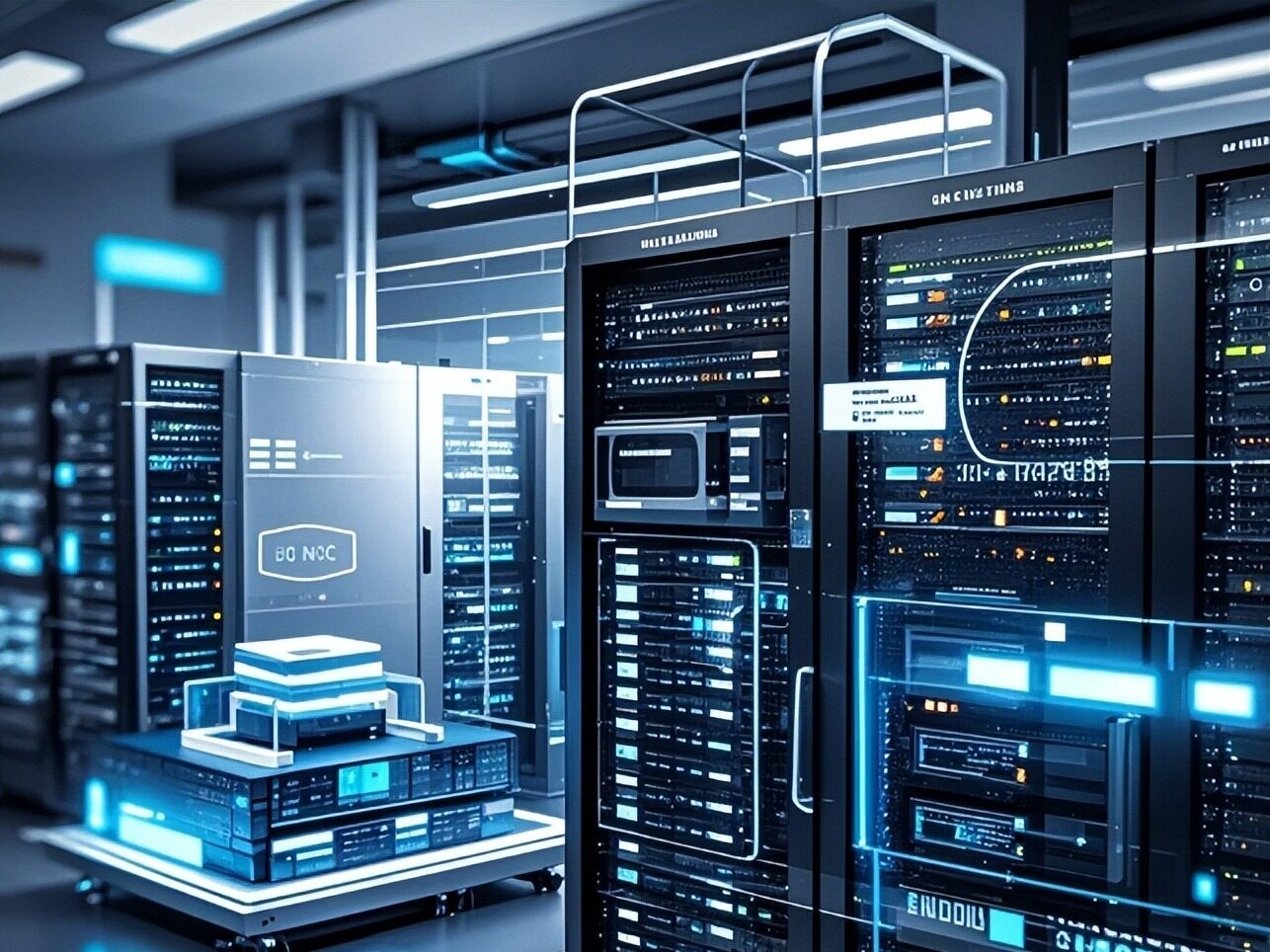
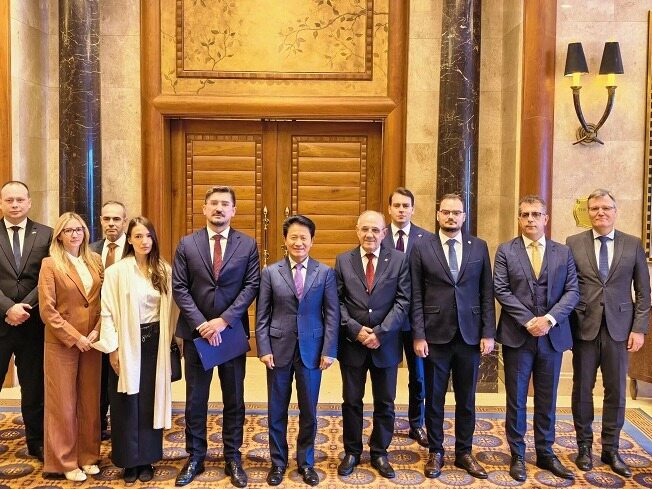
On the signing table in Riyadh, the two agreements have completely different purposes. Building an AI data center usually starts with discussing chips, but a larger portion of the maximum 2.5 billion riyals goes towards substations, transmission lines, and grid connection projects. On November 8, 2026, it was signed and announced that when Infra and PIF's Humain wrote, the first thing to stand up in the desert was not GPU cabinets, but iron towers. This is the first batch of transactions for Infra's AI data center financing plan, and also the first order for national development finance to pave the way for computing power.
Electric chips arrive first
The first maximum of 1.1 billion riyals will be used for GPU procurement and deployment, corresponding to approximately 25 megawatts of IT load; The second project, with a maximum of 1.4 billion riyals, involves the construction of substations, transmission infrastructure, and grid connection projects, providing a backup of up to 1 gigawatt (GW) of IT capacity for the future. PIF President Rumeyan, Minister of Economy and Planning Ibrahim, and National Development Fund President Alarifi attended the signing ceremony.
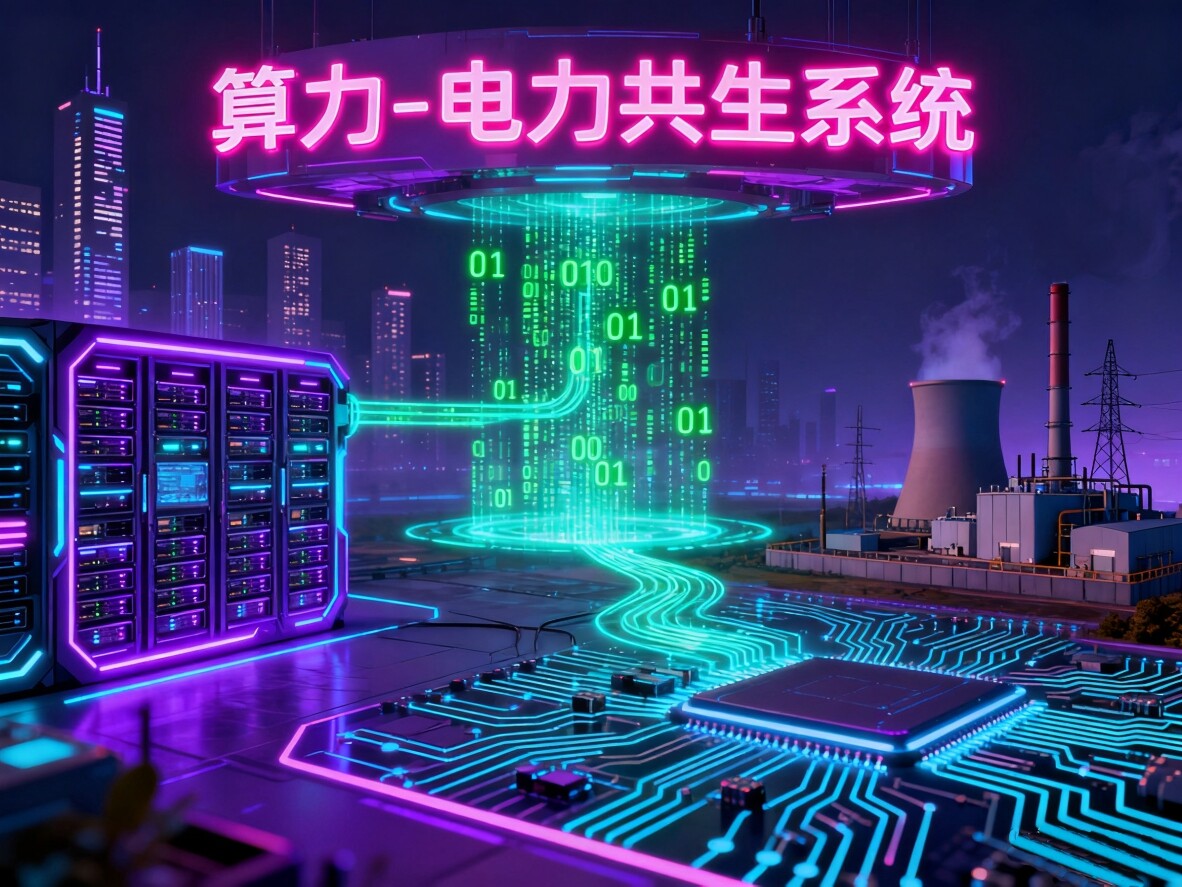
This has landed on the Davos framework of January this year: a non binding clause of up to 4.5 billion riyals (1.2 billion US dollars), corresponding to a maximum of 250 megawatts of data centers, and an agreement to jointly build an investment platform; This round covers about 56%, with a remaining maximum of 2 billion riyals to be landed. Infra is not the sole investor, aiming to enhance financiability and leverage the entry of commercial banks. GPU depreciation is fast, banks are cautious in lending, while substations and power lines are long-lived public goods assets, suitable for development finance to take the lead. Chips can be shipped by air, but the power grid cannot. Electricity needs to be laid first before capital dares to enter, and the deadlock between electricity and calculation needs to be resolved. Compared to the UAE G42 sovereign direct investment, Saudi Arabia is pursuing a platform based and financialized approach, striving to become the wholesale layer of regional computing power.
Running towards 3 gigawatts
Humain was established by PIF Holdings in May 2025. According to the Business Office of the Chinese Consulate General in Jeddah, citing the Middle East Daily, in late October, it expanded its cooperation with Nvidia and planned to use 84 megawatts and about 27000 new generation GPUs. The first phase of the 14 megawatt Blackwell system (about 6000 GPUs) will be launched in the fourth quarter of 2026 to support the Humain Cloud; The subsequent 70 MW will be built using the Vera Rubin architecture and will be put into production in batches starting from mid-2027. On the AMD route, the MI355X system was announced to be put into operation at the end of August, with an additional 250 MW MI400 from 2027. The joint venture goal with AMD and Cisco is to reach 1 GW by 2030; AWS plans to provide up to 50 megawatts of capacity for the Humain AI Zone by 2028. On November 1st, Aramco completed the equity delivery, injecting resources in three ways: cash, assets, and computing power, holding 49% of the shares and retaining 51% of PIF. The official statement is to increase the capacity to 3 gigawatts by 2030 and exceed 6 gigawatts by 2034, both of which are planned rather than in service capacity. However, even with discounts, it is still the largest single unit computing power expansion in the bay.
Which section should Chinese enterprises take
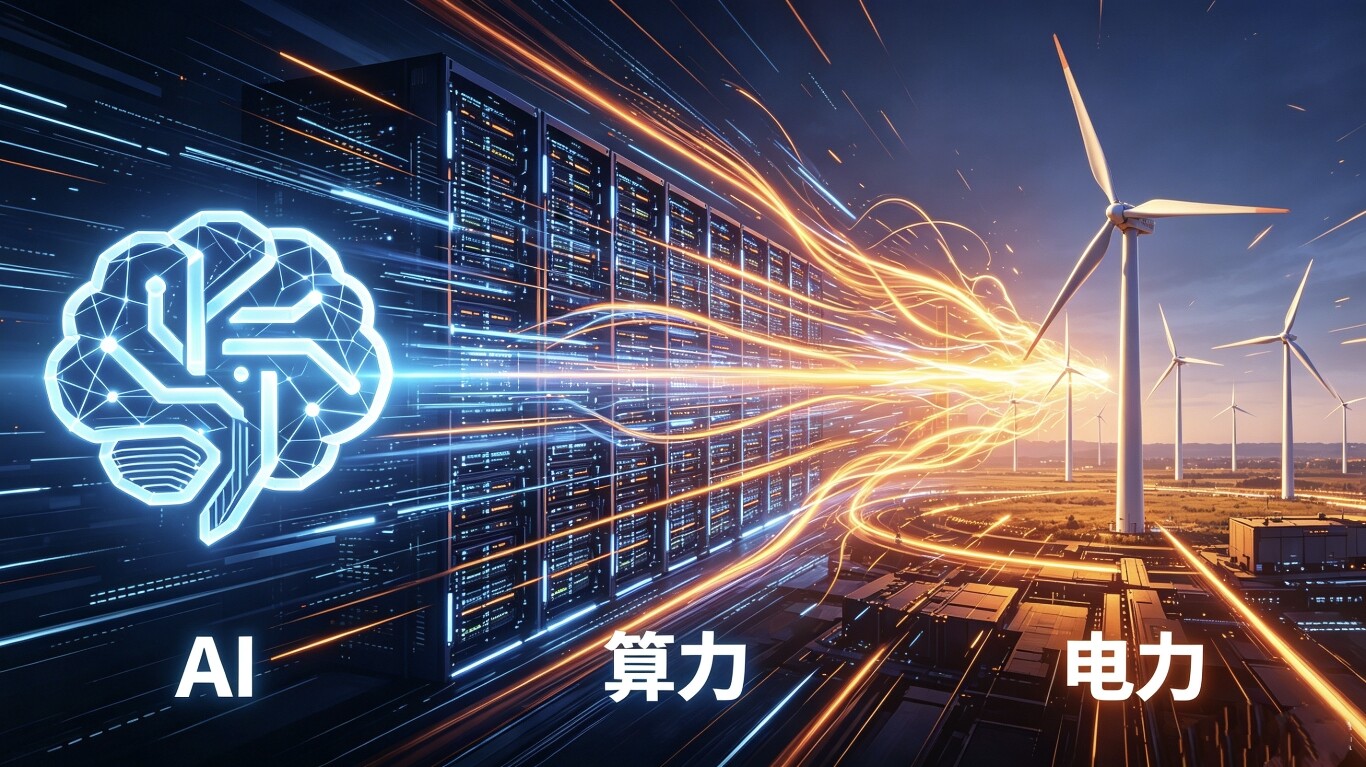
The GPU layer has been locked in by Nvidia and AMD, with opportunities in every layer outside of the chip. 1 gigawatt of supporting power means a large number of substations, transformers, switchgear, cables, and transmission and distribution projects, which are the strengths of Chinese power equipment enterprises; Cooling, electromechanical general contracting, modular computer room, optical module and operation and maintenance, Chinese enterprises have already delivered cases in the Middle East. Electricity comes first, precisely placing the earliest and largest engineering packages in the areas where Chinese enterprises excel.
The risk account also needs to be calculated: 3 gigawatts and 6 gigawatts are the target caliber, and the announcement of operation requires verification of the actual load; From Blackwell to Vera Rubin and then to MI400, the depreciation of one generation per year really exists; The export policy of the United States towards Saudi Arabia's AI chips remains the biggest external variable. Follow up focus on three points: the landing rhythm and direction of the remaining 2 billion riyals; Bloomberg reports on whether the $2.5 billion data center fund raised by Humain and BSF Capital can be approved to connect with a 250 MW project with a maximum forward capacity of 1 GW; The start time and participating parties for the bidding of supporting substations and grid connected projects. The last one directly determines which segment Chinese enterprises can eat.Editor/Yang Meiling
Comment

 Praise
 Collect
 Comment

 Share


Write something~