 Search


- China Railway Construction Bridge Bureau Jingjiang Heavy Industry Roof Photovoltaic Project Successfully Connected to Full Capacity Grid
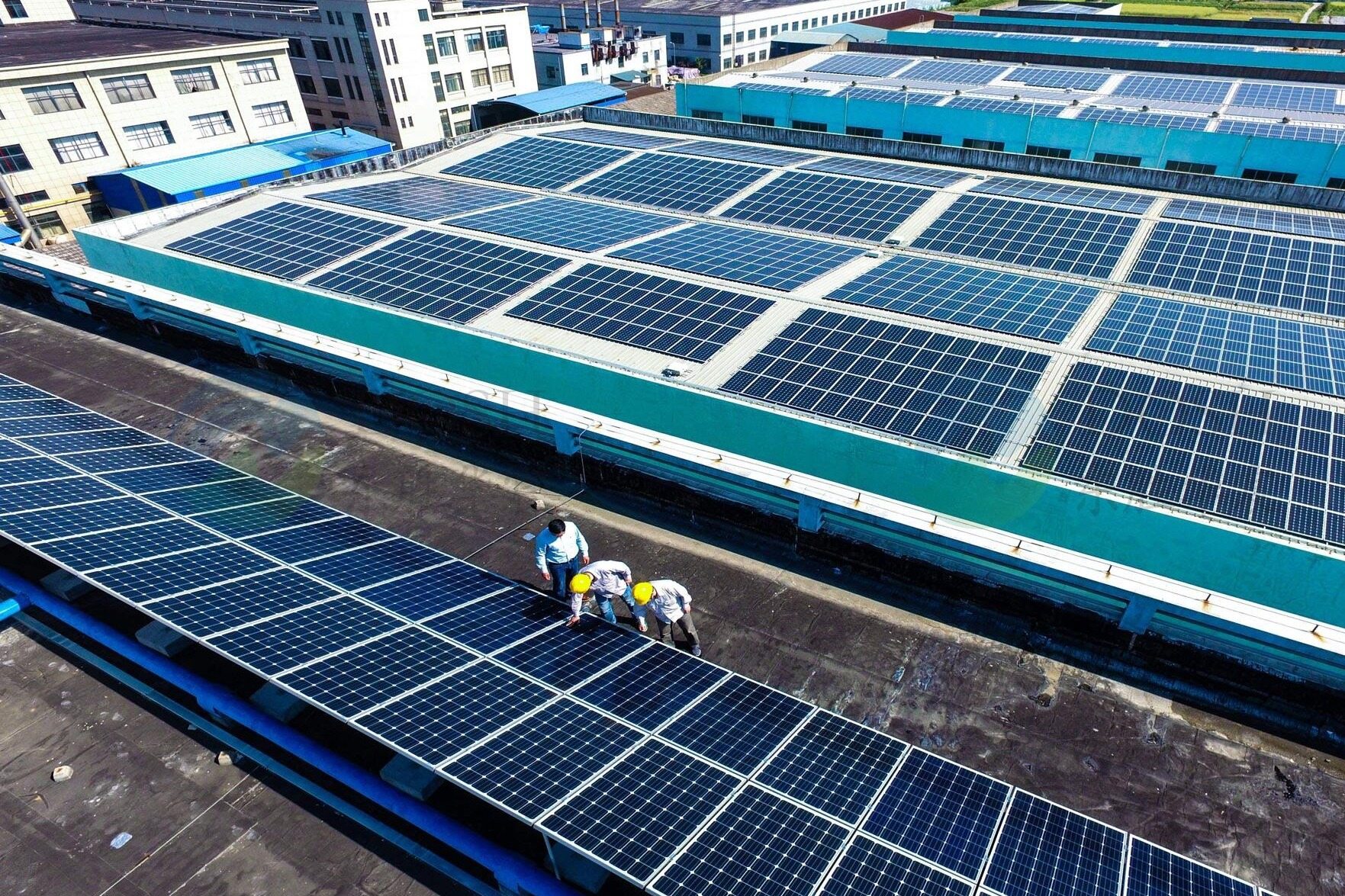
The roofs of each factory building in the factory area were transformed into power generation units, and with the closing of the high-voltage switch, the entire photovoltaic system was successfully put into live trial operation. The low-voltage part of the project will be connected to the grid in the early stage, and then the roof construction of the workshop and warehouse will be gradually promoted. All parties involved in the construction will closely cooperate, excavate the roof space without adding new land, and steadily promote the project with a step-by-step implementation approach, laying a solid foundation for the low-carbon transformation of the factory area.
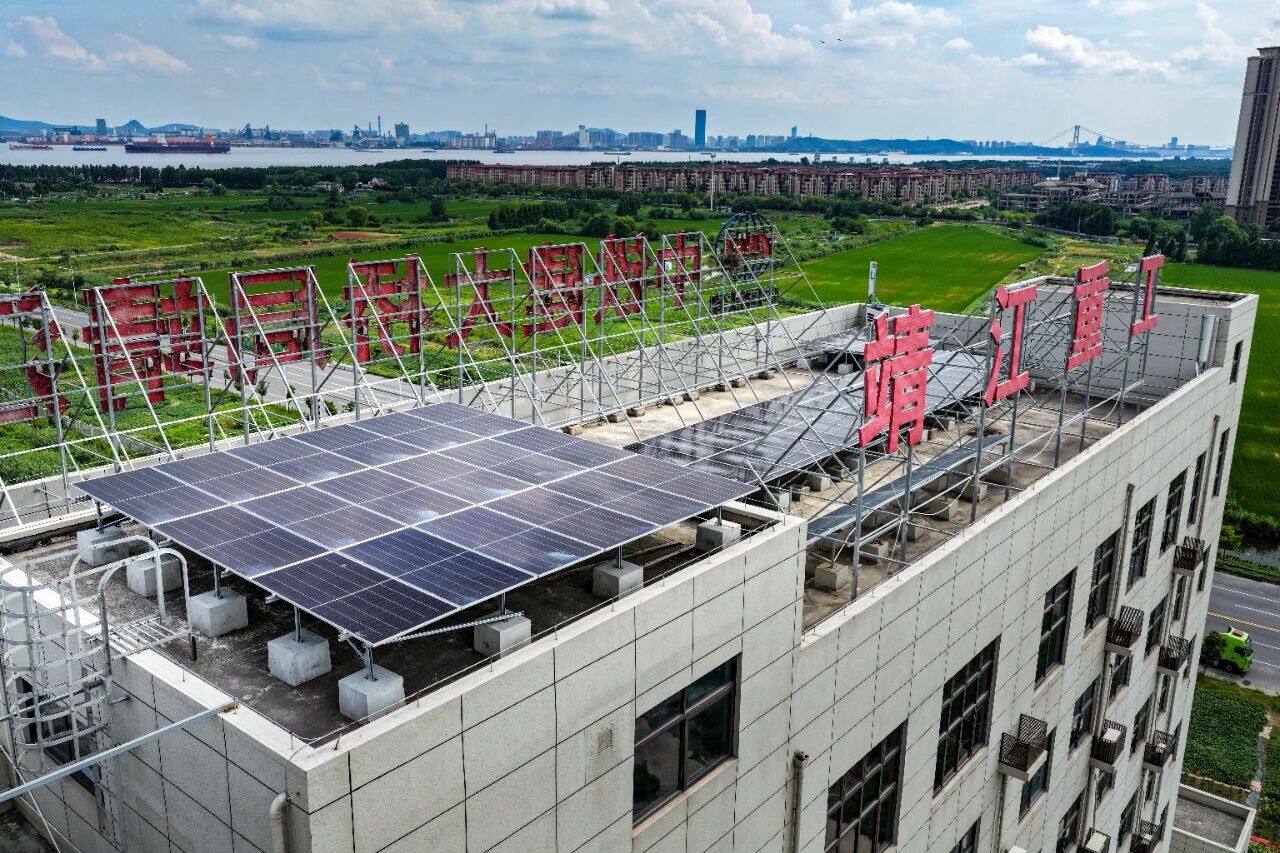
Step by step construction
The project will revitalize the idle roof of the parking shed in the production workshop of the office building, covering a total area of 47000 square meters. The construction will follow an orderly rhythm of low voltage verification followed by high voltage connection. All participating units shall cooperate and reverse the construction plan, focus on tackling difficulties such as the joint debugging of high-voltage access cross operation systems, strictly implement various safety control requirements, and ensure the success of grid connection work in one go.
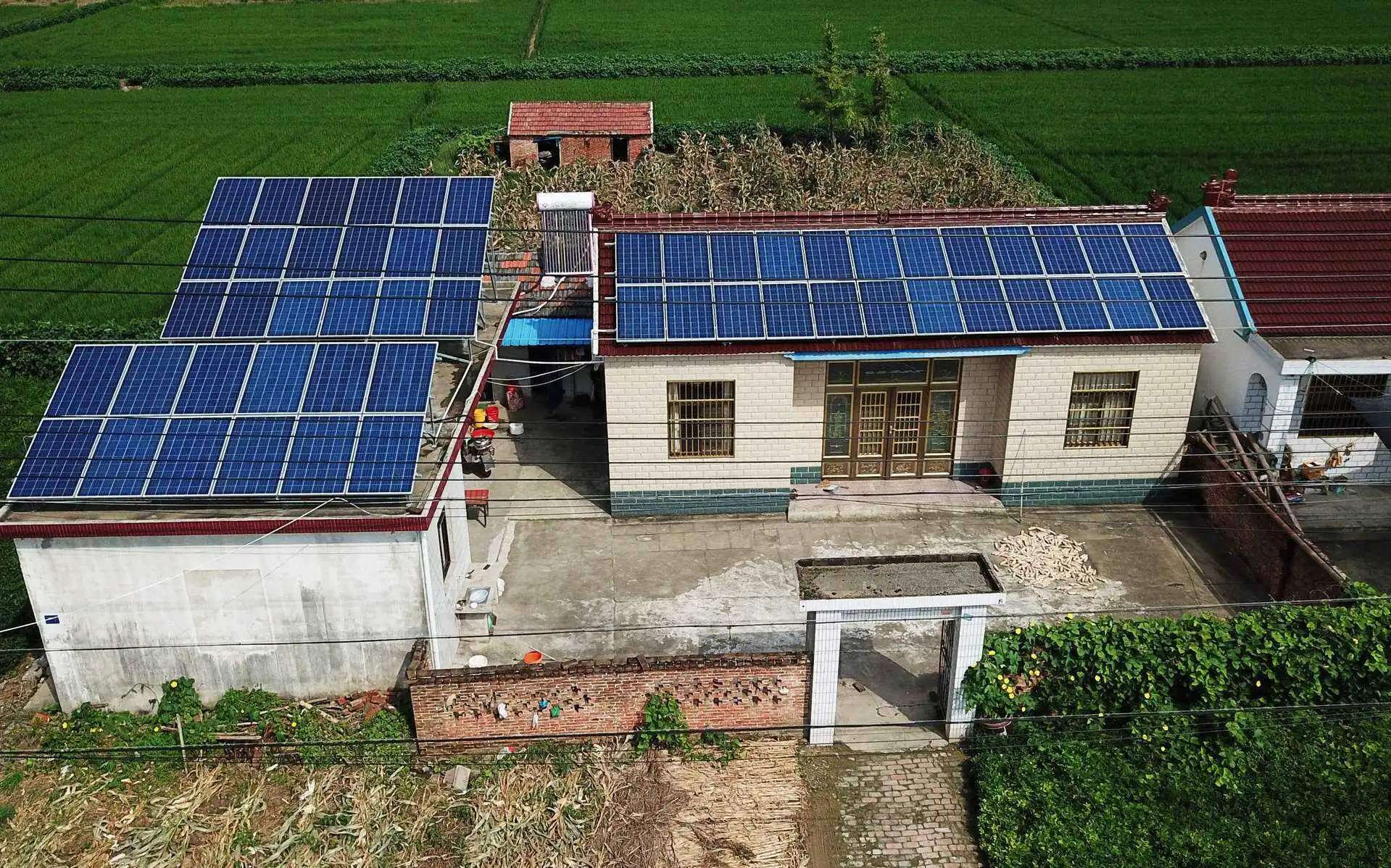
Benefit calculation
The project has a DC installed capacity of 5.57 MW and an AC installed capacity of 5.09 MW. After completion, the average annual power generation will be about 5.74 million kWh, saving over 1 million yuan in electricity costs and reducing carbon dioxide emissions by more than 3000 tons annually. The project adopts a photovoltaic power generation, energy storage, peak shaving, and on-site consumption mode, with high matching between power generation and plant load, and outstanding green benefits. Keywords: rooftop photovoltaic, distributed photovoltaic, green factory
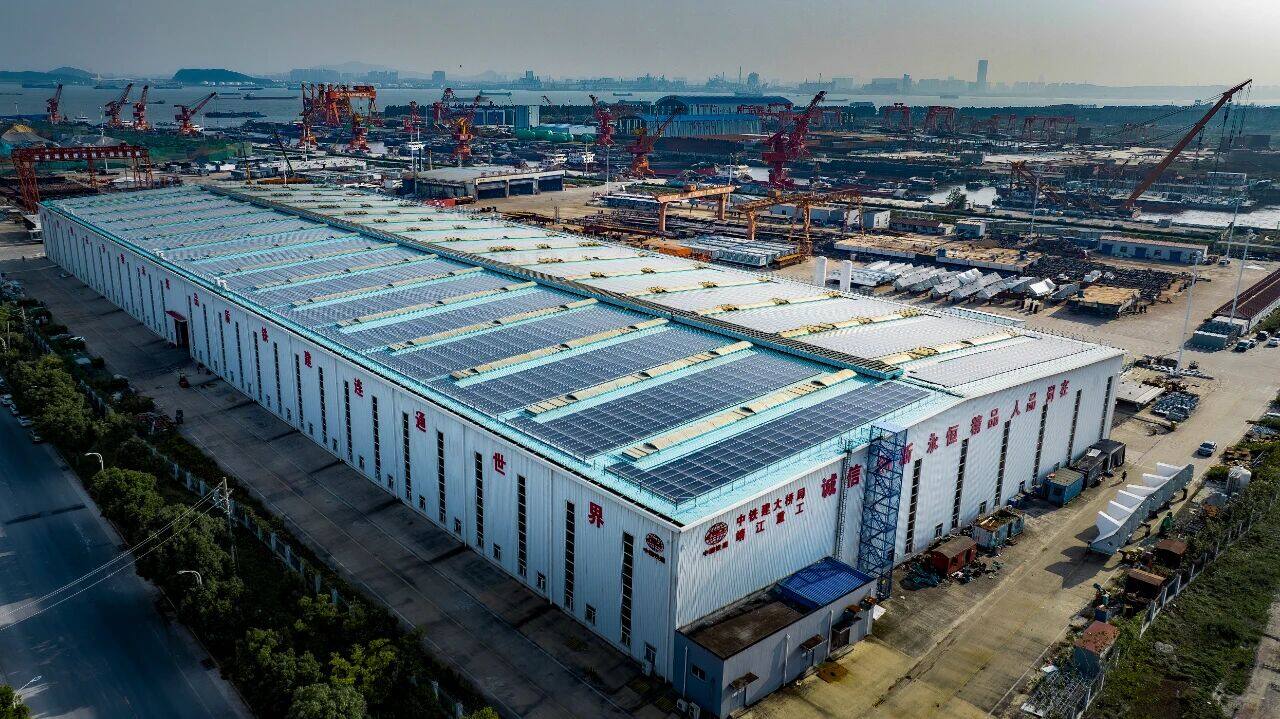
Innovation Practice
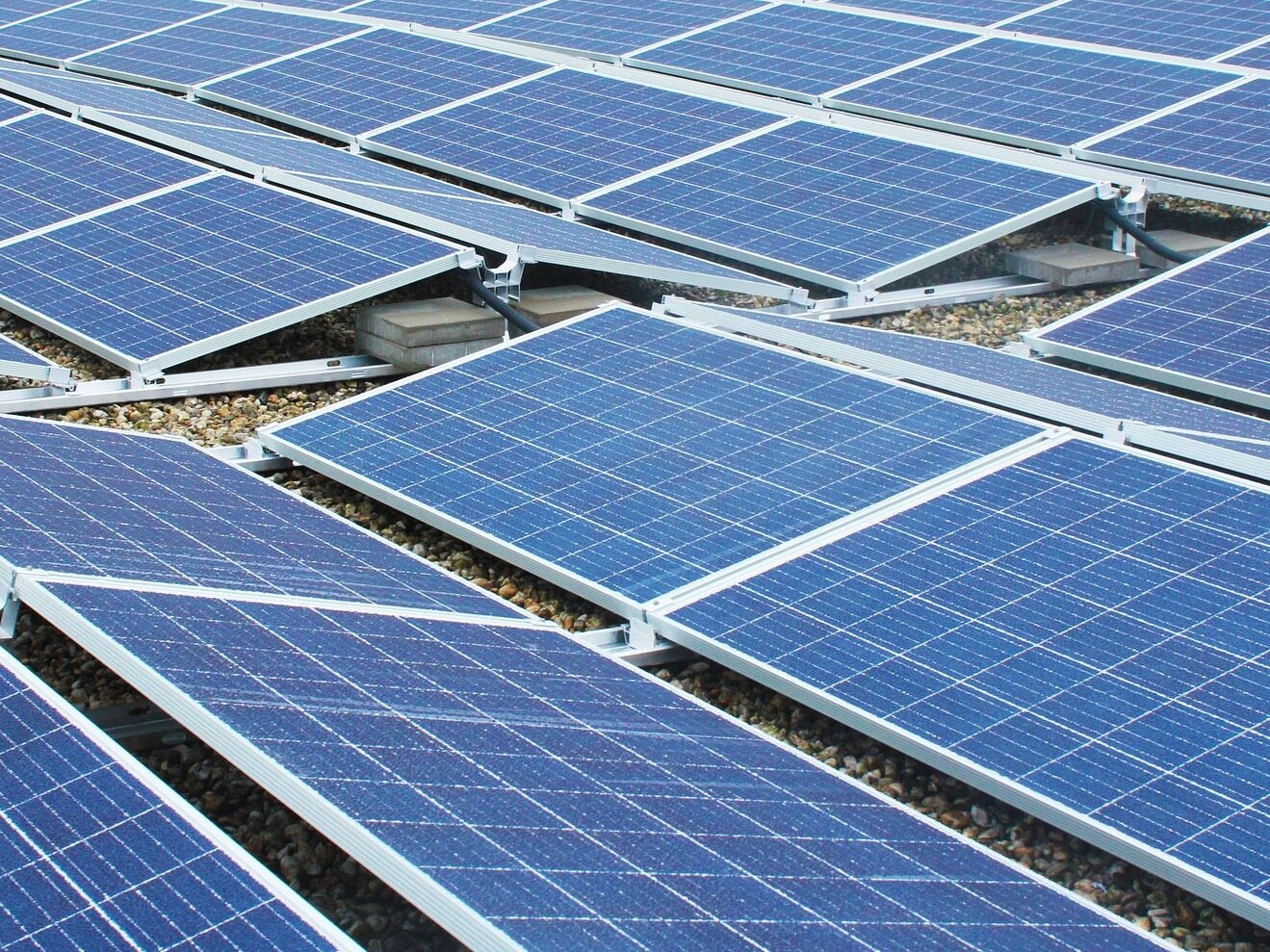
The project aims to address the pain points of uneven roof load and easy damage to the waterproof layer. It adopts non penetrating fixtures and layered waterproofing technology, without damaging the original roof, and is equipped with drones to transport materials, forming a construction method suitable for heavy industry factories. In the future, a smart operation and maintenance platform will be built to continuously promote energy consumption control and create replicable low-carbon transformation models for industrial plants.Editor/Li Xiaohua
Comment

 Praise
 Collect
 Comment

 Share


Write something~