 Search


- Hebei's Three Ports Link Tianjin Gate and Connect Land and Sea Nodes
- To reduce costs, increase efficiency, and reshape the hub level of green intelligence, injecting new momentum into dual circulation and regional synergy
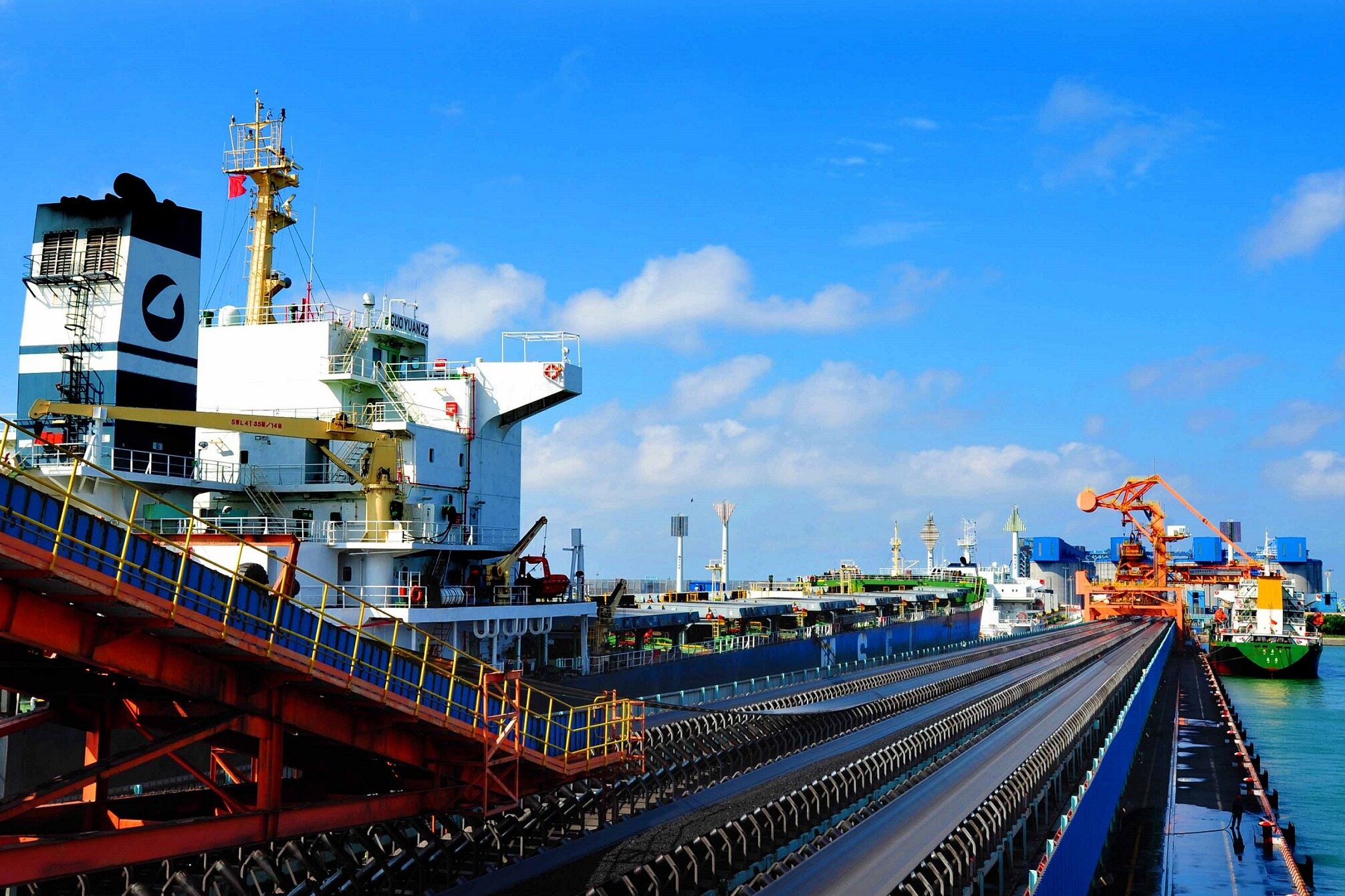
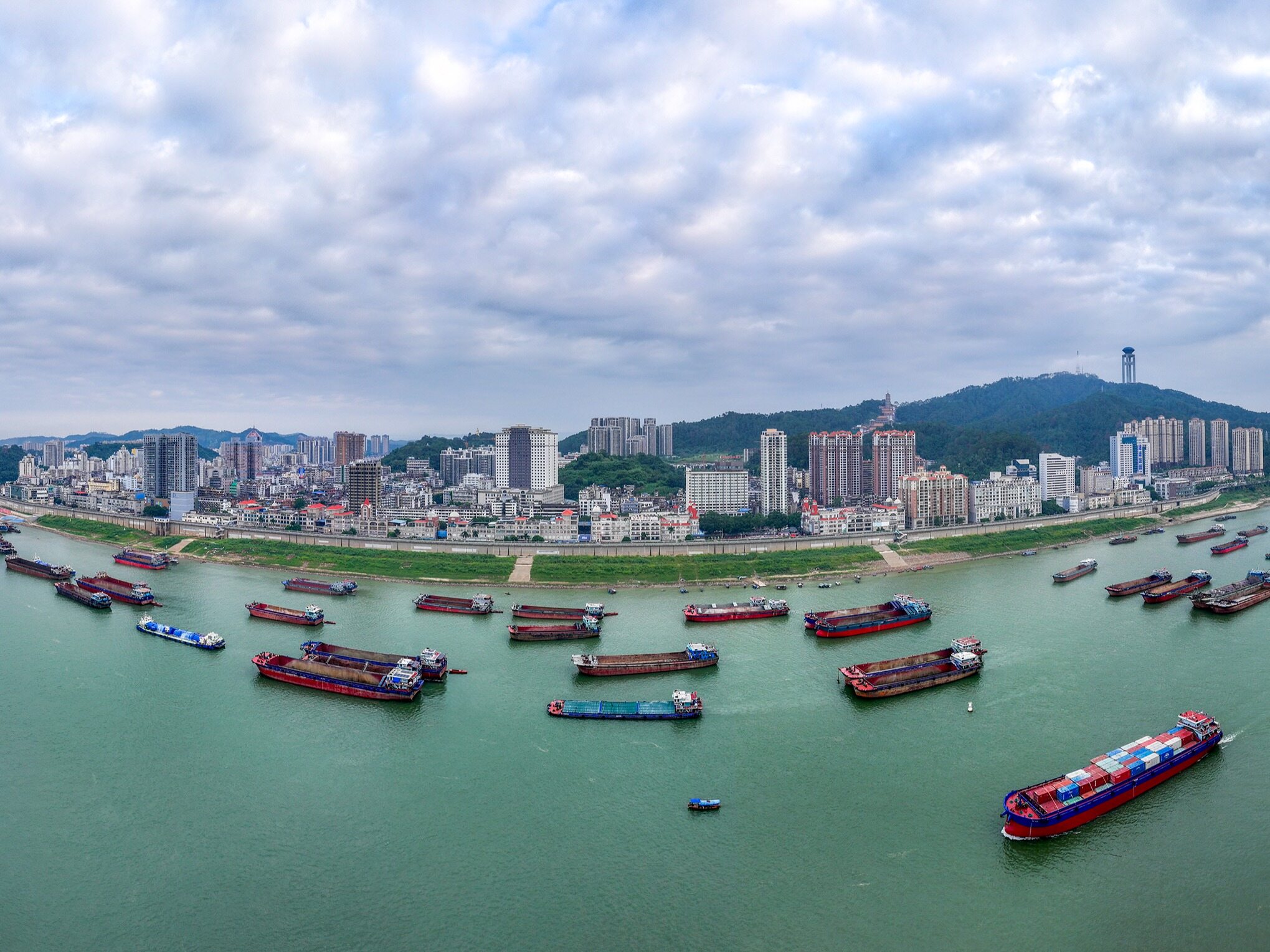
At the dome of Bohai Bay, cranes stand tall, and the sound of ship whistles hides a peaceful and turbulent transformation. The Qinhuangdao Port, Tangshan Port, and Huanghua Port, which used to run their own businesses, are now tightly linked together by internal branch lines and trains of rail and sea freight trains.
Special teams connect the main and branch lines
Recently, the Tianjin Port Huanghua Port Qinhuangdao Port Container Revolution Water Working Team, jointly composed of Tanggang Group Jinji Container, Xingang Container, and Tianjin Port Co., Ltd., was unveiled. This marks the transition of the Hebei Tianjin Port's intermodal transportation from exploration to normalcy: the inland cargo is first collected and loaded onto ships at the two ports in Hebei, and then transported to Tianjin Port by branch lines, seamlessly connecting with the ocean and coastal main lines. During the trial operation phase, we have connected with 6 customers and shipped 1565 TEUs for domestic trade. The goods range from plastic products, glass to sorbitol solution and 12 other categories, with a comprehensive logistics cost 10% to 20% lower than the entire road journey.
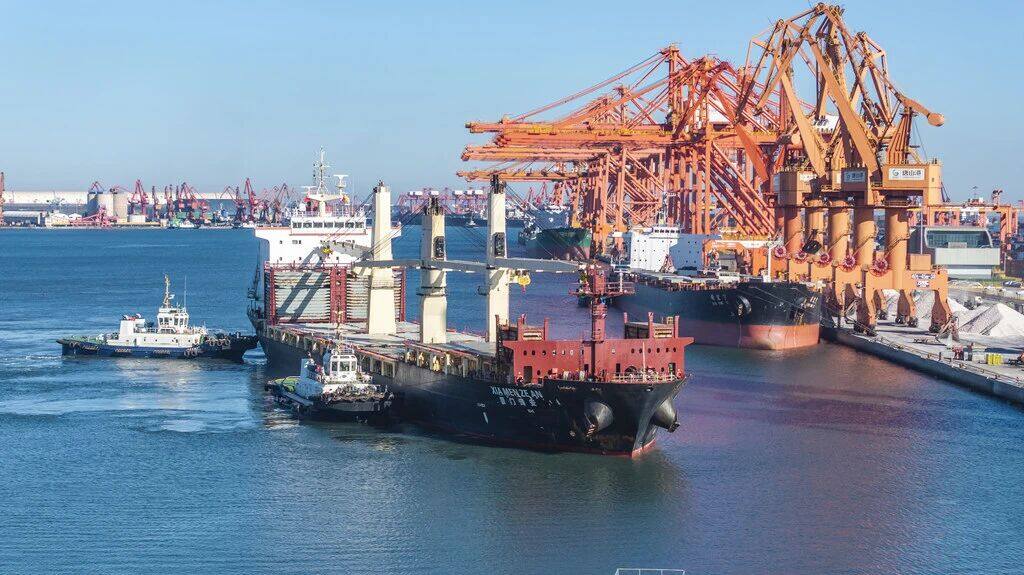
More front-end changes are also happening. The Xingtai South Railway carried bran and noodles into Huanghua Port, and then transferred to Tianjin Port by barge, achieving a breakthrough of zero water transfer in the southern part of Hebei Province; In the first half of the year, three trains shipped over 10000 TEUs. The Bohai Rim Inner Branch Line has been in operation for over 20 years, and now the cabin space can be locked in advance, allowing small and medium-sized enterprises to share the benefits of port cluster integration.
Dagang Expansion Stage
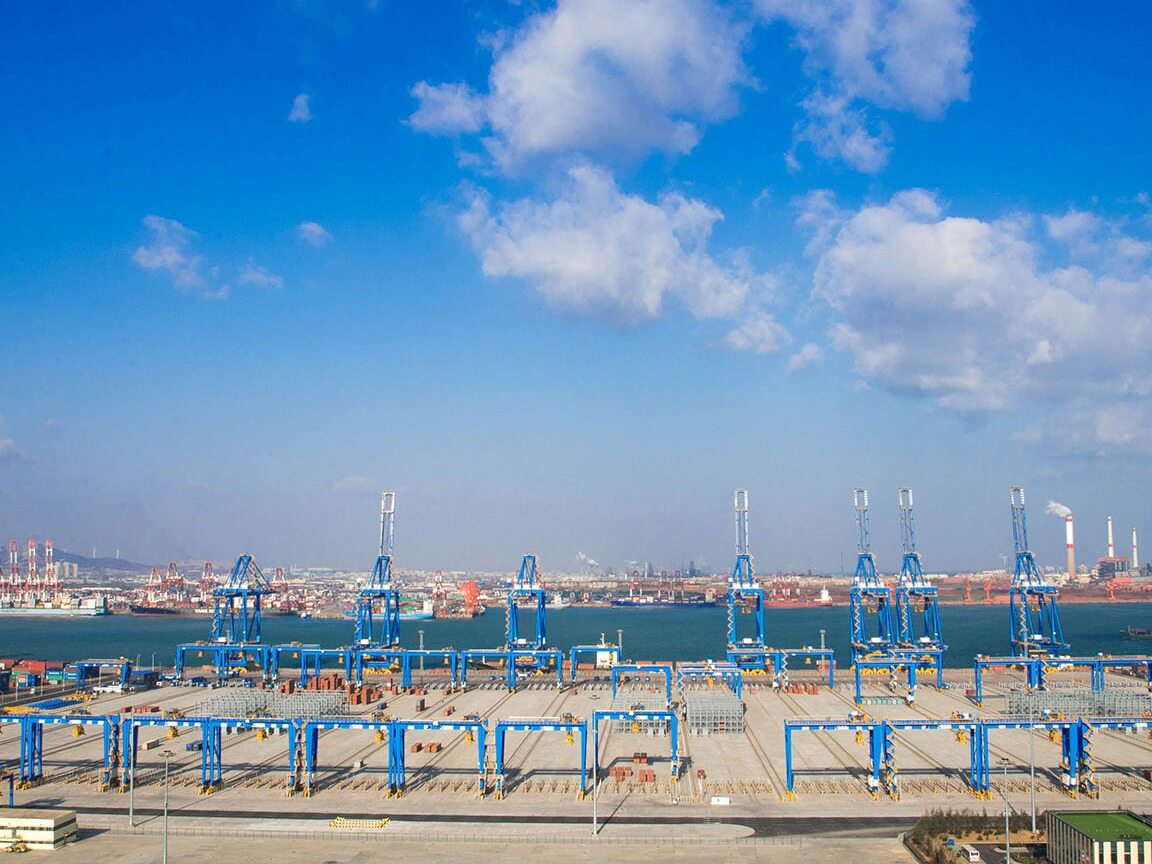
At the end of October, the construction site of the fifth phase of Huanghua Port Coal Port Area was bustling with activity. This project, with a total investment of 4.898 billion yuan, will add an annual coal throughput capacity of 53.1 million tons after completion, increasing the port's transportation volume from 210 million tons to 260 million tons. As a further expansion of the largest coal transportation port in the country, the project integrates 16 green and low-carbon technologies in 6 categories, including intelligent overturning, intelligent loading, and full coverage of shore power.
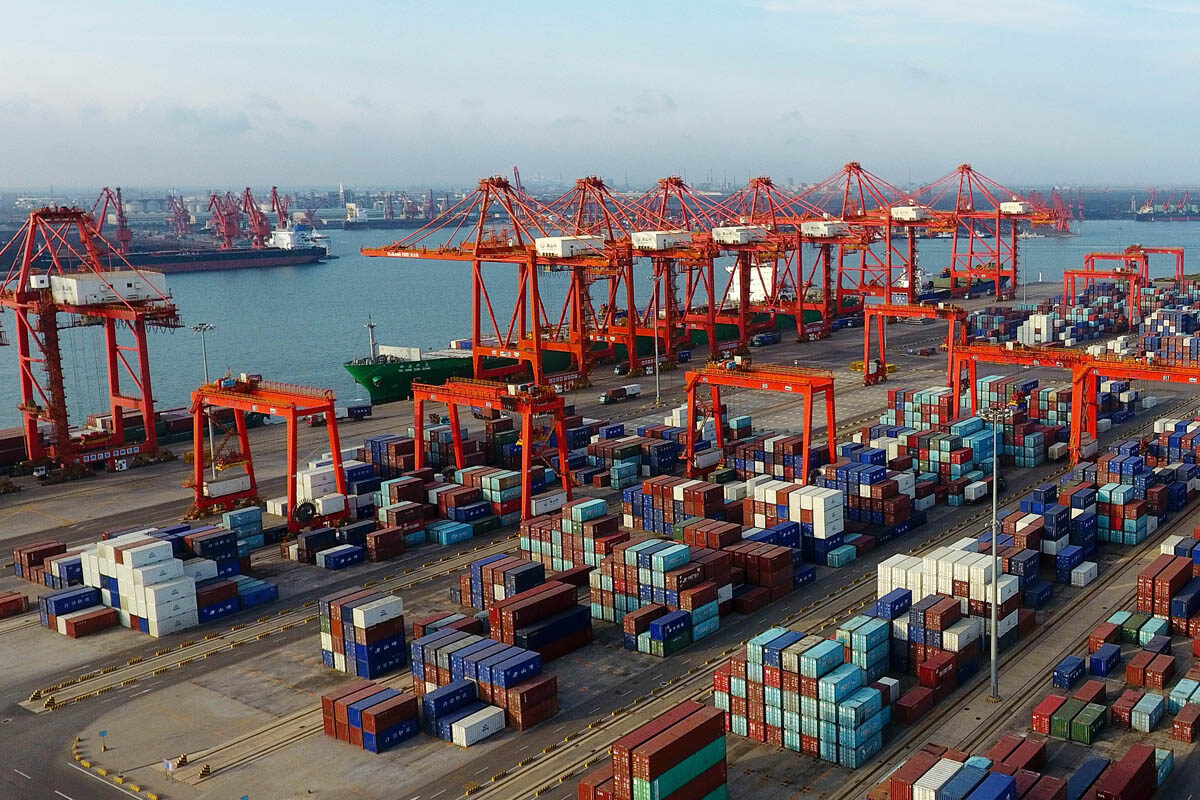
At the same time, the construction of the No. 51 and No. 52 bulk cargo berths in Jingtang Port Area is advancing, and the expansion of the third phase of Caofeidian Ore Terminal is accelerating. The 250000 ton waterway in Jingtang has been opened for navigation. The Provincial Department of Transportation has established a hardware foundation by consolidating the advantages of the channel inch by inch through general land, dredging, and approval blockages.
A box of land sea chain running through
Multimodal transportation was once stuck in a detail: a 35 ton wide open top container was wider than the ship's berth and could not be loaded by sea, with a space utilization rate of less than 60%. Tanggang Group has developed its own loading and conversion platform, which allows railway containers to be loaded directly onto ships without changing containers upon arrival. The loading rate has been increased to over 90%, and the actual load capacity has increased by 30%. Northwest coal is shipped by sea from Jingtang Port to Beibu Gulf, loaded with limestone and bauxite on the return journey, and then returned to zero air return.
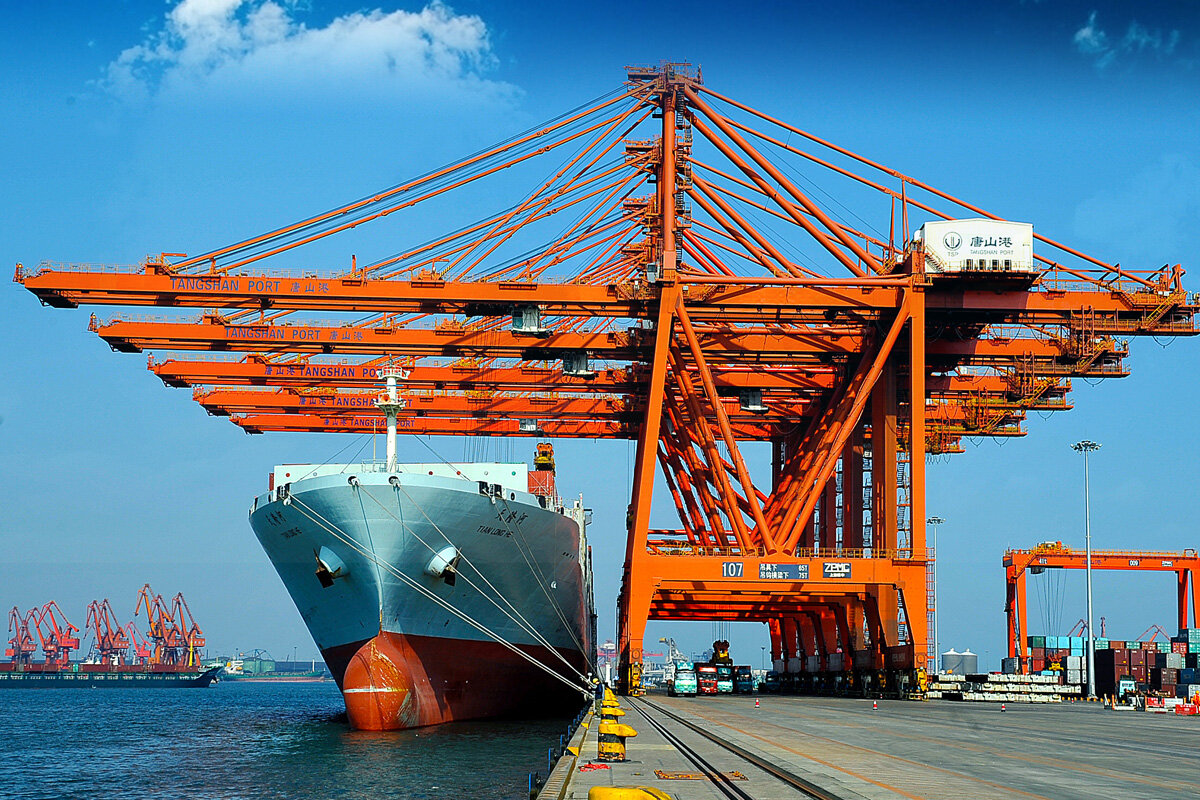
The Canggang Railway has opened a new railway ore channel from Huanghua Port to Jizhong South, and the water and water transfer in Jingtang Port Area has become normalized. Railways, highways, and waterways are interlocked at the port entrance, and Hebei ports are moving from one area to the whole, truly turning transportation channels into comprehensive hubs.
The tide rises in the Bohai Sea, and goods reach the world. When the three ports are on the same frequency and the land and sea complement each other, the Hebei port cluster is becoming a key gear for smooth internal and external circulation.Editor/Yang Meiling
Comment


 Praise
 Collect
 Comment

 Share


Write something~