 Search


- Greek energy giant increases investment in Romania, laying out wind, solar and energy storage tracks
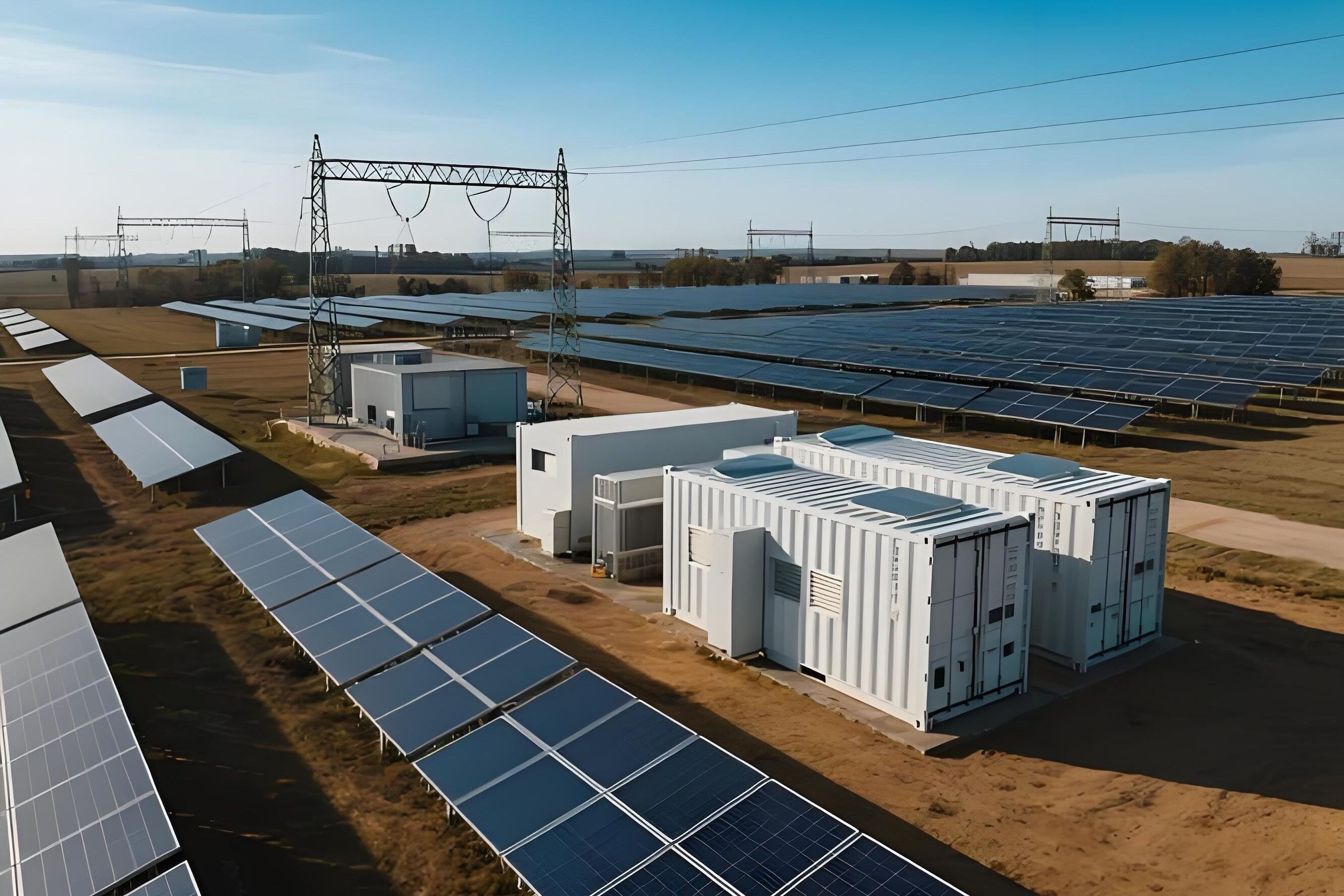
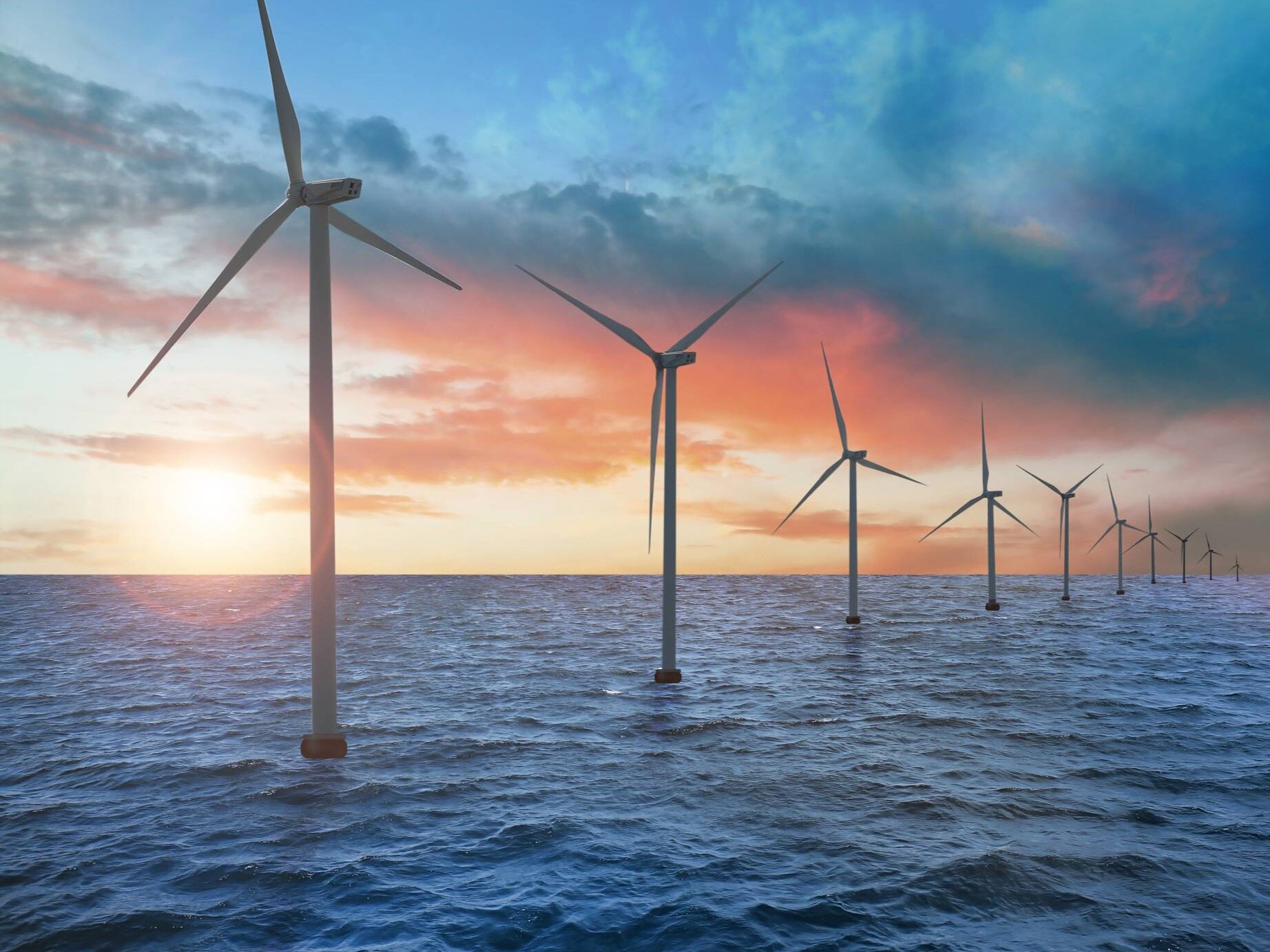
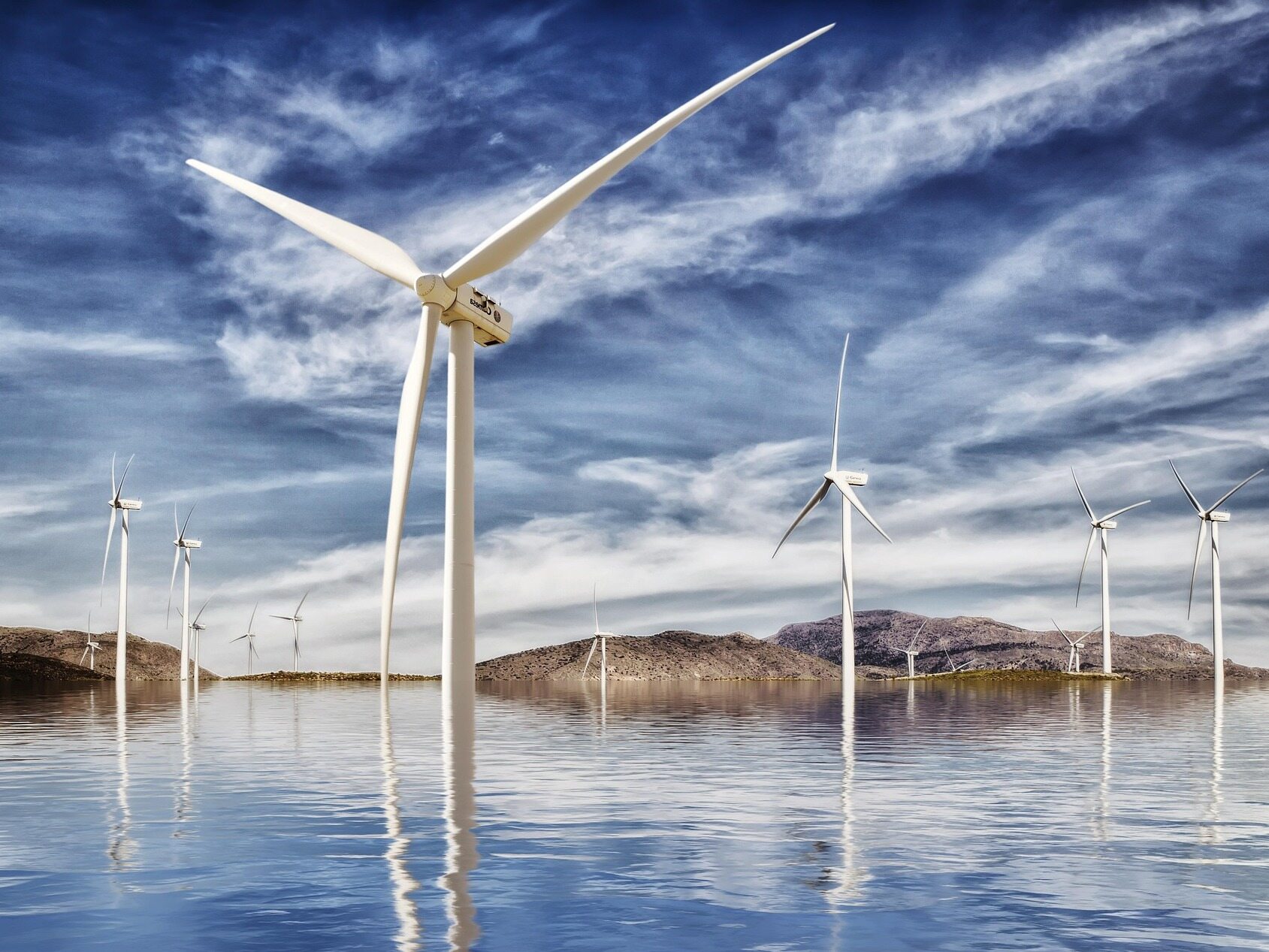
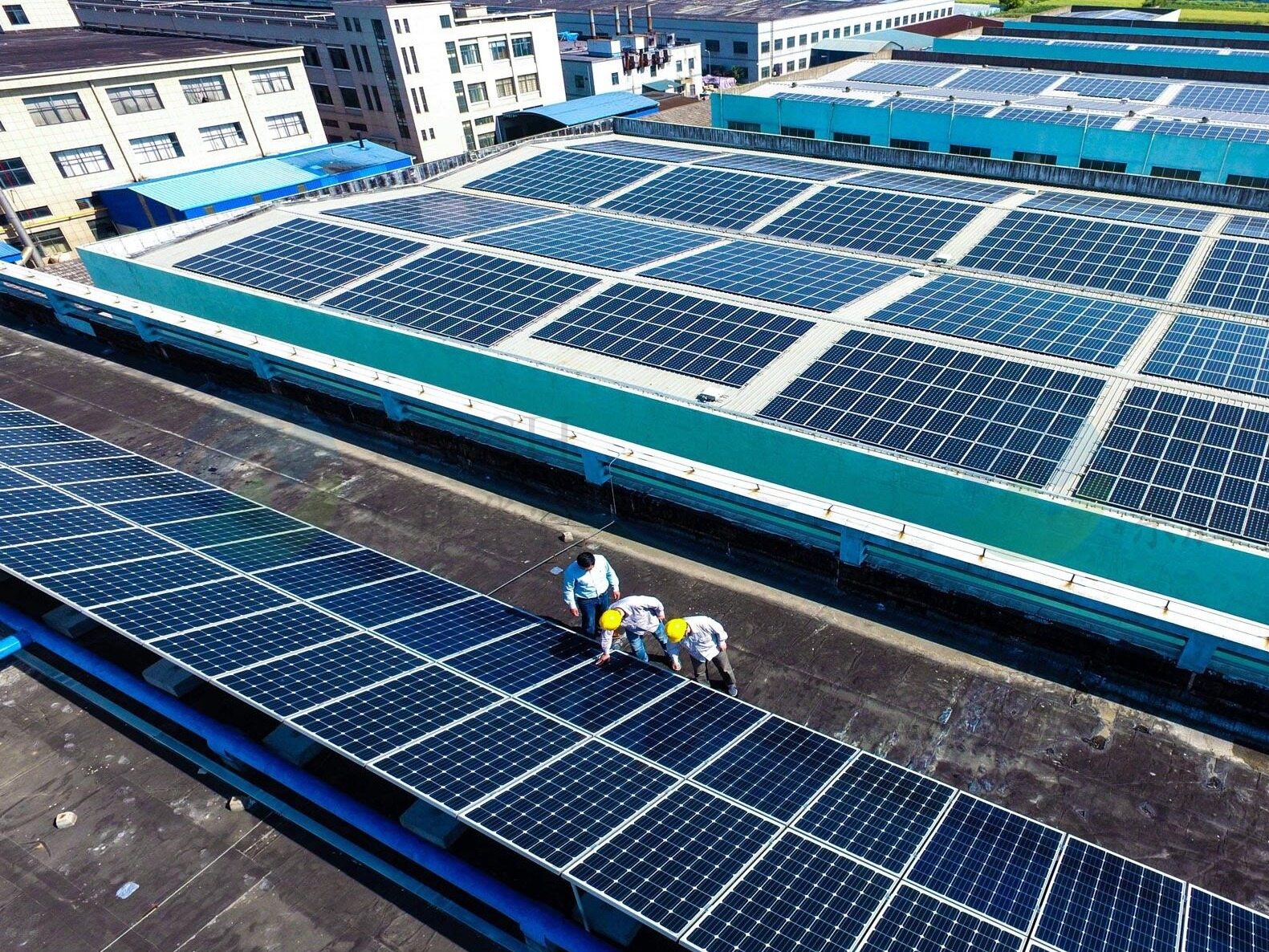
The wind turbine blades on the banks of the Danube River slowly rotate, and the photovoltaic panels cover the barren land of the past. As European energy giants place their bets on the sunshine and valleys of Southeast Europe, a new energy supply chain spanning Europe and Asia is quietly restructuring, and the role of Chinese companies is also being redefined.
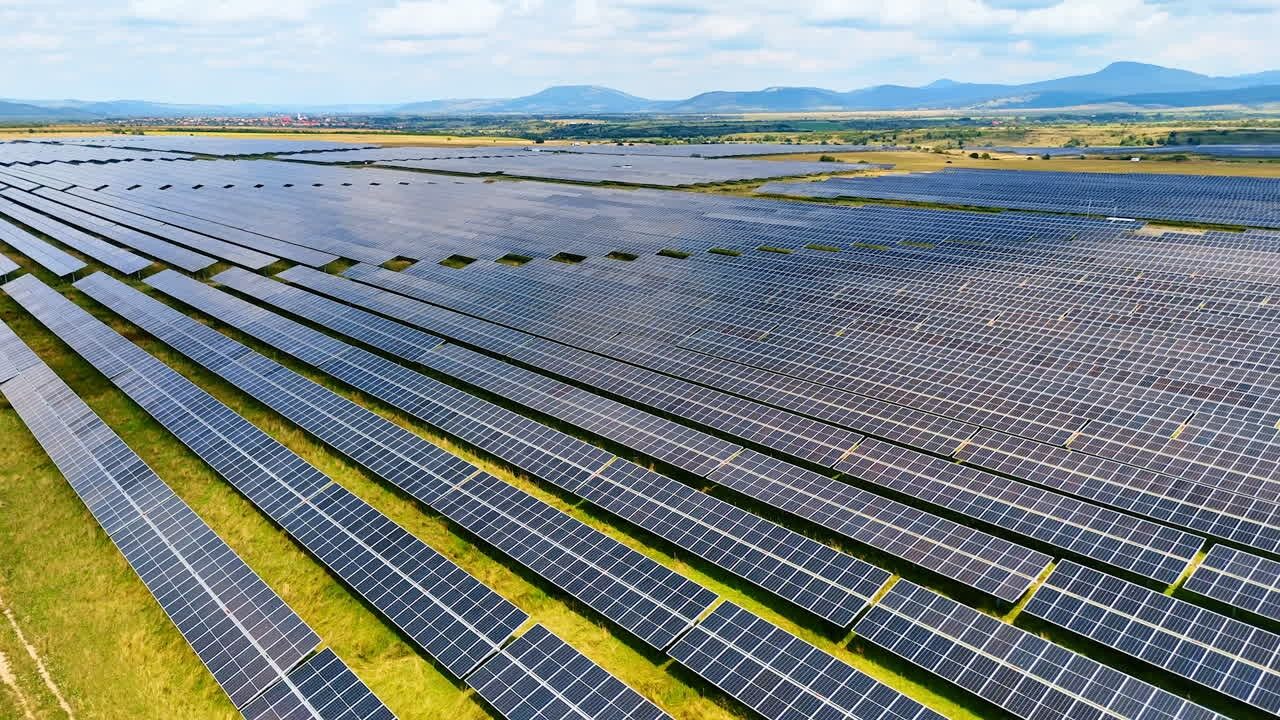
The new energy market in Southeast Europe continues to heat up, and regional energy groups are accelerating their layout. On November 10, 2026, Greece's HELLENiQ ENERGY announced that it will invest over 1 billion euros in Romania by 2030 to develop renewable energy and energy storage businesses, with its subsidiary promoting photovoltaic, wind power, and battery energy storage projects. The group has established a local new energy entity in Bucharest, with Romania becoming its second largest new energy growth market. This action also reflects the acceleration of international energy companies in seizing new energy assets in Southeast Europe.
Billion level investment landed in Luoguo
This investment is an important step for the group's overseas expansion, and the company plans to build large-scale wind and solar energy storage assets. The group's business covers five countries, with a total scale of over 6GW of new energy and a target of over 2GW of green electricity installed capacity by 2030. The group's overall investment in wind and solar energy storage is 2 billion euros, of which Romania's special investment exceeds 1 billion euros. The entry of comprehensive energy giants has made the local market competition more diverse.
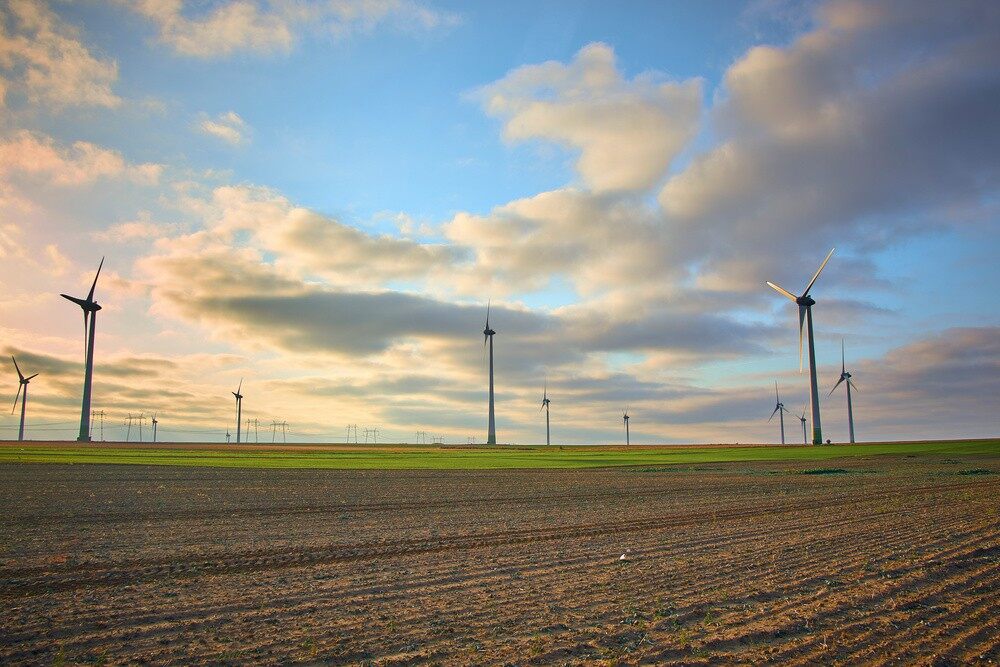
Synchronized layout of wind, solar and energy storage
The group reserves 800MW of renewable energy and 500MW of energy storage projects in Romania. The total photovoltaic capacity is 211MW, and the 96MW wind farm is expected to be completed in the second quarter of 2027. The energy storage will be independently planned, not only for wind and solar facilities. The details such as the production time of the energy storage project have not been announced yet. The opportunities for domestic enterprises are not limited to equipment supply, but can also participate in EPC, system integration, and operation and maintenance.
Hidden new opportunities for cooperation
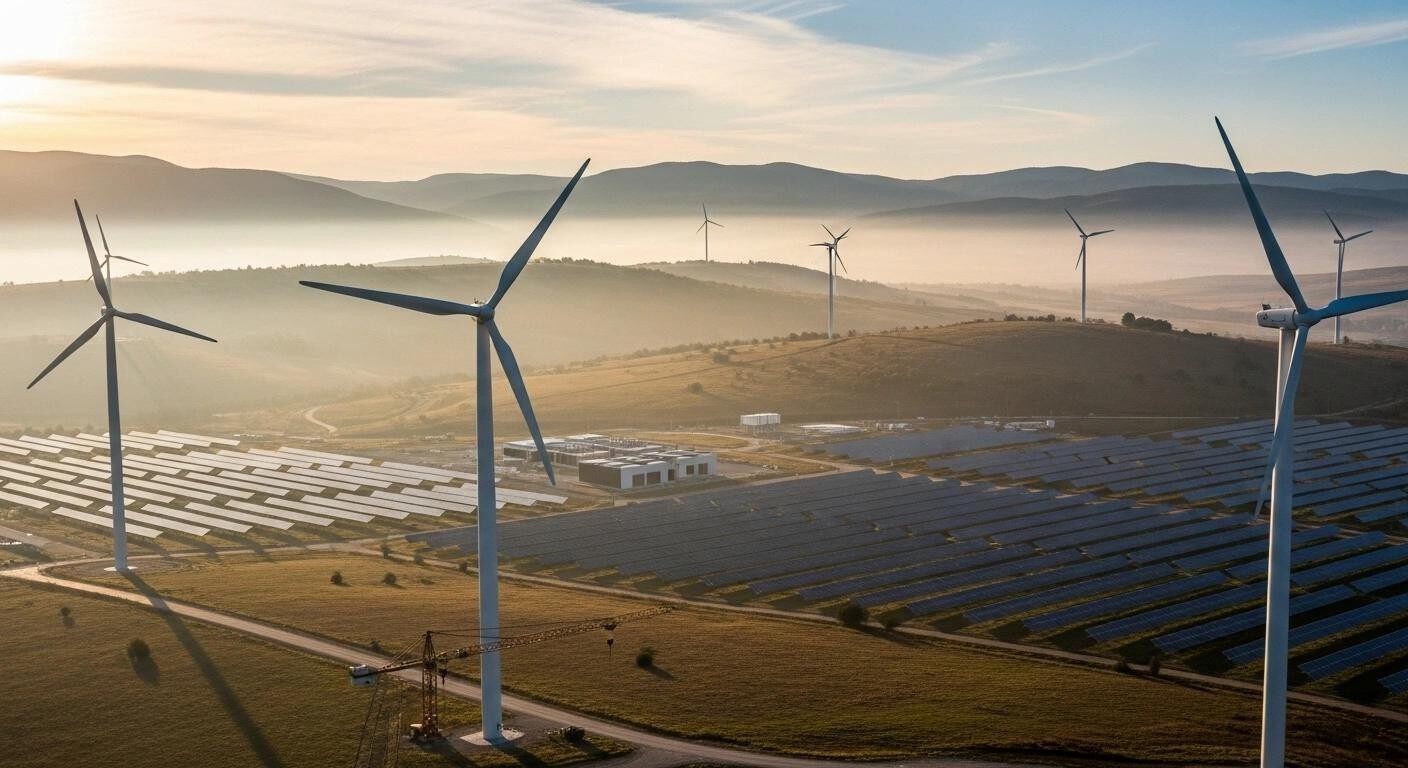
Energy storage can regulate the output of new energy, enrich power trading modes, and promote the integration of photovoltaic and energy storage. The group aims to achieve 1GW of green electricity and 0.5GW of energy storage by 2030. Domestic enterprise inspection projects should focus on grid connection, market rules, and revenue structure. To enter its supply chain, in addition to price advantages, one also needs to possess European certification, delivery, financing, and long-term service capabilities. Keywords: Romania, new energy, energy storage, photovoltaics, wind power
Romania's new energy continues to attract giants to increase their investment. Chinese domestic enterprises should track the implementation of projects, break away from the simple supply mentality, and transform towards project development and comprehensive energy services.Editor/Gong Ziwei
Comment

 Praise
 Collect
 Comment

 Share


Write something~