 Search


- Short term pullback of newly installed capacity in 2026, with a 6-year high growth mainline remaining unchanged
On November 6, 2026, the International Energy Agency officially released the "Renewables 2026" report, providing a new growth outlook for the global renewable energy market over the next six years. This report not only updates the long-term forecast of global installed capacity growth, but also outlines a clear roadmap for the next stage of global layout for Chinese new energy equipment manufacturers.
The global market structure is rapidly restructuring
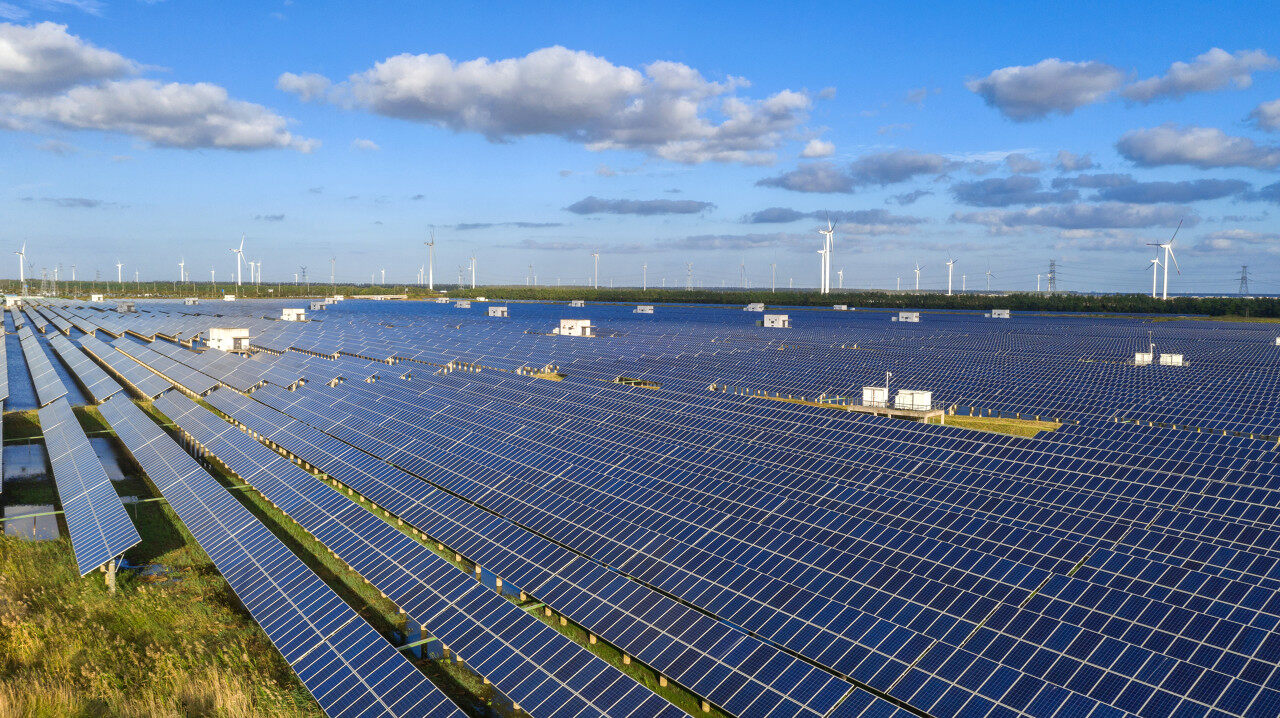
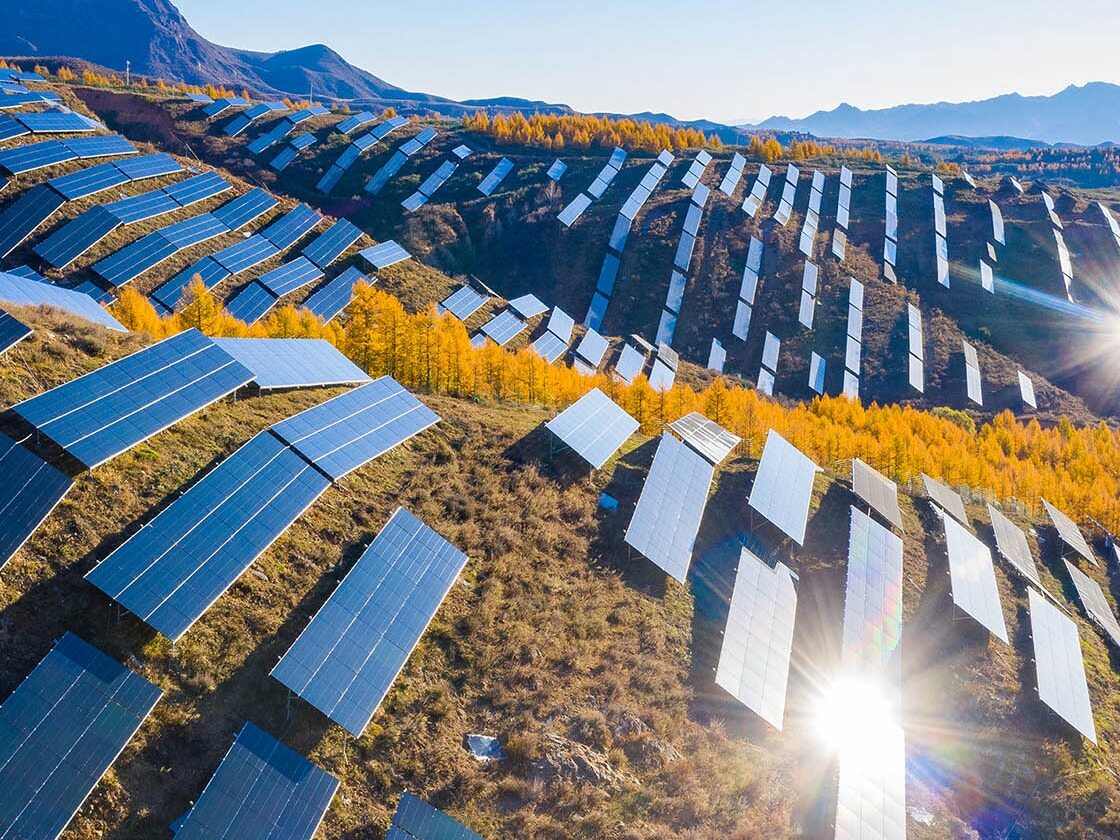
The report predicts that from 2026 to 2031, the global installed capacity of renewable energy will increase by nearly 4800GW, which is 57% higher than the increase from 2020 to 2025, with photovoltaics contributing more than three-quarters. China remains the world's largest growth market, India will become the second largest growth market, and the growth of new installed capacity in Southeast Asia, the Middle East, and Africa will significantly accelerate.
It is worth noting that the annual new installed capacity of renewable energy worldwide will decrease by about 11% year-on-year in 2026, and will gradually recover thereafter. This means that six years of cumulative high growth and short-term market adjustments will occur simultaneously. When companies arrange production capacity, inventory, and overseas sales targets, they cannot only focus on long-term total volume, but also accurately track the actual construction pace of projects in different countries to avoid mismatches in periodic fluctuations.
In the Asia Pacific region excluding China, India contributes nearly half of the newly installed capacity, while ASEAN accounts for about 20%. The business layout in Asia needs to simultaneously consider the large-scale concentrated growth in India and the dispersed project opportunities in multiple Southeast Asian countries. Equipment companies can find customers along two paths: one is to track large project developers and EPCs, and strive for orders for power plants and booster stations; the other is to target the industrial and commercial photovoltaic market, and establish long-term stable cooperation with local system integrators, installers, and distributors.
Business opportunities on the power grid side have emerged
The growth logic of the Middle East and African markets is completely different. The report predicts that Saudi Arabia will add approximately 60GW of renewable energy installed capacity from 2026 to 2031, contributing about half of the increase in the Middle East and North Africa. The Middle East business can focus on developers, EPC, and equipment procurement chains for large-scale projects. Sub Saharan Africa's photovoltaics account for over 80% of new installed capacity, with residential, commercial, and off grid systems accounting for nearly two-thirds of new photovoltaics. African businesses need to fully incorporate commercial and industrial users, local integrators, and distribution channels into their customer maps.
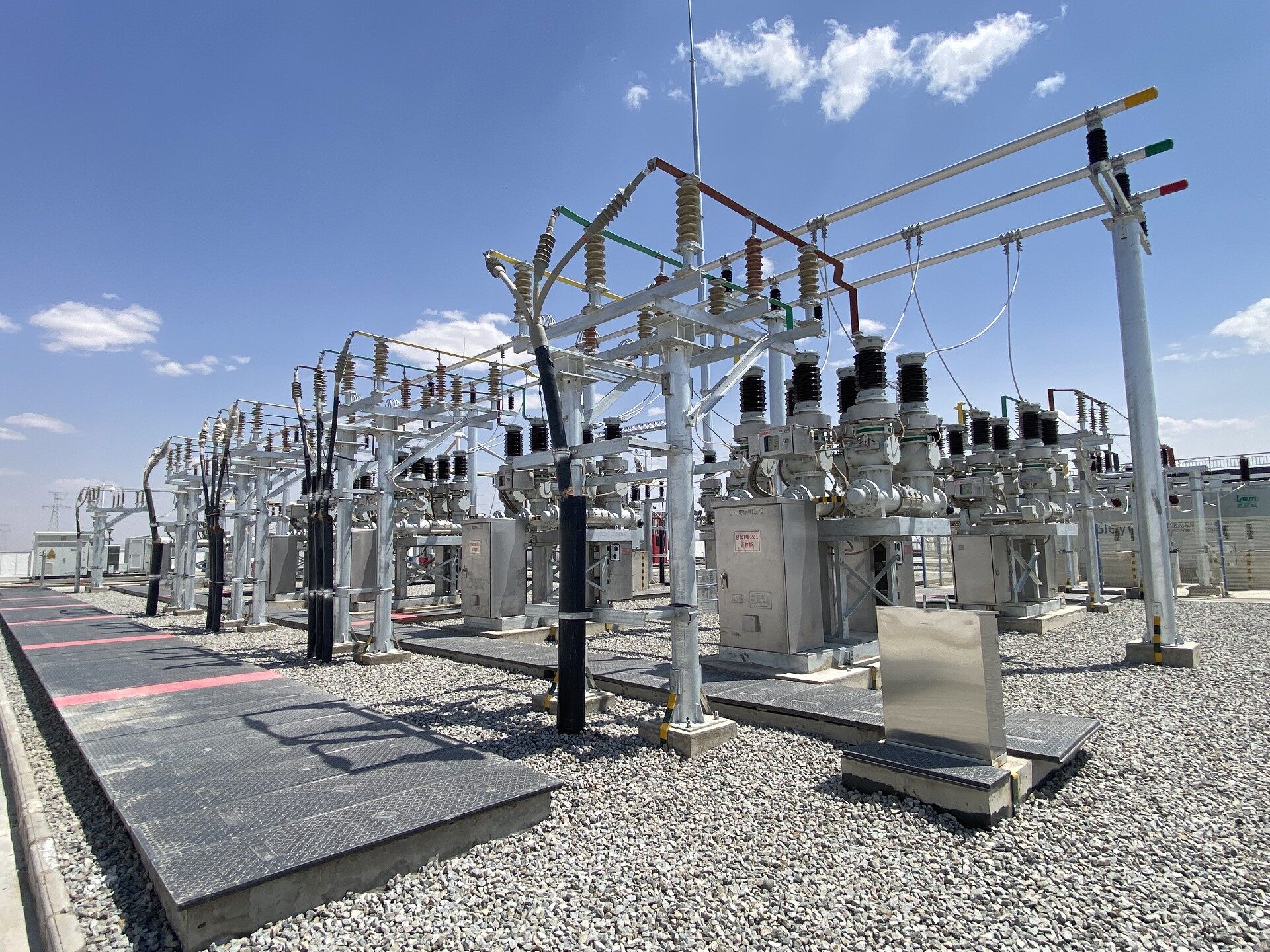
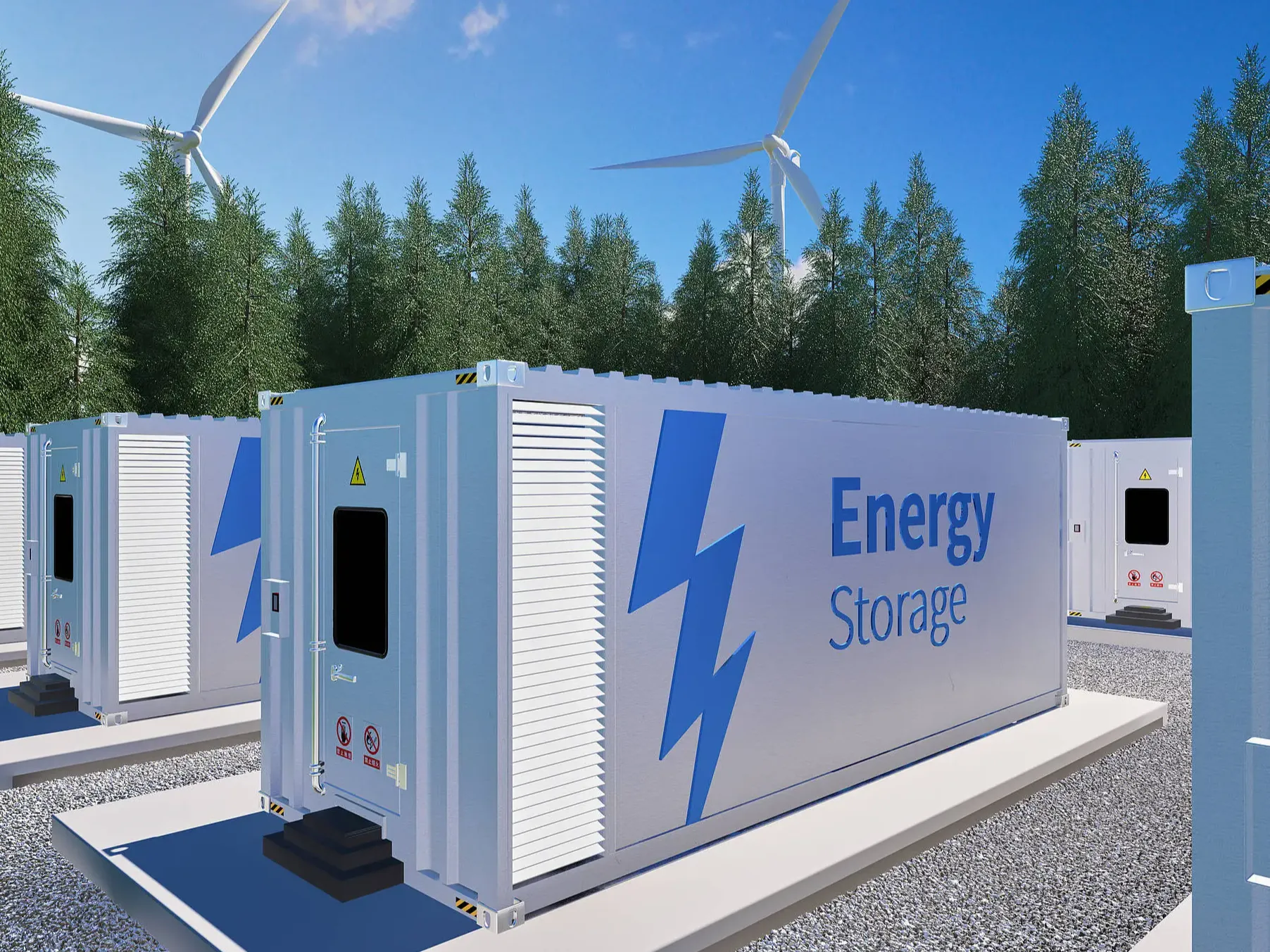
Against the backdrop of photovoltaic occupying the main increment, equipment opportunities will cover both centralized and distributed construction modes. From 2026 to 2031, the global centralized photovoltaic market will add approximately 2075GW, while distributed applications such as residential, commercial, and off grid will add approximately 1530GW. Both markets have considerable scale. Chinese equipment manufacturers can focus on identifying three types of product opportunities: step-up transformers, medium and high voltage switchgear, cables, relay protection, and station automation for centralized power stations; distribution transformers, ring main units, low-voltage distribution and protection equipment for industrial, commercial, and distributed systems; and energy storage inverters, transformers, switchgear, and energy management systems for energy storage systems. Keywords: new energy installed capacity
The report also disclosed that the scale of new energy and energy storage projects waiting to be connected to the grid in the later stage of development worldwide has reached about 3000GW, an increase of 60% compared to a year ago. This means that investment in the power grid must keep up with the speed of new energy expansion. Transformers, switchgear, cables, and power grid automation enterprises should not only focus on new energy power stations themselves, but also pay attention to the new demand brought by supporting substations, transmission lines, distribution network expansion, and access transformation.Editor/Cheng Liting
Comment




 Praise
 Collect
 Comment

 Share


Write something~