 Search


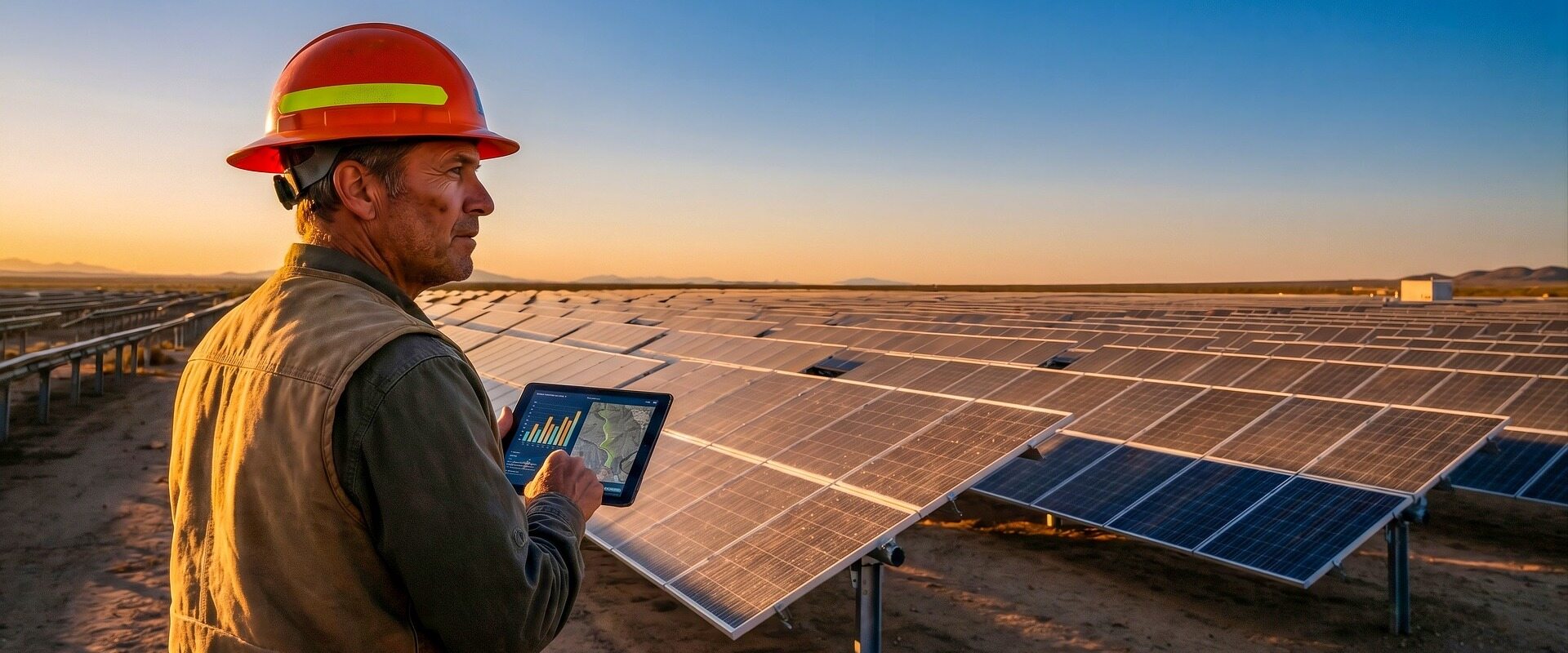
- 4800GW of new installed capacity is being rolled out, with China and India firmly occupying the top two growth markets
In November 2026, the International Energy Agency's latest 2026 renewable energy report directly pushes the Middle East from a traditional oil and gas energy hub to the core track of global new energy growth. The regions that have supported global energy supply over the past few decades are rapidly undergoing a reverse reshaping of their energy structure.
From oil and gas exporting countries to solar power generating countries
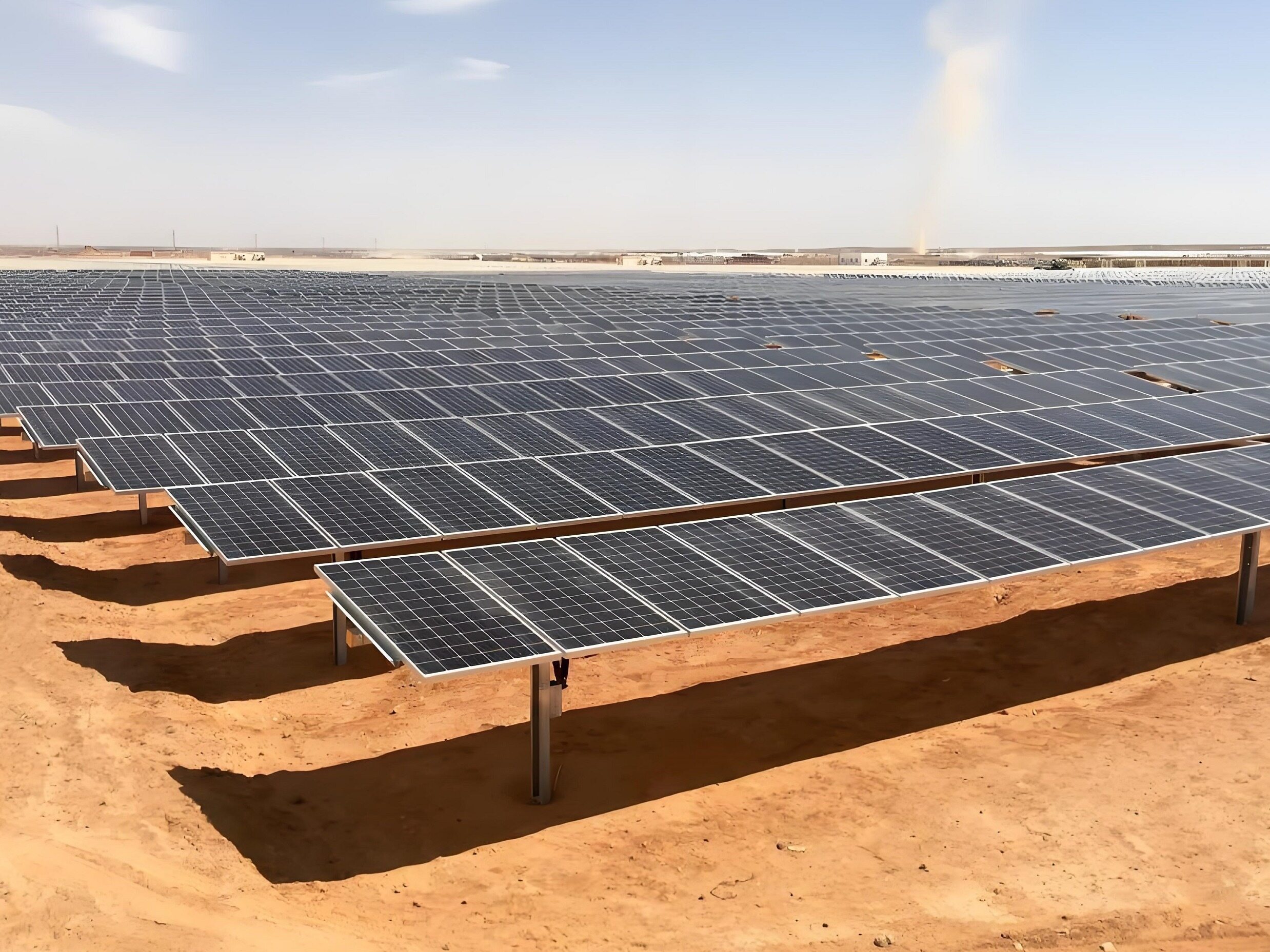
By 2031, the per capita solar power generation in the United Arab Emirates will exceed 4000 kilowatt hours, ranking first in the world. This country, which has long defined the global energy landscape by oil and gas production capacity, is rewriting its energy label with photovoltaics. Oman and Qatar followed closely behind, ranking among the top ten per capita solar energy in the world. The pace of photovoltaic development in the entire Gulf region far exceeded previous market expectations.
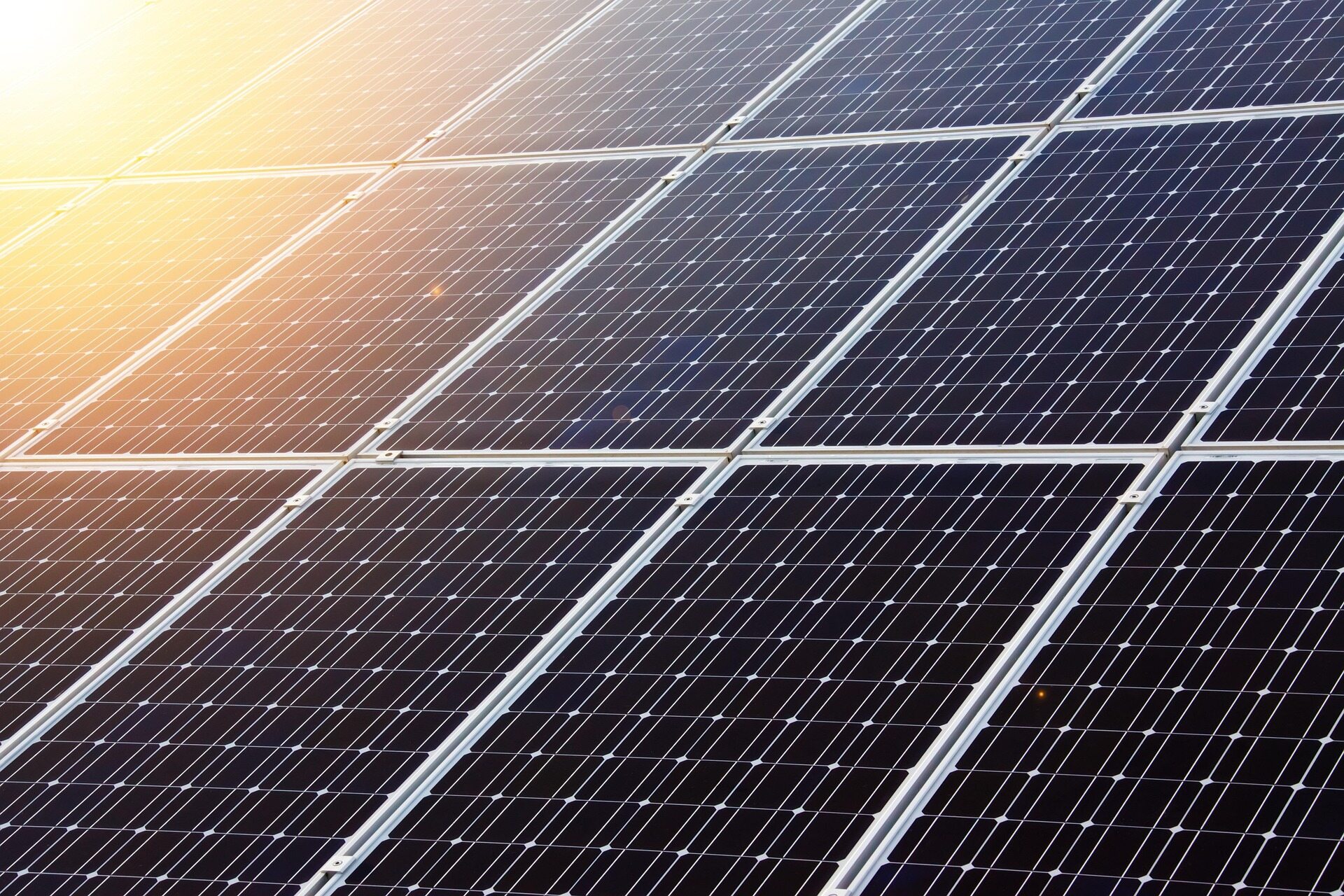
The United Arab Emirates has raised its target for the proportion of clean energy from 2030 to 2031 to 35%, covering both renewable energy and nuclear energy sectors. By opening up private sector participation and strengthening market competition, it has cleared institutional barriers for the implementation of new projects. Saudi Arabia's push is even more rapid, and by 2031, the installed capacity of renewable energy will expand fivefold on the existing basis, directly capturing the largest incremental share in the Middle East region.
Global new energy growth center shifts southward
The renewable energy capacity of the entire Middle East region is expected to triple by 2031, and this expansion is not an isolated phenomenon. In the latest IEA forecast, the growth expectations for renewable energy in emerging and developing economies have been raised by nearly 20% compared to a year ago, driven by the urgent need for energy security, continued policy tightening, and the continuous decline in the cost of wind and solar products, collectively driving the growth curve of Southeast Asian, African, and Middle Eastern markets to steepen synchronously.
Looking at the world, the total installed capacity of renewable energy from 2026 to 2031 is expected to reach nearly 4800GW, an increase of 57% compared to the previous six years. Photovoltaics will account for nearly three-quarters of the total installed capacity of renewable electricity worldwide, and the overall scale will increase by nearly 85% by 2031 compared to the current level. China continues to remain the world's largest growth market, while India has risen to second place. The gap in solar energy deployment between different countries is still significant, and the per capita solar power generation of leading countries will reach several times the global average. Keywords: new energy, wind power, photovoltaic
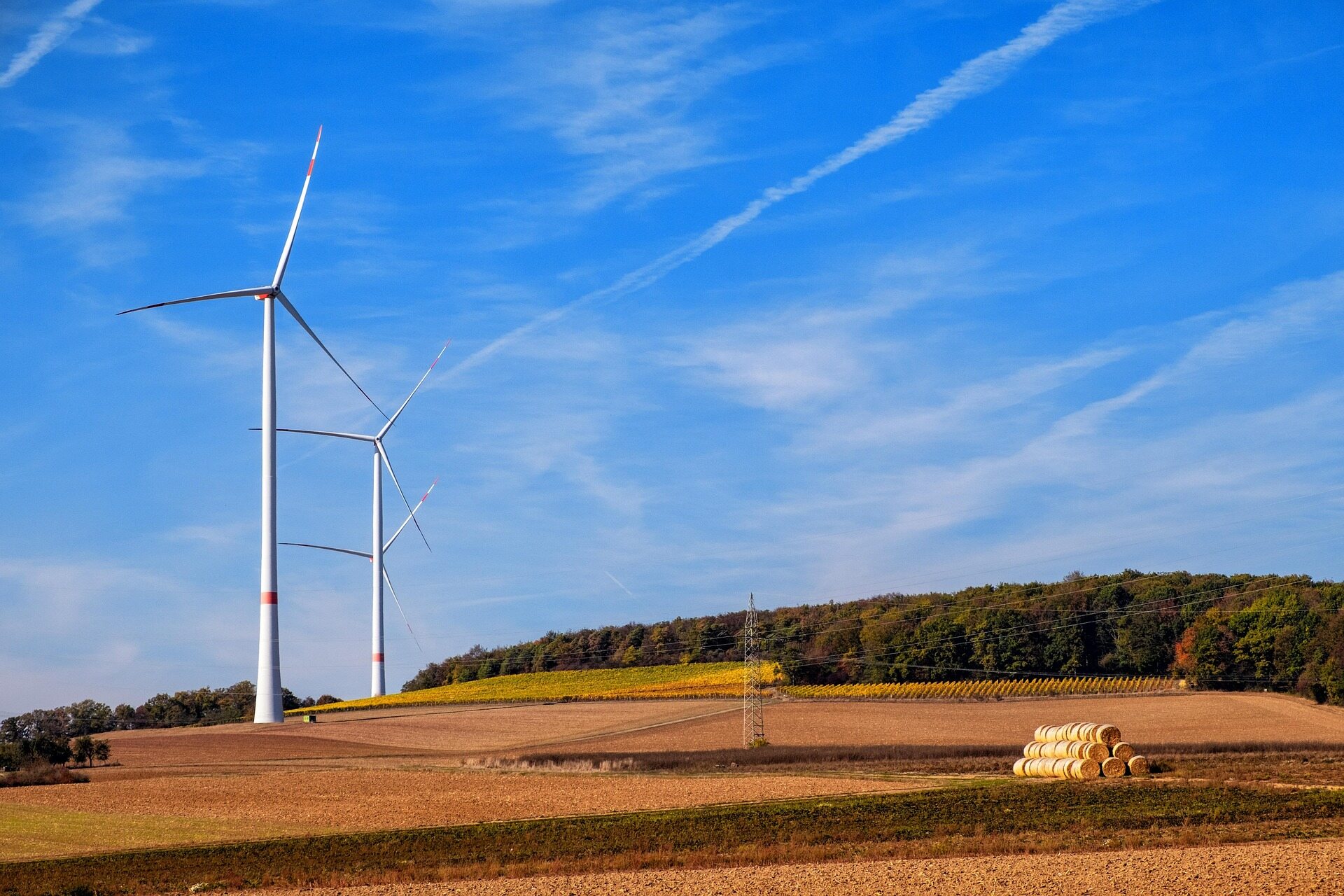
The energy transition that occurred in the Middle East is not only a regional industrial upgrade, but also a far-reaching reconstruction of the global energy supply system. It has increased by 57% compared to the past six years. China will continue to be the largest market, while India will rise to second place.Editor/Cheng Liting
Comment


 Praise
 Collect
 Comment

 Share


Write something~