 Search


- The renovation of the old power station provides stable supply of new low-carbon electricity to the local power grid
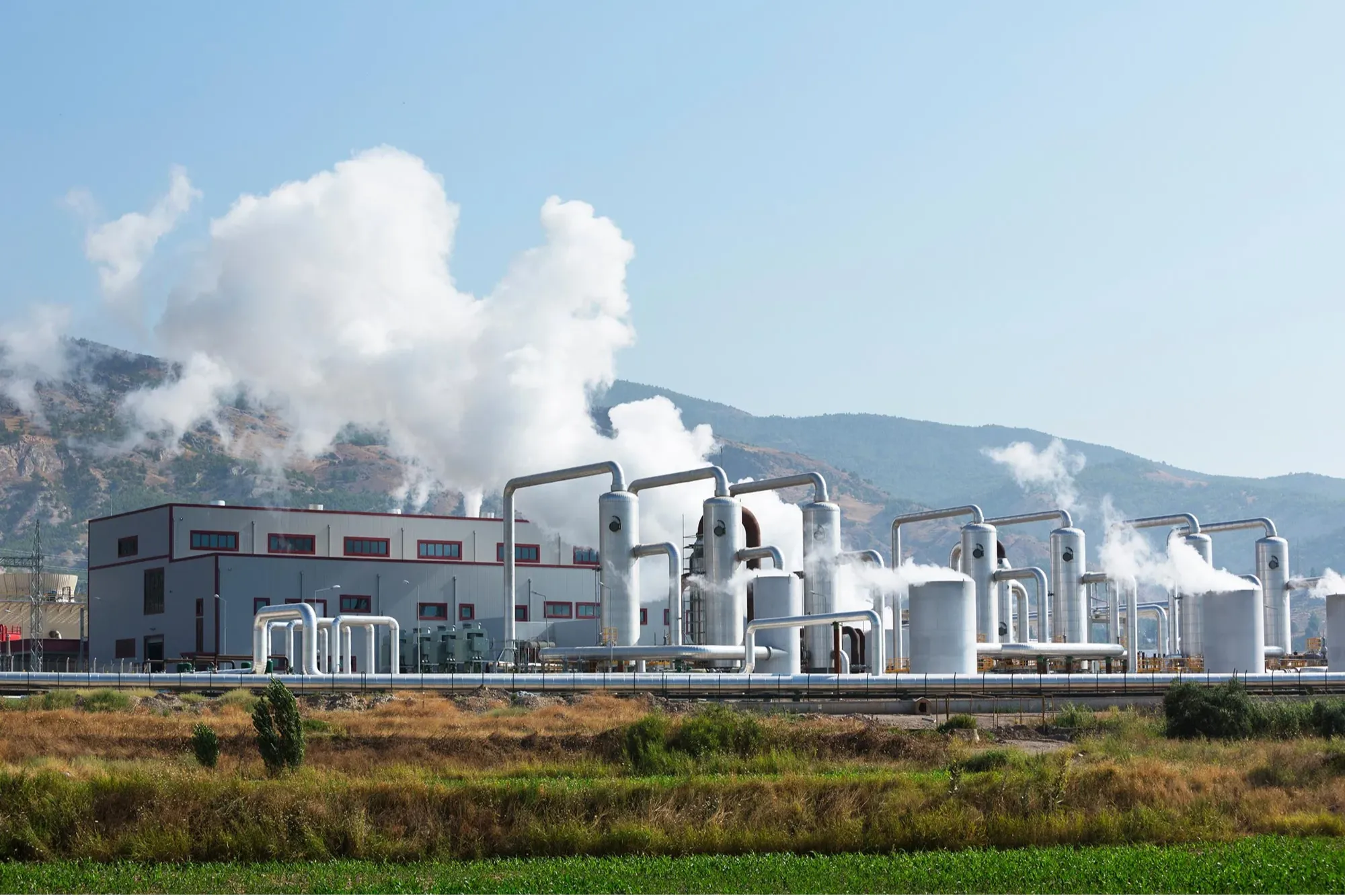
In November 2026, news came from the Okaria geothermal field in Kenya, deep in the East African Rift Valley, that the first phase of the old power station, which had been in operation for over 40 years, had completed the full unit grid connection under the renovation of China Electric Power Construction Shandong Electric Power Construction Third Company. Without drilling a new geothermal well or extracting any additional underground steam, this earliest geothermal power station in Africa directly increased its installed capacity from 45 megawatts to 63 megawatts, digging out 40% of the new production capacity within the original resource boundary.
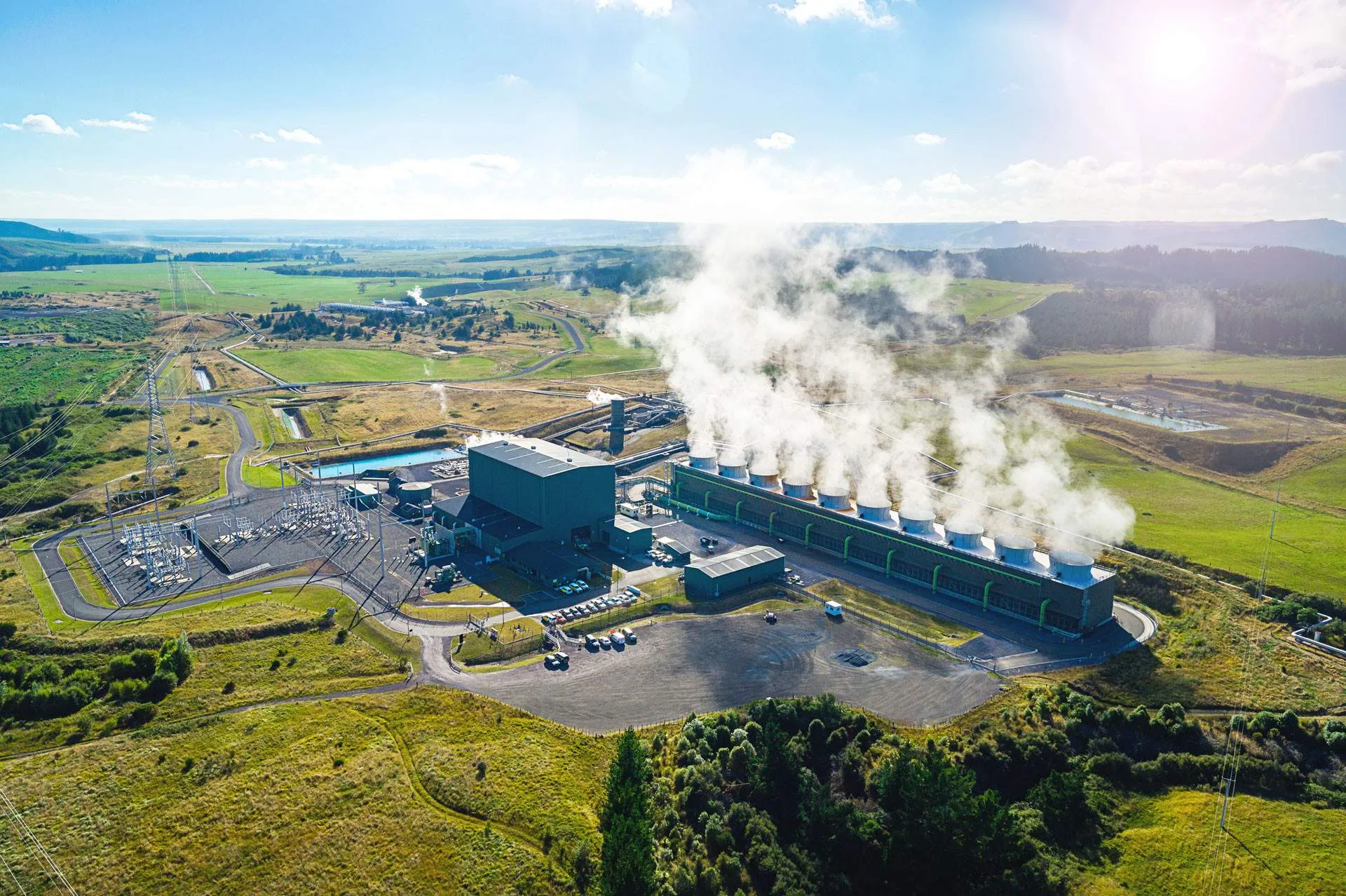
Incremental within the boundaries of geothermal resources
Unlike conventional new construction projects that can be planned and laid out from scratch, the renovation of old power stations requires a significant improvement in performance while retaining most of the existing facilities, which is much more difficult than building new power stations from scratch. The project team did not take the path of starting from scratch, but instead re measured the steam parameters of the entire system, finely adjusted the pipeline route, and upgraded the steam water separator, exhaust station, main engine, circulating water pump, and cooling tower one by one, so that the geothermal energy that was originally lost and wasted in the old system could be fully converted into stable grid connected electricity.
According to public information from Kenya Power Company, this is the only geothermal renovation project in Kenya that has been put into operation in the past three years and added new installed capacity to the national power grid. After upgrading, the installed capacity of the power station accounts for about 2% of the total installed capacity in the country. The stable low-carbon electricity added every year directly fills the power supply gap during peak hours and reduces dependence on regional cross-border electricity imports.
East African geothermal sample landing
The Orcaria Phase I geothermal power station is the starting point of geothermal power generation on the African continent. Since its operation in the 1980s, it has supplied Kenya with stable zero carbon electricity for more than 40 years. This renovation did not consume new geothermal resources, did not extensively damage existing site facilities, and completed the capacity upgrade with the lowest resource cost, directly providing a replicable efficiency improvement path for the large number of geothermal power plants that have been in operation for many years in East Africa.
This stock upgrading model breaks away from the logic that traditional energy projects must rely on new resources to drive growth, and also extends China Africa clean energy cooperation from new power stations to a new stage of deepening the value of existing assets. In the future, the geothermal industry along the entire East African Rift Valley can rely on such technologies to revitalize more old power stations that have been in operation for many years.Editor/Cheng Liting
Comment


 Praise
 Collect
 Comment

 Share


Write something~