 Search


- This project will comprehensively enhance the disaster resistance capability of the coastal core channel
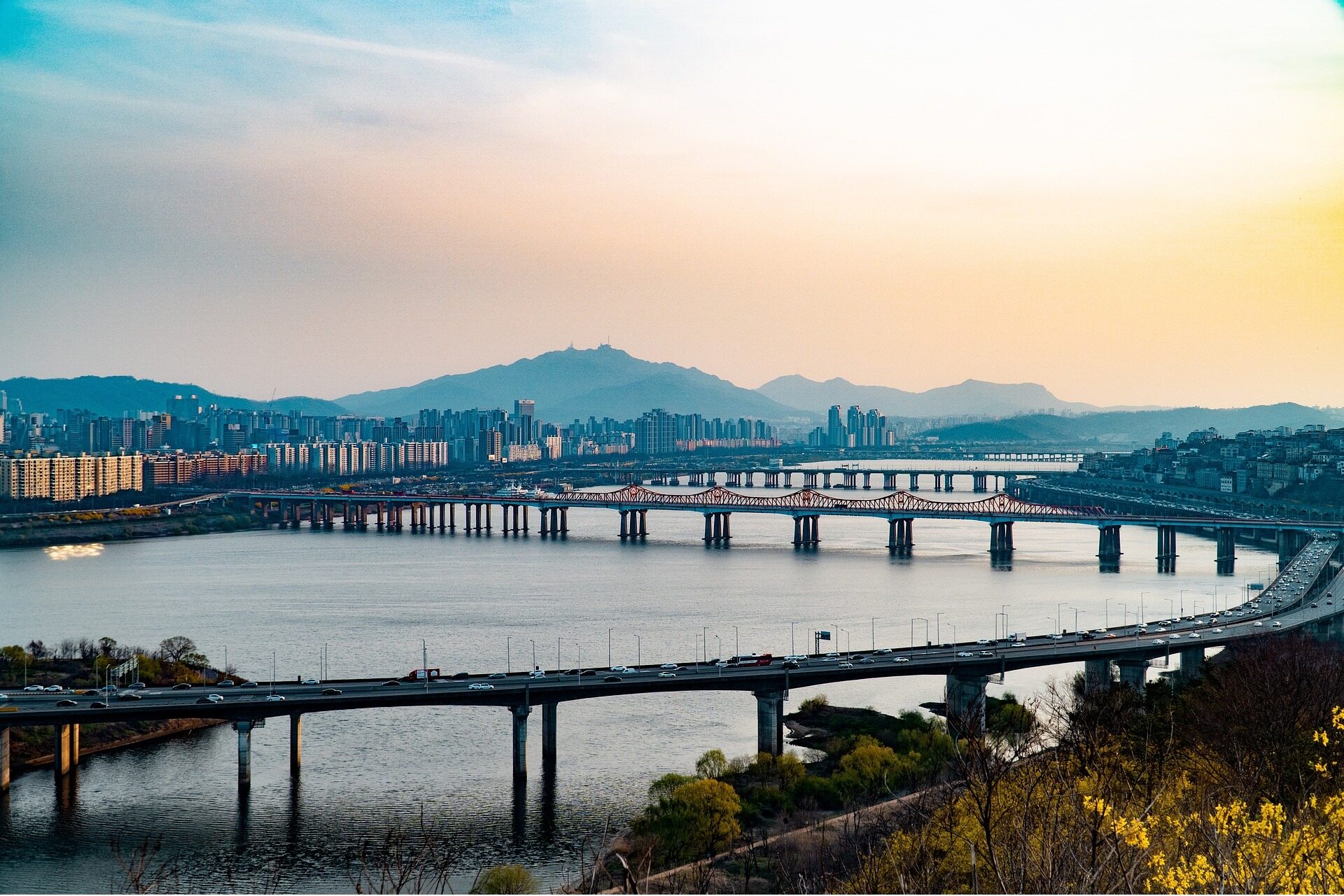
On November 10, 2026, the Fiji government officially announced that the four core bridge reconstruction projects with a total amount of 175 million US dollars would be implemented by a joint venture between China Railway First Group and China Railway Fifth Group. This is the heaviest transportation infrastructure project in Fiji's resilience plan in recent years, directly targeting the long-standing disaster resistance weakness of Queen's Road, a coastal lifeline, and writing a new footnote to the transportation disaster resistance upgrade of the entire South Pacific island nation.
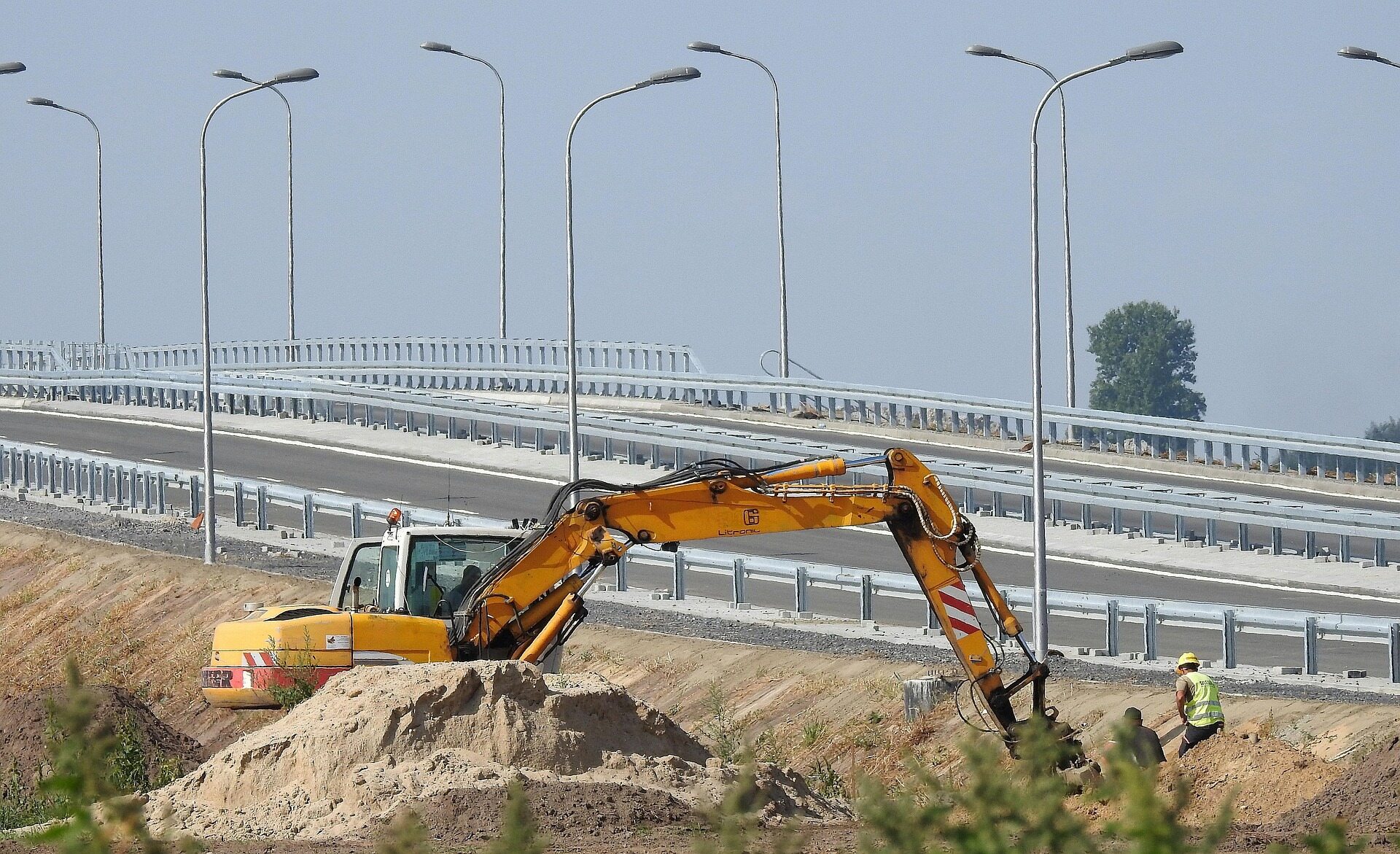
Fill in the gaps in disaster resistance along the coastal main line
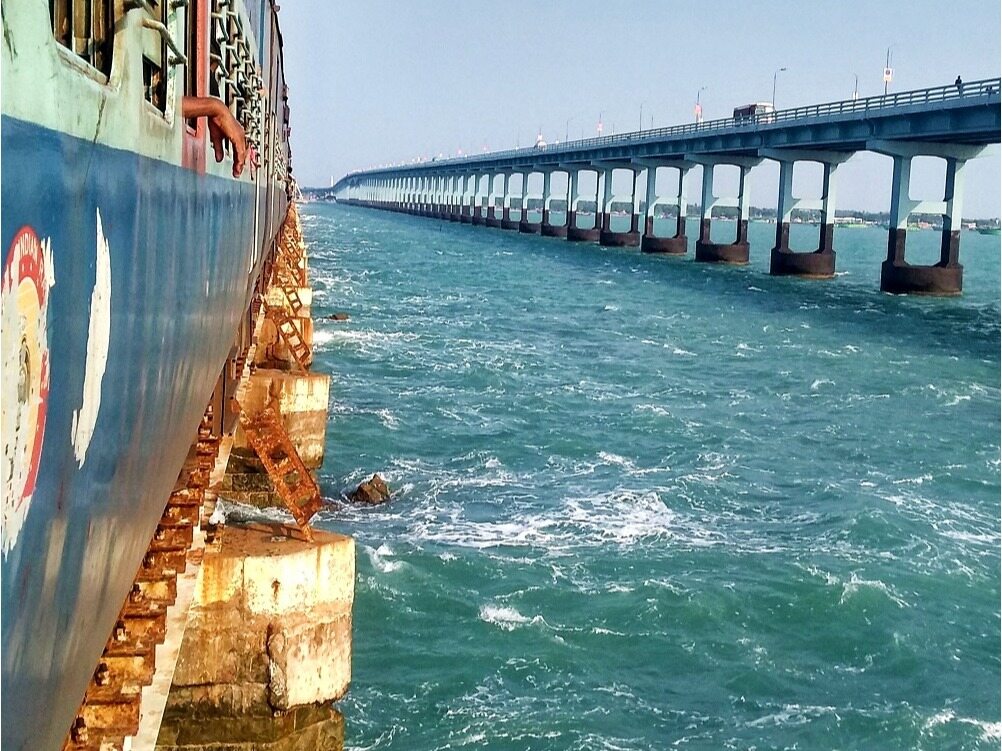
The project is divided into two sections, A and B. Package A is responsible for the reconstruction of Rami Bridge and Medlaokutu Bridge with a budget of 90 million US dollars, while Package B covers Vesese Bridge and Saberto Bridge with a budget of 85 million US dollars. All four bridges are located on the busiest Queen's Road corridor in Fiji. This coastal highway, which connects the core tourism area, the main agricultural production area and a large number of residential areas, has been impacted by strong tropical cyclones and extreme rainstorm all the year round in the past. The old bridges have repeatedly suffered from structural damage and traffic interruption. Every time extreme weather strikes, the material transportation and residents' travel along the line will directly stagnate.
Instead of simply renovating the old road, this reconstruction has directly brought the bridge's ability to resist cyclones and rainstorm to a new standard, and fundamentally solved the traffic safety problem in extreme weather.
Infrastructure Upgrade in South Pacific Island Countries
After the completion of the project, the extreme weather interruption time on Queen's Road will be significantly reduced, providing more stable transportation support for the tourism industry, fresh food transportation from agricultural production areas, and daily commuting of residents along the route. For Pacific island countries with limited resources and facing the challenges of climate change, this infrastructure investment that focuses on improving the resilience of core channels can leverage the widest range of livelihood and economic benefits at relatively controllable costs.
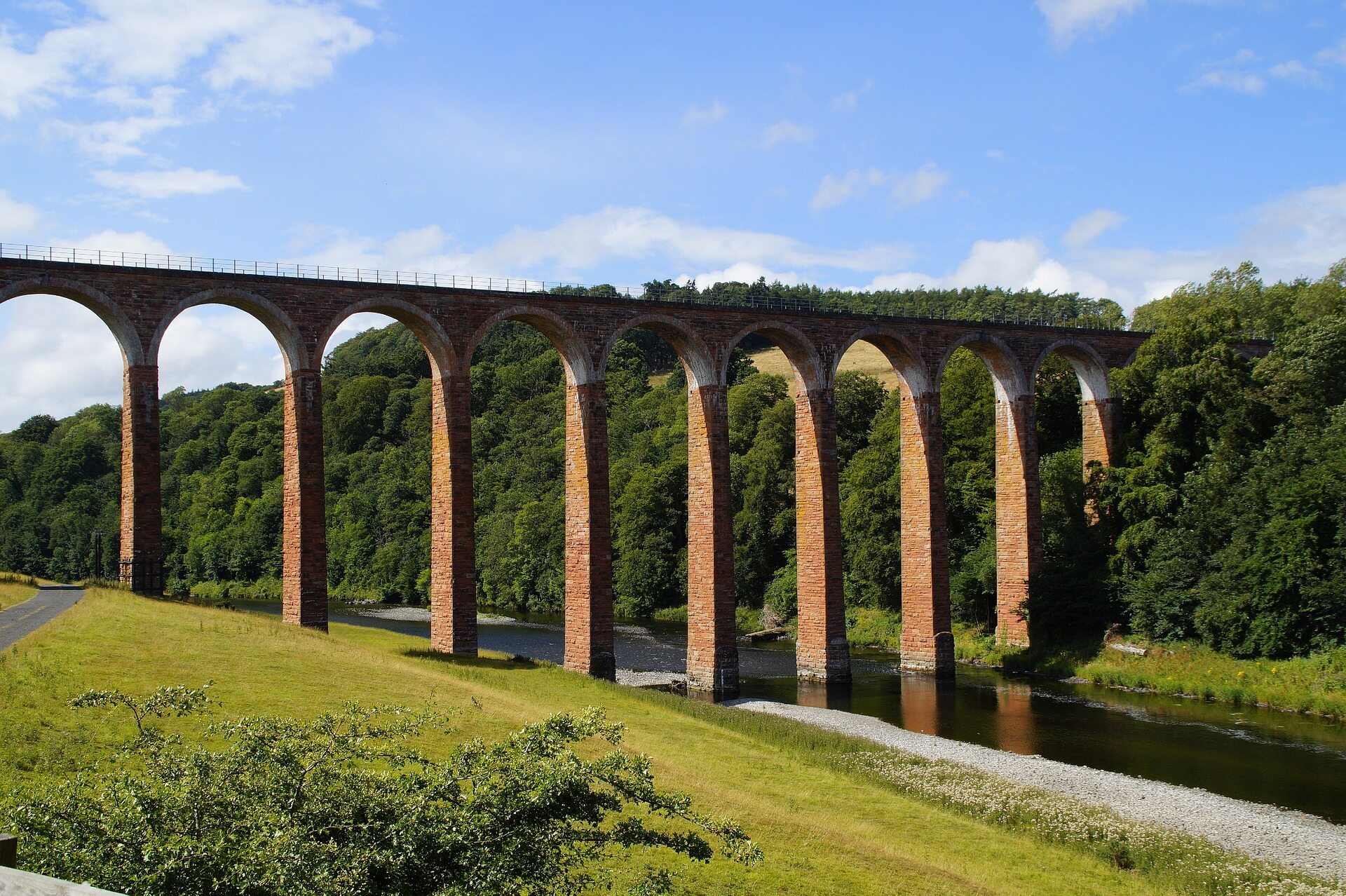
This is not just an ordinary bridge reconstruction, it provides a practical example for the entire South Pacific region to upgrade transportation resilience in small island countries. In the subsequent project promotion process, the joint venture will also optimize construction details based on local climate characteristics to ensure long-term stable operation after project delivery and build a safe foundation for Fiji's coastal transportation network.Editor/Cheng Liting
Comment

 Praise
 Collect
 Comment

 Share


Write something~