 Search


- The shield tunneling construction on the Zhoushan side of the world's longest underwater high-speed railway tunnel has been completed
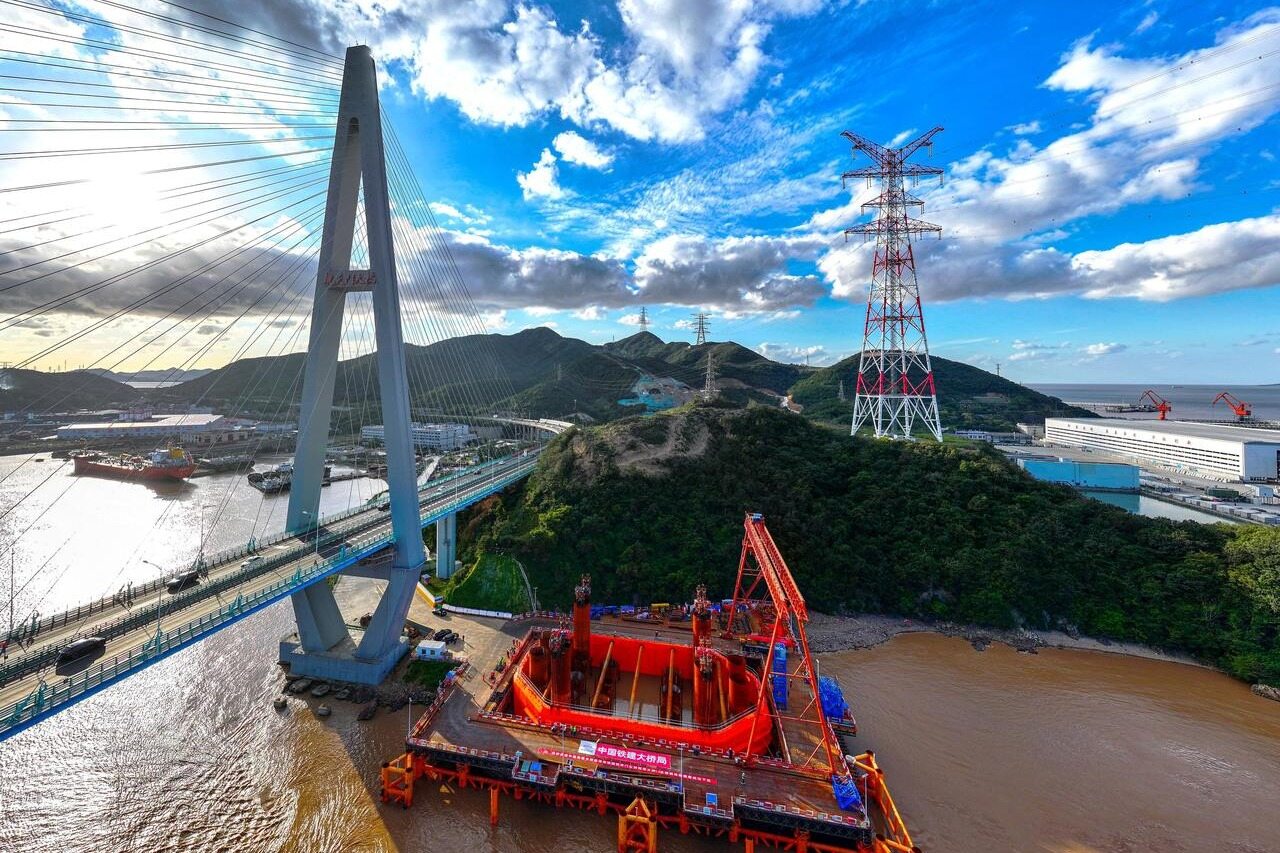
On the morning of November 11, 2026, about 80 meters below the seabed on the Zhoushan side of the Jintang Subsea Tunnel, the cutterhead of the Dinghai shield machine stopped rotating. Someone in the operating room took off their safety helmet and stared at the frozen excavation mileage on the screen for a few seconds. From departure to arrival at the designated underwater docking location, this machine has excavated a total of 6270 meters in alternating soft and hard formations. For the people on site, this is a number calculated one shift at a time; For Zhoushan, this is the empirical evidence of the first railway tunnel advancing from the seabed to the doorstep.
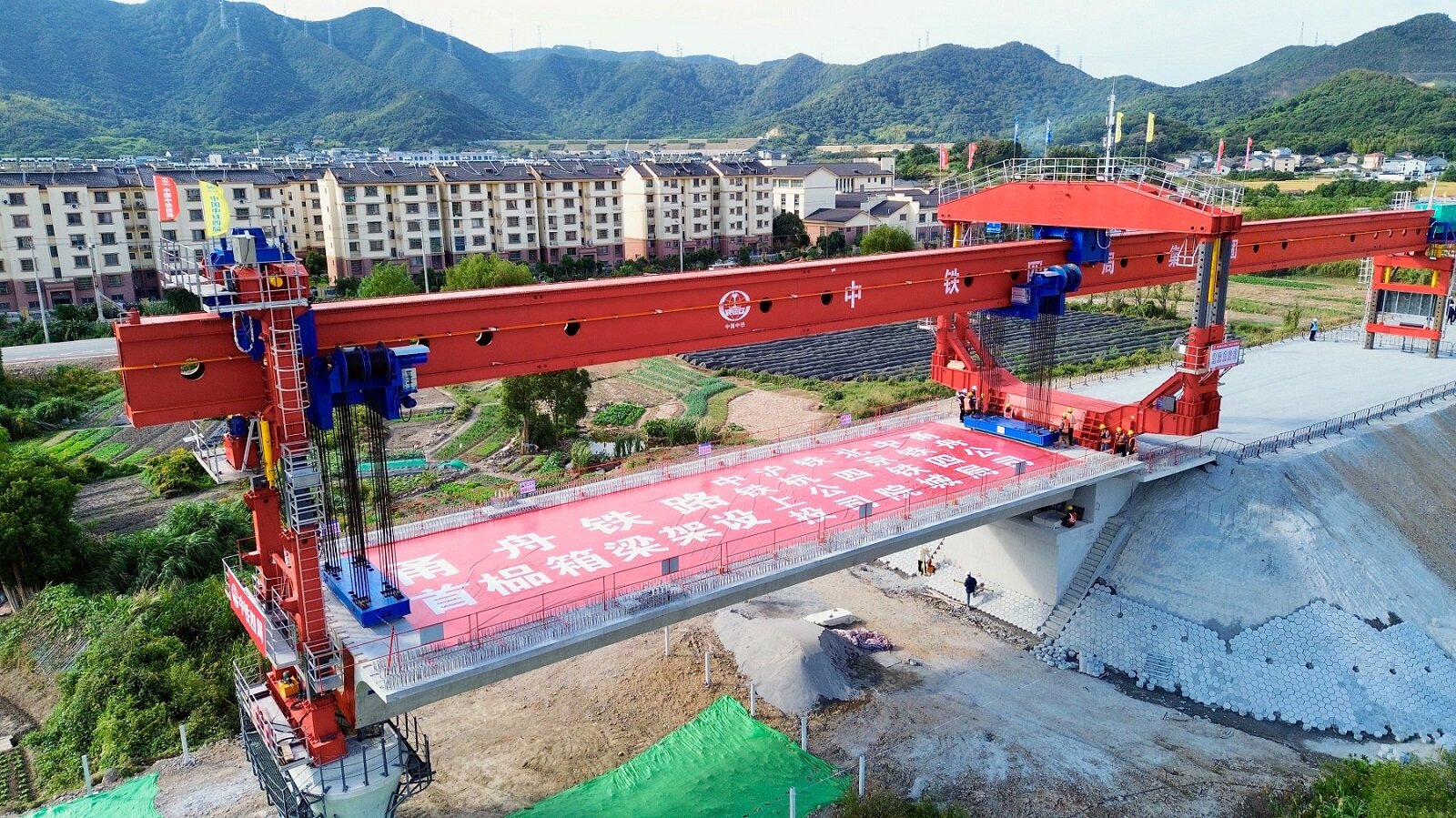
Alternation of soft and hard seabed
The Jintang Subsea Tunnel is a control project for the entire Yongzhou Railway, with a shield section of 11.21 kilometers. It is excavated from both sides of Zhoushan and Ningbo by two shield machines, Dinghai and Yongzhou, respectively, and finally docked at the seabed. The maximum burial depth on the Zhoushan side is about 80 meters, with frequent alternation of soft and hard strata. The shield machine needs to constantly adapt to the changes in the rock strata during the propulsion process, making the construction difficult and high-risk. The Dinghai has completed a 6270 meter excavation and arrived at the designated underwater docking location, which means that the most difficult underwater journey on the Zhoushan side has been completed.
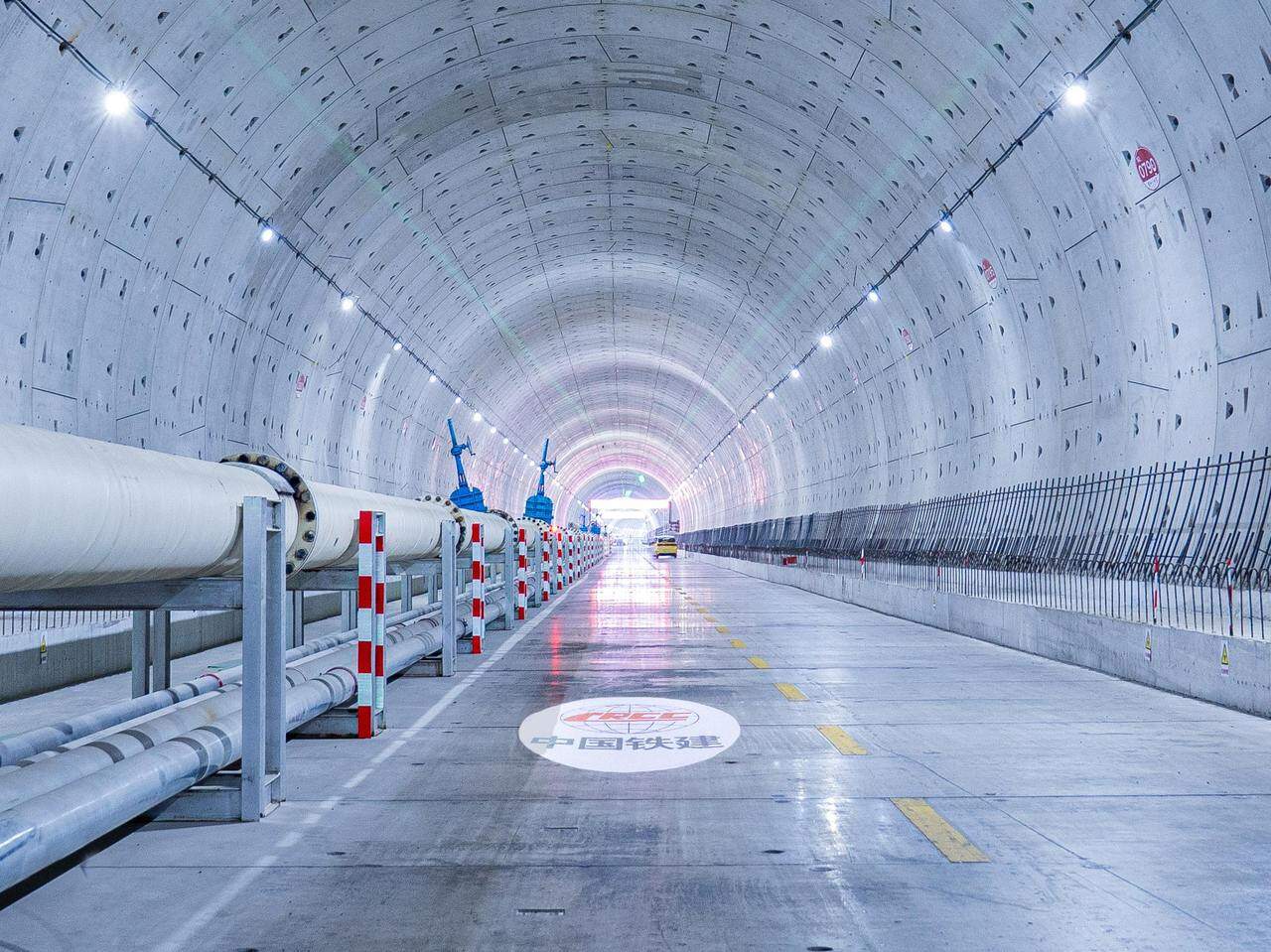
The Ningbo side is still advancing
At the same time as the completion of the Zhoushan side, the excavation on the Ningbo side did not stop. At present, the Ningbo side has completed 89% of the progress, and the two shield tunneling machines are expected to dock underwater in 2027. After docking, the Jintang underwater tunnel was truly connected into a complete underwater passage. For the Yongzhou Railway, this is the most crucial step before the entire line is completed; For the construction team, the scheduling pressure caused by the asynchronous excavation progress on both sides will continue for a period of time. Keywords: Yongzhou Railway, Jintang Subsea Tunnel, Yangtze River Delta Integration
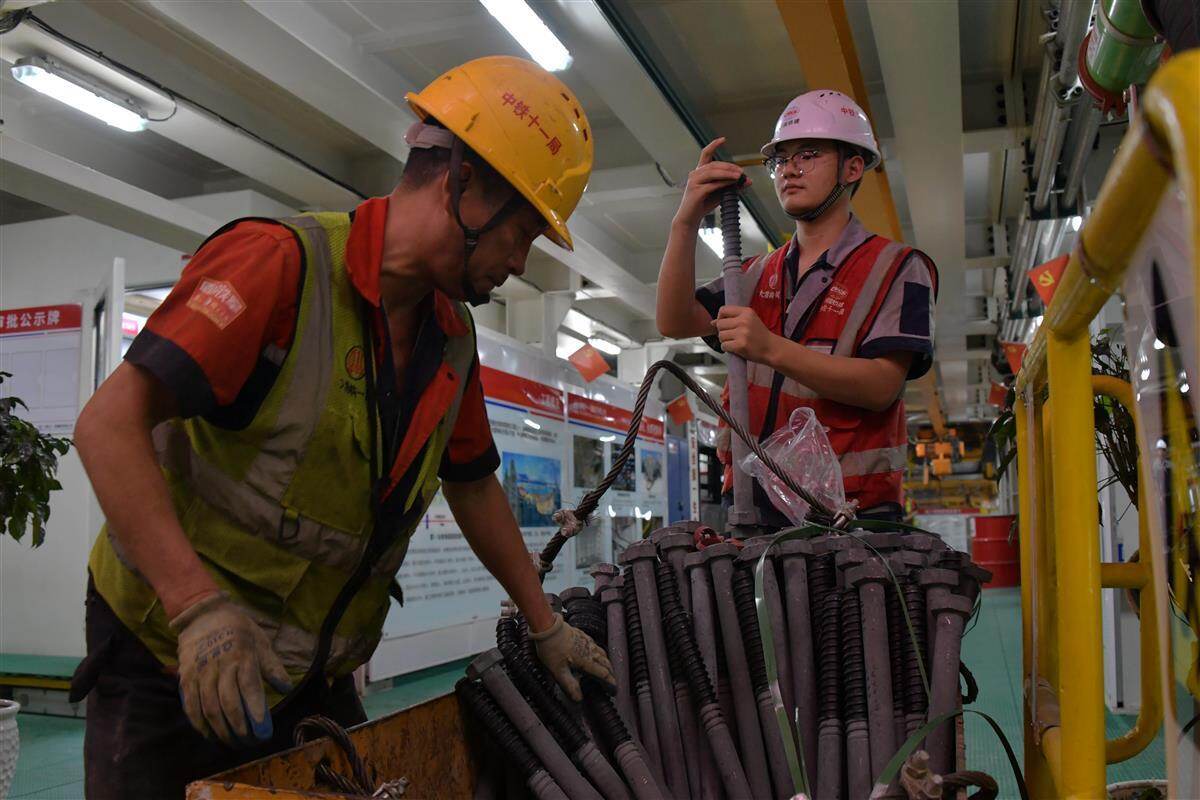
Half an hour of change
The Yongzhou Railway has a total length of about 76.4 kilometers. After its completion and opening, it will end the history of Zhoushan not being connected to railways. The fastest high-speed railway travel time from Ningbo to Zhoushan is only about half an hour. The number of half an hour, placed on the transportation map of the Yangtze River Delta, means that Zhoushan has transformed from the end of the railway network to a node on the coastal channel, and also means that the integration of the Yangtze River Delta has added a solid connecting line under the sea. The completion of the Jintang Subsea Tunnel on the Zhoushan side has brought this timeline one step closer.Editor/Li Xiaohua
Comment

 Praise
 Collect
 Comment

 Share


Write something~