 Search


- This well opens up a new exploration zone for ultra deep natural gas in the offshore area
- Consolidate the resource foundation for the trillion square meter atmospheric area in the Bohai Sea
- Provide an additional source of nearby gas for the Beijing Tianjin Hebei and Bohai Rim regions
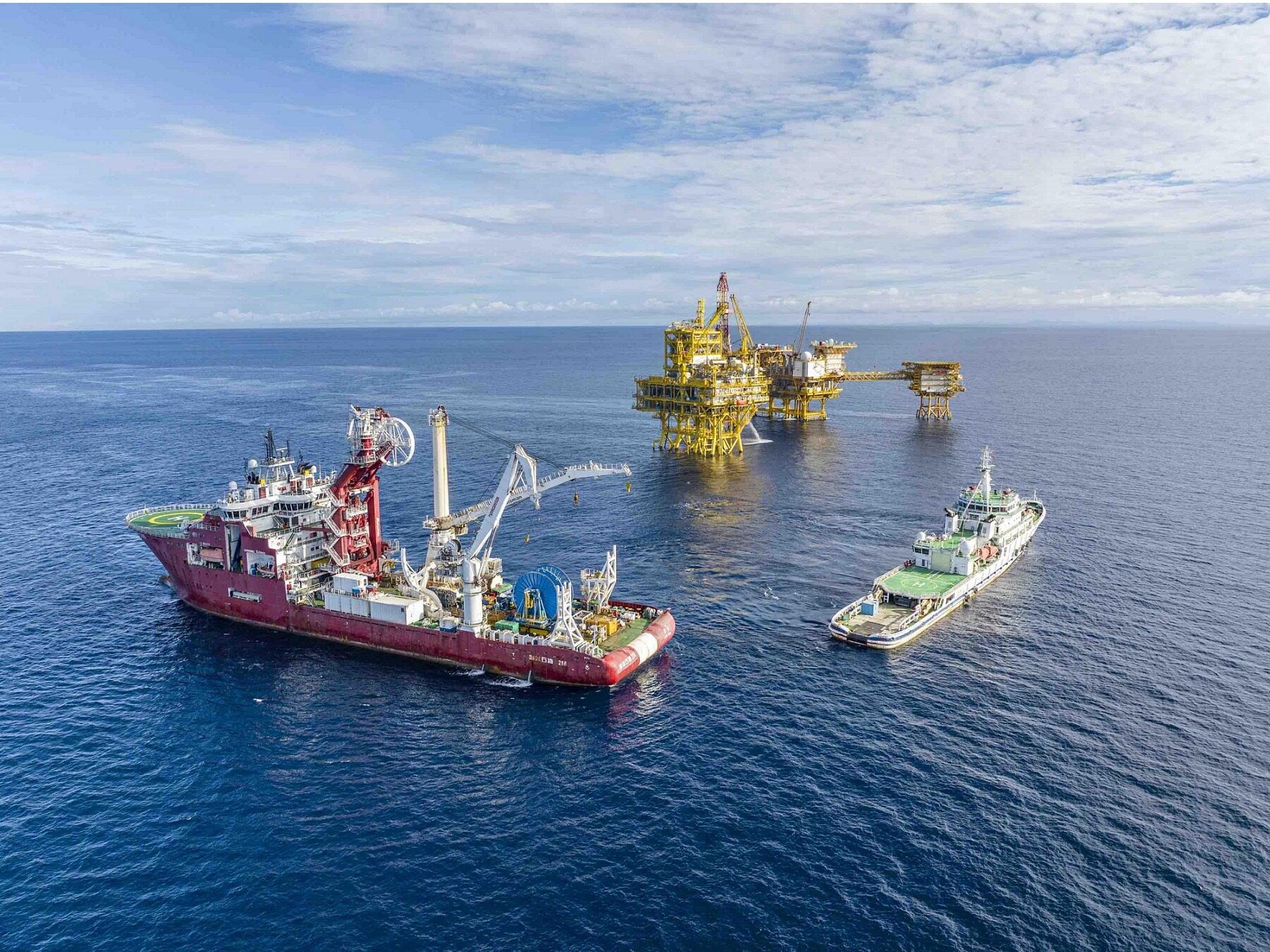
On November 12, 2026, in the central waters of the Bohai Sea, a drill bit from an exploration well stopped 5770 meters underground. This is a formation over 5000 meters deep, and the rock mass left behind by volcanic eruptions has been repeatedly crumpled by tectonic movements. The test airflow gushed out from the rock fissures, producing approximately 800000 cubic meters of natural gas per day. This well has encountered over 120 meters of natural gas reservoirs in volcanic rock formations, marking a significant breakthrough in China's offshore ultra deep natural gas exploration.
Drill to 5770 meters
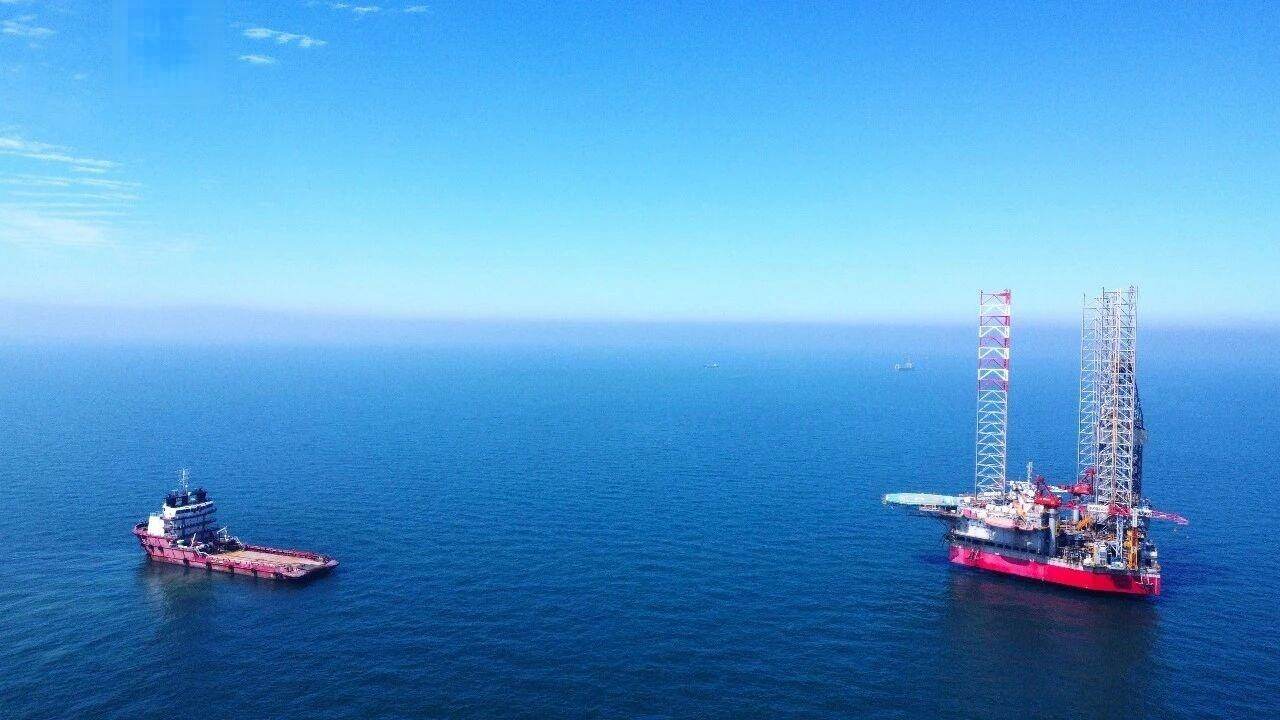
A depth exceeding 3500 meters is called deep, and a depth exceeding 4500 meters is called ultra deep, which is the usual classification for marine oil and gas exploration. 5770 meters have already crossed over a thousand meters of the ultra deep threshold, making it even more difficult to place at sea. This well is adjacent to the Bohai Central Depression, the largest hydrocarbon rich depression in the Bohai Sea. Going deeper is not a spur of the moment idea: the same structure has already seen oil and gas flow from exploration wells, and the evaluation will be completed in 2024 to open up a new field of offshore ultra deep oil and gas exploration. At the end of October this year, it was revealed that the reserve scale is still expanding. In August of this year, the first 100 billion cubic meter gas field in Bohai, Bozhong 19-6 Phase I, was fully put into operation, and the deep strata are shifting from prospects to production. Xu Changgui, Chief Scientist and Chief Geologist of China National Offshore Oil Corporation, stated that China's marine exploration has achieved a significant leap from shallow to deep to ultra deep layers.
Gnaw on hard geological layers
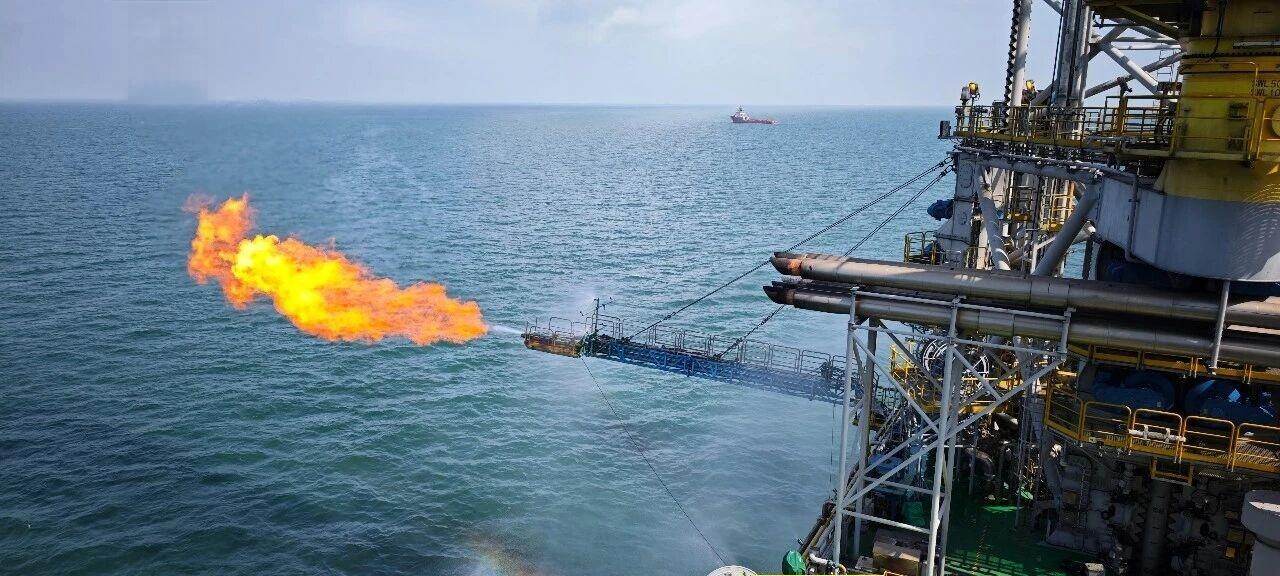
The difficulty lies in the stone itself. The ultra deep volcanic rocks in the Bohai Sea are formed by volcanic eruptions and have undergone multiple periods of structural transformation. The lithology is dense, highly heterogeneous, and the complex strata are difficult to see, high-quality reservoirs cannot be found, and hard strata cannot be moved. These are world-class technical challenges that have long constrained exploration and development in this area. The seismic imaging resolution drops sharply, the distribution of cracks and holes is irregular, the drill bit wears out quickly, and the wellbore is prone to instability. Guo Tao, Chief Geological Engineer of Bohai Petroleum Research Institute of CNOOC Tianjin Company, introduced that the reservoir temperature of the well reaches 150 degrees Celsius, and the formation pressure exceeds 80 megapascals. The high temperature and high pressure test the drilling fluid and downhole tools. China National Offshore Oil Corporation (CNOOC) has independently developed key technologies for offshore deep multi-source broadband stereo seismic exploration, innovating high-quality reservoir prediction methods for ultra deep buried hills, similar to high-precision 3D scanning of geological formations, accurately identifying favorable enrichment areas. Multi disciplinary collaborative research aims to maximize the quality of operations under complex geological conditions, ultimately completing drilling operations and obtaining high-yield natural gas flow.
The gas source is nearby
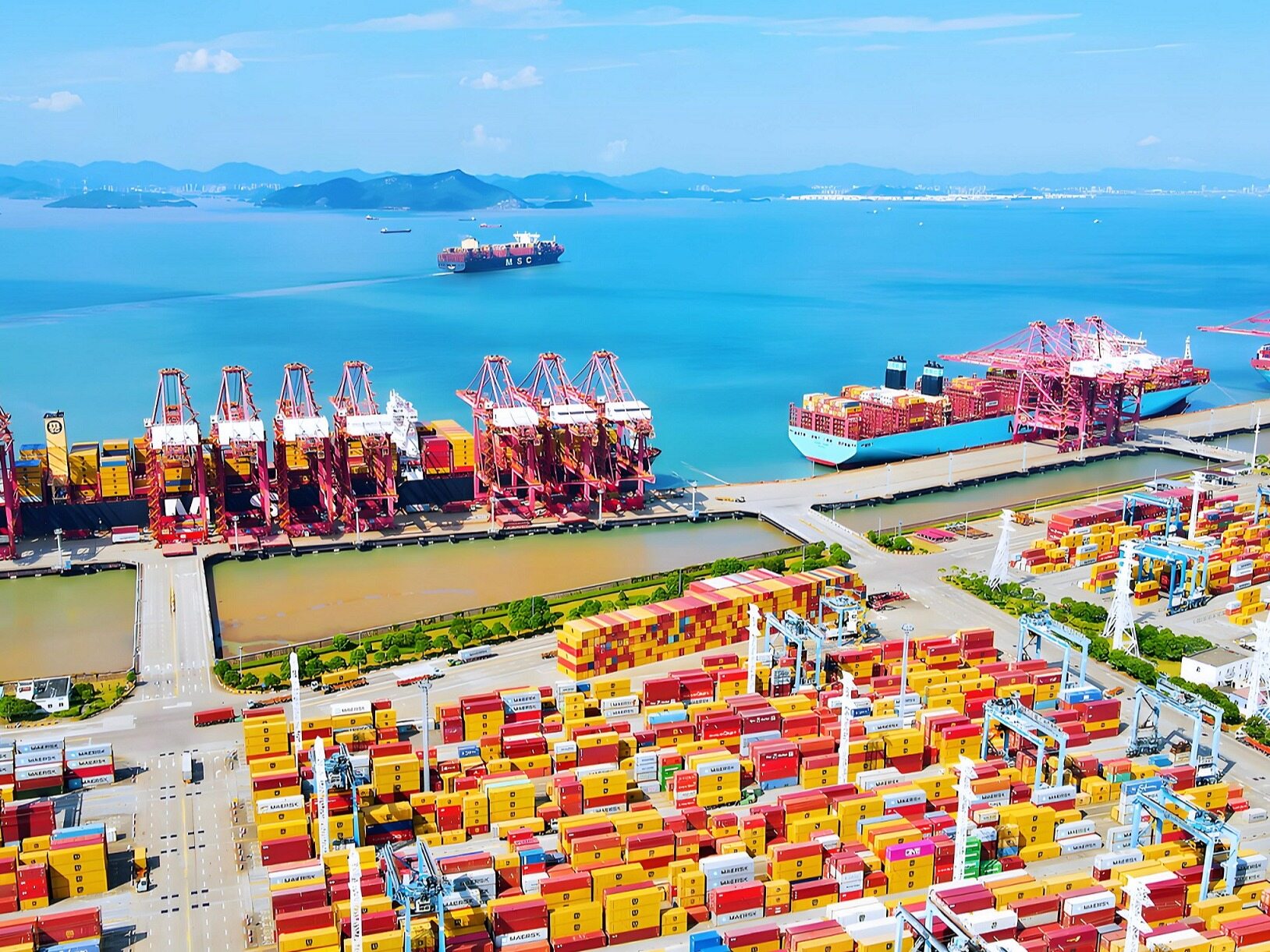
China has more natural gas in the west and less in the east, and the use of gas in the Beijing Tianjin Hebei and Bohai Rim regions has long relied on cross regional allocation. The Bohai Sea area is an important natural gas production area in China and one of the important gas sources for natural gas supply in the Beijing Tianjin Hebei and Bohai Rim regions. The successful drilling of this well has opened up a new exploration zone for ultra deep natural gas in China's offshore areas, which is of great significance for accelerating the exploration process of ultra deep layers in the Bohai Sea, building a trillion cubic meter atmospheric zone in the Bohai Sea, steadily promoting domestic oil and gas reserves and production, and ensuring stable natural gas supply in the region. The production of one well is ultimately limited, leaving behind a set of abilities to obtain resources from the deep earth, which will continue to move downwards with the next well.Editor/Yang Meiling
Comment

 Praise
 Collect
 Comment

 Share


Write something~