 Search


- Fill the commercial gap of low altitude long endurance green operations and promote the market of solar powered aircraft
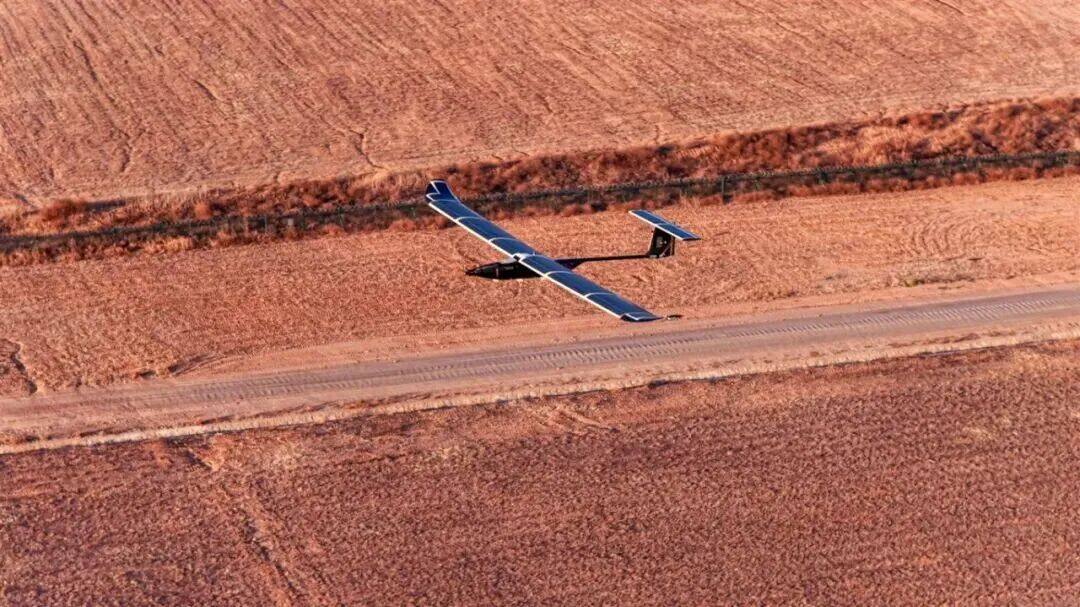
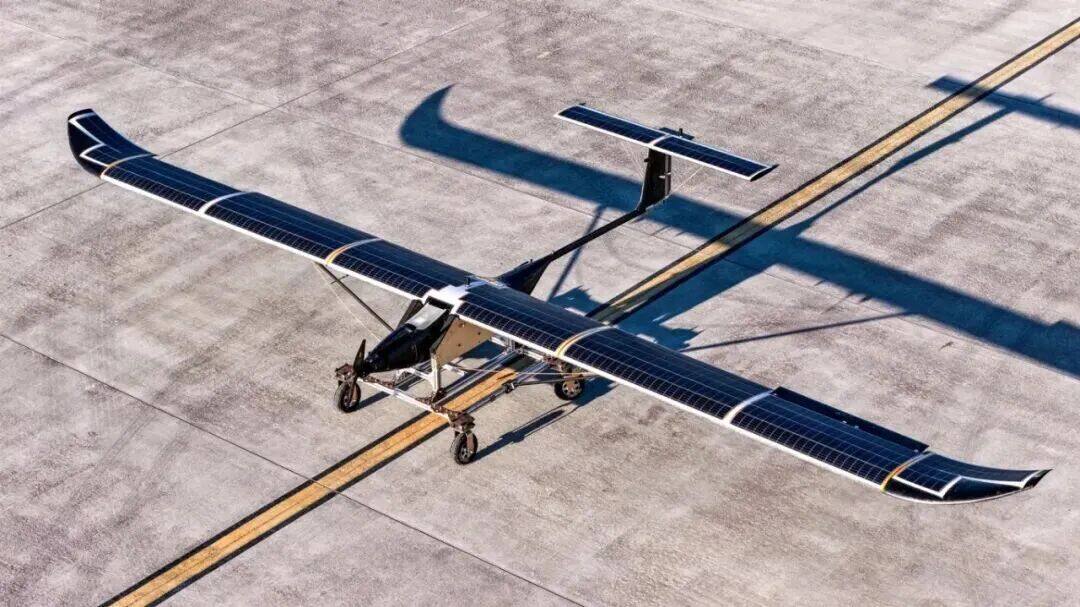
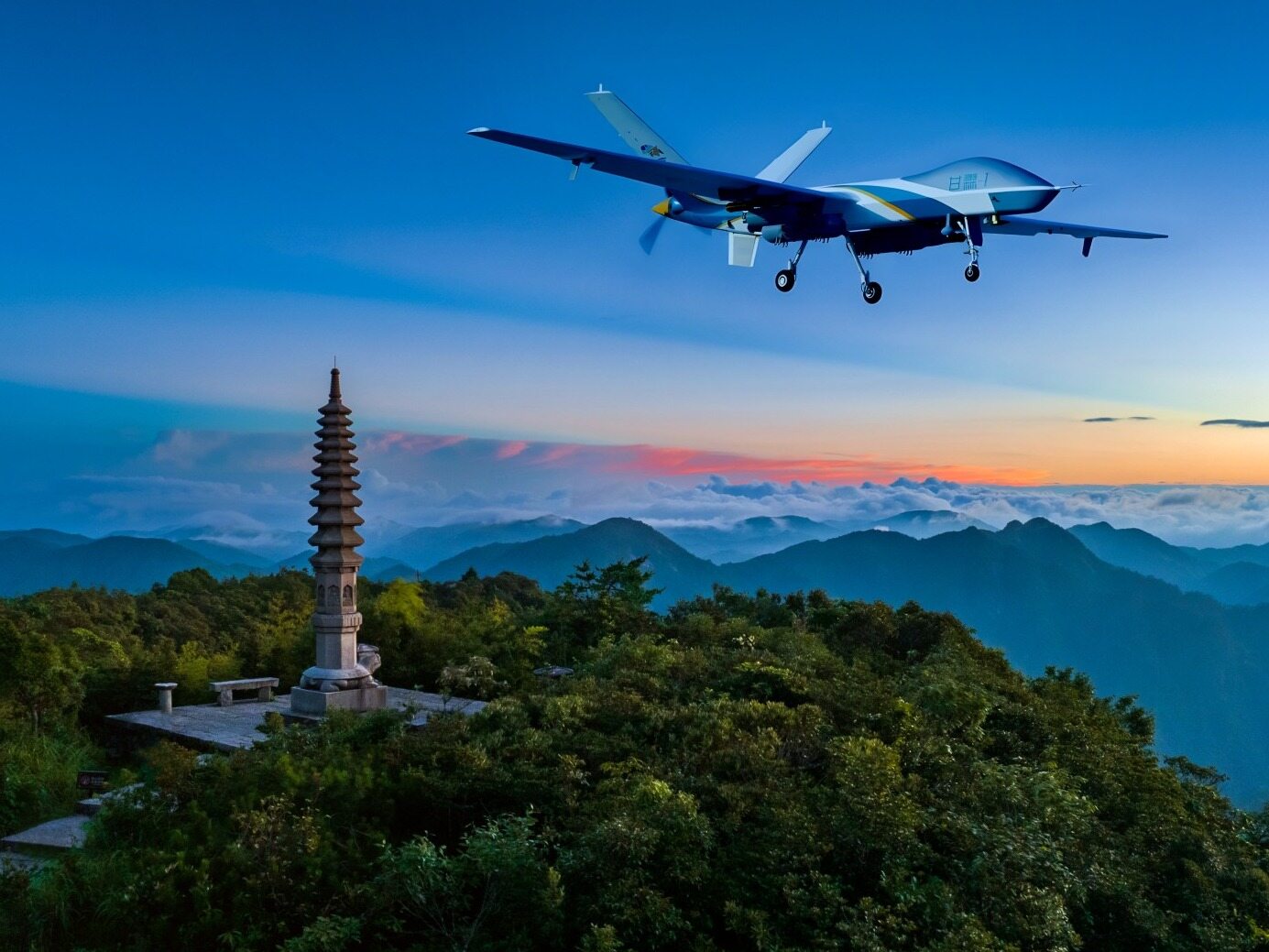
On November 11, 2026, the sky was clear at an airport in northwest China. There is no fuel tank and no smell of fuel. A small plane with a length of 3.2 meters and a wingspan of 8 meters was brought to the apron by a vehicle platform. The motor starts, glides off the ground, climbs, circles around the field, and returns to the field with precise landing. The posture is stable and in good condition, and all systems are operating normally. Key subjects such as flight control, avionics, energy storage, and stability control have been verified and passed one by one. It is called Light Cavalry and comes from the 11th Academy of China Aerospace Science and Technology Corporation.
From large aircraft to small products
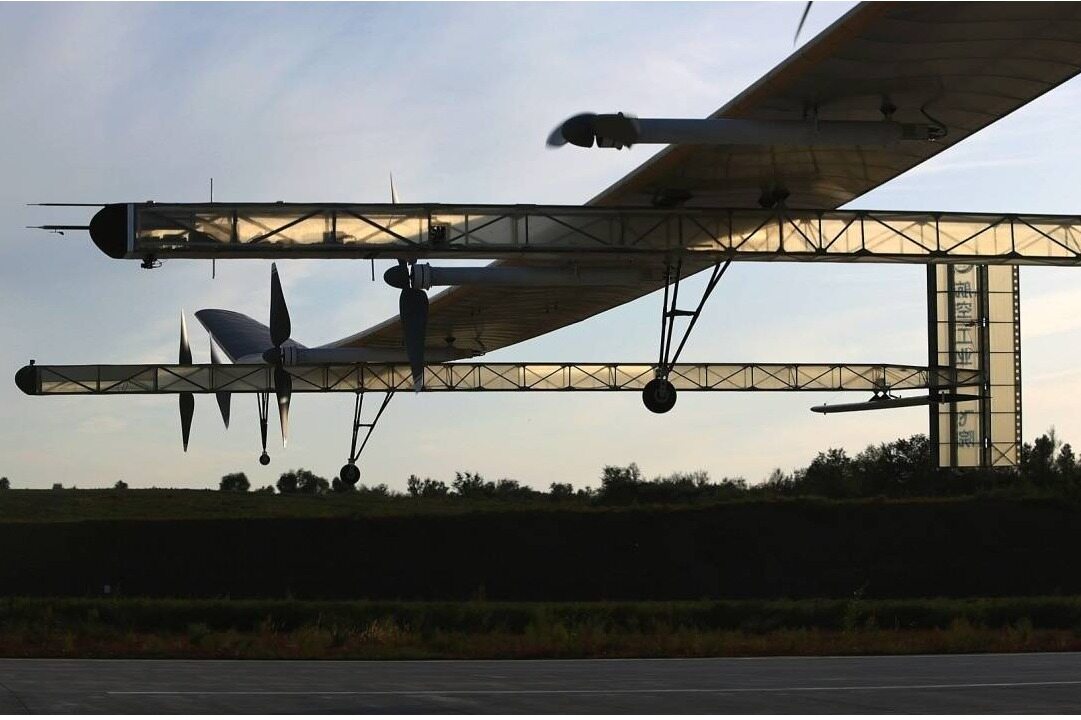
The Eleventh Academy has been walking on this road for many years. In 2017, the Rainbow Solar Drone from Tongyuan flew to an altitude of 20000 meters with a wingspan of 45 meters, making China the third country after the United States and the United Kingdom to master near space solar drone technology. Similar foreign platforms often have wingspans of tens of meters and are often limited to scientific research and high-altitude pseudo satellites, with a relatively narrow range of use. Light cavalry is designed with the concept of green energy conservation, low cost, and rapid mass production in mind, focusing on attendance efficiency rather than empty days.
Save sunlight until night
The light cavalry is a pure electric aircraft powered solely by solar energy. The wing photovoltaic cells drive flight and charge energy storage during the day, and rely on the stored electricity to sustain until dawn at night. Energy storage batteries may account for 30% to 50% of the entire machine, and the daytime power needs to cover all day consumption and nighttime endurance, so the remaining capacity is already tight. Stabilize the energy loop on an 8-meter wingspan and a takeoff weight of 45 kilograms, while also leaving a mission payload capacity greater than 5 kilograms, which is no less difficult than a large platform with a wingspan of several tens of meters. Photovoltaics, energy storage, and power management all require careful budgeting. Conventional electric drones need to land and charge after flying for two to three hours, while light cavalry has a maximum designed endurance of 30 hours and a maximum range of 7000 meters, with core advantages such as long endurance, rapid deployment, and convenient support. 30 hours is the design value, which is different from the measured empty space duration during the first flight.
We'll depart in twenty minutes
Through modular design, light cavalry can quickly adapt to various task payloads such as communication and remote sensing; Adopting a vehicle based takeoff method, ground preparation time only takes 20 minutes, without relying on traditional airports, and can be quickly deployed in mountainous, coastal, and wilderness areas. Long distance pipelines, water conservancy facilities, land surveying, ecological monitoring, and disaster inspections are all its applications; When the ground communication base station is damaged, it can still take off and act as an aerial communication relay. In the past, the hourly cost of relying on helicopters was in the tens of thousands of yuan. Satellites were limited by clouds and rain, and manual patrols were slow and dangerous. Each flight covered the entire day, and the operational economy was recalculated.
Currently, the low altitude economy, as a national strategic emerging industry, is accelerating its marketization, and the development plan for green aviation manufacturing has also named solar unmanned aerial vehicles. The successful maiden flight of the Light Cavalry fills the commercial product gap in the long endurance, low-cost, and large-scale operation direction of domestic low air small pure electric aircraft. Airworthiness certification, demonstration operation, and standardized mass production are still ahead, but the sun powered air sentry has taken the starting line.Editor/Yang Meiling
Comment

 Praise
 Collect
 Comment

 Share


Write something~