 Search


- Chinalco invests $1 billion to build alumina plant next to mine in Guinea
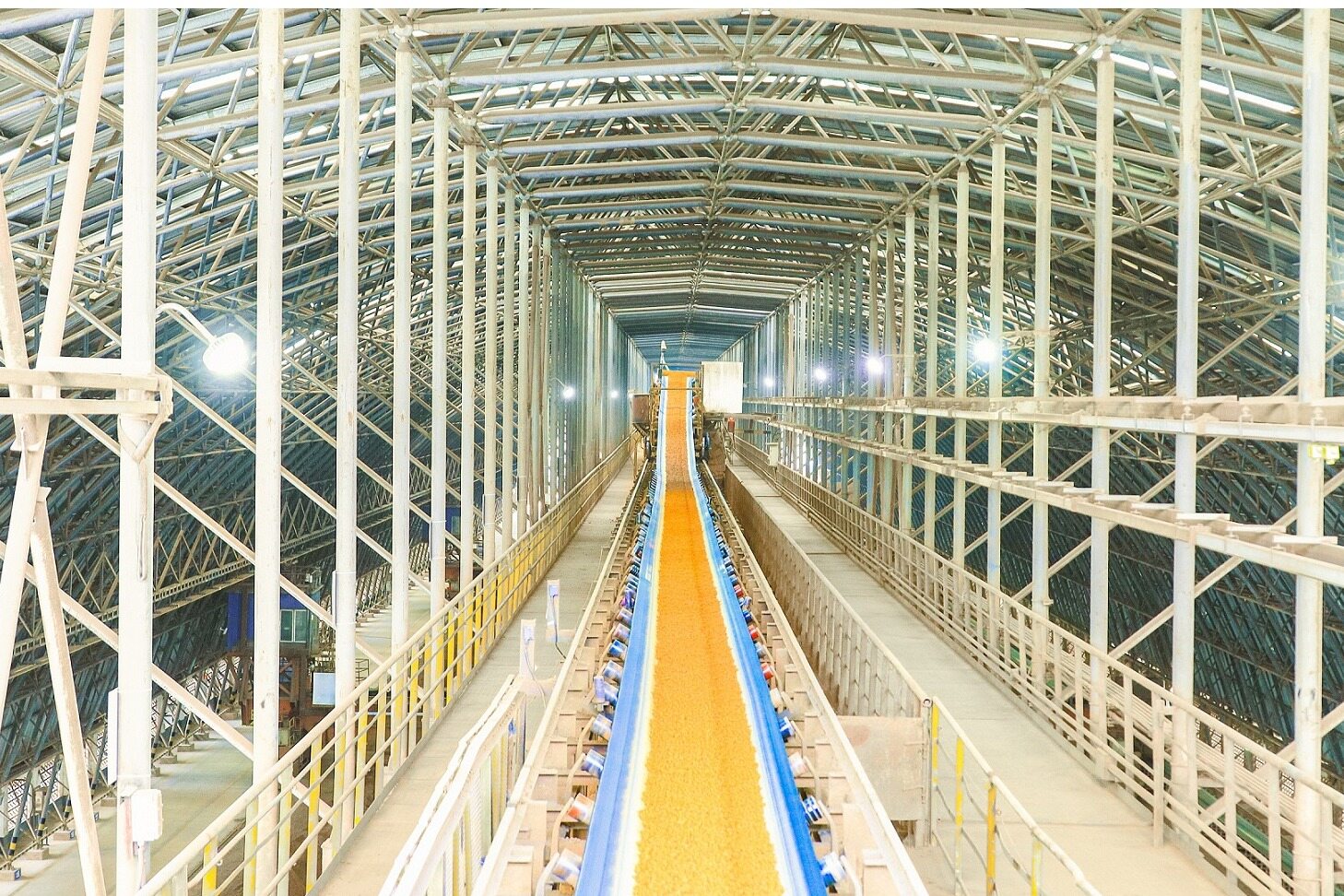
The ocean freight ship carrying project materials departed from the port and headed towards Guinea. This billion dollar overseas layout has caused quite a stir in the aluminum industry circle. The domestic aluminum industry is highly dependent on Guinea bauxite, and for a long time, imported raw ore has been transported back to China for smelting. Uncertainty factors such as shipping, policies, and transportation capacity constantly affect the cost of the entire industry chain. Building smelters around mines is a crucial step taken by the industry to address supply chain pain points.
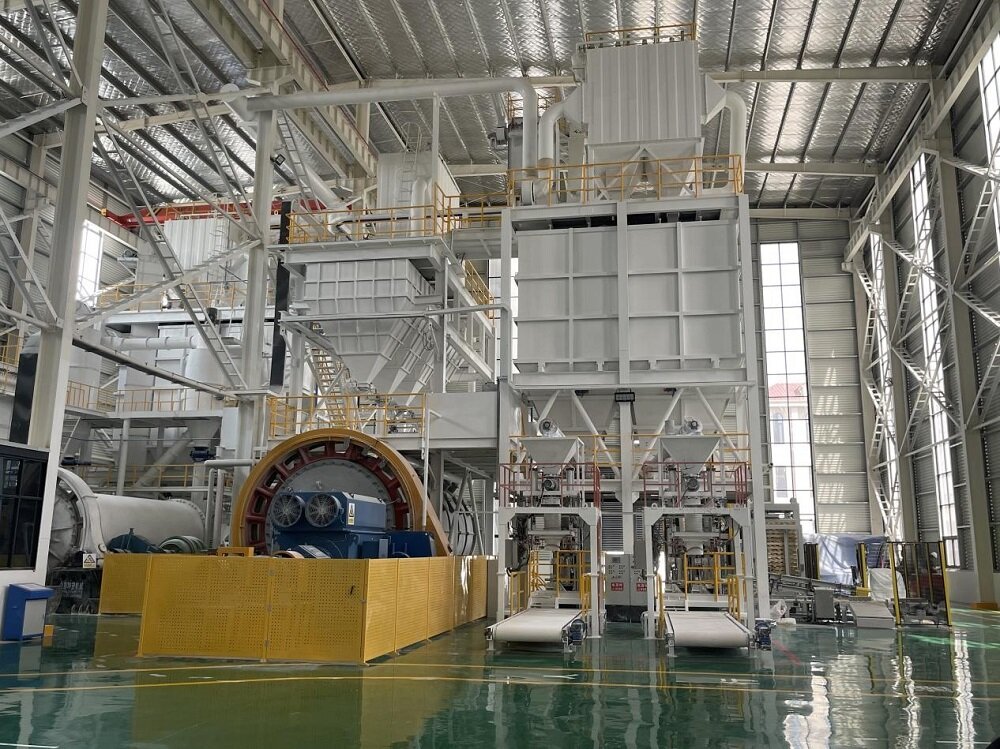
Refactoring the supply model
Nearly three-quarters of the imported bauxite in China comes from Guinea, and the traditional mode of buying ore and transporting it back for smelting is susceptible to interference from multiple factors. The new project realizes on-site processing, where bauxite is directly converted into alumina after mining, eliminating the need for long-distance shipping of low-grade raw ore, compressing logistics costs, and reducing supply chain fluctuations caused by raw material procurement. This project is an important carrier for the export of domestic metallurgical technology and complete sets of equipment. According to the plan, this phase of the project is just the starting point, and five similar factories will be laid out in the future. During the construction phase, a large number of equipment orders will be released, driving domestic engineering, equipment, and supporting service providers to go global and output a complete set of integrated solutions for smelting factories.
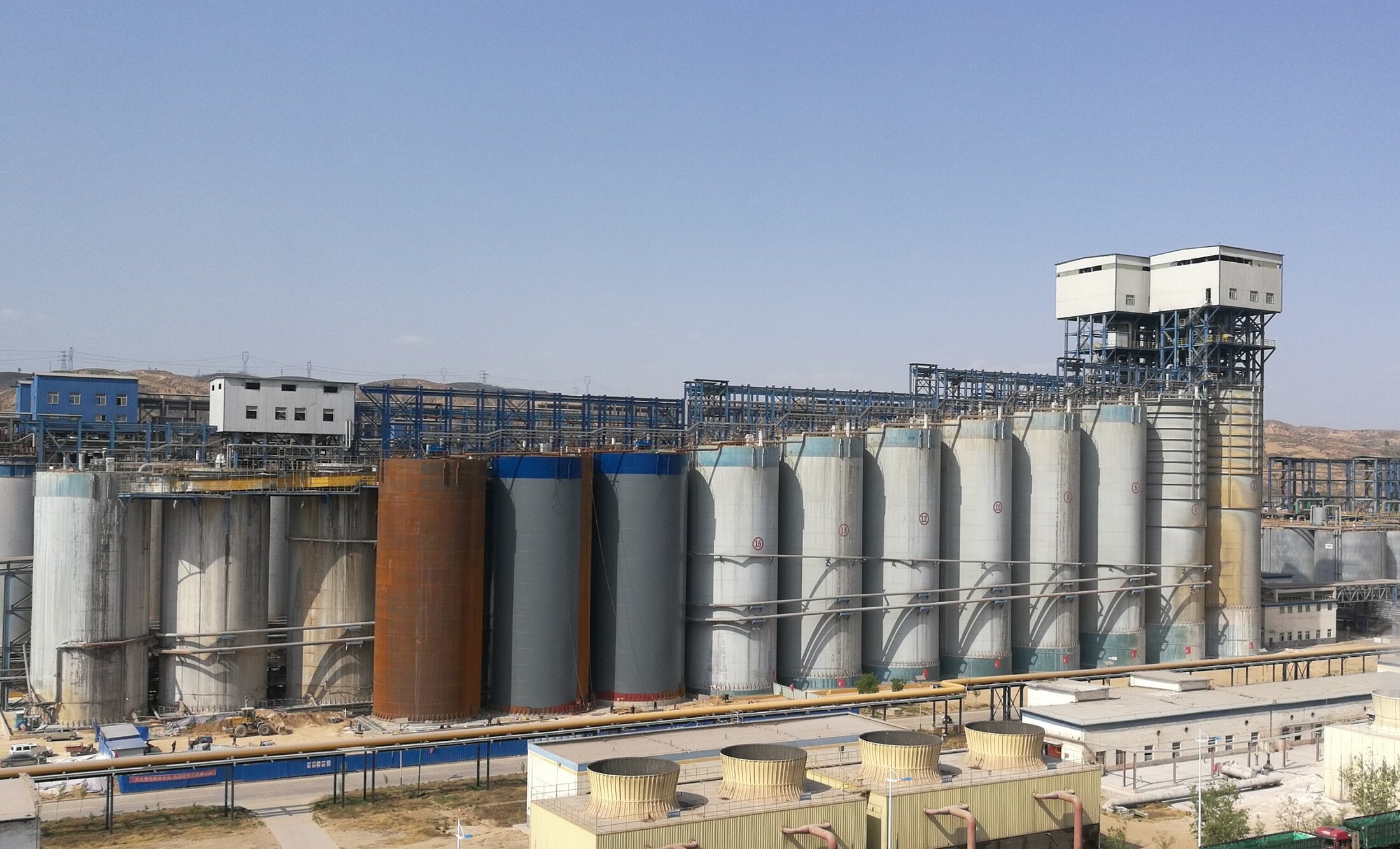
Generate supporting tracks
The energy consumption of the smelting industry is high, and the existing local electricity is difficult to meet the production needs. The project is equipped with a self built thermoelectric system to ensure stable production, synchronously drive the demand for supporting projects such as generator sets, transmission and distribution, waste heat recovery, and power station operation and maintenance, and derive a long-term stable electricity supporting market. Keywords: Chinalco Guinea project, alumina, aluminum industry chain
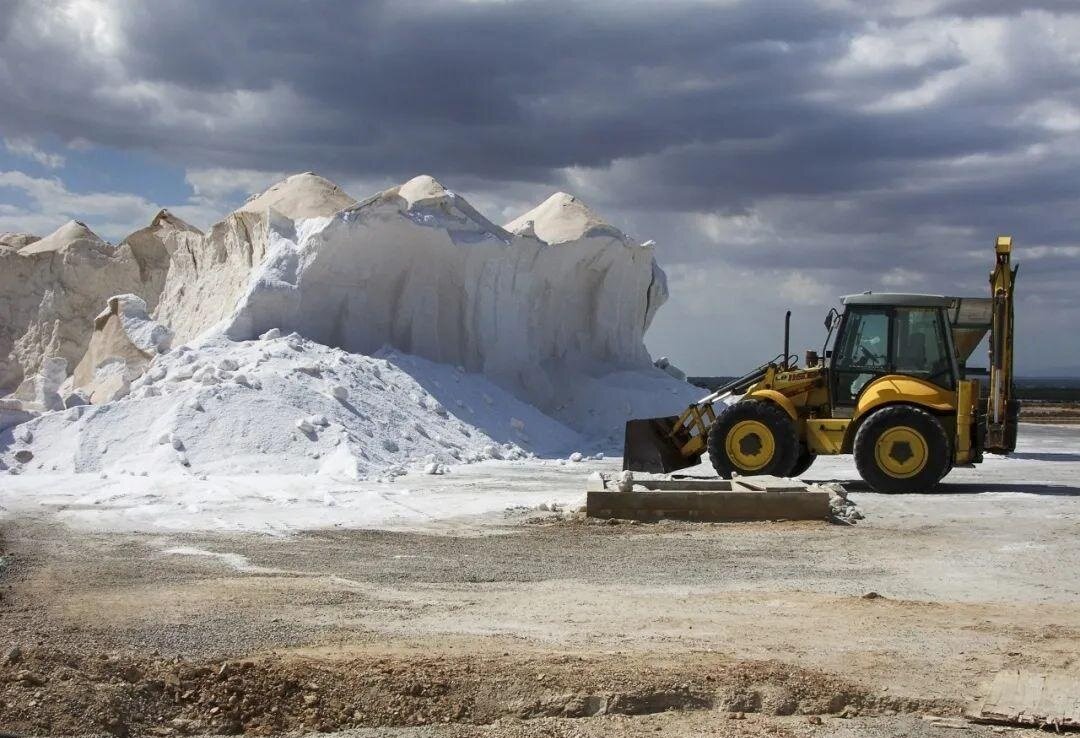
Reshaping the Industry Landscape
In the short term, the addition of overseas production capacity will not impact domestic alumina prices. In the long run, after multiple factories are put into operation, global supply will increase, which will change the original market pattern. Low cost overseas production capacity will bring competitive pressure to the domestic industry, forcing local enterprises to accelerate transformation and upgrading. This model also provides a reference for the domestic bulk resource industry chain to go to sea, actively approaching the resource end, and building a more secure and controllable global supply chain.Editor/Li Xiaohua
Comment


 Praise
 Collect
 Comment

 Share


Write something~