 Search


- This meeting will connect Shandong's manufacturing capabilities with Ukraine's transformation needs
- This means that China Ukraine cooperation is shifting from trade to jointly building production capacity, opening up new space for enterprises to settle in Central Asia
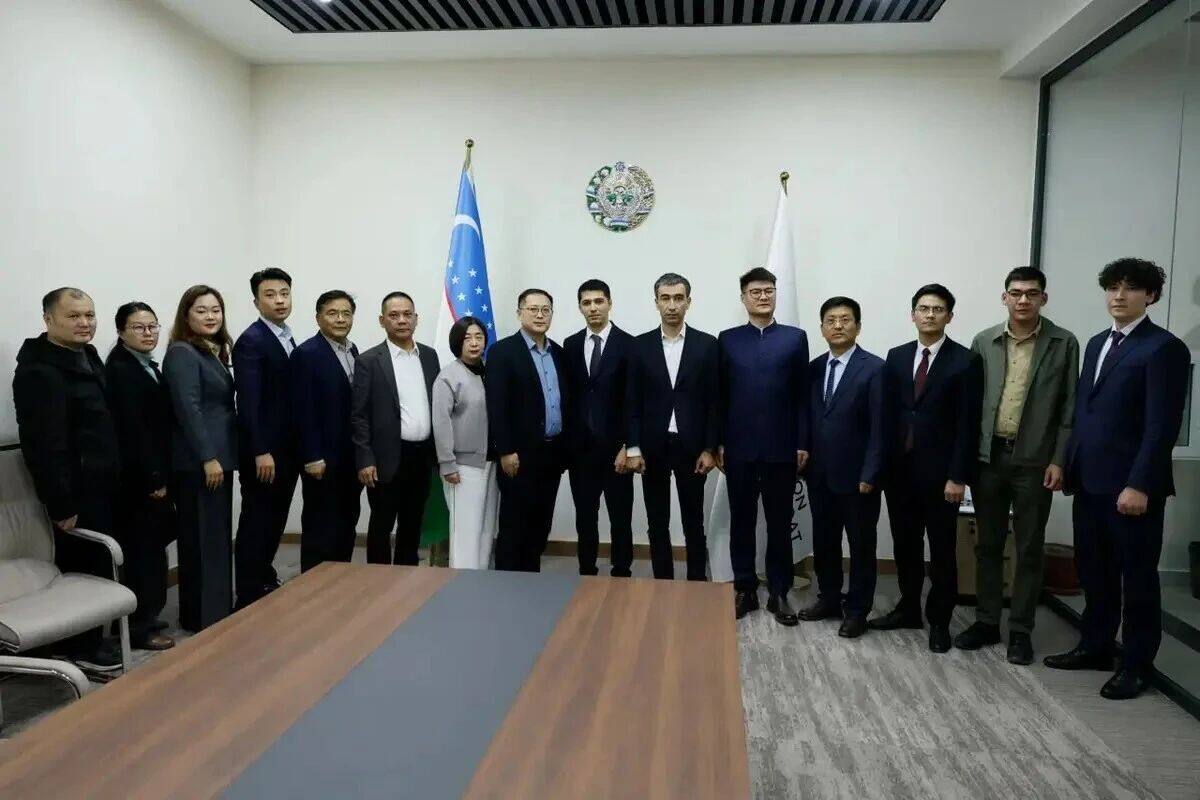
In late autumn in Tashkent, the list of projects on the conference table is getting thicker and thicker. On November 9, 2026, Akramqion Mamaronov, Vice Chairman of the Uzbekistan Chamber of Commerce, sat opposite a delegation from the Shandong Entrepreneurs Investment Promotion Association. There wasn't much exchange of pleasantries, and the topic went straight to one practical matter: not only did I want to sell the goods, but I also wanted to move the production line over.
Five hundred enterprises heading west
The association brings together more than 500 leading enterprises in various industries from 16 cities in Shandong Province, covering core areas such as coal trade, textile manufacturing, metal and metal product processing, advanced new material research and development, and artificial intelligence applications. Both parties exchanged views on specific projects and agreed to continue advancing the feasibility studies of all intended projects.
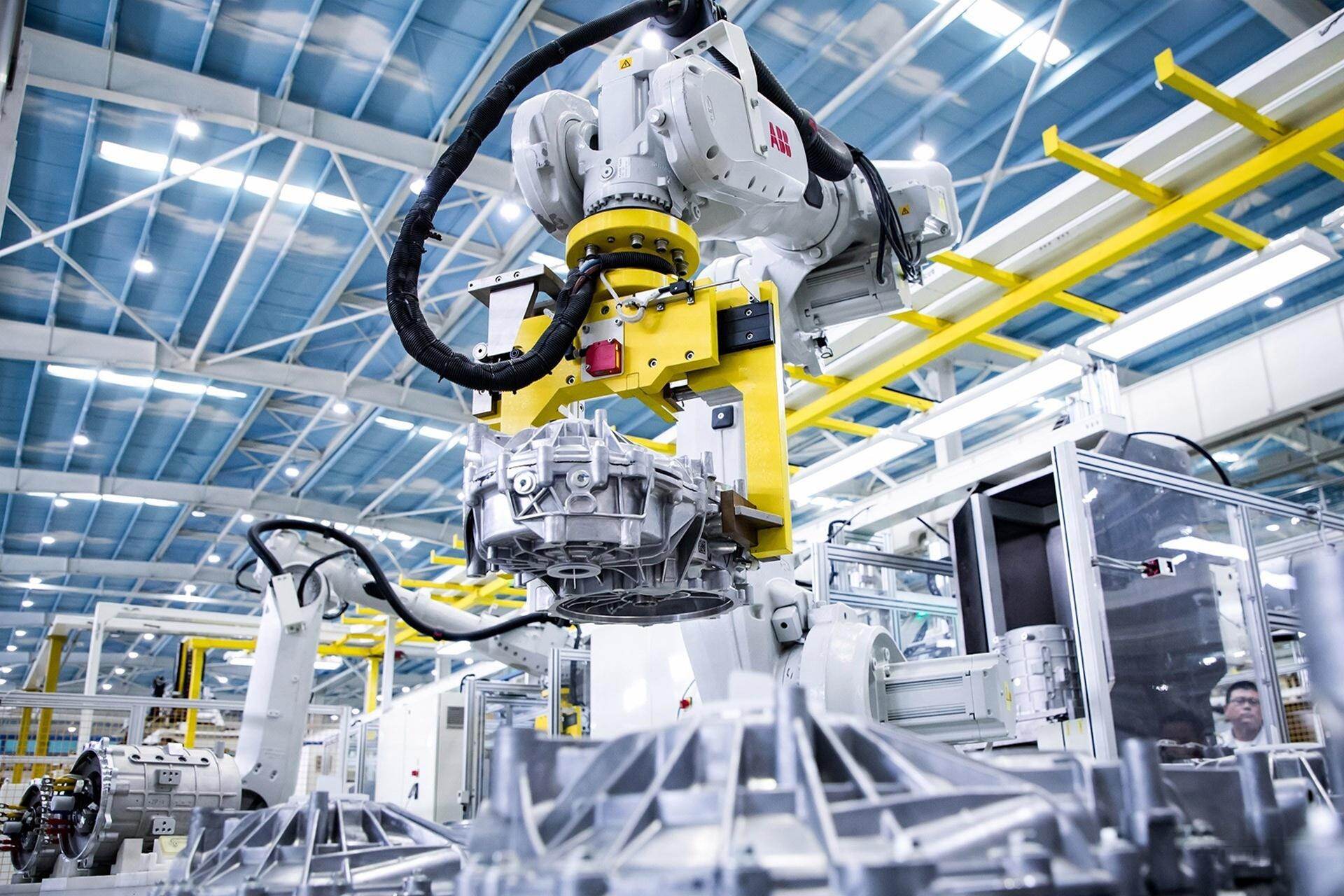
Under the framework of jointly building the the Belt and Road and China Central Asia cooperation, China Uzbekistan trade is shifting from commodity trade to localized manufacturing and joint construction of industrial chains. The Wufang Free Economic Zone and national industrial parks provide tax and fee reductions, equipment and raw material import tariff exemptions for foreign investment entering the park, and provide policy interfaces for factory construction.
A tent to explore first
Xiaorun Group has put the tent factory plan on the table: after in-depth research on the market demand in Central Asia, it will invest in building a localized tent production plant in Uzbekistan. The Ukrainian side responded decisively, stating that there is a stable and rigid demand for such products locally, and is willing to assist the Chinese side in screening and selecting suitable sites within national industrial parks.
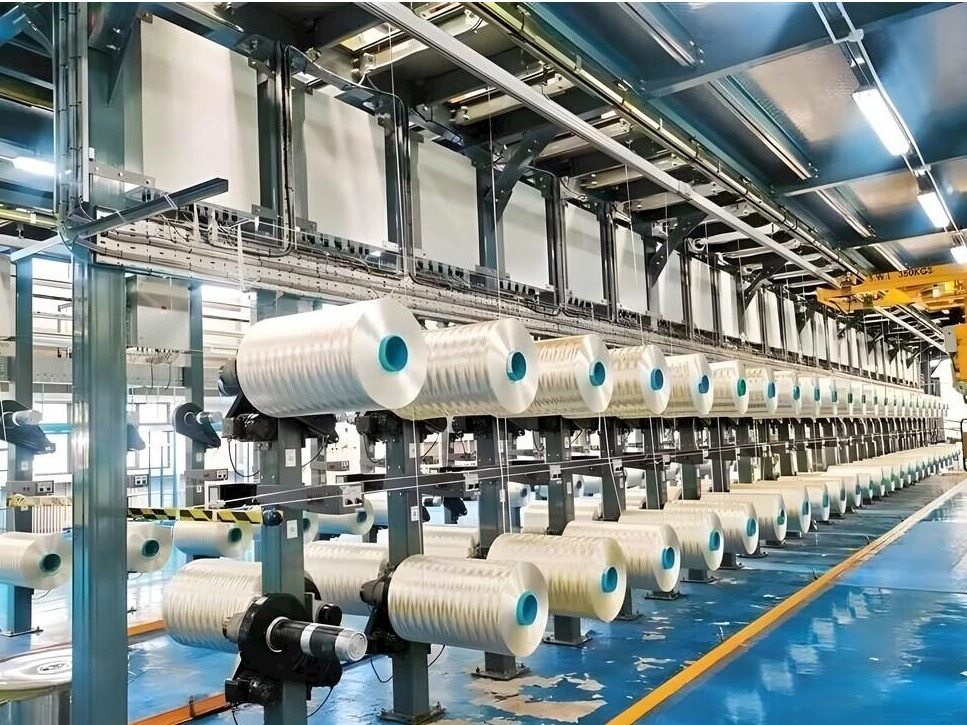
The discussion on textiles has reached a deeper level. The Chinese side proposed to purchase high-quality yarn from the Ukrainian side, and the Ukrainian side suggested directly organizing local yarn production. They also agreed to recommend Chinese enterprises to accurately connect with one of the largest local leading yarn producers. Wufang has its own industrial logic: the traditional cotton producing country is continuously promoting the deep processing of raw cotton into yarn and clothing, and the textile industry is a key track for attracting investment and employment. From buying yarn to making yarn, the buying and selling relationship has become a joint chain building.
Discuss multiple production lines together
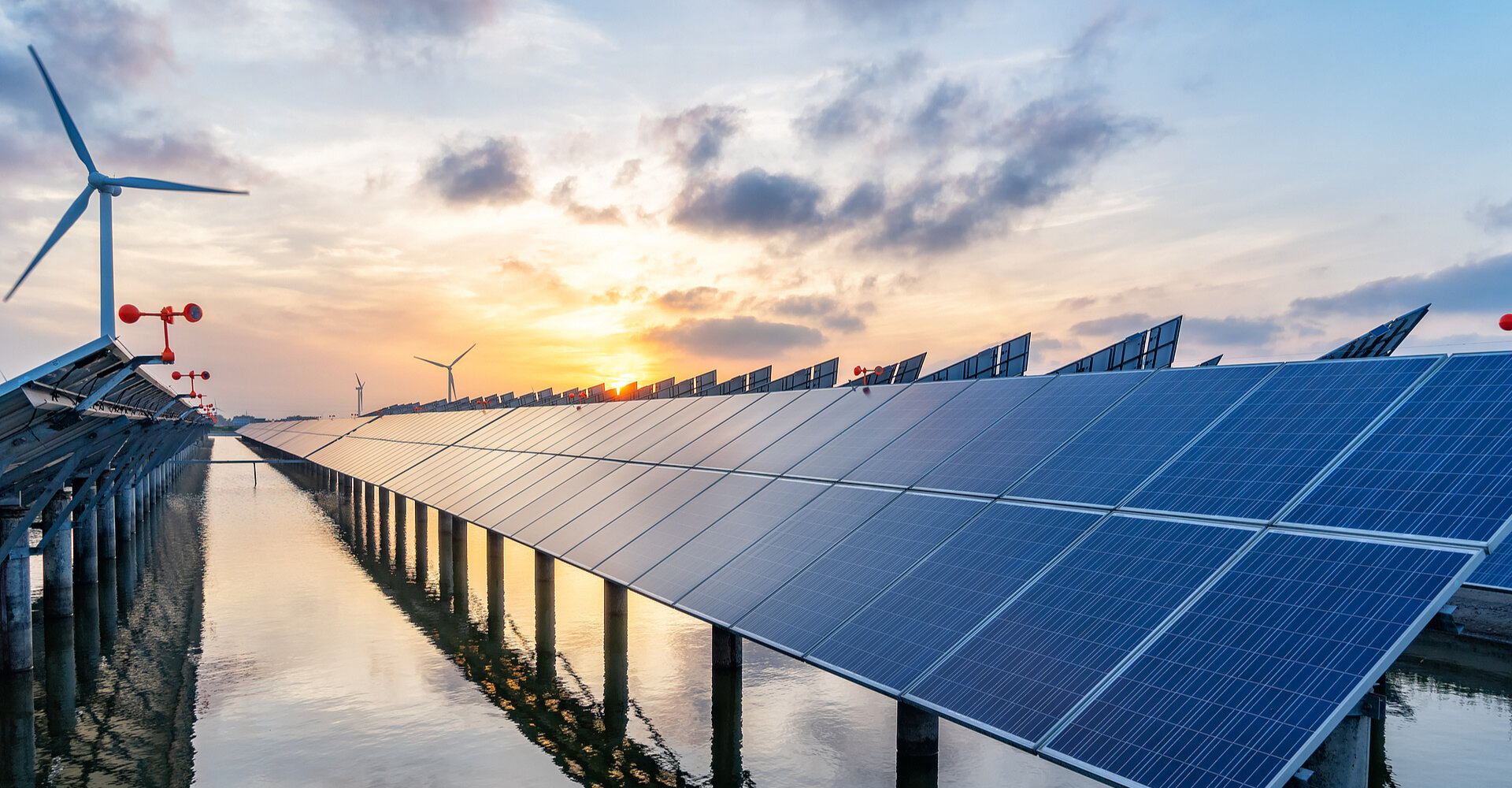
The list is still long: modern coal washing and processing plants, localized production of solar panels, stable supply of printing materials, network construction of public charging stations for electric vehicles, and localized assembly of agricultural machinery. Wufang has abundant scenic resources and is actively attracting investment to promote energy transformation, encourage localization of new energy equipment, and synchronously accelerate the charging network. The accumulation of Shandong enterprises in coal processing, metal products, new materials and equipment manufacturing corresponds one-to-one with this list.
The meeting ended, and both sides left all projects for further feasibility studies. The Chinese delegation has been officially invited to participate in the New Uzbekistan Global Opportunities Intersection International Investment Forum, which will be held in Tashkent from November 29th to December 5th. Tashkent has been intensively building investment platforms in recent years, and green energy and manufacturing projects continue to be open to global capital. From a conference room to a forum, this westward trip is not just about one business deal, but whether a group of factories can truly land in Central Asia.Editor/Yang Meiling
Comment


 Praise
 Collect
 Comment

 Share


Write something~