 Search


- Shuttle transportation breaks through the bottleneck of Hormuz, achieving a leap in the efficiency of crude oil going abroad
In November 2026, the global crude oil market's attention will return to the Persian Gulf coast. The latest monthly report from the International Energy Agency shows that the core oil producing countries in the Gulf collectively adjusted their plateau oil production in October, coupled with the quietly completed transportation mode iteration in the Strait of Hormuz, a more efficient crude oil export channel is fully operational, which continues to affect the supply pattern of the global crude oil market.
Iraq's production jumps by 540000 barrels
Iraq's crude oil production in October surged to 4.6 million barrels per day, a direct increase of 540000 barrels per day compared to September, exceeding its own OPEC+quota by about 170000 barrels per day. This is also the highest monthly production report Iraq has submitted since 2019. As the second largest oil producing country within OPEC after Saudi Arabia, this surge in production has directly pushed the increase in production in the Gulf region to the forefront, becoming the most prominent change in global crude oil supply in October.
Kuwait has simultaneously increased its production from 1.58 million barrels per day in September to 2.03 million barrels per day, leaving a surplus space of 650000 barrels per day from its OPEC+production limit. Saudi Arabia's production data shows differences in statistical standards. The International Energy Agency estimates that Saudi Arabia's production in October was 9.99 million barrels per day, still lower than its OPEC+quota of 480000 barrels per day. Saudi Arabia's self-reported data submitted to OPEC shows that its production for the month reached 10.563 million barrels per day, slightly higher than its quota of about 10.5 million barrels per day, close to its historical high level. The Saudi side has clearly stated that a portion of the newly added production is directly transferred to the domestic inventory buffer, and the actual increase in supply flowing to the market is not reflected as much as the increase in production.
Shuttle transportation breaks through the bottleneck of the strait
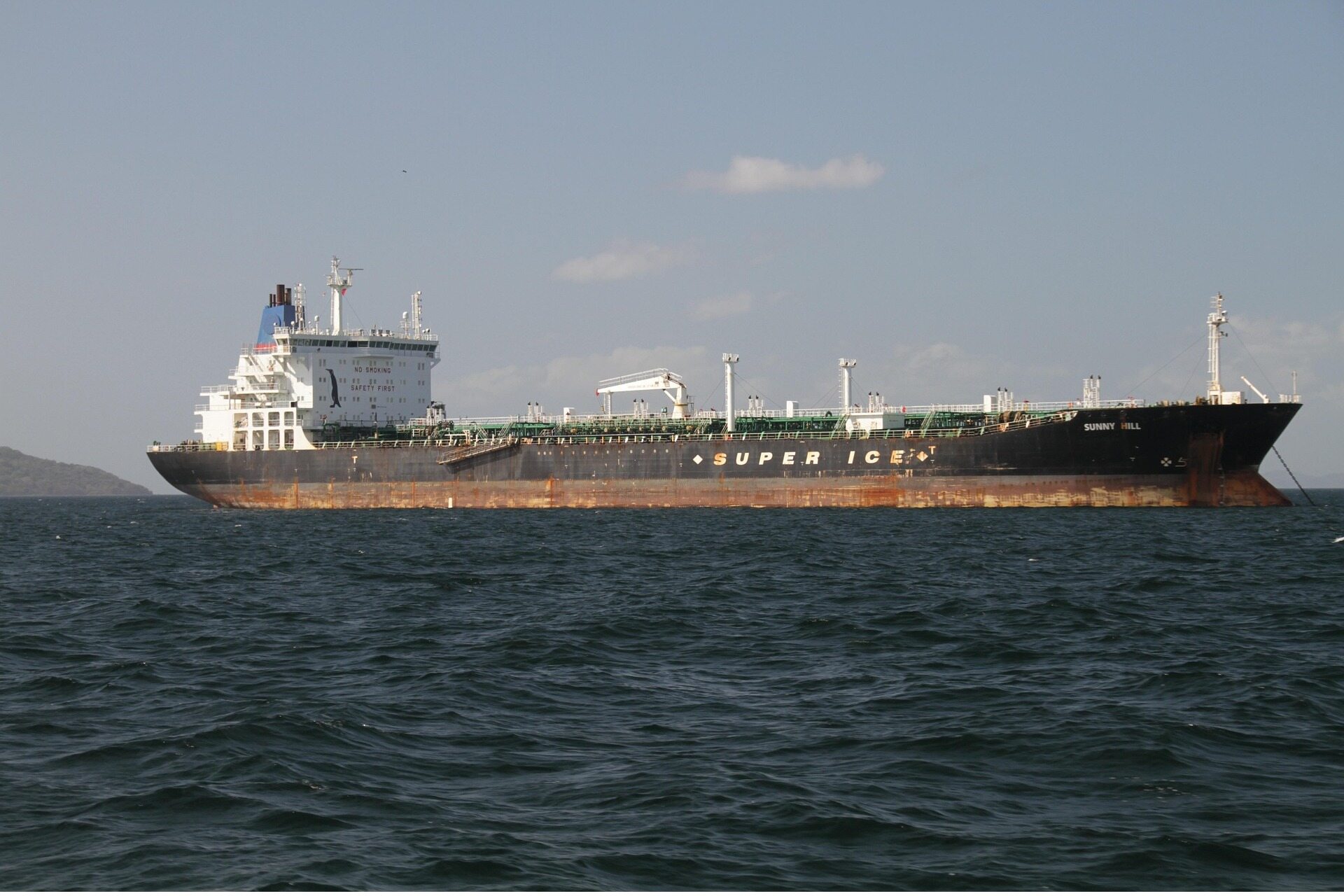
Since August, there has been an explosive increase in the flow of crude oil through the Strait of Hormuz, driven by a new set of transportation logic. A large amount of crude oil is no longer directly transported through the Strait by ultra large oil tankers, but is first transported in batches by small oil tankers out of the Strait of Hormuz, arriving in the Gulf of Oman, and then concentrated and loaded onto ultra large oil tankers. This shuttle transportation mode directly bypasses the navigation restrictions of large oil tankers in the strait, greatly accelerating the overall transportation turnover speed.
From publicly available operational data in Saudi Arabia, it can be seen that from August to October, the total supply to the market rapidly increased from 7.122 million barrels per day to 9.2 million barrels per day, while the production during the same period rose from 6.238 million barrels per day to 10.563 million barrels per day. A considerable portion of the increased production was absorbed by inventory and did not directly flow into the international market. Keywords: crude oil exports, crude oil production
The actual export release pace of Gulf oil producing countries will be determined by the intensity of quota enforcement, inventory adjustment space, and transportation carrying capacity of the Strait of Hormuz, which will also become the core variable affecting the global oil price trend in the coming months.Editor/Cheng Liting
Comment





 Praise
 Collect
 Comment

 Share


Write something~