 Search


- China takes a crucial step towards large-scale cross provincial consumption of green hydrogen

On the large screen of the venue, a slender red line runs eastward from Shangdu in Inner Mongolia, passing through Hebei and Tianjin, and finally stopping at the factories of Yanshan Petrochemical and Tianjin Petrochemical. This line is not a decoration on the map, behind it are 805 kilometers of pipes and 300000 tons of hydrogen gas per year.
A red line crosses four provinces
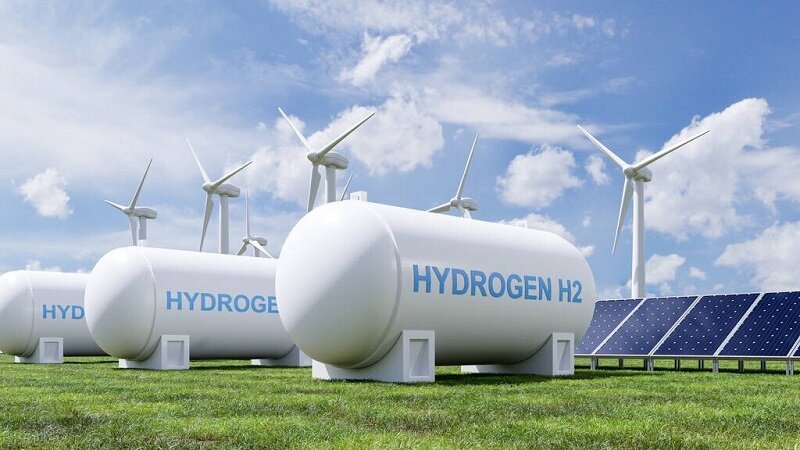
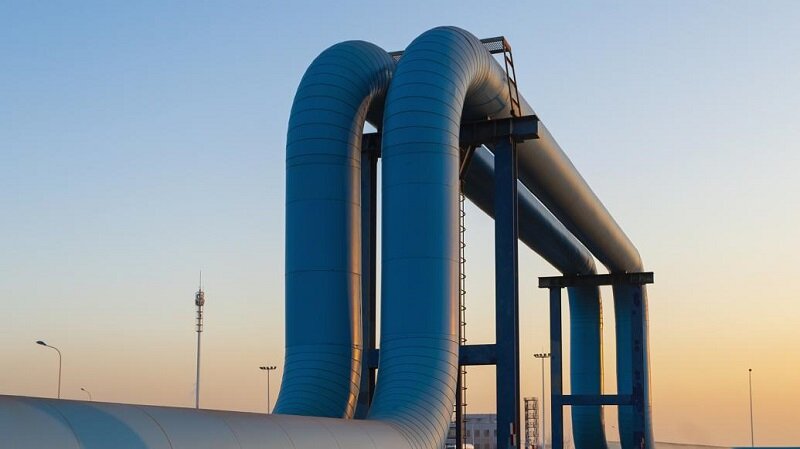
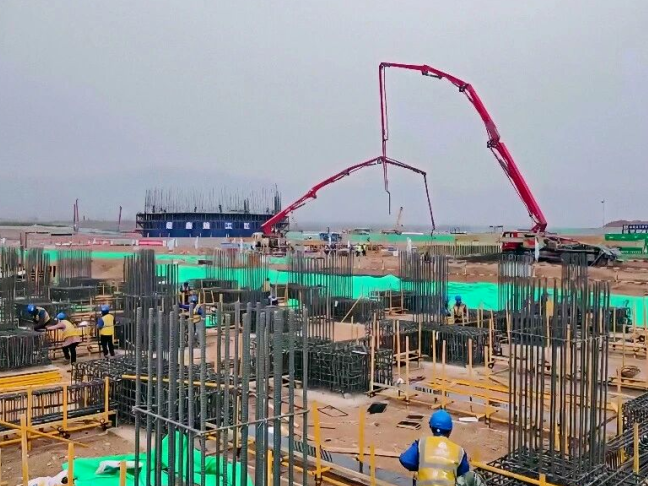
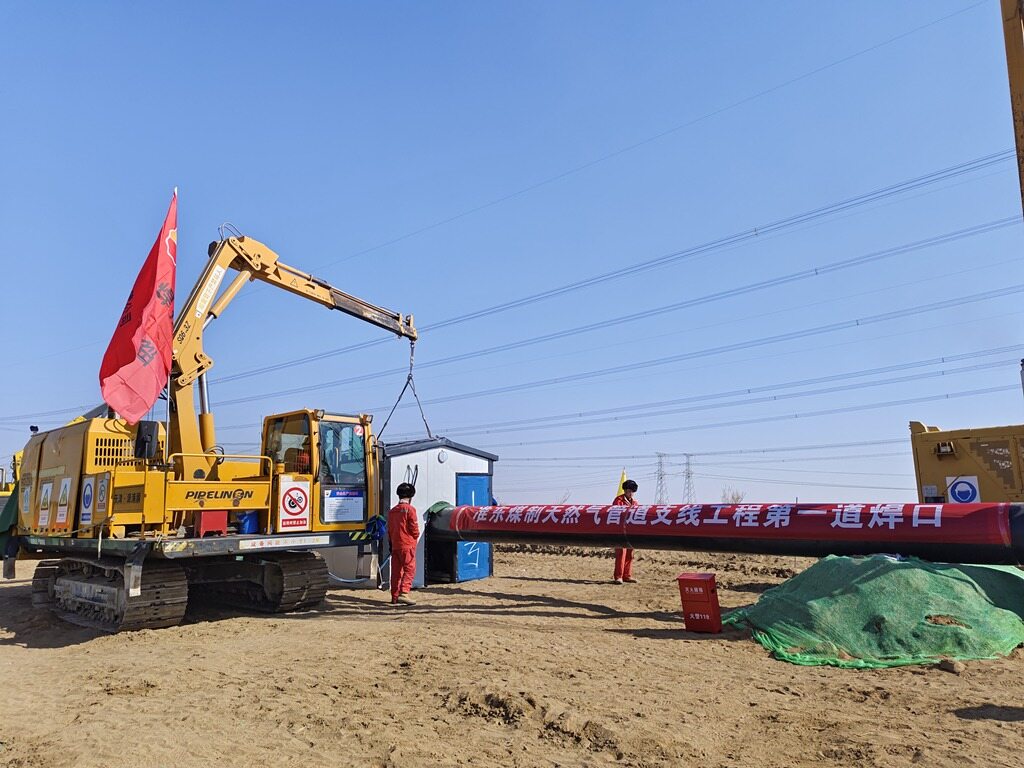
On November 14, 2026, the Modern Industrial Chain Action Conference for Hydrogen Energy Applications and the High Quality Development Promotion Conference of the Hydrogen Energy Industry were held in Beijing. Sinopec Group announced at the conference that the Ulanqab Green Hydrogen and Hydrogen Pipeline Project had officially started. The project is divided into two phases, with the first phase producing 100000 tons/year of hydrogen and the second phase producing 200000 tons/year of hydrogen; The first phase is equipped with 2.45 million kilowatts of wind and photovoltaic power, approximately 1 gigawatt of electrolytic cells, 805 kilometers of pipelines, and a hydrogen transmission capacity of 300000 tons per year. After the second phase is pressurized, it can reach 500000 tons per year. After the first phase reaches production, the annual net carbon reduction is about 1.73 million tons. The pipeline starts from Shangdu Shouzhan and passes through 21 counties and districts in 4 provinces, regions, and cities including Inner Mongolia, Hebei, Tianjin, and Beijing. The project has been included in the two 15th Five Year Plans for the construction of the national new energy system and the development of oil and natural gas. After completion, hydrogen production, storage and transportation, and industrial consumption formed a closed loop in one chain for the first time. The problem of producing green hydrogen but not being able to deliver it in the past now has replicable samples. Keywords: green hydrogen, cross provincial hydrogen pipeline
Replace grey hydrogen with green hydrogen
Green hydrogen will be directly supplied to Yanshan Petrochemical and Tianjin Petrochemical, replacing the original grey hydrogen production capacity, while extending to natural gas hydrogen blending, hydrogen metallurgy, hydrogen energy transportation, and green hydrogen international trade. The hydrogen production water source uses urban recycled water, which is purified and recycled. Technologically, the team has made breakthroughs in flexible intelligent control of renewable energy hydrogen production, integrated configuration of wind solar hydrogen production, long-distance pure hydrogen transportation, high-pressure sealing, material compatibility, and other aspects. After the pipeline is completed, it will be the first large-diameter pure hydrogen pipeline across provinces in China, paving the way for cross regional hydrogen energy pipelines nationwide. According to the plan, the hydrogen transmission capacity can be further increased by one level after the second phase is launched. The wind and light in Ulanqab have added an additional pathway to the east.Editor/Min Jing
Comment


 Praise
 Collect
 Comment

 Share


Write something~