 Search


- China undertakes desalination plant to provide all water sources for the northern water network
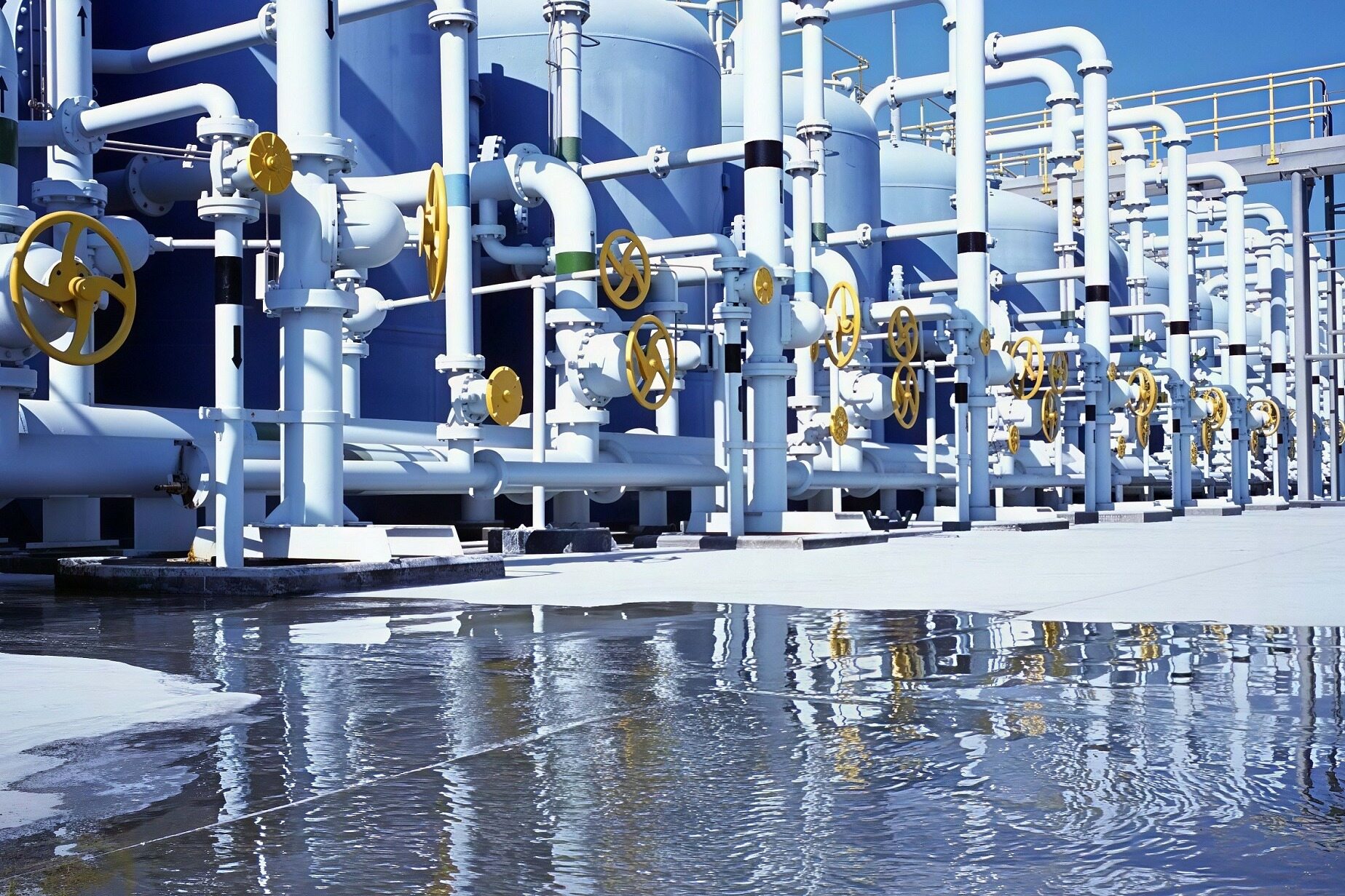
The water supply pattern of the four northern emirates in the United Arab Emirates is shifting from being independent to unified scheduling. A water supply network consisting of reservoirs, pumping stations, and pipelines between Ajman, Umm Al Quwain, Ras Al Khaimah, and Fujairah has completed approximately 90% of the project volume. In the past, the water supply facilities in these emirates were relatively scattered, but now a water supply network covering the north is gradually taking shape, and the water source in the network comes from a seawater desalination plant constructed by a Chinese company.
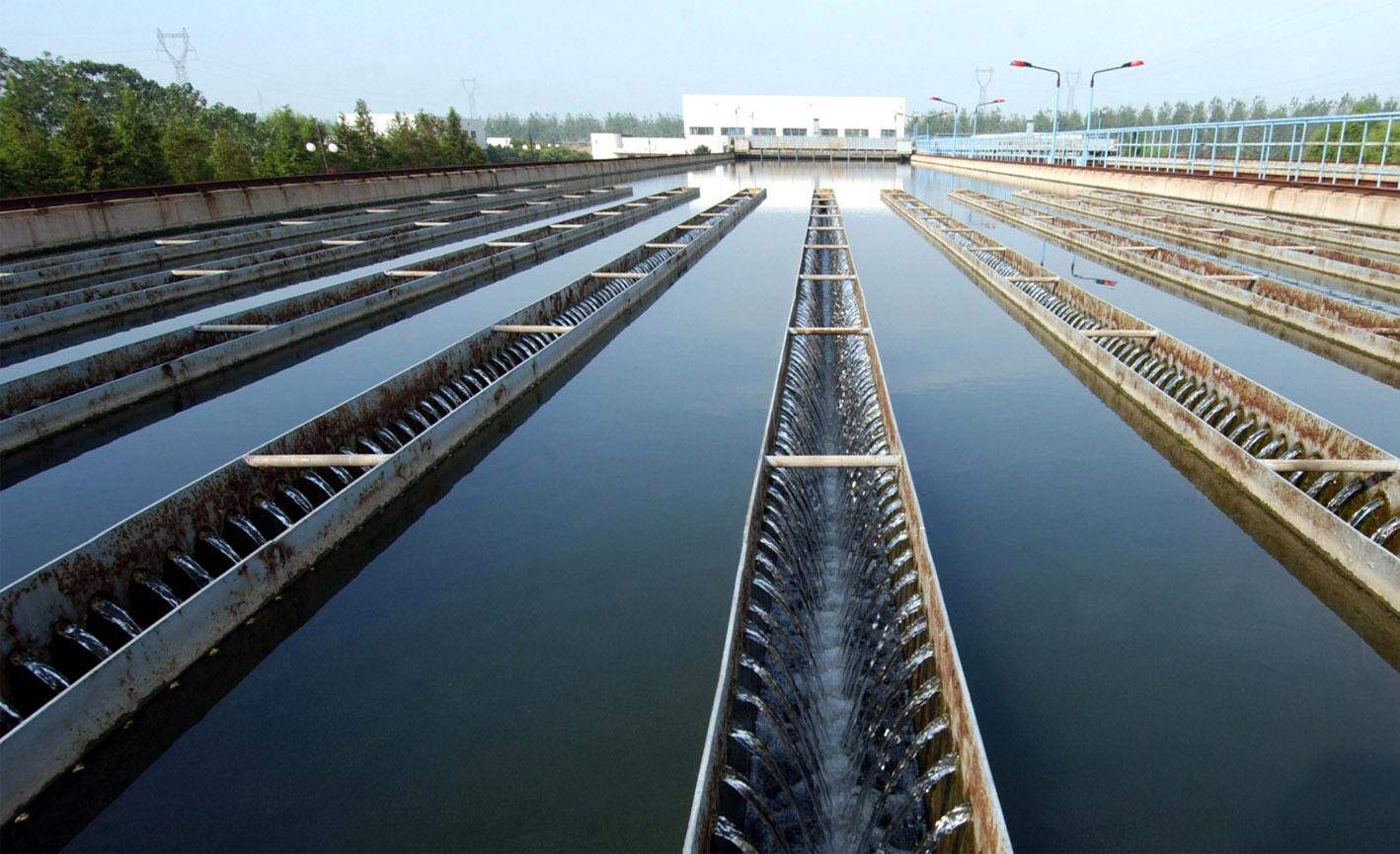
North China Unicom 90%
This round of water supply project is coordinated and promoted by the United Arab Emirates Federal Water and Electricity Company, consisting of 29 projects with an investment of approximately 3 billion dirhams. The project includes 22 water storage reservoirs, 4 pumping stations, hundreds of kilometers of water pipelines, and an integrated control system. After the completion of the network, the northern regions will be connected for the first time through a unified dispatch center, changing the previous situation of segmented management and individual operation. There is a discrepancy between the officially disclosed pipeline length and the data on the consulting firm's project page, and the caliber should be indicated when citing. The overall progress is about 90%, which means that the main project is close to completion, and the remaining work is focused on closure, coordination, and local integration.
Desalination plant provides full supply
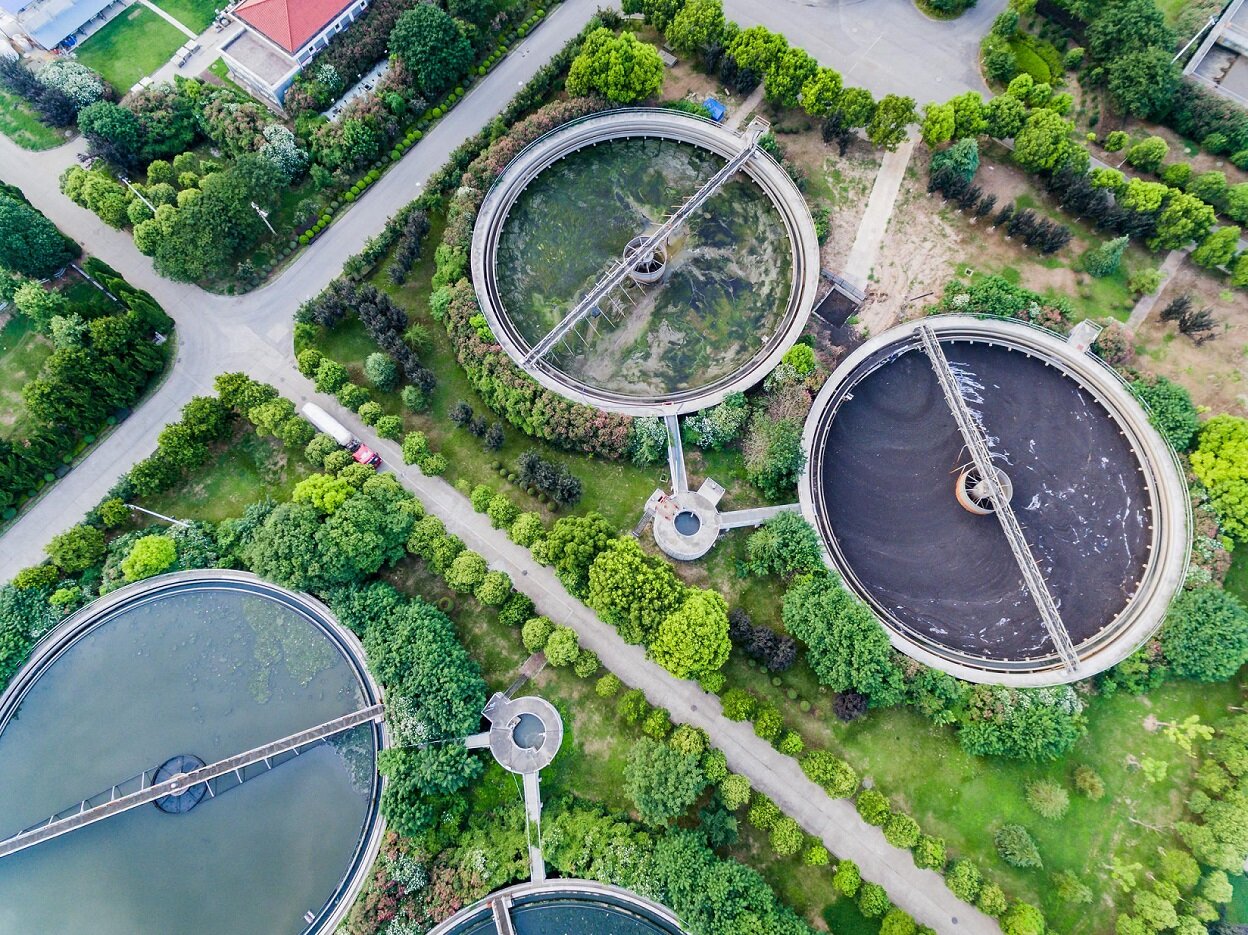
This network delivers approximately 682000 cubic meters of water per day, sourced from the Umqawan reverse osmosis seawater desalination plant. The factory was developed by Saudi Arabia's ACWA Power and constructed by China Energy Construction. It started construction in 2019 and obtained a commercial operation certificate in 2022. The factory is equipped with three production lines, multiple large water storage tanks, and reverse osmosis technology, which consumes less energy than traditional thermal desalination. Previously, the production capacity of this factory had been built, but due to the incomplete connectivity of the northern transmission and distribution network, some water supply capacity could not be fully released. As the pipeline network approaches completion, the water output from the factory can be more fully transported to residential areas and industrial parks in the north. Keywords: Middle East News Network, China Construction, Desalination Plant, Infrastructure
Subsequent operation and maintenance can be expected
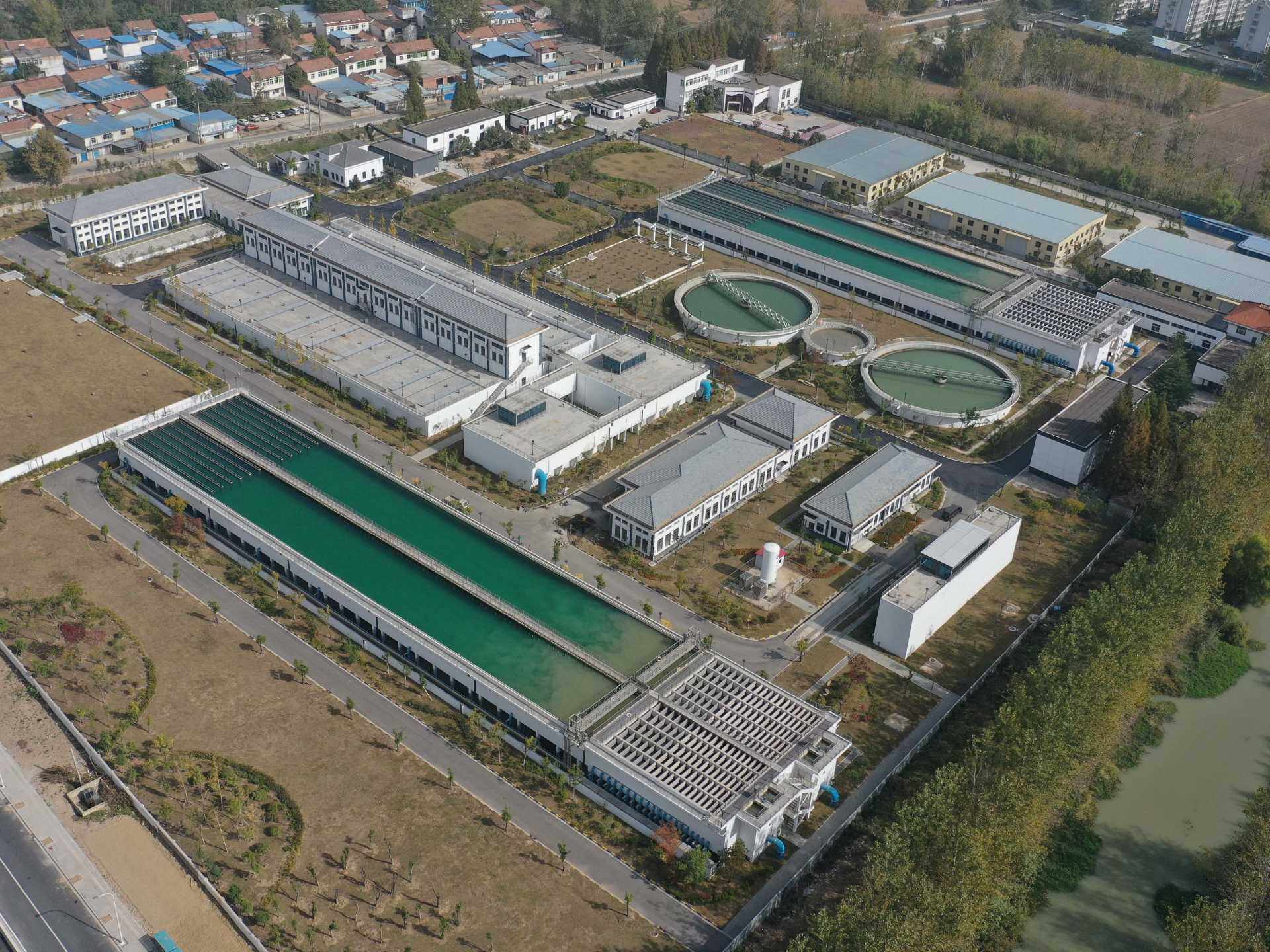
After the completion of the project, there are still three types of space worth paying attention to in the northern water market. The first is the replacement of old pipelines. The inventory of old pipelines that have been in service for many years in the northern emirates is not small. After the digital platform is launched, replacing the old network will become a long-term demand. The second is operation and maintenance services, which will continue to outsource processes such as leakage monitoring, pressure management, and measurement calibration. Smart water companies have the opportunity to participate. The third is industrial supporting facilities, such as the expansion of Ras Al Khaimah Port and the promotion of the Fujairah Industrial Belt, which will bring about supporting demands for water supply, sewage, and other facilities. Chinese companies have achieved success in the construction of seawater desalination plants, but in the field of water transmission and distribution network design and scheduling systems, consulting firms from Europe, America, and India still hold a significant share. The factory is built, the internet is fast, and water is on the road. Chinese companies have won not just a project in this market, but a chain from water sources to users.Editor/Gao Xue
Comment


 Praise
 Collect
 Comment

 Share


Write something~