 Search


- The Kuching Hydrogen Intelligent Rail has transitioned from production and manufacturing to on-site installation
- Add a crucial link to the year-end trial operation and long-term operation and maintenance of green public transportation
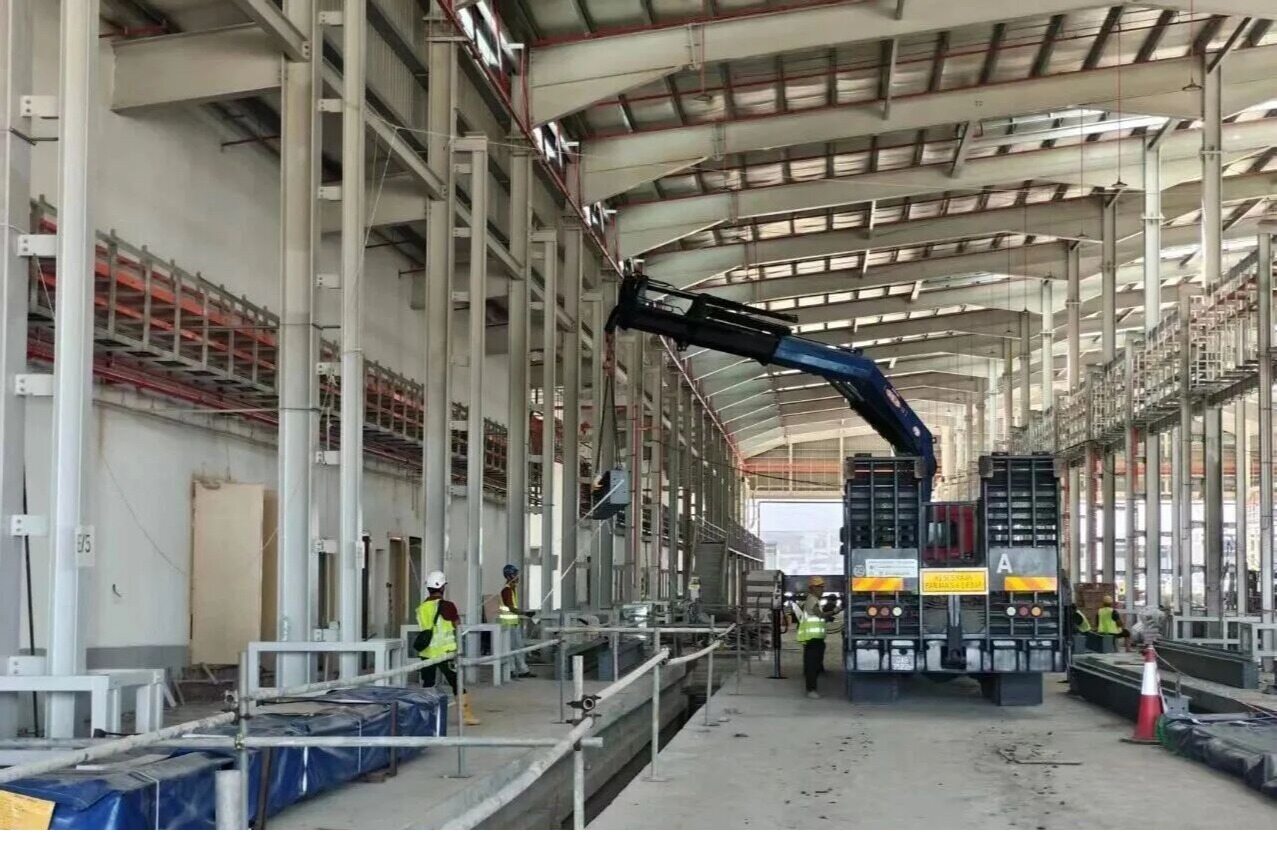
The sea breeze swept over the suburban vehicle depot in Kuching, and transport vehicles carrying heavy wooden boxes slowly drove in. The boom lifts and lowers, and the gantry crane and hoist steadily descend onto the yard. This batch of equipment that crossed the sea from a Chinese factory has finally arrived at the entrance of the maintenance workshop, providing a crucial link from construction to operation for the Kuching Hydrogen Smart Rail Project of CCCC Malaysia.
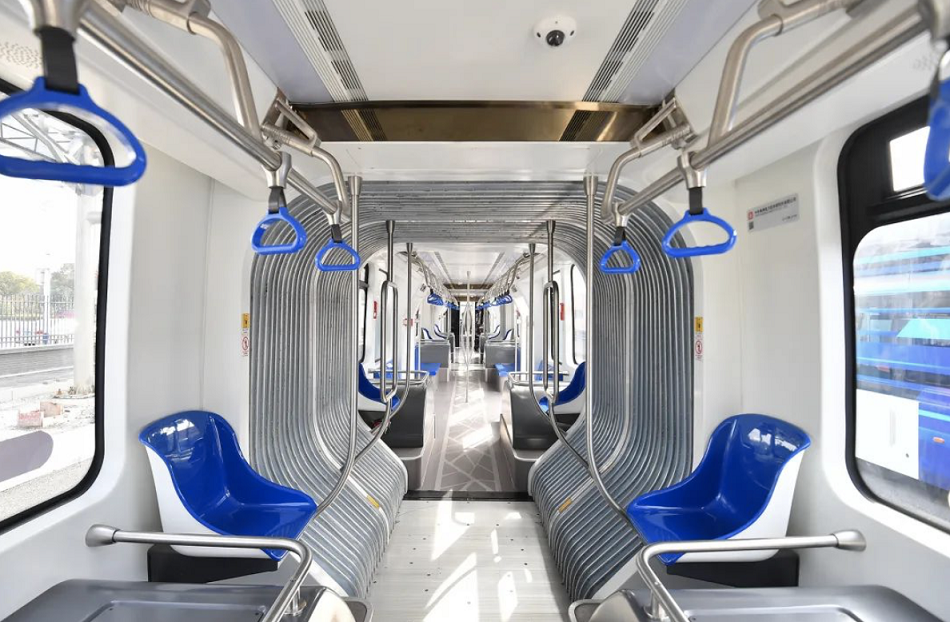
The urban transportation system in Kuching is not running steel rail trains, but smart rail vehicles driven by hydrogen fuel cells and traveling along virtual tracks, with only steam as exhaust gas. Relying on clean water and electricity to produce green hydrogen, hydrogen production, refueling, and operation are connected in a closed loop. Rembus Integrated Depot integrates parking, maintenance, operation control, and hydrogen energy facilities. The intelligent rail maintenance workshop constructed by CCCC Malaysia is the puzzle that enables trains to be repaired and maintained.
The first batch of equipment arrived across the sea
This batch of goods mainly consists of gantry cranes and hoists, which are key equipment for maintenance and hoisting. The team focuses on closely monitoring production, factory inspection, packaging and shipping, international shipping, customs clearance and transportation, and on-site unloading before arrival, and dynamically tracking progress with the general contractor, logistics, and suppliers. The crane has a large volume, difficult transportation organization, and high requirements for operating conditions. The team checked the channels, lifting and unloading conditions, and stacking sites in advance, coordinated the entry organization and safety guarantee, and ensured the safe and orderly arrival of equipment. Previously, the integration project in the same maintenance workshop had passed factory acceptance testing. The joint acceptance team carefully checked the software and hardware, interfaces, operating logic, and safety mechanisms, and first verified the quality of the installation in China.
Supporting the key link of maintenance
Only when the equipment is in place can the vehicle depot have a framework. The lifting machine is responsible for synchronously lifting the entire vehicle, allowing the running gear and hydrogen system components to be inspected smoothly; The crane is responsible for lifting and transporting equipment, components, and maintenance materials. The two form the foundation of the maintenance process system, which is not as eye-catching as the appearance of a new car, but determines whether the team can quickly troubleshoot and leave on time when returning to the field. According to the arrangement of Sarawak, the first section of the Blue Line is scheduled for trial operation by the end of the year, and the first batch of smart rail vehicles has arrived in Kuching.
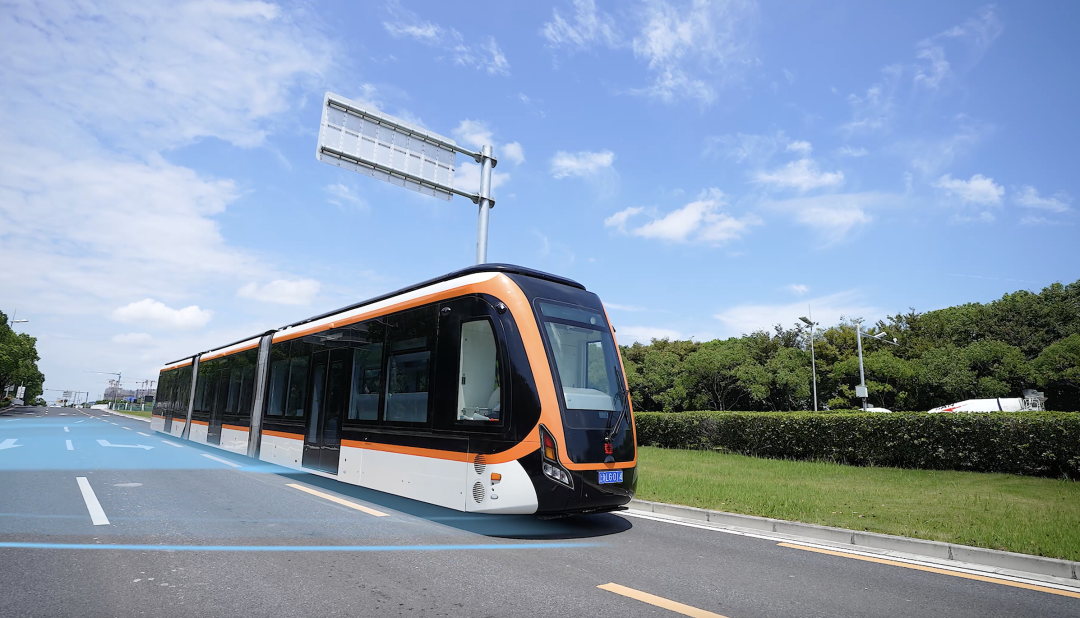
The more the car runs, the denser it gets, and the more it cannot fall behind in maintenance. This batch of equipment arrived at the right time.
Further towards trial operation
From manufacturing, cross sea transportation to on-site installation, this arrival has opened up the most easily disconnected link, creating conditions for subsequent equipment entry, installation and commissioning, and system integration. The team will focus on the overall goal, promote shipping, installation, and commissioning with high-quality performance, and integrate safety, quality, and schedule control throughout the entire process. The steel components quietly positioned in the vehicle depot are connected to Kuching's green public transportation network to alleviate congestion and reduce carbon emissions, as well as to China's smart rail technology moving from delivering vehicles to delivering operational capabilities.
When the train leaves the depot, people probably won't think of the overhead crane and hoist, but every time it departs smoothly, they are always carried underneath.Editor/Yang Meiling
Comment


 Praise
 Collect
 Comment

 Share


Write something~