 Search


- 48.7 million kilowatts support one eighth of the country's cross regional and inter provincial transmission scale
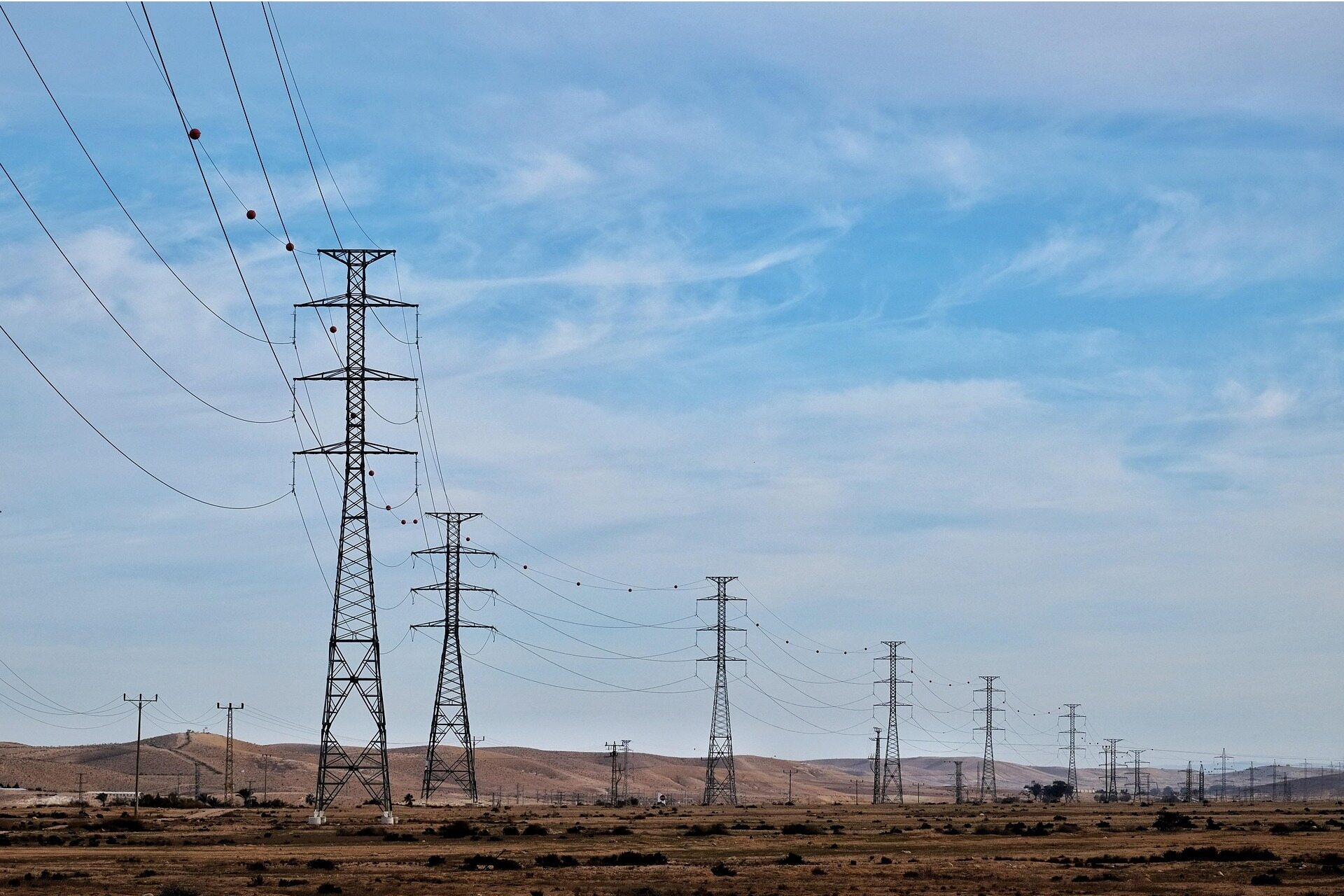
At 0:00 on November 16, 2026, the 1 trillion kilowatt hour ultra-high voltage transmission power will depart from the energy base in Inner Mongolia and travel thousands of kilometers along the ultra-high voltage line that spans across the Gobi Desert, grasslands, and mountains to reach the load center in the central and eastern regions. At this moment, Inner Mongolia has officially become the first province in China to exceed one trillion kilowatt hours of ultra-high voltage transmission capacity, and a long river of electricity that spans northern China has surged past the trillion level milestone.
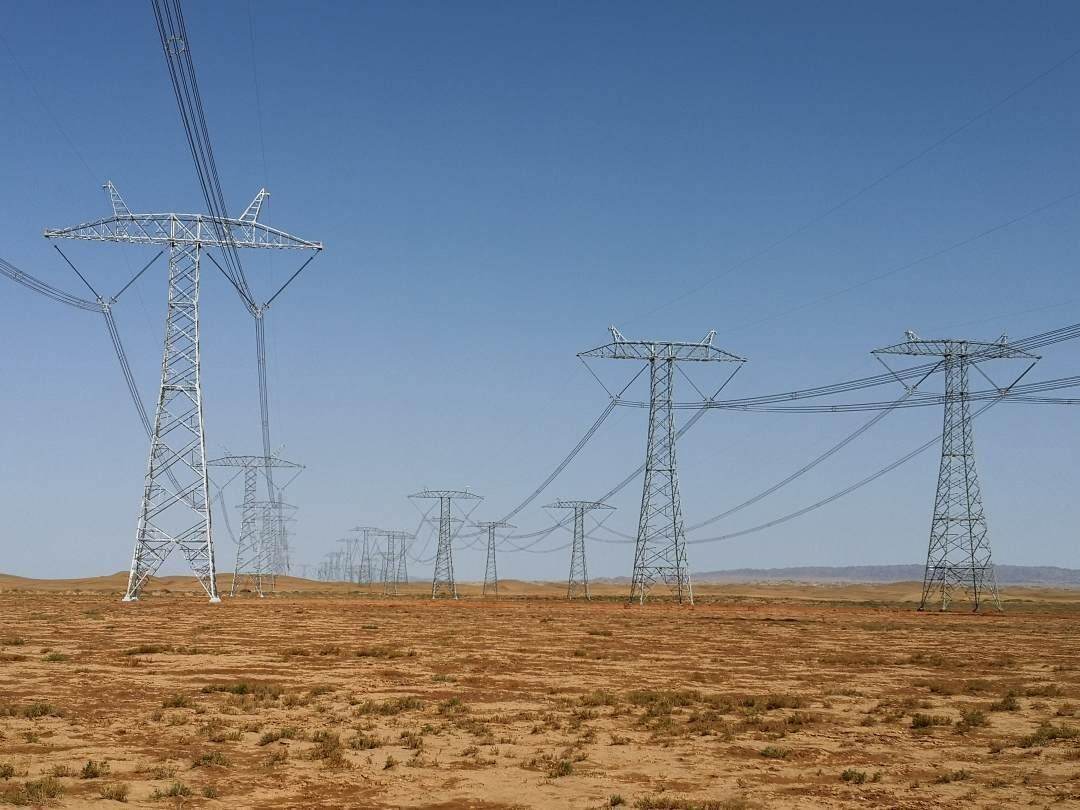
Ten years to lay a thousand mile silver line
In 2016, the first ultra-high voltage AC project from Ximeng to Shandong was officially put into operation, and the curtain of Inner Mongolia's ultra-high voltage transmission began. Over the course of ten years, a total of eight ultra-high voltage transmission lines, including five lines and three lines, have been built and put into operation. Iron towers extend from deep grasslands to the coast of Bohai Sea, with a total transmission capacity of 48.7 million kilowatts, directly delivering Inner Mongolia's wind and solar thermal power resources to factories, office buildings, and residential homes in 12 provinces, regions, and cities.
Over the past decade, the annual power transmission has climbed from 7.4 billion kilowatt hours to 188.6 billion kilowatt hours by 2025. The transmission volume of this power channel has completed the growth path that other provinces and regions could only complete in 20 years in just ten years.
The component of trillions of kilowatt hours of electricity
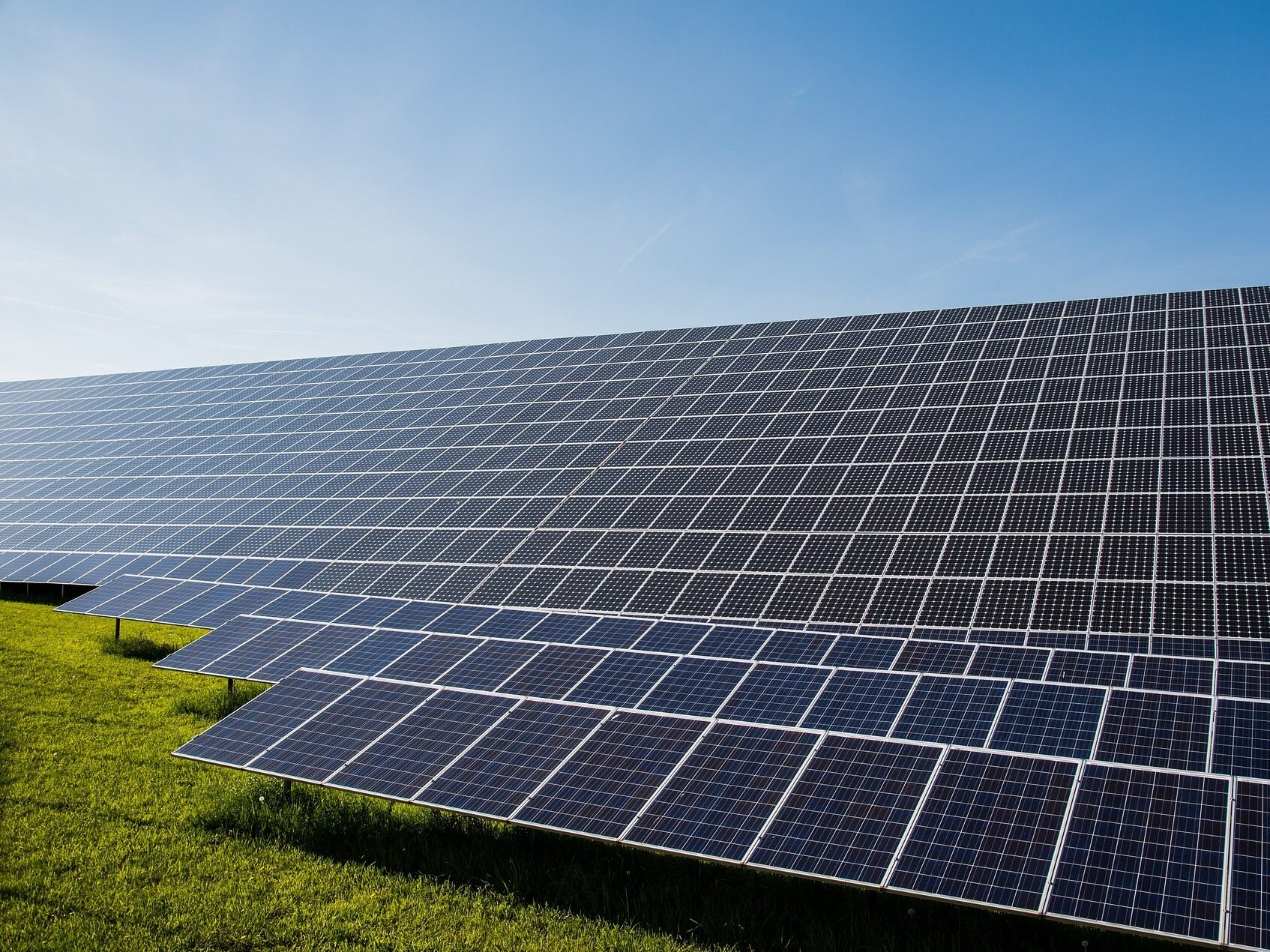
The 1000.5 billion kilowatt hours of external power transmission is equivalent to the total electricity consumption of the whole society in Beijing for seven consecutive years, which is enough to support the daily electricity consumption of 885 million people for a whole year. Nowadays, the proportion of green electricity in this long river of electricity has exceeded 20%. Wind power from grasslands and photovoltaic power from desert edges are directly sent to the power terminals along the eastern coast through ultra-high voltage lines, transforming Inner Mongolia's wind and solar resources into production power for coastal factories and daily lights for residents' homes. Keywords: ultra-high voltage, power transmission
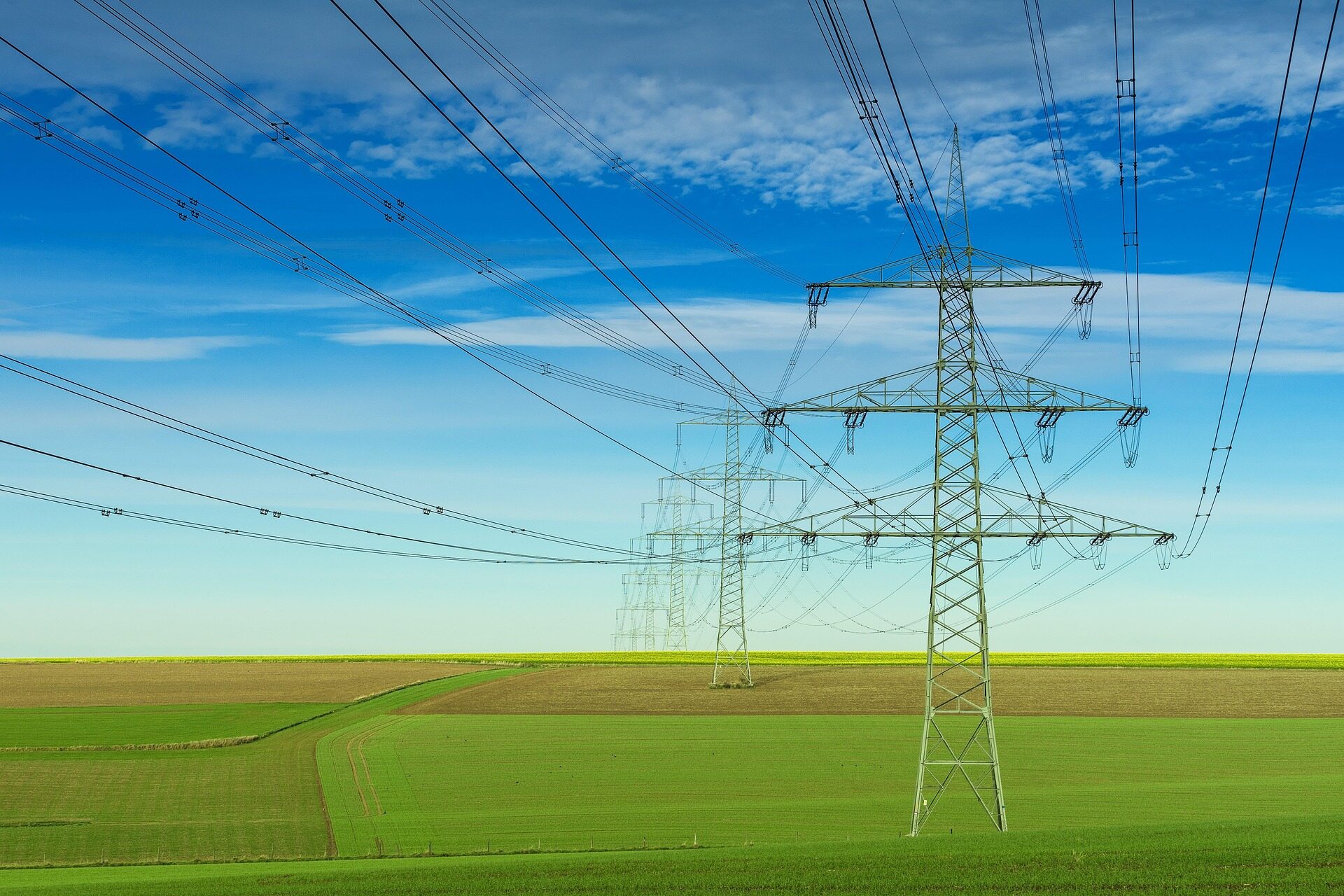
In the summer peak of 2026, the maximum daily electricity transmission of Inner Mongolia's ultra-high voltage exceeded 590 million kilowatt hours, which is equivalent to sending out nearly 600000 households' annual electricity consumption in one day. With the landing of a new batch of ultra-high voltage transmission projects from Shage Desert during the 15th Five Year Plan period, this surging river of electricity will continue to provide a continuous source of power for national energy supply and green transformation.Editor/Cheng Liting
Comment




 Praise
 Collect
 Comment

 Share


Write something~