 Search


- Collaborative upgrading helps oil and gas engineering reduce costs, increase efficiency, and achieve low-carbon transformation
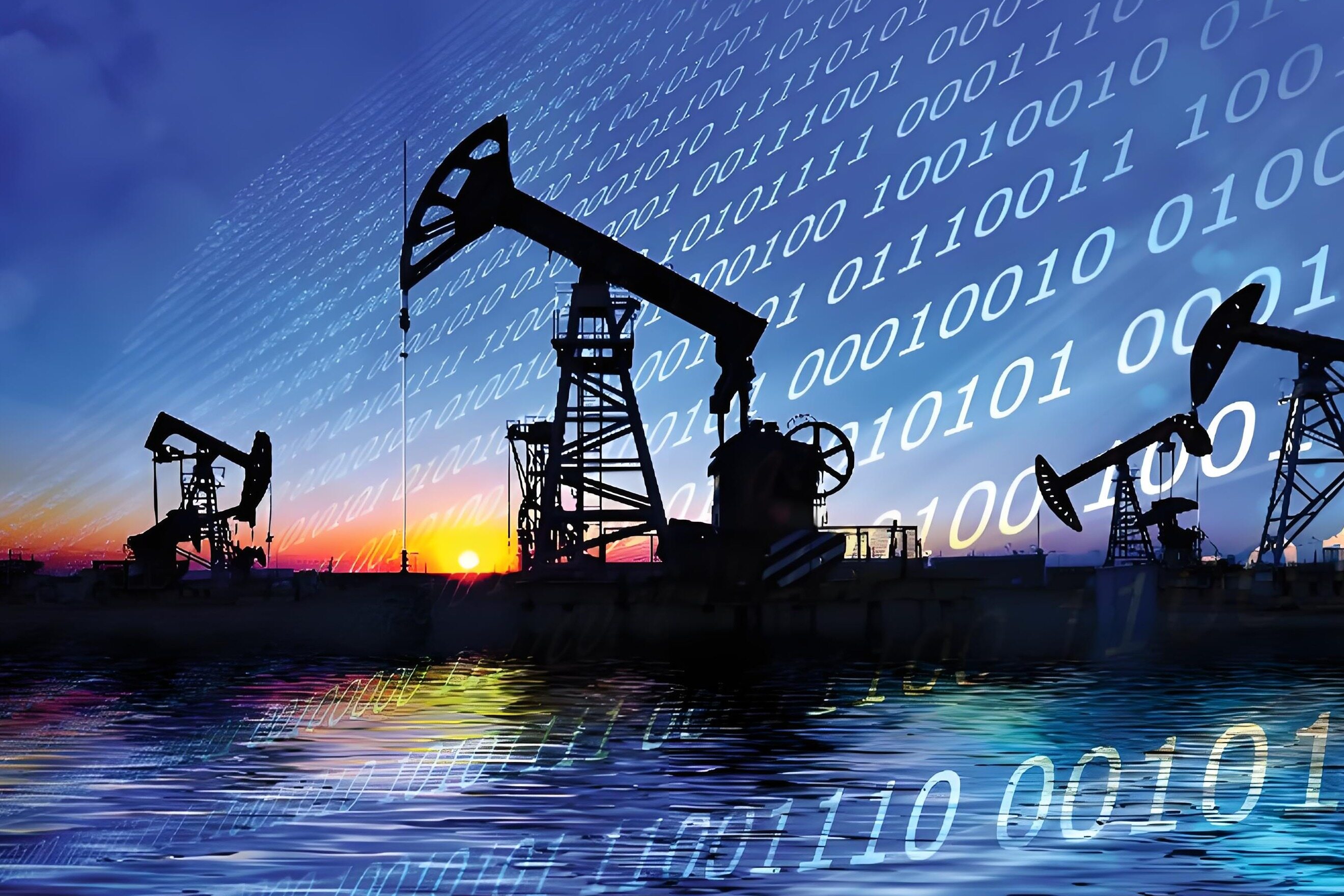
Recently, at a drilling site, the control panel in front of the driller has reduced the roar of the diesel engine and added several real-time jumping screens. The power of the equipment shifts from mechanical transmission to electric drive, and the underground parameters and ground conditions are synchronously uploaded. Some operations are suggested by algorithms. This scenario is gradually unfolding in China's oil and gas engineering industry, but single point transformation does not mean overall upgrading, and the connection between equipment, data, and decision-making remains a key challenge.
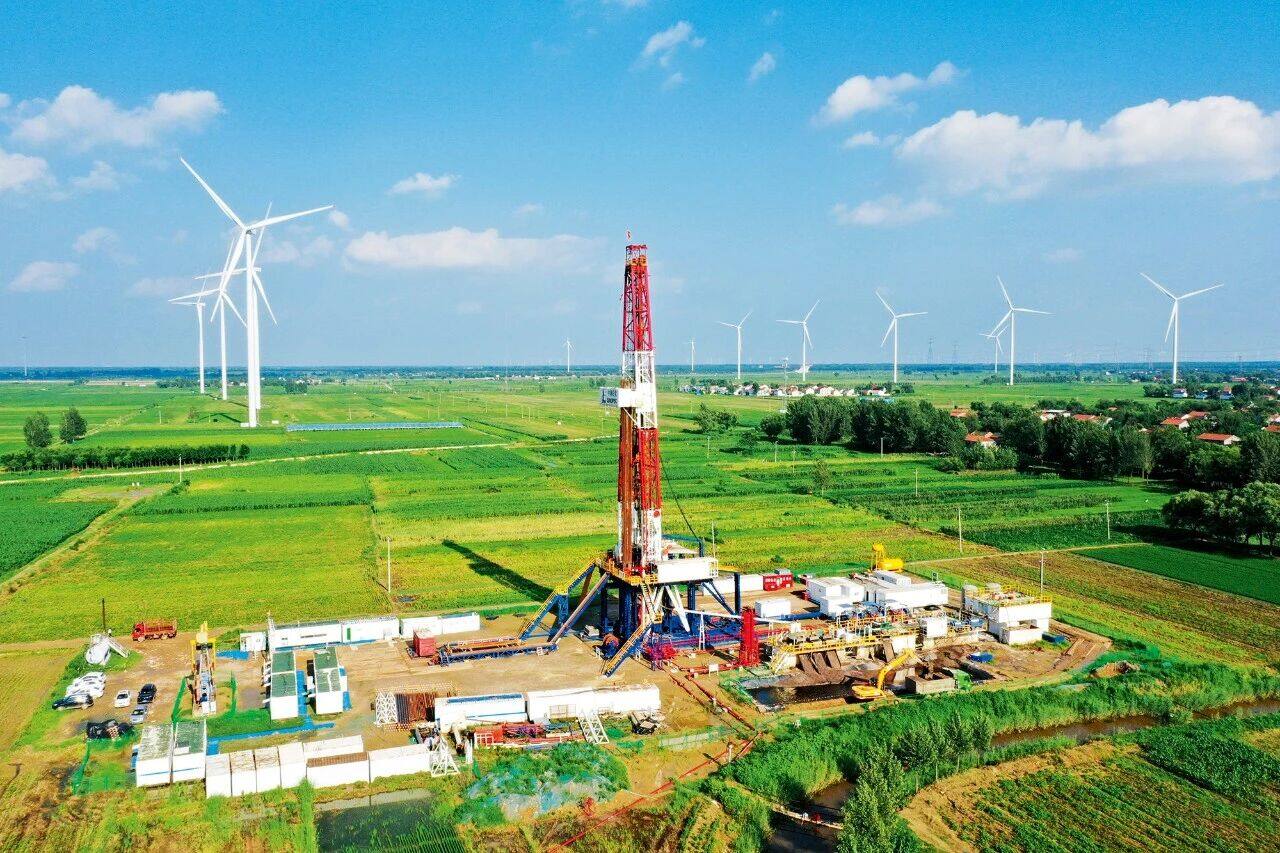
Replace the electric drive base of the device first
Many companies have already started electrification replacement, with electric drive drilling rigs, grid electric well repair, and electric drive fracturing equipment accounting for an increased proportion in their main operations. The power system has shifted from extensive output to programmable control, providing an execution basis for subsequent data acquisition and automatic control. However, some projects prioritize resources towards the visualization platform, with insufficient investment in the transformation of underlying sensors and old equipment, resulting in the platform appearing lively and limited data that can be collected on site. The industry needs to first strengthen the hardware foundation before discussing networking and intelligence.
Data integration of isolated stations
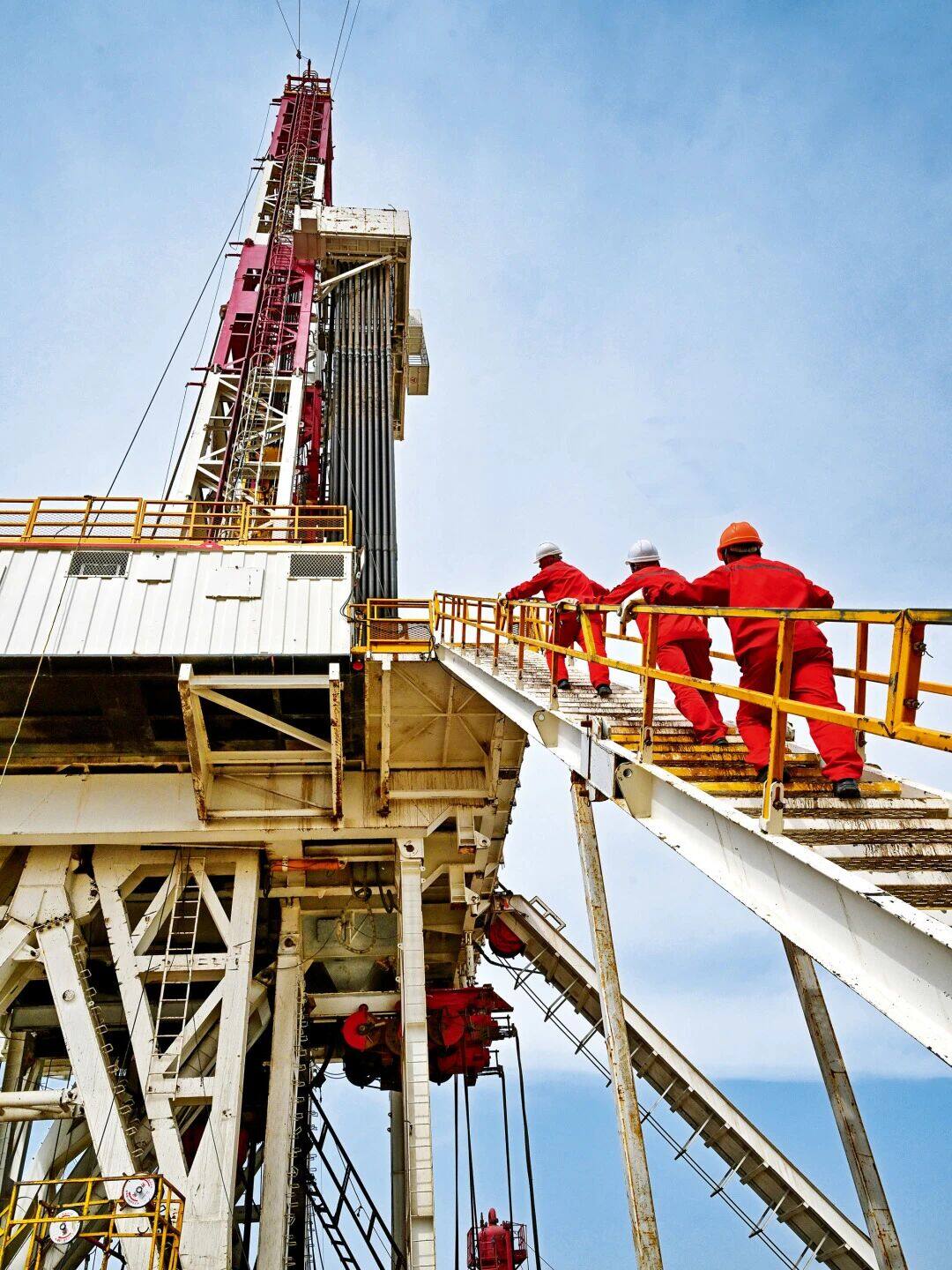
After the equipment is connected to the internet, the real bottleneck lies in data standards. The interfaces, communication protocols, and data formats of different manufacturers are not compatible with each other. Multiple brands of equipment at the same well site speak their own words, and the driller needs to check back and forth between multiple terminals. At the enterprise level, there is still a common problem of business system fragmentation, with different data sources for engineering, equipment, safety, and finance. Single well cost accounting still relies on manual summarization. Only by connecting data links and unifying governance rules can on-site data become reusable assets, rather than dormant records in local terminals. Keywords: Strategic News Network, Macro, Electrification, Digitization
Algorithm takes over partial decision-making
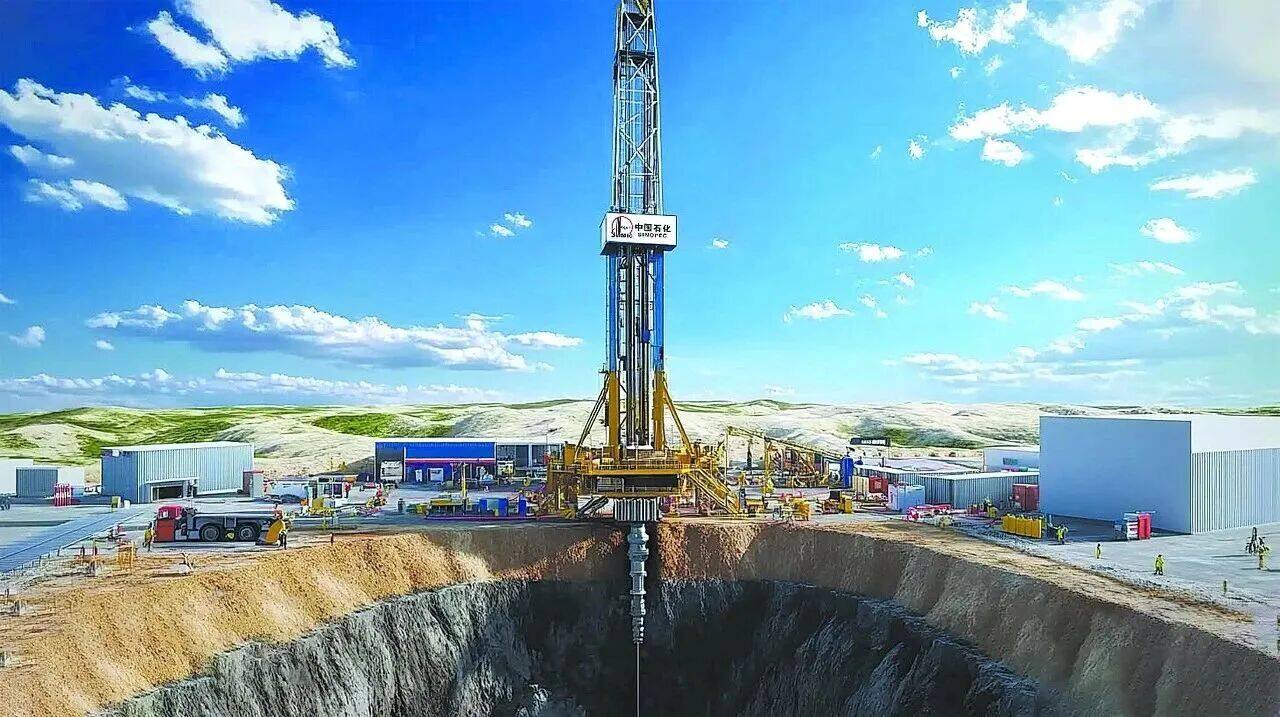
When the hardware and data foundation are in place, intelligent applications can move from demonstration to scale. Vertical models and professional algorithms have been introduced in scenarios such as drilling parameter optimization, downhole risk warning, trajectory control, and fracturing design. Some operations have shifted from manual experience to model recommendations with manual review. However, the shortage of composite talents is still a shortcoming. Frontline personnel are familiar with traditional processes but may not be able to master intelligent systems, while technical personnel understand algorithms but lack on-site experience. The assessment mechanism also focuses more on progress and cycles, with insufficient incentives for data quality and intelligent application effectiveness. The industry needs to be promoted in stages to avoid laying out intelligent platforms ahead of schedule when the foundation is unstable.Editor/Gao Xue
Comment


 Praise
 Collect
 Comment

 Share


Write something~