 Search


- Defend the meter gauge transportation capacity and connect with the Mombasa Port estuary
- Strive for buffer for logistics channels before the era of standard rail transit
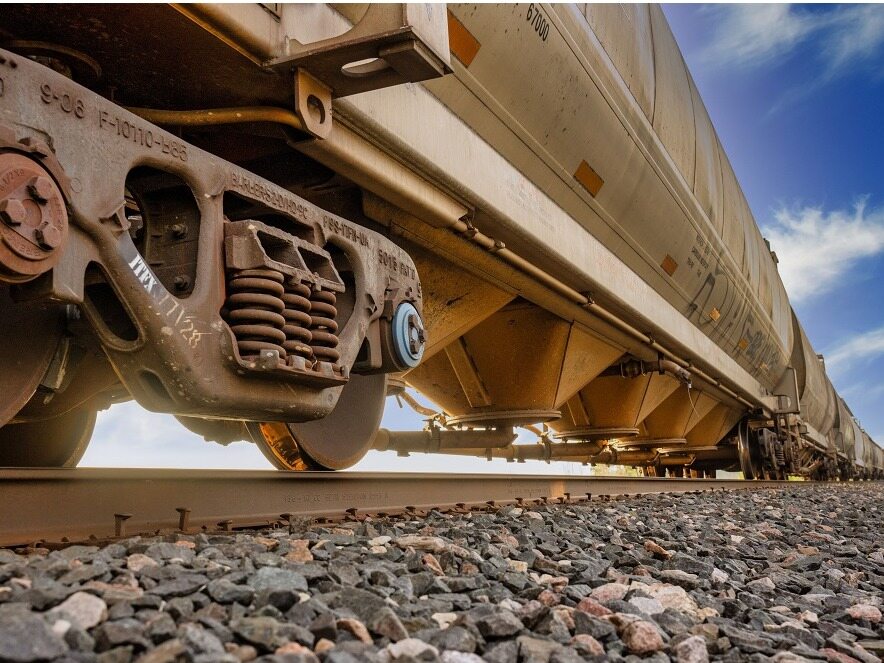
In the early morning of Kampala, a meter gauge truck rolled over an old steel rail, as slow as it was a hundred years ago. The ledger is quite dazzling: out of 47 internal combustion locomotives, only 13 can be put online. To the east, Kenya's standard track is advancing towards the Malabar border, and goods from Mombasa Port are waiting to enter the inland; The old cars here are stuck, and the new line is still waiting for money. According to the International Railway Bulletin, Uganda Railways Corporation (URC) is accelerating vehicle updates and plans to purchase 10 diesel locomotives, 100 freight flatcars, and 22 diesel multiple units, as well as repair existing locomotives and freight cars.
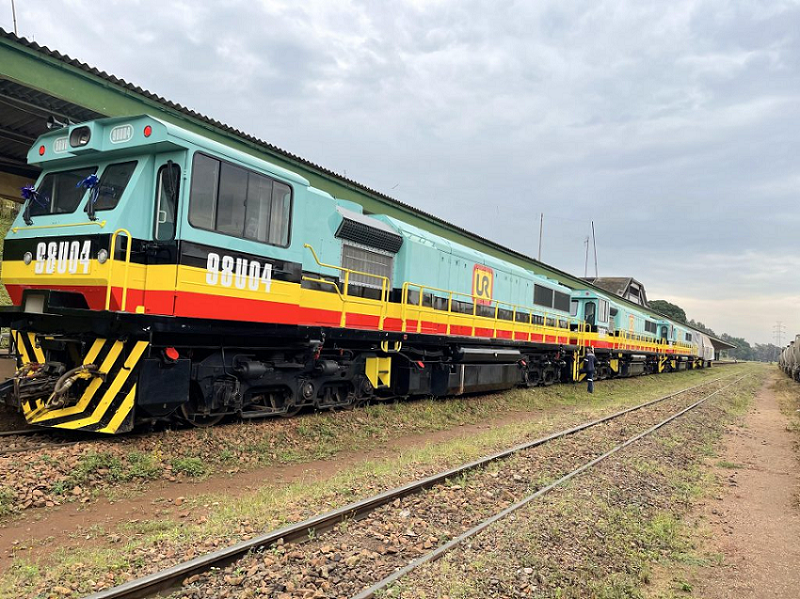
The old car can't run anymore
As of December 2024, URC has 47 diesel locomotives, of which only 13 are operational; Out of 1420 trucks, only 646 are in normal use, accounting for approximately 45%. The available vehicles are concentrated in the core corridor of the Kampala Malaba meter gauge railway, as well as the branch lines connecting the ports along Lake Victoria and surrounding freight stations. The bidding for the procurement, operation, and maintenance personnel training of 10 internal combustion electric locomotives will be launched in early 2025, with funding provided by the African Development Bank. The bidders are Sung Shin Rolling Stock Technologies from South Korea, CRRC Qishuyan Locomotive Co., Ltd., Dalian Lanbo Machinery Manufacturing Co., Ltd., and Shandong International Economic and Technological Cooperation Co., Ltd. from China. No contract has been signed yet. We also plan to purchase 100 new flat cars with foldable guardrails, mainly for transporting steel coils, with support from the African Development Bank.
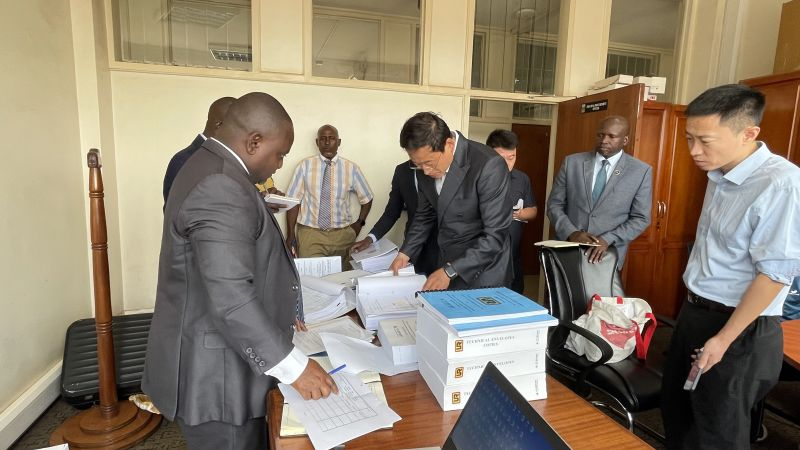
Buy new and repair old
In terms of passenger transportation, URC announced in November 2025 that it will purchase 20 diesel multiple units from CAF Company in Spain, with funding provided by the Spanish government's export credit. Both parties are still in negotiations; Two additional columns are planned to be purchased with funds from the African Development Bank, but have not yet been tendered. Besides new cars, we also need to save old cars. URC engineers introduced that they plan to repair 7 freight diesel locomotives, and their spare parts are no longer available from the market; And repair 300 existing trucks, initiate maintenance bidding in April 2026: repair 100 flat cars, conduct major repairs on 128 flat cars and 72 shed cars, covering vehicle structure, bogie, brake system maintenance and subsequent testing and debugging. Before the standard track financing is in place, repairing old cars is seen as a realistic transition to alleviate transportation bottlenecks.
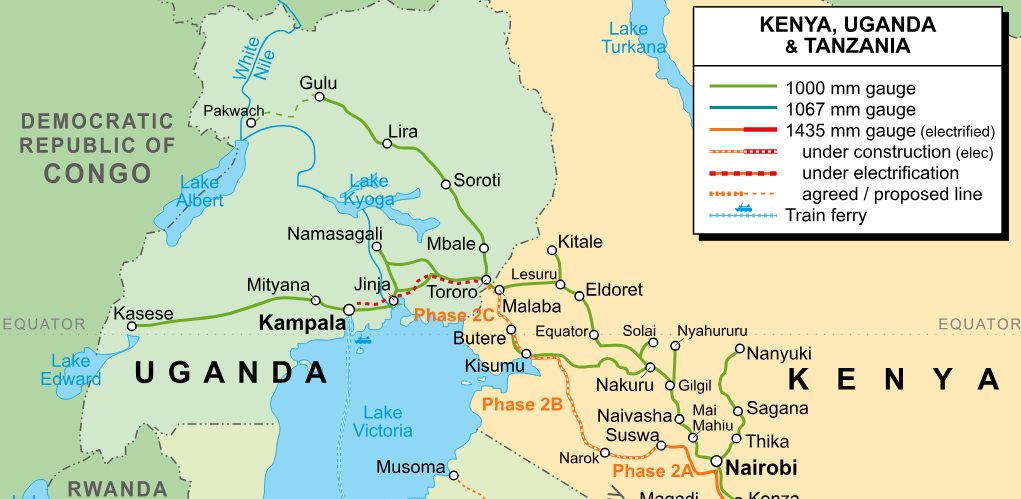
Meter gauge leads to standard gauge
If the car wants to run, the road must pass first. According to a report in 2025, Uganda's meter gauge network operates for only 325 kilometers, accounting for approximately 26% of the total mileage. The Kampala Malaba meter gauge railway will be rebuilt and repaired starting from 2022, with funding including loans from the African Development Bank and export credits from the Spanish government. Some parts have been completed, while others are still under construction or procurement. The Tororo to Gulu Northern Line will begin repairs in August 2023, with a total length of approximately 382 kilometers. URC hopes to reopen by the end of 2026, with an expected annual transportation of at least 500000 tons of goods and resumption of passenger transport. Goods can be transported directly to South Sudan and the Democratic Republic of Congo via railway. The next step is to mark the track: the Kampala Malaba line is approximately 272 kilometers long and runs along the meter gauge corridor, connecting with the 1435mm gauge extension from Kenya to the border and connecting to the port of Mombasa; In March 2026, Uganda also signed a standard track framework agreement with Tanzania, reserving the direction of Dar es Salaam Port. Part of the preliminary project has been initiated with government funds in April 2026, and the main contract is still awaiting financing and delivery. URC engineers have stated that they plan to extend the standard track from Kampala to Kassese in the long term, and then connect it to the borders of the Democratic Republic of Congo and Rwanda. The simultaneous promotion of buying new, repairing old, and wiring will first make the old lines run, and then bring the inland country to the seaside.Editor/Yang Meiling
Comment

 Praise
 Collect
 Comment

 Share


Write something~