 Search


- Amidst the surge in Iraqi crude oil production, the purchasing side of Asian refineries did not perceive significant easing
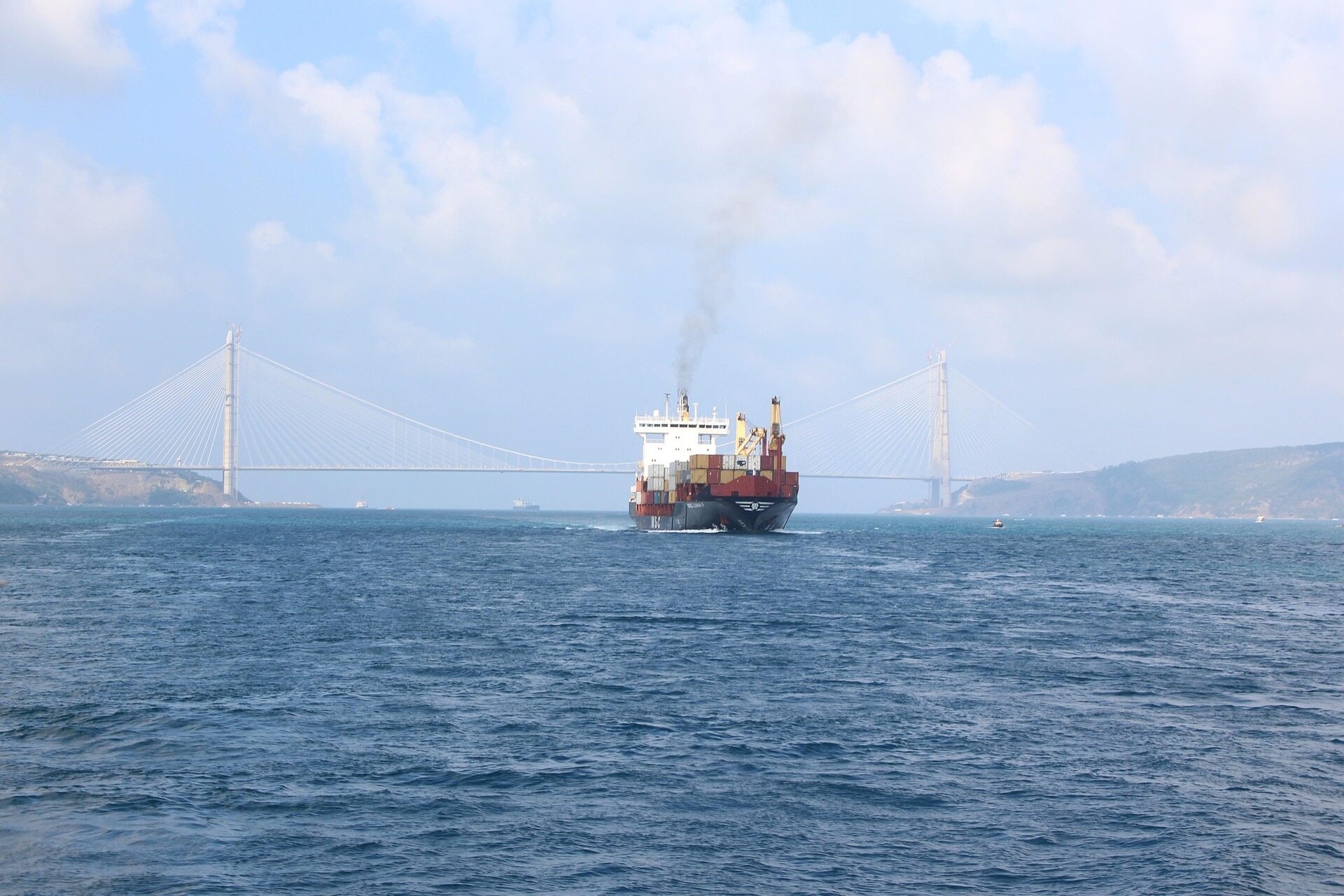
In November 2026, a November arrival schedule from Asian refineries is debunking the illusion of "loose supply" that has been circulating in the crude oil market for days. Iraq's crude oil production in October surged to a new high since 2019, with a monthly increase of 540000 barrels per day. However, the actual increase that can be delivered to Asian refinery terminals is less than 30% of the production increase.
Most of the increment has not flowed out of the country
The monthly reports of the IEA and OPEC are almost perfectly aligned, with Iraq's crude oil production in October being 4.6 million barrels per day and 4.58 million barrels per day, respectively, with a monthly increase of over 500000 barrels per day. The export figures provided by Kpler, which can track the dynamics of global oil tankers, directly squeeze out the "water" of increased production. Iraq's actual crude oil exports in October were only 3.68 million barrels per day, an increase of only 230000 barrels per day compared to the previous month, leaving over 300000 barrels per day of new production, which was not shipped out of the sea at all.

The Kirkuk Ceyhan pipeline in the north has been shut down for over three years, and the daily transportation capacity of 400000 barrels has yet to be restored. The loading capacity of the Basra port in the south has reached the ceiling of 3.8 million barrels per day. Some of the newly added crude oil is sent to domestic refineries for direct processing, some is stored in oil field storage tanks, and some is used to maintain the water injection pressure of the southern oil fields. It has not entered the international spot circulation link from beginning to end.
Strait flow numbers look good
The crude oil transit data in the Strait of Hormuz has been particularly lively recently, with the proportion of small oil tankers with a deadweight capacity of less than 80000 tons surging to 52% in October, and approaching 60% in the first week of November 2026. These small oil tankers loaded their cargo in the strait and then drove to the Gulf of Oman to pour crude oil to the waiting super large oil tankers. This relay mode made the transit flow figures in the strait appear to have increased significantly, but the final tonnage of crude oil transported to Asian ports did not keep up with the pace.
The unit freight cost of small oil tankers is much higher than that of super large oil tankers, and the additional cost of two loading and unloading transfers is ultimately added to the landed price of Asian refineries, directly eating up all the space for narrowing the basis that should have been brought about by increased production. Almost all of the new production added by Saudi Arabia and Kuwait in October was used to fulfill long-term agreements and did not flow into the spot market. The final schedule data for Asian refineries in November showed that the arrival volume of Iraqi crude oil at the port only increased by 180000 barrels per day compared to the previous market expectation of 540000 barrels per day. This seemingly massive increase in Gulf production actually resulted in a much smaller increase in the spot market than anyone expected.Editor/Cheng Liting
Comment





 Praise
 Collect
 Comment

 Share


Write something~