 Search


- Kazakhstan is transforming its transit channel advantages into local manufacturing capabilities
- Synchronize the implementation of fleet updates and logistics upgrades
Just after daybreak, a heavy load motorcade has lined up on the road in the direction of Khorgos. Drivers on the Central Asian Highway are most afraid of two things: an old truck breaking down halfway, and an imported accessory waiting for several weeks. The highways here connect the transit freight flows from western China to Europe via Almaty and the Caspian Sea, and the Shuangxi Highway and the Middle Corridor have continued to increase in freight volume in recent years.
A car needs to be able to run, but it also needs to be built and repaired quickly. The news on November 17, 2026, came from a government meeting: Prime Minister Orzas Bektenov put the list of truck brands on the table.
Corridor breeds new cars
Bektenov stated that the government is improving its logistics capabilities and updating the fleet of local transportation companies by introducing international heavy vehicle manufacturers and promoting local production localization. This is in line with the transportation layout in the past two years: Kazakhstan is promoting new railway lines, expanding port capacity, and the expected transit transportation volume continues to increase. Kazakhstan and Ukraine are also pushing to expand the freight scale of the intermediate corridor.
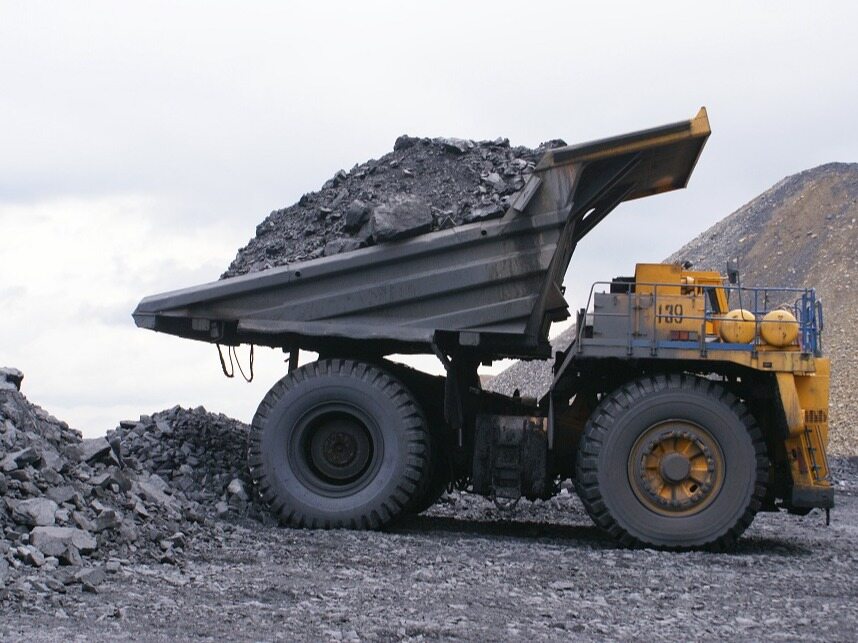
The busier the passage, the more the convoy needs to change blood. The average age of vehicles in use in the local area is relatively long, and European second-hand heavy trucks have long been the backbone. Volvo has accumulated a considerable number of vehicles through its after-sales network.
The brand is locally made, with shorter delivery times and more stable costs, and the product can also enter the surrounding market in a timely manner.
Brand queuing and landing
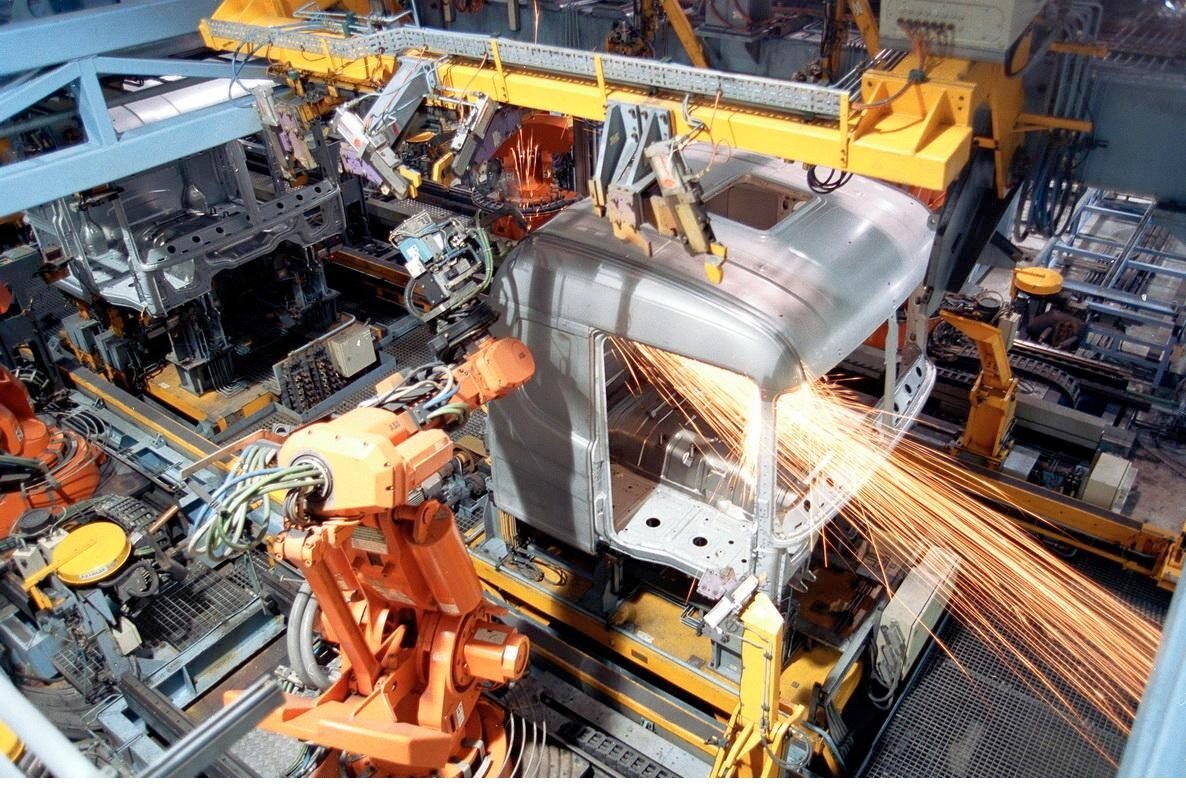
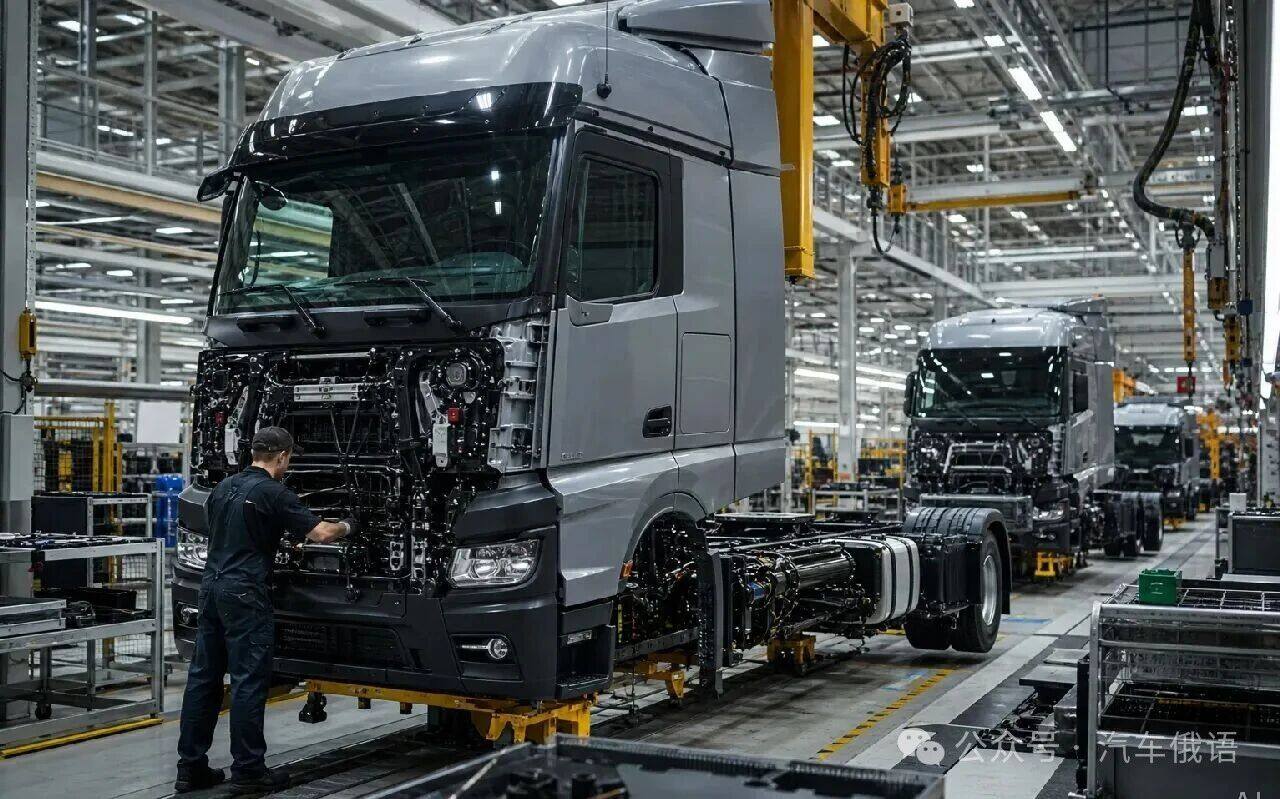
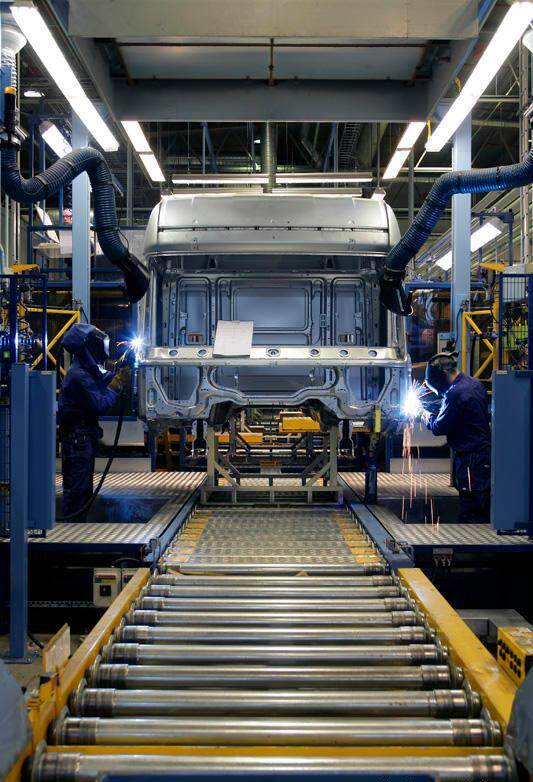
Kazakhstan has already achieved production of HOWO, SITRAK, and Scania trucks, and is currently increasing the proportion of local components. The path is not starting from scratch: the Sino Kazakh joint venture factory in Saran City, Karaganda Oblast has an annual production capacity of up to 10000 units, covering HOWO trucks, equipped with the country's first cathodic electrophoretic metal processing line, and plans to use domestic Qarmet galvanized steel body parts. It is expected to create up to 1000 jobs at full capacity.
Almaty has gathered multi brand assembly capabilities, and the annual production of 120000 vehicles invested and built by local enterprises is driving the clustering of component enterprises.
Bektenov said that the country plans to start production of Volvo trucks in Almaty by the end of 2026, and negotiations with Mercedes are still ongoing in the direction of localizing heavy trucks. The Premier emphasized that the localization project of international automobile brands must be promoted according to plan and put into operation on schedule.
Supporting facilities go deeper
Rolling out the entire vehicle is just the first step. At the government meeting in July this year, Bektenov requested relevant departments to clarify the plan for adding new production capacity for automotive parts within one month, expand the production of specialized steel, rubber, plastics, cables, and other supporting materials for automobiles, rely on domestic copper, aluminum, and chromium resources to develop deep processing, gradually form an automotive industry cluster, and strengthen automobile import supervision from September 1st.
By 2025, the country's motor vehicle production will reach 171000 units, with plans to increase to 190000 units by 2026. The shortage of domestically produced raw materials and components remains the main constraint.
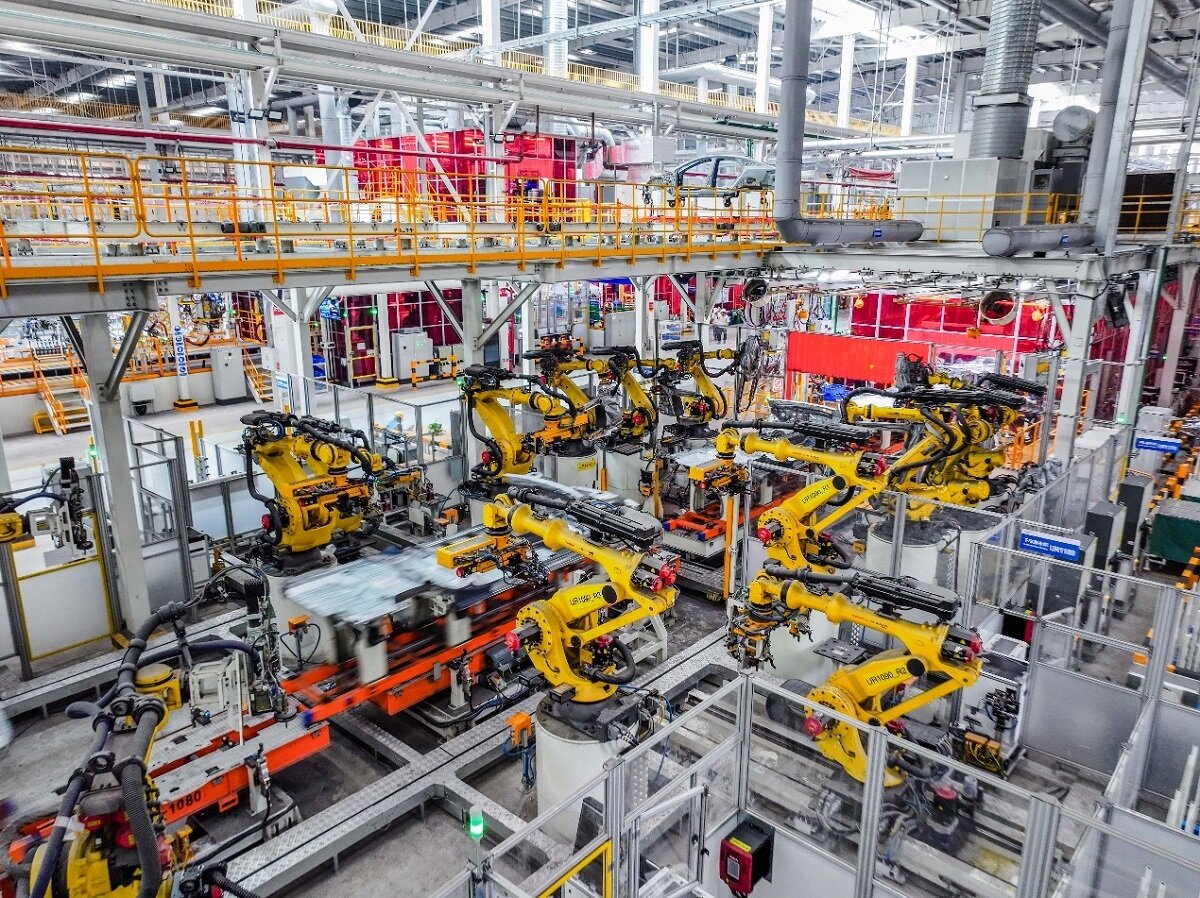
The same logic also applies to oil and gas equipment: previously, it was reported that Kazakhstan will build 15 new production facilities for the oil and gas industry; The total investment of the relevant plan is 37.7 billion tenge, and 10 similar facilities have been built and more than 350 jobs have been created from 2022 to 2025.
From heavy trucks to oil and gas equipment, the goal is to keep transit traffic and resource endowments in the domestic workshop.
For Mercedes Benz, this is still an undecided negotiation; For Kazakhstan, for every additional brand on the list, there is an additional process in the workshop and an additional option for the transportation company. The wheels rolling through the corridor should not only leave tire marks.Editor/Yang Meiling
Comment


 Praise
 Collect
 Comment

 Share


Write something~