 Search


- APEC meeting in Shenzhen to discuss new opportunities for connectivity

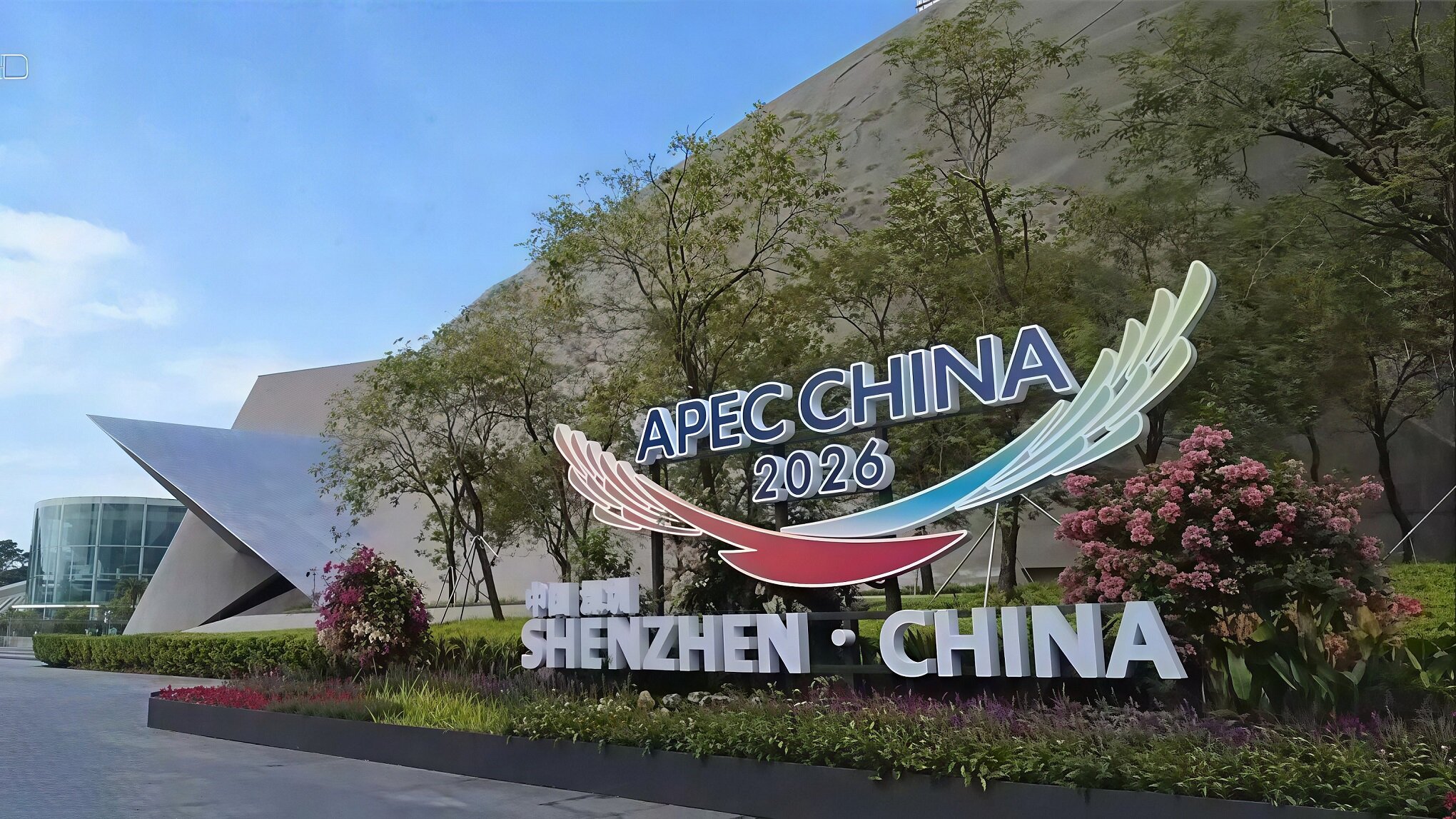
On November 18, 2026, Mr. Lin, the head of a small and medium-sized enterprise in Shenzhen that exports smart homes, opened his computer to check the trajectory of goods sent to Chile. In the past, he was worried about long shipping cycles and slow customs clearance, but now the direct shipping route from Shenzhen to some ports in South America makes him dare to take orders further away. On the same day, the 33rd APEC Leaders' Informal Meeting was held in Shenzhen, focusing on building the Asia Pacific Community and promoting common prosperity. All parties put logistics connectivity and supply chain coordination on the table. For companies like Mr. Lin, the signal released by the meeting is very real: the door to the Asia Pacific market is opening wider and wider, goods are moving more smoothly, and orders are daring to take longer.
Expected growth in the Asia Pacific market
According to the conference scheduled for November 18-19, 2026, the Asia Pacific region remains the main engine of global economic growth. The Chinese economy will maintain a growth rate of 4.6% in the first three quarters of 2026, and new quality productivity and green transformation will continue to advance, providing certainty for regional growth. Customs data shows that in the first 10 months of 2026, China's imports and exports to other APEC economies amounted to 27.08 trillion yuan, a year-on-year increase of 25.4%, accounting for 60.4% of China's total import and export value. China achieved double-digit growth with 14 out of 20 other APEC economies. By 2026, China and APEC economies will achieve nearly 50 practical economic and trade achievements, of which 25 will be in the fields of trade digitization and artificial intelligence. The market is expanding, rules are being adjusted, and enterprises are facing a more active but also more demanding Asia Pacific.
The logistics channel becomes smoother and smoother as it goes
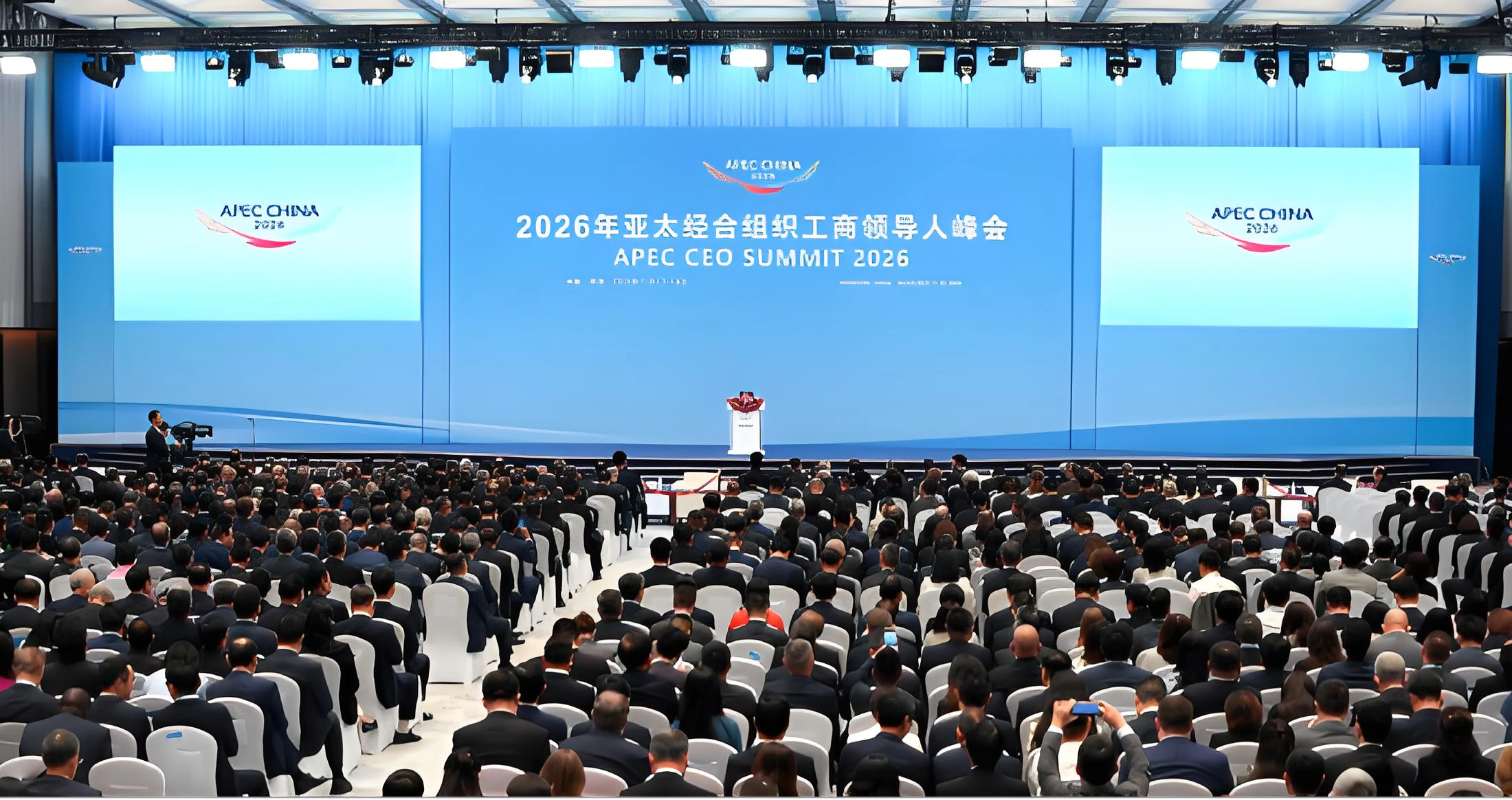
The decrease in regional logistics costs and the improvement in customs clearance efficiency are changing the flow of goods. The direct shipping route in South America has reduced the sea freight time between China and Peru from 35 to 40 days to 23 days, reducing logistics costs by more than 20%. In the first nine months of 2026, related port ship operations increased by 31% year-on-year, and container throughput increased by 47%. The speed of Peruvian avocado, blueberry and other agricultural products entering the Chinese market has accelerated. As of August 2026, Peru's exports of non-traditional products to China reached 955 million US dollars, a year-on-year increase of 10%. When reviewing the changes in connectivity over the past 12 years, Singaporean shipping industry insiders mentioned that the Asia Pacific routes have become more encrypted and two-way flow has been smooth, benefiting both producers and consumers. Six of the top ten container ports in the world are located in China, and China's value as a two-way import and export hub is being valued by more companies. United Parcel Service has increased its investment in seven APEC member economies, and the annual cargo handling capacity of the new air freight center in Hong Kong will approach 1 million tons after it is put into operation in 2028. The denser the channel, the greater the room for enterprise production scheduling and delivery. Keywords: strategic news and information, macro, logistics, interconnectivity
Digital supply chain reduces costs and increases efficiency
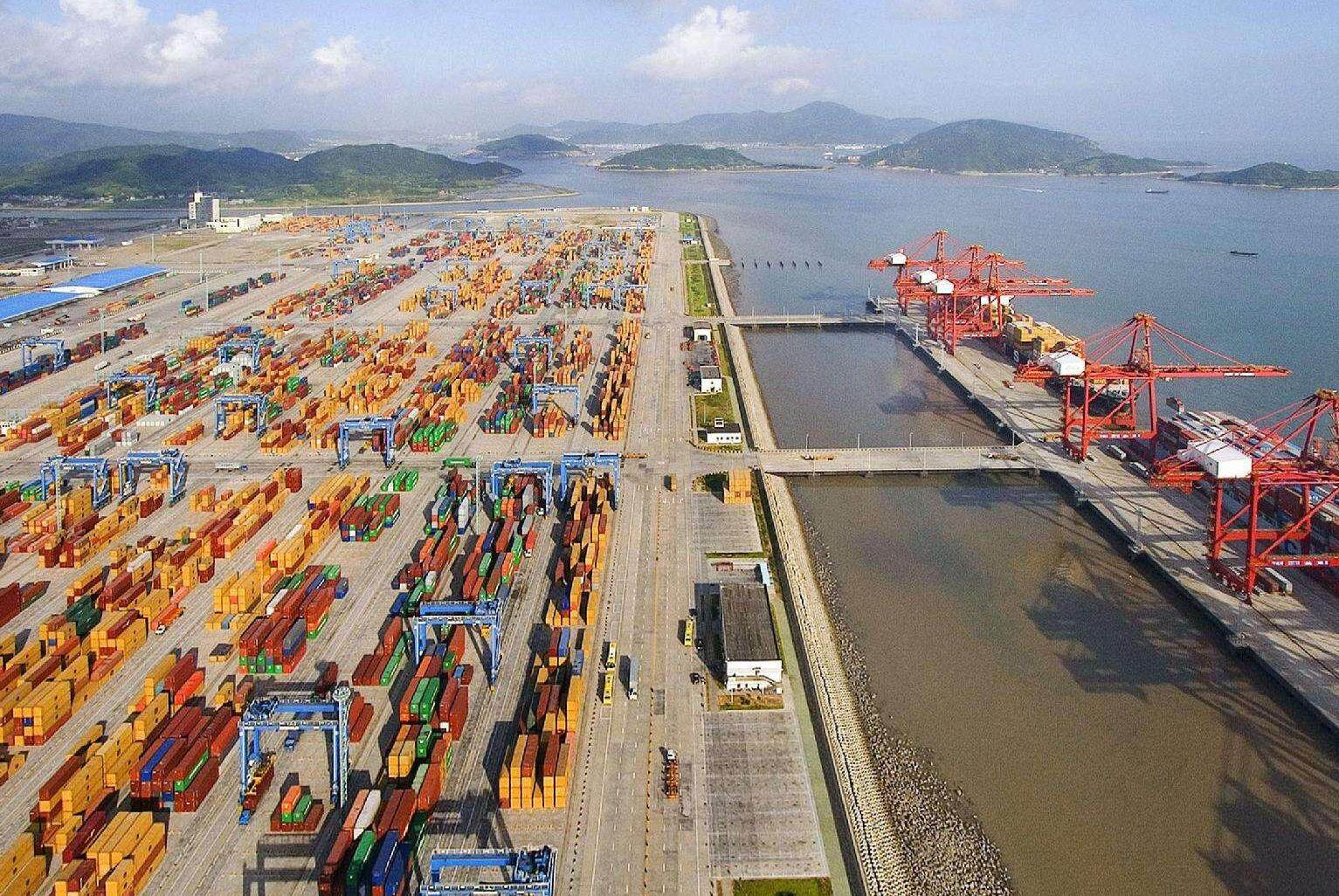
Supply chain collaboration has shifted from hardware connectivity to rule-based and digital integration. In 2026, various parties put forward a series of initiatives around trade digitization, artificial intelligence, electronic bills of lading, digital services, and cross-border e-commerce. China will take the lead in promoting the formulation of a framework for trade digitization cooperation, and the Asia Pacific Demonstration Electronic Port Network will once again expand its membership, covering 26 ports or electronic ports in 13 economies. In the pilot program, import and export trade data can be entered in one go and reused in multiple ways, reducing customs declaration costs by 66% and shortening customs declaration time by nearly 50%. China announced the provision of $20 million to support APEC practical cooperation, establish an Asia Pacific Community Research Center in Shenzhen, and set up cooperation institutions in fields such as digital technology, cross-border data flow, clean energy, and small and medium-sized enterprise development. Thai business professionals believe that the rapid iteration of artificial intelligence and digital technology is the trend, narrowing the gap between large and small enterprises in accessing information, and promoting alliance cooperation and complementary advantages. For exporters like Mr. Lin, every step saved in digital customs clearance and electronic documents leads to faster capital turnover. The stability of the Asia Pacific supply chain ultimately depends on the timely delivery of every shipment.Editor/Gao Xue
Comment





 Praise
 Collect
 Comment

 Share


Write something~