 Search


- The South to North Water Diversion Project has entered the era of intelligent operation and maintenance
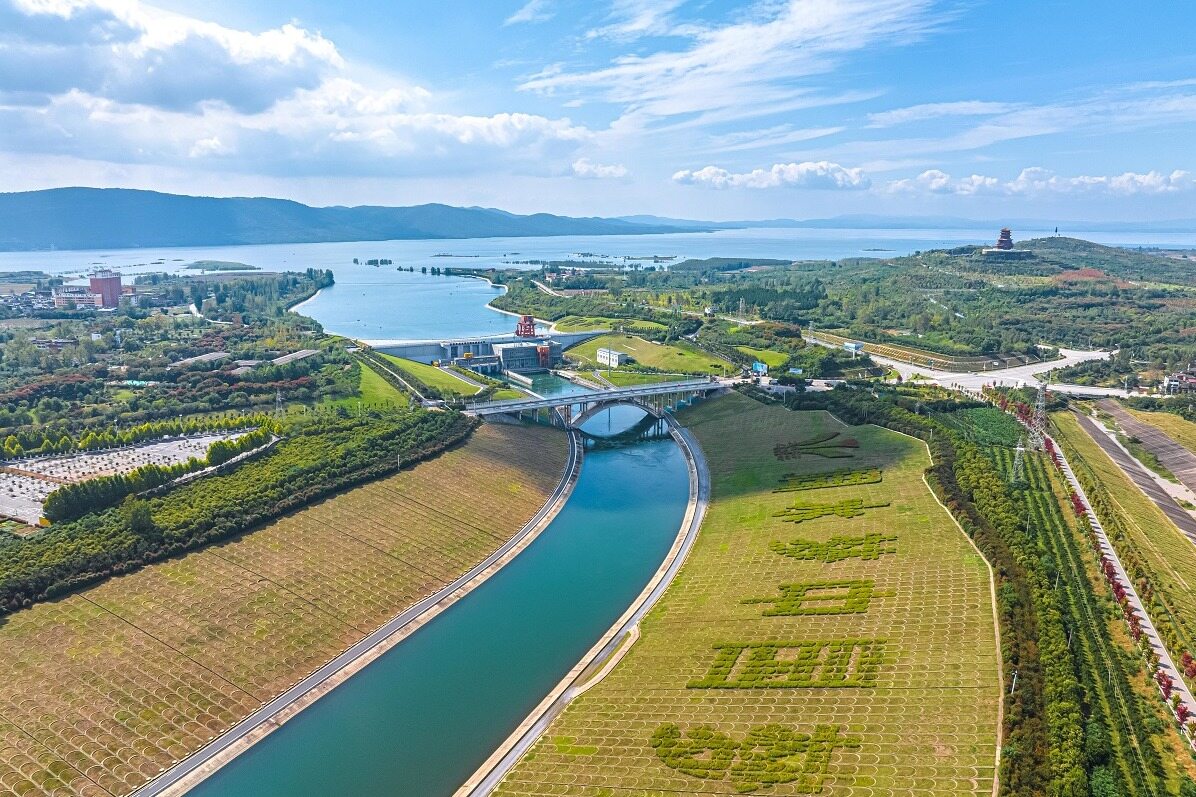
On November 21, 2026, the cumulative water transfer volume of the first phase of the East Middle Route of the South to North Water Diversion Project officially crossed the critical threshold of 92 billion cubic meters. This number is equivalent to the water storage capacity of 6500 West Lakes, transported over thousands of miles from the Yangtze River to the North China region, directly supporting a GDP growth of over 19 trillion yuan in the northern region, and effectively transforming the water resource advantage of the south into the development confidence of the north.
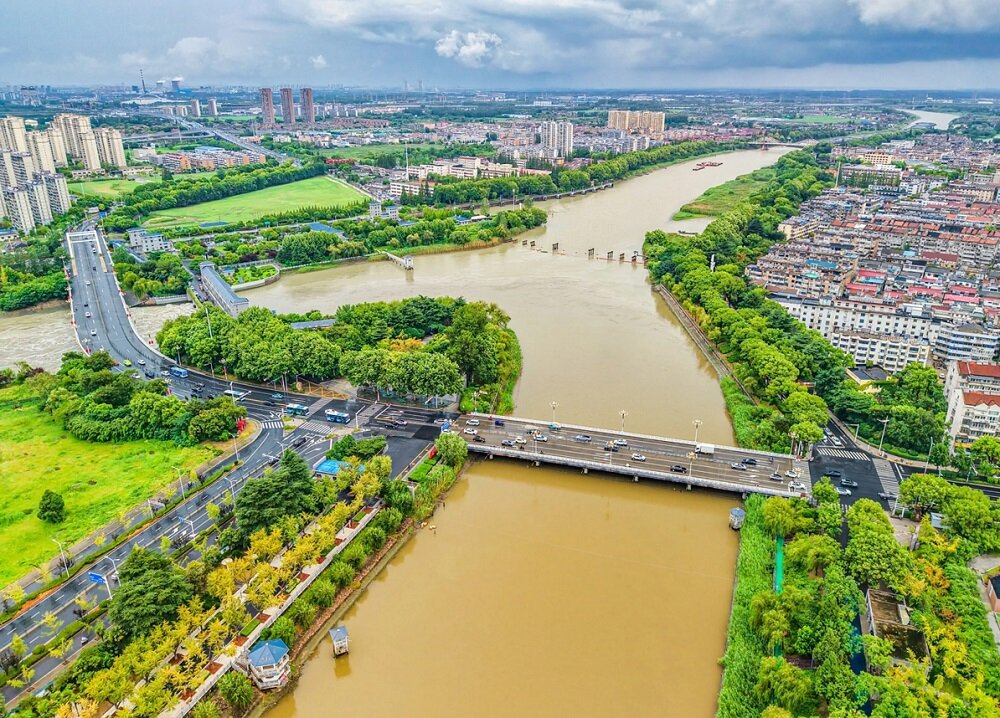
Continuous upgrading of engineering value
As of November 2026, the first phase of the East Central Line project has steadily covered 48 large and medium-sized cities along the route, and nearly 200 million northern residents' daily drinking water directly relies on this cross river waterway. The 45 billion cubic meters of newly added water diversion during the 14th Five Year Plan period has enabled over 52 million previously uncovered people to use stable and better tasting external water for the first time. The high fluoride and brackish water in Heilonggang, Hebei Province has completely withdrawn from the daily water tanks of local residents.
The effect of ecological water replenishment is visible to the naked eye. As of November 2026, a total of over 13.1 billion cubic meters of ecological water replenishment has awakened more than 50 rivers and lakes that have been cut off for many years. The Beijing Hangzhou Grand Canal has been fully connected for five consecutive years, and the water surface of Yongding River and Hutuo River has widened year by year. The bird population in wetlands along the line has doubled in ten years.
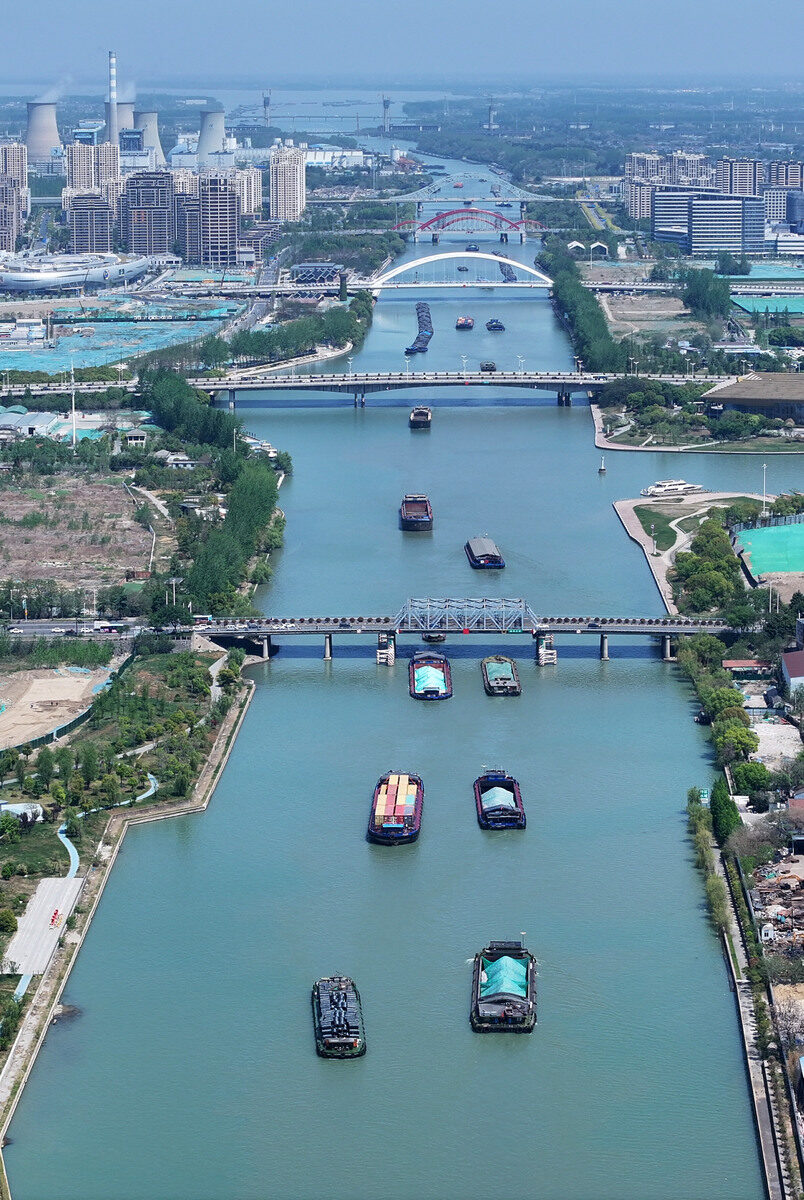
The precision of the millennium water pulse operation has reached a new level
Now the entire project has deployed an intelligent control network, with every hard rock excavation machine, every canal head, and every section of the water supply main canal connected to a digital monitoring system. 9100 equipment parameters are synchronized in real time to the dispatch center, and risk warnings are advanced to the millisecond level. This "north-south river" that has been running for many years is becoming safer, more efficient, and more sustainable through digital technology.Editor/Cheng Liting
Comment



 Praise
 Collect
 Comment

 Share


Write something~