 Search


- The rebuilt Jishtkopeik Port has been put into use, directly reducing cross-border commuting time by nearly half

On November 24, 2026, on the border road between Turkestan Oblast in Kazakhstan and Syr Darya Oblast in Uzbekistan, many truck drivers who had been traveling on cross-border routes for many years received the same message: the Jishtkopeik port, which had been closed for nearly two years, will officially resume passenger traffic at 16:00 local time on November 25. Many experienced drivers remember that in the days when they didn't have to take long detours, this route could save them more than three hours of wasted time.
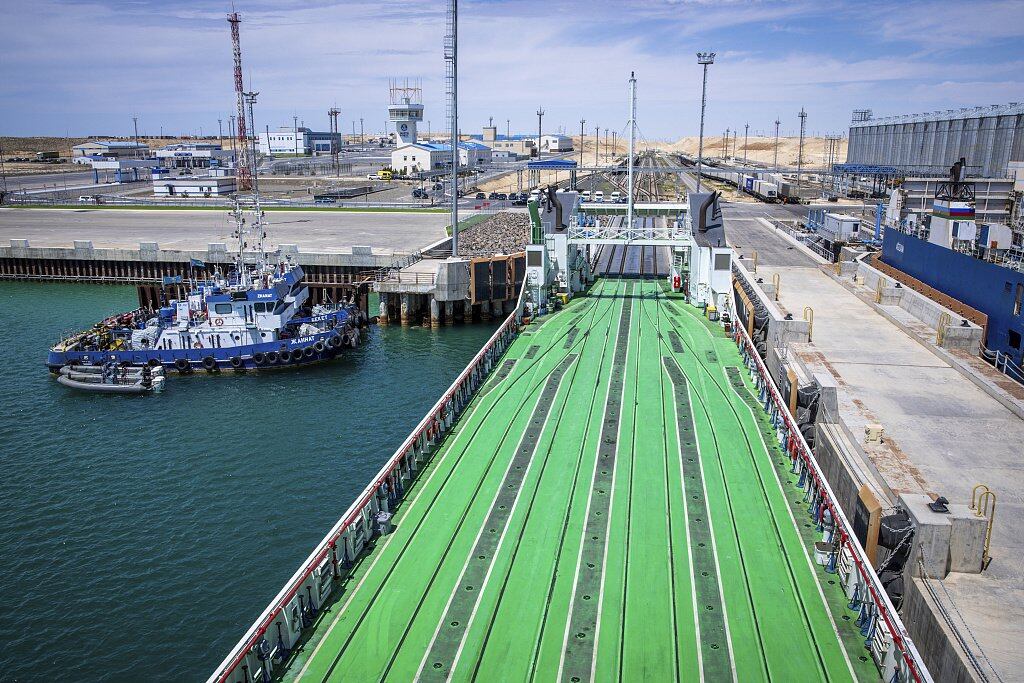
The central border checkpoint has been completely cleared
In the past two years, all passenger and cargo flows on the border between Kazakhstan and Ukraine could only squeeze through the ports on both sides. During peak hours, the length of truck queues exceeded 40 kilometers, and many cross-border commuters could only leave two or three hours in advance to clear customs. After the two countries simultaneously completed the reconstruction of all ports, new inspection channels, waiting areas, and supporting facilities were put into use, and the traffic gaps in the central border were directly filled.
Before the reopening of the port, the daily average number of trucks passing through the Harbin Urumqi border had increased from 1165 in 2021 to 3130 in 2026. The newly rebuilt port will directly divert a large number of passenger and short distance cargo flows that originally bypassed the ports on both sides, reducing the time cost of cross-border commuting and short distance business trips by nearly half. The phenomenon of long queues during peak hours will become a thing of the past.
Add another core hub to cross-border circulation network
After the resumption of passenger traffic at the new port, the two countries will continue to upgrade their freight functions as planned and directly connect to the main network of cross-border road transportation in Central Asia. Previously, the cross-border freight volume of Uzbekistan through Aktau Port in Kazakhstan has increased by 60% year-on-year in the past two years. After the new port is put into operation, Uzbekistan's goods can be more smoothly connected to the public rail intermodal network in Kazakhstan, further improving the transit efficiency of cross-border transportation. Keywords: Cross Caspian Sea freight, port construction
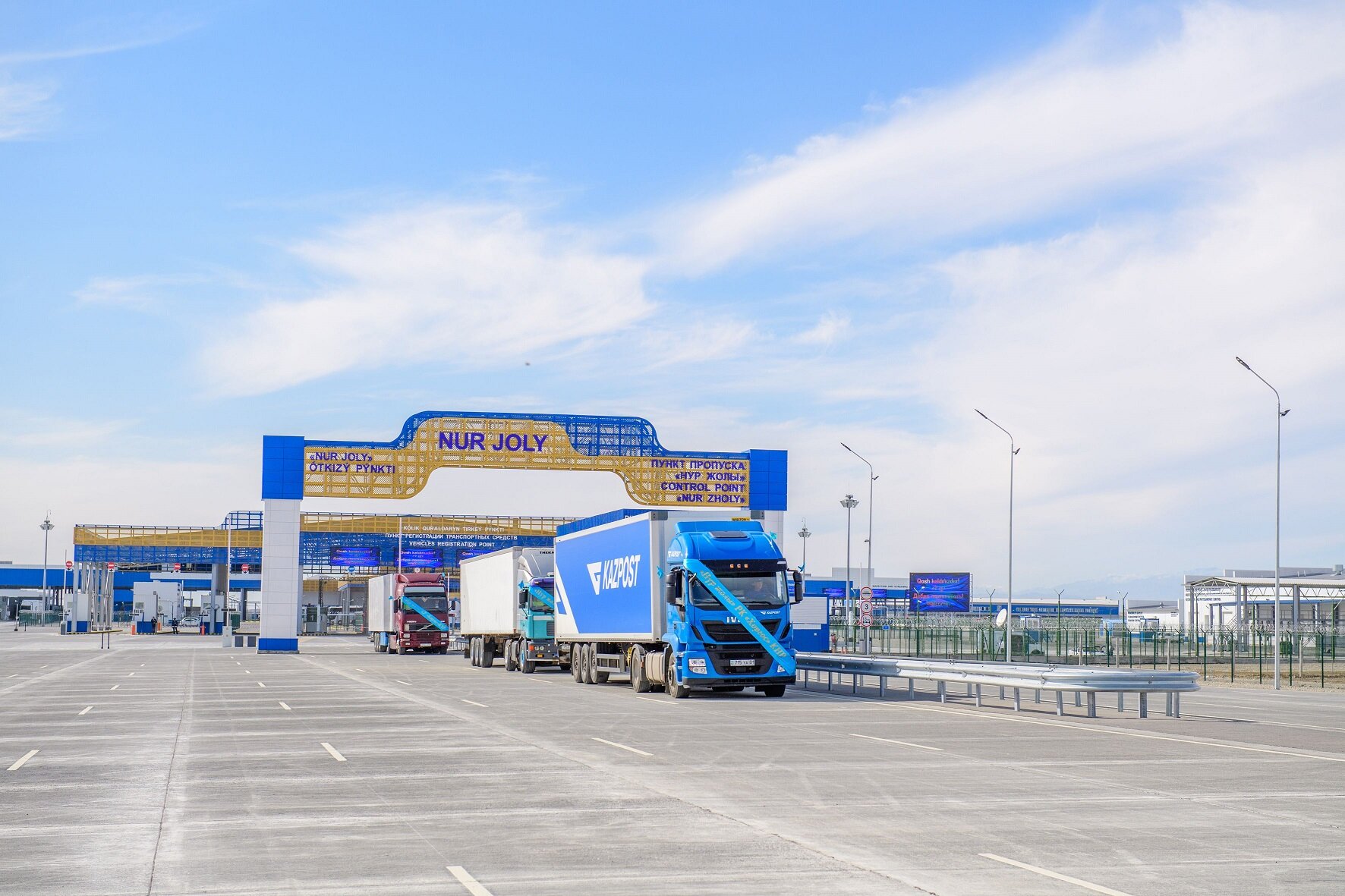
The reopening of this Silk Road port has further strengthened the southbound connectivity of the Central Corridor, making the flow of people and goods between inland Central Asian countries more diverse, and avoiding large-scale traffic blockades caused by temporary restrictions on a single port. The commercial outlets, tourism facilities, and service industries around the border of the two countries will also rely on the newly released passenger flow to usher in new growth windows, and the economic vitality of the border area will be further activated.Editor/Cheng Liting
Comment







 Praise
 Collect
 Comment

 Share


Write something~