 Search


- Adjustment of source structure brings differentiated opportunities for bulk carriers of different tonnages
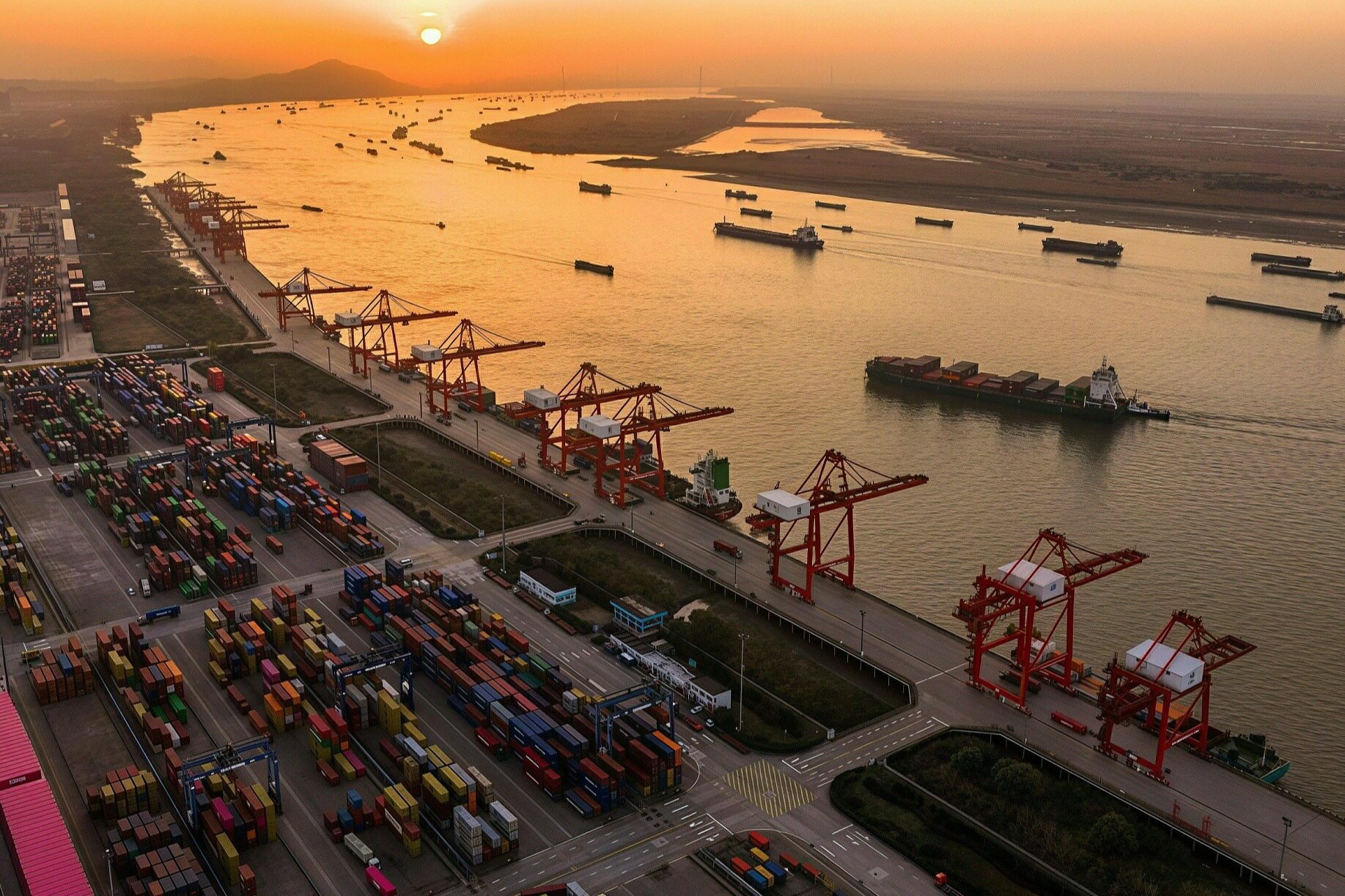
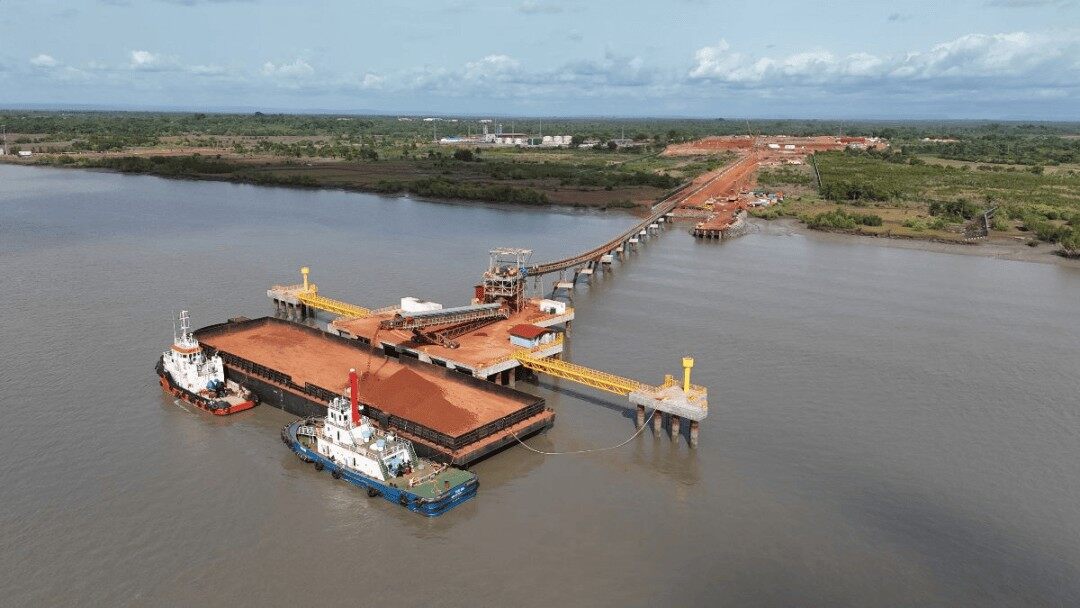
China, which has long been regarded as a global buyer of dry bulk cargo, is quietly turning around. When the domestic real estate chain cools down, cement, clinker, and industrial products begin to flock to overseas ports; At the same time, Guinea's bauxite mines are filling large bulk carriers along the ocean route. The underlying logic of dry bulk shipping is being rewritten between entry and exit.
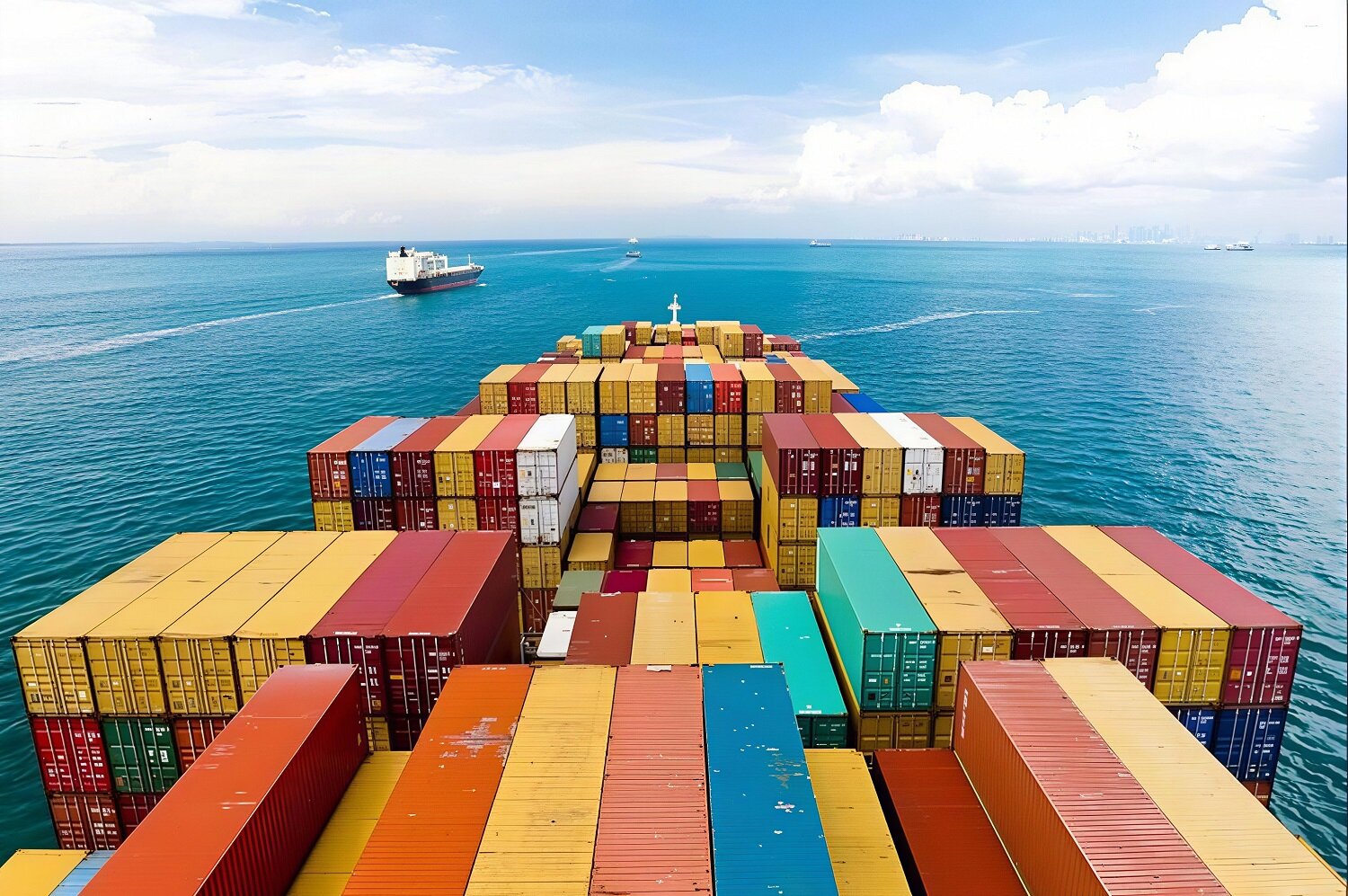
China's impact on the global dry bulk shipping market is undergoing a structural transformation. According to the weekly report of BRS Shipbrokers on October 29, 2026, the export volume of China's related sea freight in the first three quarters increased by 18.5% year-on-year, with the new cargo volume exceeding the import increment. The export of industrial products supported the supply of small and medium-sized bulk cargo ships, while the import of bauxite drove the transportation of large ships. The trend of freight rates is still constrained by routes, fleets, and delivery rhythms.
Export increment exceeds import
In the first three quarters of 2026, China imported approximately 1.74 billion tons of dry bulk cargo and exported 229.3 million tons, with an increase of 35.7 million tons in exports, exceeding the import increment. Compared to the same period in 2024, the export growth rate is significantly higher, and the focus of new transportation demand is gradually shifting towards outbound cargo sources, changing the logic of ship unloading and voyage arrangements.
Change of cargo types and differentiation of ship types
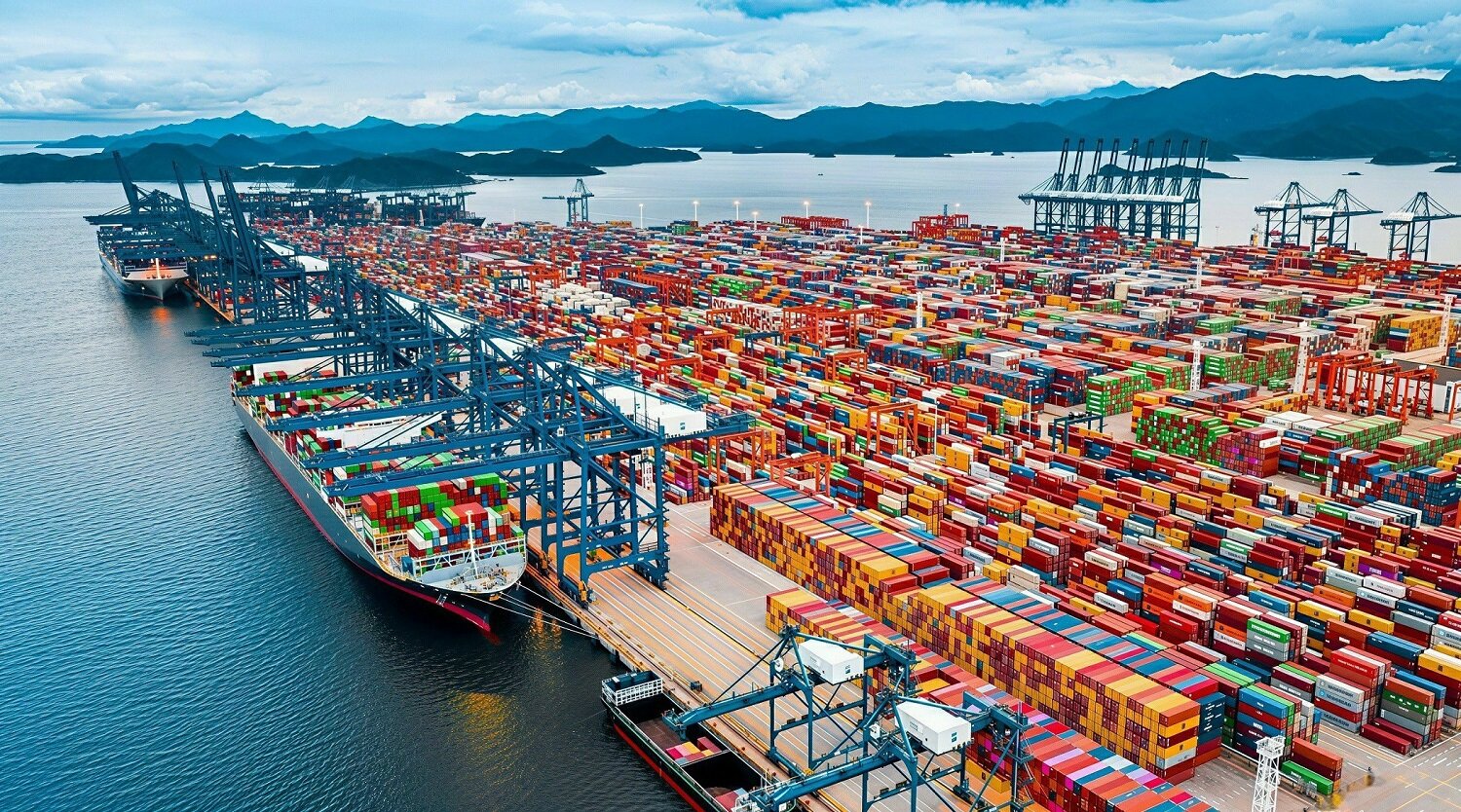
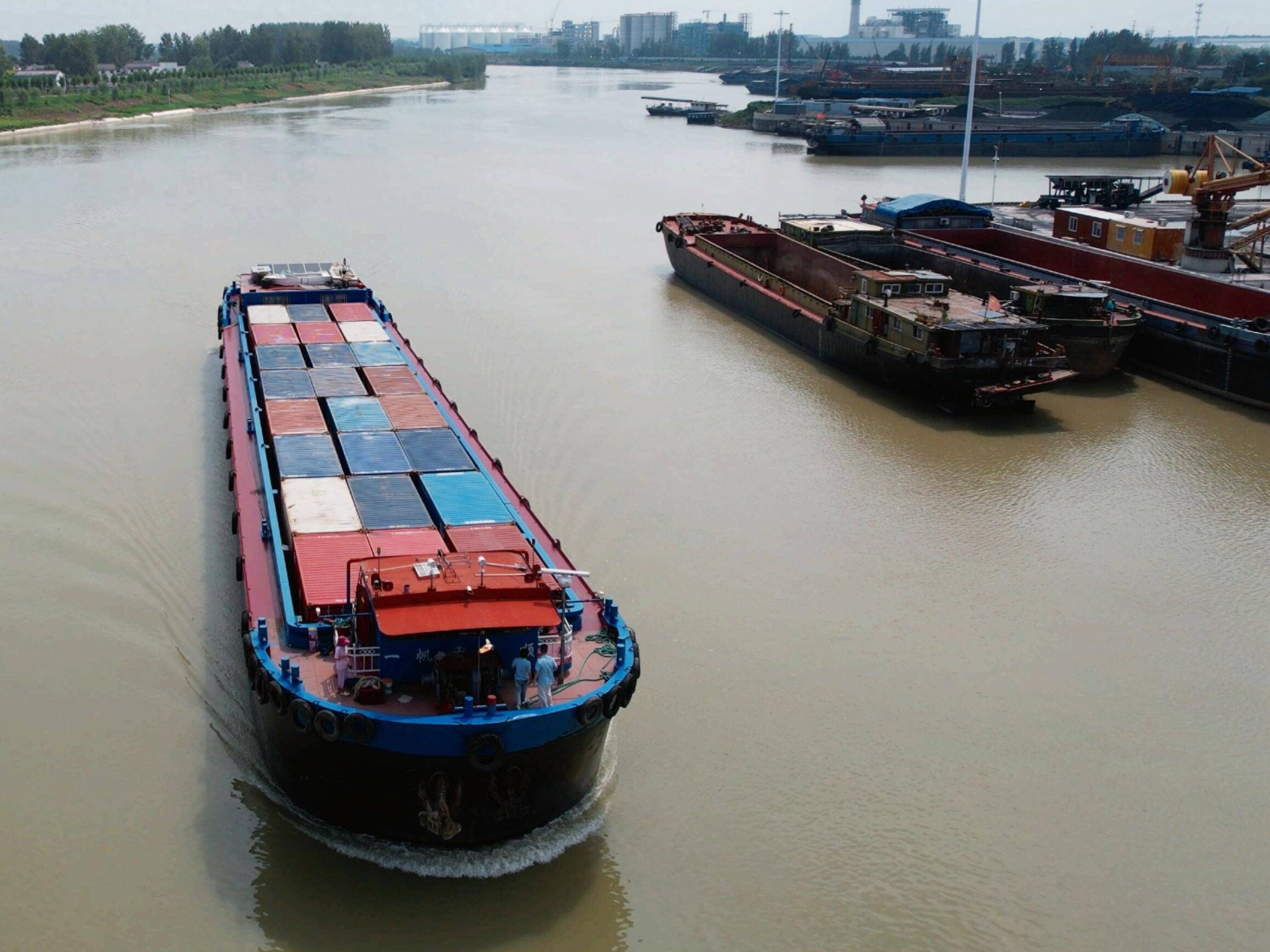
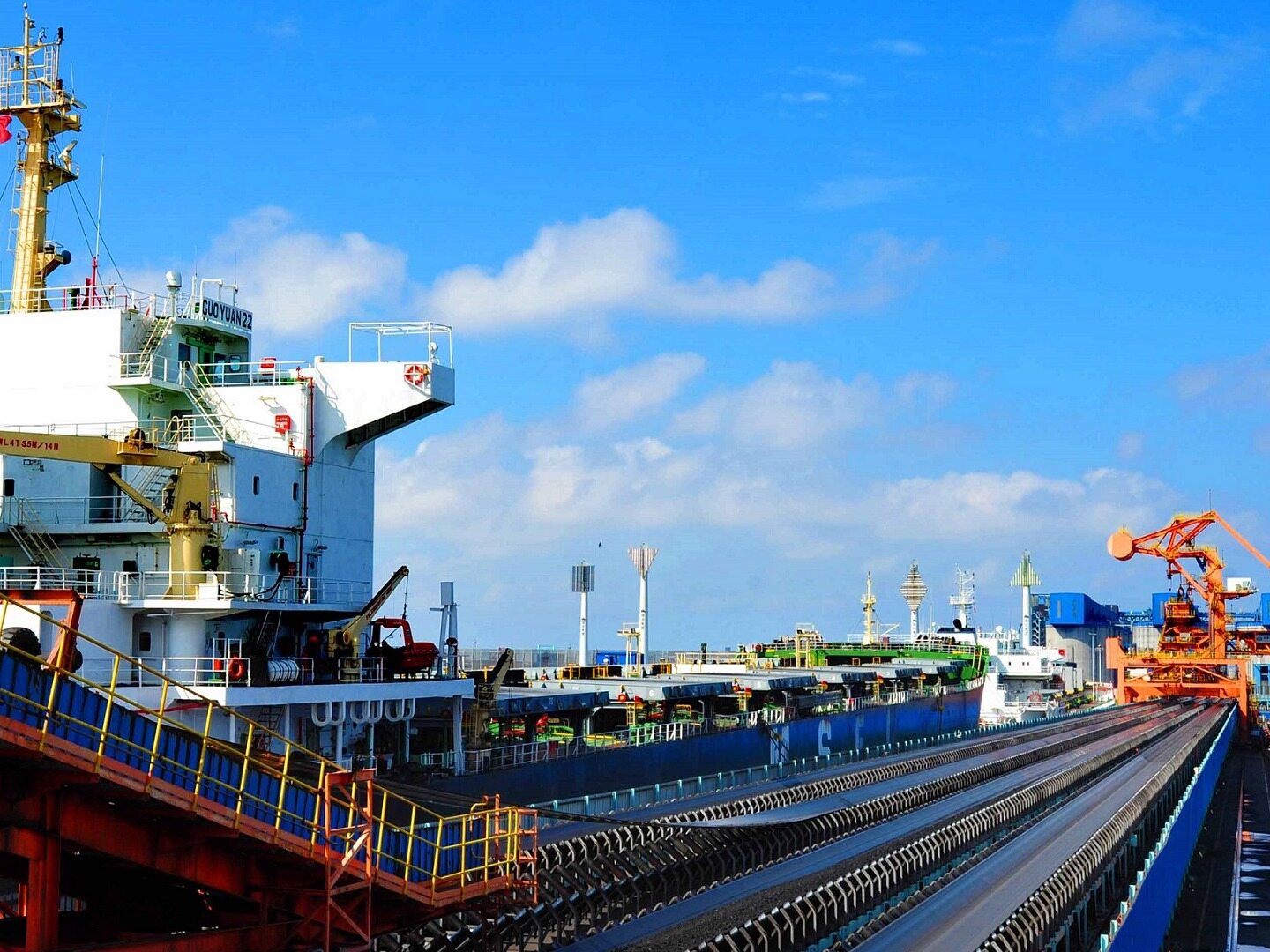
The increment of cement clinker has exceeded that of steel exports, becoming a new driving force for growth. The main source of export goods is to supply 25000 to 68000 tons of self lifting small and medium-sized bulk carriers; The import increment is highly concentrated in large ships, with bauxite contributing 58% of the import increment, and the transportation fleet continues to develop towards large-scale. Keywords: dry bulk shipping, export increment, ship type differentiation, bauxite mine
Prudent analysis and judgment of global calculation
The change in China's cargo volume will bring chain effects, and exported goods may replace local overseas production capacity, changing the global demand for raw material transportation. The ability to undertake overseas markets and the pace of new ship deliveries will affect whether the source of goods dividends can be converted into stable income. Different ship types need to closely monitor the corresponding industry chain dynamics.Editor/Gong Ziwei
Comment



 Praise
 Collect
 Comment

 Share


Write something~