 Search


- Open up the East African export track for domestic cement supporting enterprises
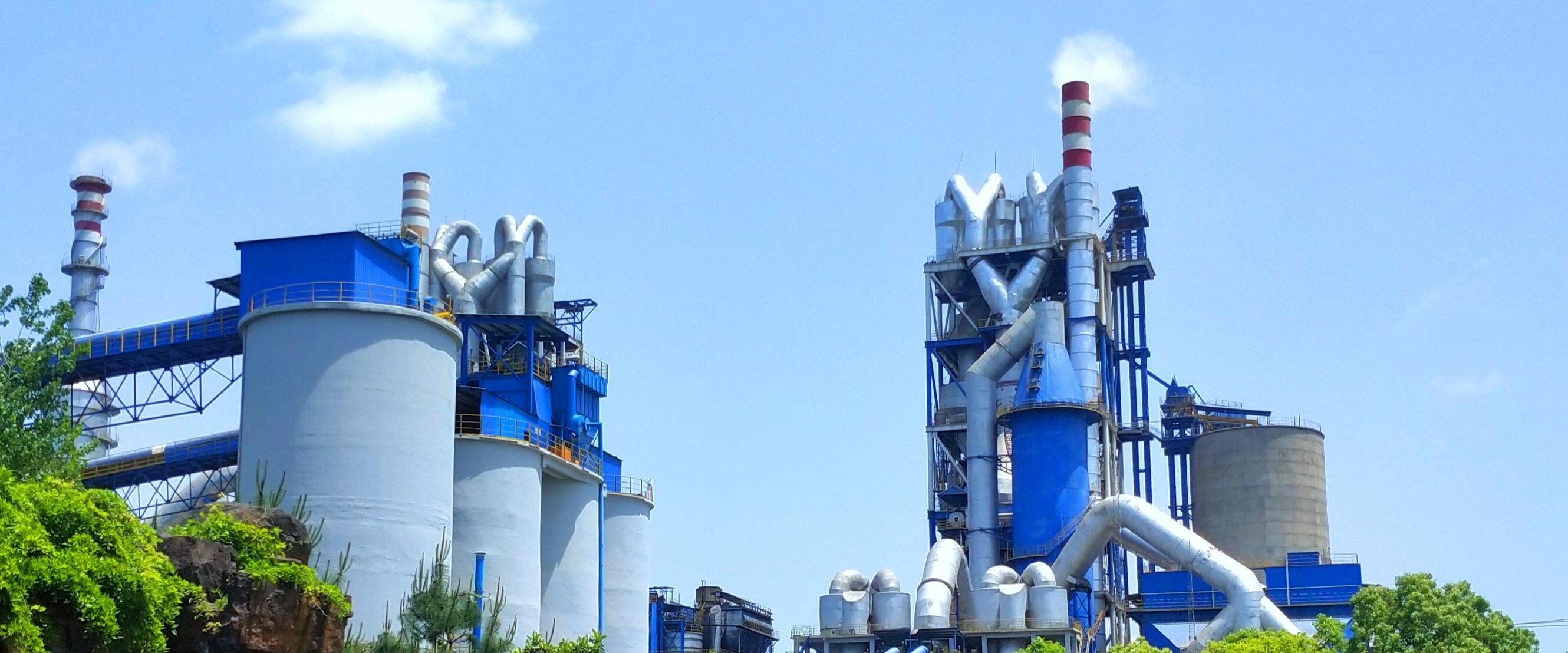
Kenya's infrastructure construction continues to advance, and the demand for cement in the market is strong. However, the local clinker production capacity is insufficient, and it has long relied on importing clinker from Pakistan, Vietnam, and the United Arab Emirates. The local government supports the local manufacturing industry through tariff policies, retaining industrial value and saving foreign exchange. Bamburi Cement has launched the Matuga clinker project, which will be implemented by China National Materials Construction using an EPC turnkey general contracting model. The project will be signed in December 2025 and officially enter the implementation phase after 11 months. The production line is equipped with a six stage preheating and pre decomposition system, carbon neutral technology, and alternative fuel system, which can burn coconut shells, cashew shells, and urban household waste. While expanding production capacity, it also practices low-carbon production. The project will drive more than 10000 direct and indirect employment opportunities in the local area.
Capacity upgrade
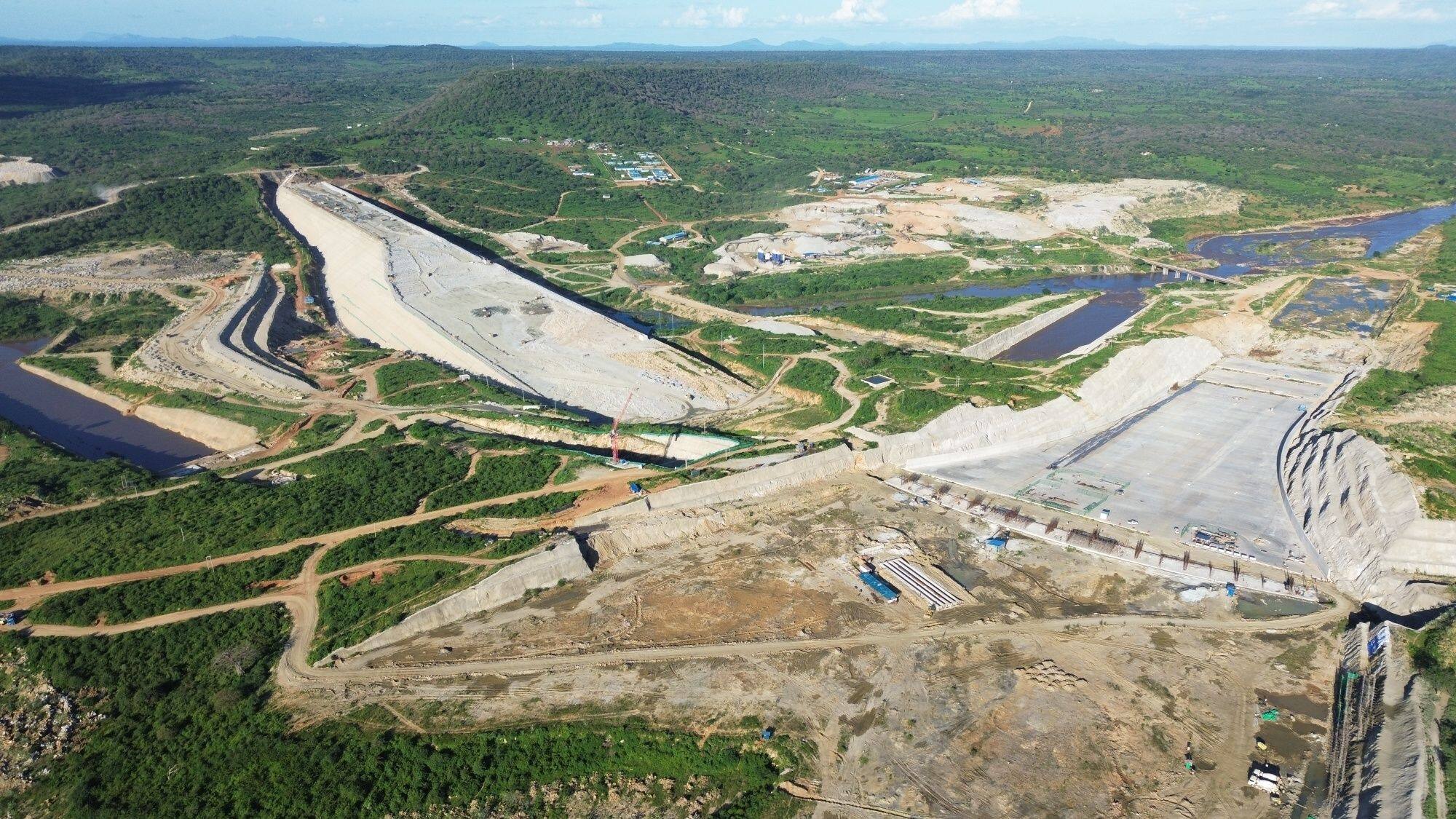
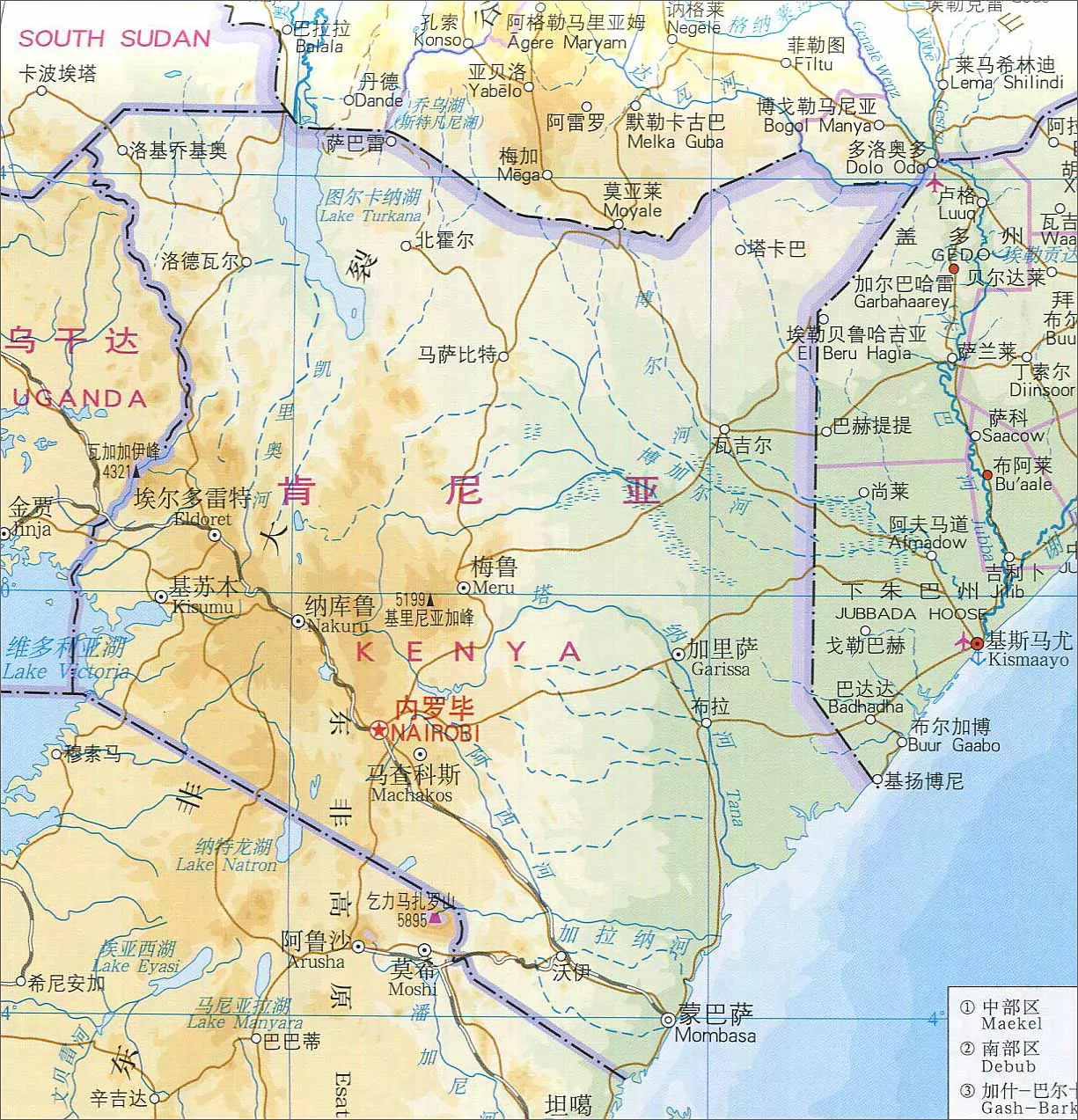
The project is located in the Matuga area of Kwalai County, with a designed daily clinker production capacity of 5000 tons and an annual clinker production capacity of 1.6 million tons. The total investment of the project is about 32 billion shillings, equivalent to 250 million US dollars. After completion, the annual production capacity of Bamburi clinker will increase from 1 million tons to 2.6 million tons, and the cement production capacity will increase from 1.8 million tons to 4 million tons, making it the largest newly-built clinker project in Kenya in recent years. The AMSONS Group, to which the owner belongs, has a business layout in six East African countries. After this production line is put into operation, it can rely on the group's network to allocate cement sources in the region and build an East African cement supply hub.
Market support
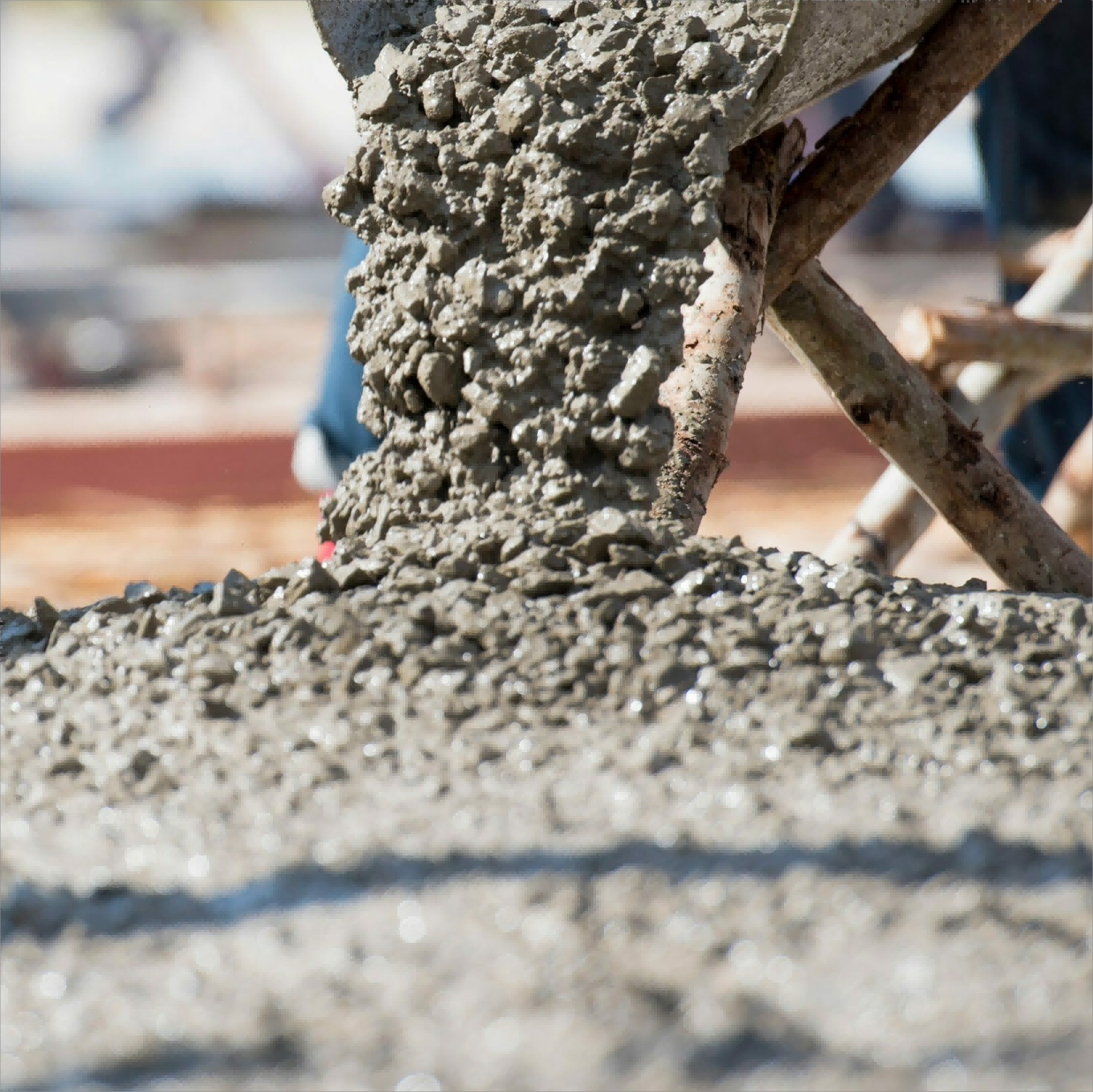
Kenya's cement production in the first half of 2026 will be 5.54 million tons, with a consumption of 5.46 million tons, and the market trading will be active. The local ten-year infrastructure development plan continues to drive cement demand, and Bamburi's revenue and profits have significantly increased in the first half of the year, making it eligible for expansion funds. China National Materials Construction is affiliated with China National Building Materials Group and has established multiple clinker production lines in Nigeria, Algeria, Zimbabwe and other countries. It has ample experience in overseas cement engineering general contracting and is also expanding its diversified businesses such as phosphate deep processing and grinding station operation and maintenance. Keywords: Sinoma Construction, Kenya, East African Infrastructure
Supporting business opportunities
Priority will be given to supplying core hosts such as rotary kilns and preheaters within the system, while opportunities for external enterprises will be concentrated in segmented supporting areas. There is procurement space for wear-resistant castings, conveying auxiliary equipment, steel structure civil engineering subcontracting, alternative fuel pretreatment equipment, environmental protection dust removal and denitrification equipment, and later maintenance spare parts. Related supporting manufacturers can target the secondary supply, subcontracting, and spare parts markets, lay out local service outlets, and rely on this project to follow up on AMSONS Group's subsequent similar projects in multiple countries in East Africa.Editor/Li Xiaohua
Comment





 Praise
 Collect
 Comment

 Share


Write something~